
The Obstacle is the Way – Ryan Holliday

“The Obstacle Is the Way” by Ryan Holiday is a modern interpretation of Stoic philosophy, particularly focusing on how to overcome challenges and turn them into opportunities. The book draws heavily from the teachings of ancient Stoic philosophers like Marcus Aurelius, Epictetus, and Seneca.

Key points of the book include:

  1. Perception: How we view obstacles is crucial. By reframing challenges as opportunities for growth and learning, we can approach them more effectively.
  2. Action: Taking deliberate, persistent action is essential. The book emphasizes the importance of focus, creativity, and perseverance in tackling obstacles.
  3. Will: Developing inner resilience and discipline allows us to endure difficulties and maintain perspective in the face of adversity.

The underlying Stoic philosophy emphasizes virtues such as wisdom, justice, courage, and self-control. It teaches that while we cannot control external events, we can control our reactions to them. This philosophy advocates for emotional regulation, rational thinking, and focusing on what is within our power to change.

In today’s society, these methods are particularly relevant due to:

  1. Information overload and constant distractions, which make the Stoic emphasis on focus and prioritization valuable.
  2. Increasing uncertainty in various aspects of life (economic, political, environmental), where the Stoic approach of accepting what we cannot control can reduce anxiety.
  3. A culture of instant gratification, contrasting with the Stoic emphasis on long-term thinking and delayed gratification.
  4. The prevalence of victim mentality, which Stoicism counters by promoting personal responsibility and proactive problem-solving.
  5. High stress levels in modern life, where Stoic practices of mindfulness and emotional regulation can be beneficial.

By applying these principles, individuals can develop greater resilience, clarity of purpose, and effectiveness in navigating the complexities of modern life.

Having already been a student of stoic philosophy this book was treading over well worn ground but I appreciated what he we trying to do here. I found the tone a bit much – I get the target audience he was trying to reach here but it wasn’t too overbearing. There were some insights I found useful as reminders of stoic approaches that perhaps I hadn’t been using yet.

One of the things he focuses on is accepting what we cannot control – something that I feel very strongly about. Here’s a quick graphic showing the concept:

As you can see – there are things you can control which is where you should spend most of your mental and emotional energy – after all they are things you can resolve directly. The things you can influence are important (outside of a true leadership or political role) for a small group (in my case my children) where I want to spend the time to influence them but I don’t control them. All the things in the circle of concern? It’s fine to understand them but since you can’t control or influence them spending a lot of time and anxiety worrying about them is a colossal waste of time. I’m not saying you shouldn’t give to a worthy cause or work to improve the world but if the efforts don’t fall in the first two rings – is it a good use of your time?
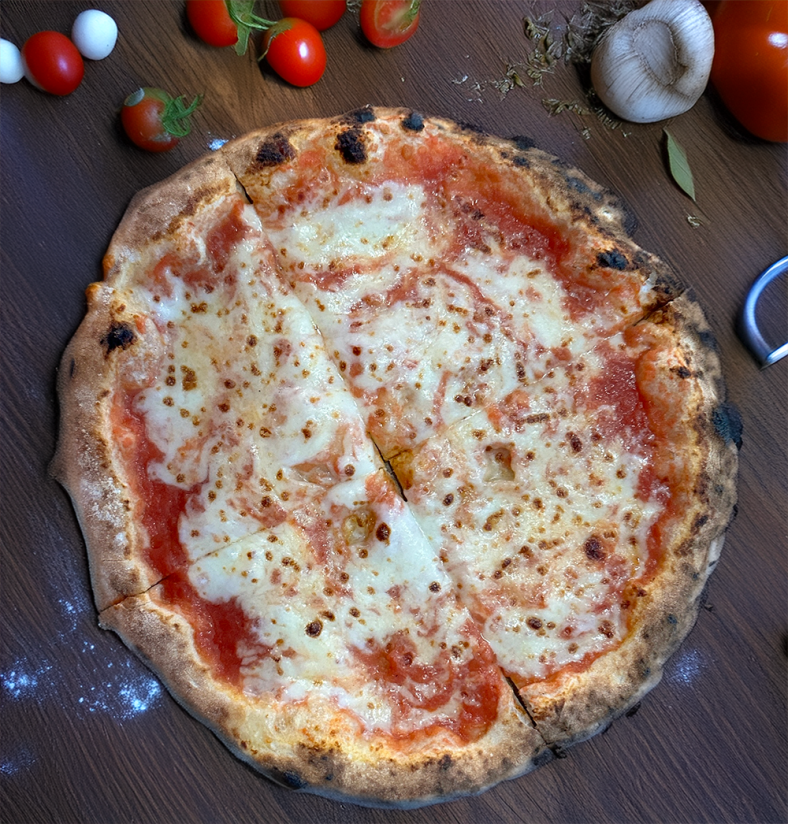
NY Pizza (Brian Langerstrom Version)

In my never ending quest to perfect a NY pie I sometimes try popular Youtube / Instagram recipes that have gone viral in order to test them against my standard Pie (Tony Gemingnani NY pizza dough). This pizza dough wasn’t too finicky and was easy to open but I found the flavor lacking – the dough just didn’t have the flavor I expect with a NY pie. It might have been the flour I used or some other step in the process but the tried and true dough I use for NY pie is a rock star and it will be hard to top it (Always open to trying!)

The sauce wasn’t very tangy and the flavors were muddled (I used good tomatoes) – sticking to just milled tomatoes is hard to beat – I know it’s missing.. something.. and one day I’ll find it.

Overall, a respectable entry but not enough to move my standard NY Pie formula off it’s perch as #1

Tribe Called Quest – Low End Theory

Low End Theory by A Tribe Called Quest is a hip-hop classic that dropped in 1991, blending jazz samples with boom-bap beats to create a smooth, innovative sound. The album’s production, largely handled by Q-Tip, set a new standard in hip-hop, showcasing how jazz and rap could mesh seamlessly.

This album is crucial because it helped define the sound of alternative and jazz rap in the ’90s. It influenced countless artists and producers, showing how hip-hop could be both intellectually engaging and sonically adventurous. The album’s focus on live instrumentation and complex lyricism pushed the genre forward, cementing A Tribe Called Quest’s place in hip-hop history.

Three standout tracks:

  1. “Scenario” – This posse cut features Leaders of the New School (including a young Busta Rhymes) and is known for its high-energy beats and memorable verses. It’s a perfect closer for the album.
  2. “Check the Rhime” – With its catchy hooks and back-and-forth flow between Q-Tip and Phife Dawg, this track exemplifies the group’s chemistry and clever wordplay.
  3. “Jazz (We’ve Got)” – This track embodies the album’s jazz-rap fusion, with its smooth saxophone samples and laid-back flow, showcasing the group’s musical innovation.

I liked this album – it is lyrically dense and the grooves are really tight – I didn’t get a chance to listen to TCQ when I was a kid as I was transitioning to grunge and industrial in the early 90’s – away from my hip hop roots.

What this album makes me think/feel: It has that early 90’s authenticity. You can tell just from the sounds of the album that it’s a product of the 90’s and it makes me think of rolling down the strip in Seaside Heights with the bass pumping on the way to the sawmill for 2.50 slices.

(Post was AI assisted)

Worldwide Food Tour: Costa Rica

This weekend we visited lovely Costa Rica! Galo pinto – the national dish of Costa Rica is a very tasty rice and beans dish with a side of twice fried plantains (pantacones), and a big slice of pan de elote – sweetened cornbread made from fresh corn. Overall a flavorful combination of Latin American flavors that was so good it’s likely to make the standard rotation of foods!

Meditations

“Meditations” is a collection of personal reflections and philosophical thoughts written by Marcus Aurelius, Roman Emperor from 161 to 180 AD. Known as the last of the “Five Good Emperors,” Marcus Aurelius was a Stoic philosopher who wrote extensively on how to live a life of virtue, resilience, and rationality amidst the challenges of ruling an empire. His writings, originally intended for his own guidance and self-improvement, offer timeless wisdom on ethics, self-discipline, and the pursuit of inner peace. The book is a testament to Aurelius’ commitment to Stoic principles and serves as a practical guide for navigating life’s complexities with wisdom and integrity.

Key Observations from “Meditations”:

  • Stoic Virtues: Emphasizes virtues such as wisdom, justice, courage, and moderation as essential for personal and ethical living.
  • Acceptance of Nature: Advocates accepting events beyond one’s control and focusing on how one responds to them.
  • Inner Harmony: Encourages cultivating inner tranquility and maintaining equanimity in the face of adversity.
  • Memento Mori: Reflects on the transient nature of life and the inevitability of death as a reminder to live with purpose and virtue.
  • Self-Reflection: Promotes introspection and self-awareness as tools for personal growth and moral development.
  • Duty and Service: Discusses the responsibilities of leadership and the importance of serving others with humility and compassion.
  • Universal Kinship: Explores the idea of humanity’s interconnectedness and the importance of treating others with kindness and empathy.

“Meditations” offers readers profound insights into Stoic philosophy and remains a classic work that continues to inspire individuals seeking wisdom and guidance in their personal and professional lives.

(summary created with the help of AI)

Important excerpts from the book:

  1. Book 2, Section 1: “Begin each day by telling yourself: Today I shall be meeting with interference, ingratitude, insolence, disloyalty, ill-will, and selfishness…”
  1. Book 2, Section 17: “Do not act as if you had ten thousand years to throw away. Death stands at your elbow. Be good for something while you live and it is in your power.”
  2. Book 4, Section 3: “Objective judgment, now, at this very moment. Unselfish action, now, at this very moment. Willing acceptance—now, at this very moment—of all external events.”
  3. Book 4, Section 49: “Waste no more time arguing what a good man should be. Be one.”
  4. Book 5, Section 16: “The impediment to action advances action. What stands in the way becomes the way.”
  5. Book 6, Section 30: “Do not disturb yourself by picturing your life as a whole; do not assemble in your mind the many and varied troubles which have come to you in the past and will come again in the future…”
  6. Book 7, Section 2: “You have power over your mind—not outside events. Realize this, and you will find strength.”
  7. Book 8, Section 7: “Do not indulge in dreams of having what you have not, but reckon up the chief of the blessings you do possess, and then thankfully remember how you would crave for them if they were not yours.”
  8. Book 9, Section 6: “The happiness of your life depends upon the quality of your thoughts.”
  9. Book 12, Section 1: “Begin the morning by saying to yourself, I shall meet with the busybody, the ungrateful, arrogant, deceitful, envious, unsocial. All these things happen to them by reason of their ignorance of what is good and evil.”

I have a special spot in my heart for this book. In my late teens (or perhaps early 20’s) I was struggling a lot and really wasn’t sure where my job was life were going and was feeling kind of listless. My mom bought me a ‘book of the month’ club (yes, I am that old) for a Christmas gift and a few months in, a slim volume called ‘meditations of Marcus Aurelius’ arrived. I was very curious as I’m a big fan of the Roman empire (yes, the rumors are true – I think of the Roman empire often!) so I cracked it open and ended up reading the entire thing in one shot. It was my first exposure to the philosophy of stoicism and it spoke to me in a way that nothing else had up to that point. I can 100% say this random book arriving was a pivot point in my life. It taught me that I alone am in control of my life and that the struggle to control things outside of my purview was a waste of my time. It taught me to calmly handle people who seek to upset me and to take control of a life that is ephemeral.

I still utilize Marcus Aurelius’ teaching to this day and strive to live a stoic life in the face of a very stressful world. I also want to leave by quoting my absolute favorite line in the entire book “The measure of a man is the worth of the things he cares about” I think about that often and strive to be a person who thinks about making the world better.

Pizza with vodka sauce

This one is pretty standard pizzeria fare but one that I haven’t tried before. I cooked up some vodka sauce, used a standard NY pizza dough, finished with dry and fresh mozzarella and a dusting of Sicilian oregano. It was actually really good – the only note I have is the sauce has a ton of cream and cheese in it so next time use a light hand on the cheese to ensure it doesn’t get too heavy.