Simon Sinek – The Infinite Game

In “The Infinite Game”, Simon Sinek introduces the concept of the “infinite game” – a fundamental shift in how we approach competition, success, and the purpose of business.

Sinek contrasts the “finite game” with the “infinite game”. Finite games have clear rules, agreed-upon players, and a defined end point where a winner is declared. Examples of finite games include sports, board games, or business competitions. In contrast, the “infinite game” has no finish line – it is an ongoing, ever-evolving challenge without a clear winner.

Finite vs. Infinite Mindset

Sinek argues that many organizations and leaders approach business with a “finite mindset” – focused on short-term goals, beating the competition, and securing their position as the winner. In contrast, the “infinite mindset” looks at the long-term sustainability and resilience of the organization.

The key differences between the finite and infinite mindsets:

  • Purpose: Finite – to win. Infinite – to keep the game going.
  • Capability: Finite – to triumph over an opponent. Infinite – to build trust and cooperation.
  • Measurement: Finite – the financial bottom line. Infinite – the longevity and growth of the organization.
  • Rivals: Finite – opponents to be defeated. Infinite – worthy rivals to make you better.

The Just Cause

At the heart of Sinek’s “infinite game” concept is the “Just Cause” – a clear, inspirational vision for the future that guides the organization’s actions. A Just Cause is:

  • Inclusive: It calls all people to contribute, regardless of their status or position.
  • Service-oriented: It is not self-serving, but aims to advance a cause greater than the organization itself.
  • Resilient: It can withstand competition, disruption, and other challenges.
  • Idealistic: It represents an infinite, aspirational future that can never be fully achieved.

Sinek argues that organizations guided by a Just Cause are better able to adapt, innovate, and thrive in the face of an ever-changing business landscape.

The Infinite Mindset in Action

Sinek provides examples of companies and leaders that have adopted an infinite mindset, including Marriott, Unilever, and former Mastercard CEO Ajay Banga. These organizations focus on long-term sustainability, building trust with stakeholders, and creating value beyond short-term profits.

In contrast, Sinek criticizes companies and leaders who are trapped in a finite mindset, leading to shortsighted decision-making, eroding trust, and ultimately failing to succeed in the “infinite game” of modern business.

Key Takeaways

  • Distinguish between the “finite game” (with clear rules and winners) and the “infinite game” (an ongoing challenge without end).
  • Adopt an “infinite mindset” focused on purpose, capability, measurement, and relationship with rivals.
  • Develop a “Just Cause” – an inspirational, service-oriented vision to guide the organization.
  • Prioritize long-term sustainability and resilience over short-term gains.
  • Foster trust, cooperation, and adaptability to thrive in an ever-changing business environment.

(Summary AI assisted)

This book was interesting and I thought Simon had some solid ideas with a lot of real world data to back them up. In this current market drive business world I feel that long term success is often hurt by short term decisions based solely on getting the share price up to keep investors happy (and in turn, the CEO keeps his job)

I like incorporating Simon’s ideas as I develop my leadership style – always keeping an eye on the infinite game helps inform short term strategy decisions by balancing them with long term goals. I can burden my team now with all the demands from the customers and upper management or I can try to manage up as well as down. Setting expectations for work and providing a clear picture of the value of long term thinking.

I found the book thought provoking but a bit idealistic – mostly because while I agree fundamentally with his idea I have some pessimism that we can ever change the short term market thinking.

Bob Dylan – Highway 61 revisited

Bob Dylan’s ‘Highway 61 Revisited’: Genius, Madness, and the Occasional Whiff of Cat Litter

Look, let’s just get this out of the way right off the bat – Bob Dylan is a lyrical genius. When it comes to twisting the English language into kaleidoscopic new shapes, the man is second to none. He’s the kind of songwriter who can make a simple phrase like “the pump don’t work ’cause the vandals took the handles” sound like the most profound statement since the Gettysburg Address. But God help me, sometimes his voice makes me want to claw my own ears off.

Take the album opener, “Like a Rolling Stone” – a scorching, six-and-a-half minute epic that manages to simultaneously capture the sound of a soul being shattered and a middle finger being defiantly raised. The way Dylan spits out those lyrics, equal parts sarcasm and venom, is the musical equivalent of a John Wayne Gacy painting. It’s genius, no doubt, but also the kind of thing that’ll have you reaching for the Tylenol.

And then there’s “Ballad of a Thin Man,” a track so deliciously, gloriously weird that it makes Salvador Dali’s melting clocks look like a kindergarten art project. Dylan’s vocal delivery here is like listening to a deranged carnival barker who’s just mainlined a gallon of espresso – all urgent, nasal intensity with nary a hint of subtlety. But hey, when you’re trying to soundtrack the descent into madness, subtlety is the first thing to go out the window.

But let’s not forget the moments where Dylan’s seemingly limitless talent shines through the vocal haze. “Desolation Row” is a sprawling, kaleidoscopic masterpiece, a veritable parade of misfits, malcontents, and Biblical figures that unfolds like a surrealist fever dream. The way he weaves together literary allusions, social commentary, and pure unadulterated madness is the stuff that doctoral theses are made of.

And then there’s the title track, “Highway 61 Revisited” – a bluesy, apocalyptic stomp that sounds like it was recorded in the pits of hell itself. The lyrics are equal parts absurdist humor and existential dread, with Dylan spitting out lines like “God said to Abraham, ‘Kill me a son'” with a gleeful, almost manic energy. It’s the kind of song that makes you want to dust off your leather jacket, hop on a Harley, and embark on a one-way trip down the road to total oblivion.

But for every moment of transcendent brilliance, there’s a track that feels like it’s been loitering in the corner of the studio, picking its nose and waiting for the cool kids to notice it. “Can You Please Crawl Out Your Window?” is an undeniably catchy little ditty, but it also has all the depth and complexity of a kiddie wading pool. And let’s not even get started on “Just Like Tom Thumb’s Blues” – it’s the musical equivalent of that one weird uncle who keeps trying to explain the deeper meaning behind the lyrics to “The Monster Mash.”

In the end, “Highway 61 Revisited” is the sound of a true visionary operating at the absolute peak of his powers, even if his voice sounds like it’s been dragged through a gravel pit and set on fire. It’s an album that demands your attention, whether you want to give it or not. One minute, you’re marveling at Dylan’s unparalleled talent for turning the mundane into the sublime, and the next, you’re reaching for the volume knob, desperate to escape the aural onslaught of his distinctively abrasive croon.

But you know what? That’s Bob Dylan in a nutshell – a walking, talking contradiction who wouldn’t have it any other way. He’s a lyrical genius who could make the straightforward sound like the most convoluted word salad imaginable. He’s a musical maverick who’ll leave you alternately awestruck and reaching for the Advil. And in the end, that’s precisely why we keep coming back for more.

Rating: 4.5 out of 5 Existential Cigar Smoke Halos 🚬

Highs:

  • Dylan’s unparalleled lyrical prowess and ability to weave together disparate cultural references
  • The sheer sonic intensity of tracks like “Highway 61 Revisited” and “Ballad of a Thin Man”
  • The album’s refusal to conform to any sort of conventional structure or expectation

Lows:

  • Dylan’s notoriously abrasive vocal delivery, which can veer dangerously close to self-parody at times
  • The occasional moments of filler that feel like they’re just taking up space between the album’s more inspired moments
  • The nagging feeling that Dylan is sometimes just a little too in love with his own eccentricities

Final Thought: “Highway 61 Revisited” is the musical equivalent of taking a deep dive into the mind of a madman – it’s equal parts exhilarating, confounding, and likely to give you a raging migraine. But for those willing to strap in and take the ride, the rewards are immense. Dylan may not always make it easy, but when he’s firing on all cylinders, the results are nothing short of transcendent. Just be sure to keep a bottle of aspirin handy, because this is one journey that’s bound to leave your ears ringing.

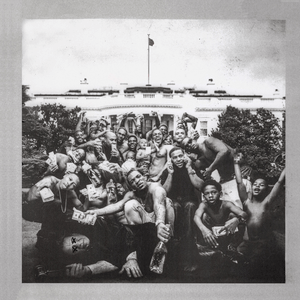
Kendrick Lamar – To Pimp a Butterfly

Kendrick Lamar’s ‘To Pimp a Butterfly’: Genius With a Side of Self-Indulgence

Look, I’m just going to come right out and say it – Kendrick Lamar is a goddamn lyrical virtuoso. The way he weaves together complex rhyme schemes, social commentary, and raw emotion is the stuff that keeps English professors up at night, frantically jotting down notes. But when it comes to his 2015 opus “To Pimp a Butterfly,” I can’t help but feel like he occasionally lets his own brilliance go a little too far off the rails.

From the moment that frenzied jazz intro of “Wesley’s Theory” kicks in, it’s clear we’re in for a wild ride. Kendrick wastes no time diving headfirst into a dizzying maelstrom of political rage, personal introspection, and searing cultural critique. The way he seamlessly transitions from spoken-word poetry to full-on funk freakouts is the musical equivalent of watching Muhammed Ali dance around the ring.

And the production – my goodness, the production. Flying Lotus, Terrace Martin, and the rest of Kendrick’s inner circle have crafted a sonic landscape that’s equal parts futuristic and timeless, blending elements of jazz, soul, and psychedelia into a heady, mind-altering concoction. “King Kunta” is a boisterous call to arms that sounds like it was recorded in the middle of a New Orleans block party, while “Alright” is a soaring, gospel-tinged anthem that could simultaneously soundtrack a riot and a church revival.

But herein lies the rub – for as much as I admire Kendrick’s sheer ambition and technical prowess, there are times when “To Pimp a Butterfly” just feels a tad…overwrought. The extended interludes and stream-of-consciousness spoken-word pieces, while undoubtedly thought-provoking, can also come across as self-indulgent and needlessly complex. I get that he’s trying to tackle heavy themes of racial identity, sociopolitical unrest, and personal struggle, but sometimes I just want to groove without having to take notes for my next college seminar.

Take “u,” for example – it’s a gut-punch of a song, with Kendrick’s raw, vulnerable vocals cutting straight to the bone. But the way it morphs into a disorienting, almost confrontational outro feels more like an attempt to be “deep” than a natural extension of the emotional journey. And let’s not even get started on that bonkers “Mortal Man” closer, which features a faux interview with Tupac that’s equal parts brilliant and baffling.

Don’t get me wrong, there are plenty of moments where Kendrick’s ambition pays off in spades. “Alright” is an undisputed modern classic, a rallying cry for a generation struggling to stay hopeful in the face of systemic oppression. “How Much a Dollar Cost” is a searing meditation on empathy and moral responsibility that’ll have you re-evaluating your own spending habits. And the way he weaves recurring motifs and lyrical callbacks throughout the album is the work of a true master storyteller.

But for every transcendent high, there’s an indulgent low that threatens to pull the whole enterprise crashing down. It’s the musical equivalent of watching a virtuoso tightrope walker perform jaw-dropping feats – you can’t help but be awed, even as you cringe at the prospect of them taking one wrong step.

In the end, “To Pimp a Butterfly” is the sound of a generational talent pushing the boundaries of what hip-hop can be. It’s bold, it’s challenging, and it’s undeniably the work of a creative visionary. But it’s also messy, self-serious, and at times, a little too enamored with its own perceived importance.

It’s the kind of album that’ll have the glassy-eyed intellectuals debating its merits for years to come. And you know what? I respect that. I just wish Kendrick would occasionally remember that making great art doesn’t have to mean subjecting your listeners to an hour-long symphony of existential angst.

Rating: 4 out of 5 Beret-Wearing Intellectuals πŸ€“

Highs:

  • Kendrick’s lyrical virtuosity and storytelling prowess
  • The mind-bending, genre-blurring production
  • Moments of raw emotional catharsis that’ll have you punching the air

Lows:

  • Overly indulgent interludes and spoken-word pieces
  • An occasionally self-serious tone that verges on pretentiousness
  • The nagging feeling that Kendrick is trying a little too hard to be “important”

Final Thought: “To Pimp a Butterfly” is the musical equivalent of a triple-shot espresso – it’ll jolt your senses and leave you buzzing with ideas, but it might also give you a bit of a headache if you’re not careful. Kendrick Lamar is undoubtedly a generational talent, but sometimes, even geniuses need to remember that it’s okay to just kick back and let the music do the talking.

Rear Window

Ah, “Rear Window,” a cinematic gem that proves the old adage, “curiosity killed the cat, but satisfaction brought it back.” This 1954 masterpiece, directed by the legendary Alfred Hitchcock and starring the incomparable James Stewart and Grace Kelly, is a thrilling exploration of voyeurism, suspicion, and the dark underbelly of human nature.

The story follows L.B. “Jeff” Jefferies (Stewart), a globe-trotting photographer confined to his apartment after breaking his leg on assignment. With nothing but time on his hands, Jeff takes to spying on his neighbors through the rear window of his apartment, his trusty binoculars and telephoto lens his only companions.

At first, Jeff’s voyeuristic tendencies seem harmless enough – a bit of harmless people-watching to pass the time. But as he becomes more and more engrossed in the lives of his neighbors, he begins to suspect that one of them, a salesman named Lars Thorwald (Raymond Burr), may have murdered his invalid wife.

Aided by his glamorous girlfriend, Lisa Fremont (Kelly), and his wisecracking nurse, Stella (Thelma Ritter), Jeff sets out to unravel the mystery of Thorwald’s wife’s disappearance. But as he becomes more and more obsessed with the case, he begins to lose sight of the line between observation and invasion, putting himself and those he loves in grave danger.

Hitchcock, the master of suspense, is at the top of his game in “Rear Window.” His use of the confined apartment setting is a stroke of genius, creating a sense of claustrophobia and unease that permeates every frame. The camera becomes Jeff’s eyes, panning across the courtyard and zooming in on the lives of his neighbors, each window a mini-drama waiting to unfold.

Stewart is brilliant as Jeff, his affable charm masking a deeper sense of unease and frustration. Kelly, in one of her most iconic roles, is a vision of grace and beauty, her outward poise belying a fierce intelligence and determination. And Burr, in a chilling turn as the enigmatic Thorwald, is a study in quiet menace, his every move laden with sinister intent.

But it is the film’s exploration of voyeurism and the ethics of observation that truly sets it apart. As Jeff becomes more and more enmeshed in the lives of his neighbors, he begins to question his own morality, wondering if he has the right to pry into the private lives of others. In a telling moment, Lisa chastises him for his behavior, reminding him that “we’ve become a race of Peeping Toms.”

As the tension mounts and the danger becomes more and more palpable, “Rear Window” builds to a heart-stopping climax. In a scene that has become iconic in the annals of cinema, Lisa infiltrates Thorwald’s apartment, searching for evidence of his crimes. The camera becomes Jeff’s eyes once more, his helpless gaze fixed on the woman he loves as she puts herself in harm’s way.

In the end, “Rear Window” stands as a testament to the power of cinema to explore the darkest recesses of the human psyche. It’s a film that asks uncomfortable questions about the nature of privacy, the ethics of observation, and the thin line between curiosity and obsession. Hitchcock’s mastery of the medium is on full display, his every shot a mini-masterpiece of composition and tension.

So if you’re in the mood for a pulse-pounding, thought-provoking exploration of the human condition, look no further than “Rear Window.” Just remember, as Jeff so aptly puts it, “I wonder if it’s ethical to watch a man with binoculars and a long-focus lens. Do you suppose it’s ethical, even if it’s in the cause of justice?” It’s a question that will linger long after the final credits have rolled.

3/5 suspenseful stars. This movie exudes 1950’s charm – from the movie poster, the music, down to the clothing it encapsulates the time period perfectly. Jimmy Stewart is great and Grace Kelley provides a charming counterpoint to Jimmy’s gruff character. It starts out slow and builds up suspense until the armrest gripping final 10-15 minutes where things get really tense and.. well.. the guy with the broken legs falls off the balcony. I mean – this guy can’t catch a break (hey now!) but hey – this is on him. If he wasn’t spying on the neighbor they would have gotten away with murder and probably skipped town without endangering his girlfriend or him. I always enjoy Hitchcock movies and Jimmy Stewart and I recall watching this as a young kid with my mom but not really getting what was going on so it was interesting 40+ years later seeing it again and reconciling my young mind with my current experiences.

Goal Met – 50 Hours of Informational Podcasts

First off – I’m not one of those people that listens to podcasts all day so I can reference them at cocktail parties and seem enlightened (yes, I’ve met those people) plus I have a hard time maintaining focus for more than a few minutes – my mind will invariably wander and when I snap back into focus 20 minutes of the podcast will have gone by and I didn’t hear any of it (this is also the reason I struggle with audio books)

However – I knew I had two captive hours every day during my commute to work that I could leverage. I usually just listened to sports radio or Apple music but I started thinking that’s probably not the greatest use of that captured time. So I decided to lean into informational podcasts so I can use that time to learn and broaden my mind (not that sports radio doesn’t do that…)

Since I started a new job as a people manager it’s a bit heavy in the beginning on management tools and strategies since I was trying to build a management style but as the work picked up I started leaning into productivity podcasts to help balance work, life, and this 50for50 goals.

It was a bit of a struggle to maintain focus in the beginning since my mind tended to wander often but I think the meditation I was trying was helping me focus and be present and a few months in I found I could focus on most of the episodes without having to rewind

Since I was doing it so often it became a bit of a habit and now whenever I drive somewhere I’m usually trying to listen to something interesting but sometimes my brain just doesn’t want to work that hard and that’s when I crank the tunes and just enjoy the drive. In fact for a few months I split it up mornings for podcasts, afternoons for listening to the ‘Top 50 albums of all time’ maximizing that captive time to achieve my goals!

Here’s the list of the podcasts I’ve listened to while achieving this goal. There’s a few I listen to often because they’re consistently interesting enough that I didn’t feel the need to go and find new podcasts to listen to as I only had two hours a day

Manager ToolsHow to set annual goals
Work Life with Adam GrantYour hidden personality
Hidden BrainMaking the most of your mistakes
Hidden BrainHow to Believe in yourself
Beyond the to-do listSelf-Awareness
Manager toolsOne on Ones Part 1
Manager ToolsGiving Effective Feedback
Hidden BrainFinding Focus
Manager ToolsGiving Effective Feedback Part 2
A Bit of Optimism w/Simon SinekAtomic Habits with James Clear
Manager ToolsGiving Effecive Feedback Part 3
A Bit of Optimism w/Simon SinekTheory of everyone
Manager ToolsEffective Meetings 1/4
Work Life with Adam GrantYour Brain on Art
Beyond the to-do listHarnessing Creativity at Work
Work Life with Adam GrantThe Problem with Optimizing our Lives
Beyond the to-do listSuper power of clear communicators
Beyond the to-do listRepurpose your content
Manager ToolsCulture: Core Behaviors
Work Life with Adam GrantDaniel Kahneman: Don’t trust your instinct
The Next Big IdeaMIDLIFE: Once a crisis, now an opportunity
A Bit of Optimism w/Simon SinekSweting the small stuff with Steven Bartlett
Work Life with Adam GrantHow to be productive w/o burning out
Beyond the to-do listMyths Surrounding Memory
Hidden BrainEscape the Matrix
Work Life with Adam GrantAI and the future of creativity
HBR on LeadershipHow to be persuasive at work
HBR on LeadershipHow the best leaders drive innovation
HBR on LeadershipHow to lead great conversations
Beyond the to-do listFinding the right productivity tools
HBR on LeadershipWhan you make the leap to manager
HBR on LeadershipHow to become a better manager
The Next Big IdeaLook again: How to debabitualize
Hidden BrainAre you listening? (The skill of active listening)
Manager ToolsProactive Manager: Meetings
The Learning LeaderThe Score that Matters – Growing Excellence in yourself
The Learning LeaderAdding Surplus Value (Discussion with Scott Galloway)
Hidden BrainCurious Science of Cravings
The Next Big IdeaSlow Productivity w/Cal Newport
The Learning LeaderDiscussion with Scott Belsky of Adobe
Ten Percent HappierAncient Strategies for managing stress
A Bit of Optimism w/Simon SinekHow to eat with Jessie Inchauspe
Manager ToolsOne on Ones (Updated for 2024)
Beyond the to-do listApplying Enneagrams to Your Business
Beyond the to-do listExtending your mind via better note taking
Manager ToolsUpdated Feedback Model P1
The Learning LeaderObsessing over quality and details over amount of work done
The Next Big IdeaWhy the Civil War Matters Today
The Learning LeaderGrowing without goals (talk with Jason Fried)
Ten Percent HappierThe Science of Getting out of your head
Hidden BrainParents Keep Out! Benefit of free / unsupervised play
The Next Big IdeaWhy We Remember: The Science of Memory
Work Life with Adam GrantJohn Green – Paying attention to your attention
Hidden BrainInnovation 2.0 – Do less
The Next Big IdeaHow AI will revolutionize learning
The Learning LeaderCreating a flexible mind
Hidden BrainWhy trying to hard can backfire on you
HBR IdeaCastGetting the most out of digital collaboration tools
Beyond the to-do listThe relationship between productivity and proper documentation
Ten Percent HappierLongevity Secrets of the Blue Zones
Work Life with Adam GrantRe-imagining Technology
Ten Percent HappierThe last podcast you ever need to hear about exercise
Work Life with Adam GrantRichard Branson on saying yes now and figuring it out later
The Next Big IdeaFriction: How smart leaders make things easier
Work Life with Adam GrantHow to enjoy failure with Gabrielle Zevin
Hidden BrainMaking the world sparkle again
Work Life with Adam GrantFighting against the status quo
HBR: Coaching Real LeadersMaking the most of your work day
Ten Percent HappierThe 5 Pillars of brain health
Hidden BrainFighting Despair
Harvard Business ReviewWhat it takes to be a manager
The Learning LeaderHow to fix your craving mindset w/Michael Easter
The Learning LeaderSeth Godin: How to be remarkable
The Next Big IdeaThe Anxious Generation part I
The Next Big IdeaThe Anxious Generation part 2
The Next Big IdeaWork of Art: How something comes from nothing
Beyond the to-do listDispel the Myth and Stigmas around ADHD

Radiohead – Kid A

Radiohead’s ‘Kid A’: When Pretension Becomes a Musical Genre

Look, I get it – Radiohead are a “critically acclaimed” band, the kind that have entire think pieces written about their album artwork. They’re the musical equivalent of that guy at the party who insists that the true meaning of life can only be found in the second movement of an obscure Shostakovich symphony. But sometimes, you just want to shake them and scream, “Can we just have a nice, normal album for once?”

Enter ‘Kid A’, the album that single-handedly solidified Radiohead’s reputation as the poster children for pretentious, navel-gazing art rock. It’s like they gathered in the studio, took a long, self-serious look at themselves in the mirror, and said, “You know what the world needs? More ominous synthesizers and emotionless vocal delivery.” And then they proceeded to foist that musical manifesto on the unsuspecting masses.

The opening title track sets the tone – a disjointed, glitchy mess that sounds like someone threw a bunch of rusty gears into a blender and hit “puree.” Thom Yorke’s vocals, which are usually the one reliable anchor in Radiohead’s musical maelstrom, have been digitally mangled to the point where he might as well be speaking in tongues. It’s the aural equivalent of getting lost in a maze constructed entirely of IKEA furniture.

And it just gets worse from there. “The National Anthem” is ostensibly a jazz-inflected protest song, but it ends up sounding more like a group of angry robots staging a coup at the United Nations. The way the competing brass sections clash and collide is undoubtedly “innovative,” but it also makes my head hurt just thinking about it.

Honestly, the only track that even remotely resembles a traditional “song” is “Motion Picture Soundtrack,” and even that feels like it’s been trapped in a sensory deprivation chamber for the last decade. Yorke’s plaintive vocals are the only glimmer of humanity in an otherwise cold, clinical landscape.

Look, I get that Radiohead were probably going for some grand, high-concept statement about the dehumanizing effects of technology and modern life. But sometimes, you just want an album that doesn’t require a graduate degree in philosophy to enjoy. ‘Kid A’ feels like the musical equivalent of that friend who won’t stop lecturing you about the merits of avant-garde jazz – technically impressive, sure, but also exhausting and, let’s be honest, more than a little pretentious.

And the worst part? Everyone and their mother seems to think this album is the second coming of Sgt. Pepper’s. “Oh, it’s so innovative, so genre-defying!” they’ll crow, as if Radiohead invented the concept of “not sounding like anyone else.” News flash: not sounding like anyone else doesn’t automatically make you good.

To be fair, there are moments of genuine beauty and emotional resonance buried beneath all the layers of studied obfuscation. The piano work on “Motion Picture Soundtrack” is genuinely haunting, and there’s an underlying sense of melancholy that shines through the technological haze. But those fleeting glimpses of humanity are quickly smothered by Radiohead’s relentless march towards artistic asceticism.

In the end, ‘Kid A’ feels less like a cohesive album and more like a highbrow musical version of the Emperor’s New Clothes. Everyone’s too afraid to admit that the emperor is, in fact, buck naked, lest they be labeled as philistines who “just don’t get it.” But sometimes, you’ve just got to call a spade a spade – and in this case, the spade is a pretentious, over-hyped mess.

Rating: 2.5 out of 5 Existential Crisis-Inducing Synthesizers 🎹

Highs:

  • Occasional moments of genuine emotional resonance
  • Impressive technical prowess (if you’re into that sort of thing)
  • The sheer audacity of Radiohead’s commitment to their own brand of high-minded weirdness

Lows:

  • An almost overwhelming sense of studied detachment
  • A complete lack of anything resembling a memorable melody or hook
  • The constant feeling that you’re being lectured by a particularly pretentious art school student

Final Thought: ‘Kid A’ is the musical equivalent of that friend who insists on only communicating via interpretive dance. Sure, it’s “unique” and “boundary-pushing,” but it’s also exhausting and, let’s be real, a little bit ridiculous. If you’re the kind of person who finds joy in painstakingly analyzing album artwork for hidden meanings, then by all means, dive right in. But for the rest of us, this is one Emperor’s wardrobe we’re happy to ignore.

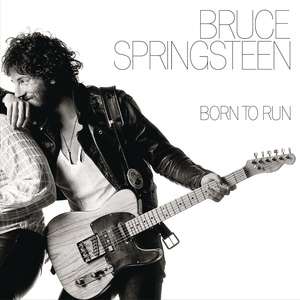
Bruce Springsteen – Born to Run

Born to Run: When the Boss Became the King of the Jersey Turnpike

Look, I’ll admit right off the bat that I’m a little biased here. Being a Jersey boy myself, I’ve got Springsteen’s working-class anthems practically encoded into my DNA. So when he dropped “Born to Run” in 1975, it was less of an album release and more of a divine revelation – the sound of the Turnpike finally getting the big-screen Hollywood treatment it deserved.

From the opening notes of the title track, it’s clear Bruce isn’t messing around. That iconic sax intro hits like a right hook from a pissed-off boxer, immediately setting the stage for an album that’s equal parts street-level grit and Shakespearean grandeur. When Springsteen bellows “The highway’s jammed with broken heroes on a last-chance power drive,” you can practically smell the gasoline and desperation wafting through your speakers.

And the man’s lyrics? Fuggetaboutit. Springsteen has a way of transforming the mundane details of working-class life into sweeping, cinematic sagas worthy of the Great American Novel. “Thunder Road” is a coming-of-age story, a love letter, and an ode to the promise of open-road freedom all wrapped into one anthemic package. The way he shifts from whispered intimacy to soaring, Homeric declarations is the stuff that goosebumps are made of.

But let’s talk about the E Street Band for a minute, shall we? These cats aren’t just Springsteen’s backing group – they’re the musical equivalent of a nuclear-powered muscle car. Roy Bittan’s piano work is the oil that keeps the whole machine running smoothly, whether he’s tickling the ivories on the delicate, introspective “Meeting Across the River” or pounding out those signature Born to Run chord progressions. And Clarence Clemons? The man’s sax solos don’t just complement the songs – they practically take them hostage.

The production, helmed by the legendarily meticulous Jon Landau, is a work of art in its own right. The way he layers the instruments, builds the dynamics, and captures the sheer raw energy of Springsteen’s performances is nothing short of sorcery. It’s the sonic equivalent of a ’69 Mustang Boss 429 – all chrome, leather, and horsepower.

Now, I know what you’re thinking – this is all well and good, but what about the weak points? Well, truth be told, there really aren’t many. Even the album’s more indulgent moments, like the eight-plus minutes of “Jungleland,” work because Springsteen and company are operating at such a rarified level of showmanship. It’s the musical equivalent of watching Laurence Olivier chew the scenery – you know it’s over-the-top, but you can’t help but be mesmerized.

The only real criticism I can level is that, at times, Springsteen’s blue-collar messiah complex can veer a little too close to parody. The way he mythologizes the Jersey working-class experience is admirable, but it also runs the risk of feeling a bit self-congratulatory. But hey, if you can back it up with music this transcendent, I’m willing to let it slide.

In the end, “Born to Run” isn’t just an album – it’s a declaration of independence, a rallying cry for anyone who’s ever felt the need to escape the confines of their small-town existence. It’s the sound of four wheels and an open road, the promise of a better life just over the next horizon. And for those of us from the Garden State, it’s the musical equivalent of a garden-variety kid from Freehold becoming the goddamn Boss.

Rating: 4.9 out of 5 Vintage Chevy Impalas πŸš—

Essential Tracks:

  • “Born to Run” (the blueprint for every Springsteen banger that followed)
  • “Thunder Road” (a coming-of-age epic for the ages)
  • “Jungleland” (because sometimes you just need eight minutes of pure, unadulterated rock opera)

Jersey Bias Highlights:

  • Springsteen’s ability to transform the mundane details of Garden State life into something mythic and transcendent
  • The E Street Band’s status as the greatest bar band in the history of the universe (sorry, Max Weinberg)
  • The production’s ability to make a grimy city street sound like the most romantic place on Earth

Final Thought: “Born to Run” is the musical equivalent of a classic Jersey diner – it may not be fancy, but damn if it doesn’t feed your soul. It’s the sound of four misfits from the wrong side of the tracks banding together to create something that feels both deeply personal and universally resonant. And for those of us who bleed the colors of the state flag, it’s a reminder that sometimes the best way to escape your circumstances is to crank the volume, roll down the windows, and let the Boss take the wheel.

The Velvet Underground – The Velvet Underground and Nico

The Velvet Underground & Nico: When Pretension Collides With Brilliance

Look, let’s not beat around the thorny, feedback-drenched bush here – The Velvet Underground & Nico is the kind of album that makes you want to punch a hole in your beret. It’s the sonic equivalent of that friend who insists on only drinking absinthe and quoting Nietzsche at parties, all while wearing enough black eyeliner to make Stevie Nicks do a double-take.

But here’s the thing – once you get past the layers of studied cool and self-conscious artiness, you realize this album is housing some of the most groundbreaking, genre-defining music ever committed to tape. It’s like stumbling into a secret lair where Salvador Dali is jamming with the members of Kraftwerk while Allen Ginsberg recites beatnik poetry in the corner. Breathtakingly innovative, yet smugly indulgent.

Take the opening track, “Sunday Morning.” On the surface, it’s a deceptively simple folk-pop number, all warm guitars and Nico’s detached, ethereal vocals. But peel back the layers, and you realize Lou Reed and company are crafting a sonic MΓΆbius strip, with the song’s structure curling in on itself like a venomous snake. It’s simultaneously accessible and deeply, almost aggressively, avant-garde.

“I’m Waiting for the Man” is where the album really bares its fangs, with a tense, prowling groove that sounds like it was birthed in the most unsavory back-alleys of mid-60s New York. The lyrics offer a lurid glimpse into the seedy underworld of drug dealing, delivered with all the casual cool of someone ordering a sandwich. It’s the kind of song that makes you feel like you need to take a shower afterwards – in a good way.

And then there’s “Heroin,” the album’s centerpiece and a song so raw, visceral, and unflinchingly honest that it makes Keith Richards’ “Gimme Shelter” sound like a nursery rhyme. The way the track builds from a delicate guitar figure into a towering, cathartically noisy climax is the musical equivalent of a gut-punch. It’s the sound of shooting up in a burned-out tenement while the world crumbles around you.

But the band isn’t all doom and gloom. “There She Goes Again” is a gleefully trashy garage-rock stomper that sounds like the Stooges mainlining Motown. “I’ll Be Your Mirror” is a tender, vulnerable ballad that proves Nico’s otherworldly voice is capable of genuine emotion, despite her Ice Queen persona.

The production, helmed by the legendary Pickwick Studios crew, is often cited as the album’s Achilles’ heel – and for good reason. The rough, lo-fi aesthetic can, at times, feel less like a stylistic choice and more like the result of the engineer being told to “just turn everything up to 11 and call it a day.” But in a way, that only adds to the album’s sense of grimy authenticity. It’s the sonic equivalent of a street vendor hawking bootleg designer bags – not pretty, but undeniably compelling.

And let’s not forget the contributions of the iconoclastic Andy Warhol, whose involvement as the album’s “manager” (read: glorified hanger-on) lent the whole proceedings an aura of cultural cachet that no amount of navel-gazing could undermine. His iconic Banana cover art is the perfect visual representation of the album’s blend of pop accessibility and arty pretension.

In the end, The Velvet Underground & Nico is the kind of album that divides listeners with the same ruthless efficiency as a chain saw through a maple tree. Some will hear it as the birth of punk, the dawn of indie, and a key building block of alternative music as a whole. Others will simply hear the self-indulgent ravings of a group of downtown Manhattan weirdos who listened to way too much Ornette Coleman.

Me? I’m firmly in the “brilliantly flawed masterpiece” camp. This album may be the musical equivalent of a Molotov cocktail lobbed through the window of good taste, but damn if it didn’t start a fire that’s still burning today.

Rating: 4 out of 5 Black Turtlenecks πŸ–€

Highs:

  • Groundbreaking songwriting that blends accessibility and avant-garde sensibilities
  • Nico’s hauntingly beautiful yet detached vocals
  • The sheer, unapologetic oddity of the whole enterprise

Lows:

  • Production that, at times, feels more “amateur basement demo” than “visionary sonic statement”
  • Moments of indulgence that veer dangerously close to self-parody
  • The constant threat of having your eye taken out by a rogue piece of experimental feedback

Final Thought: The Velvet Underground & Nico is the musical equivalent of riding a razor-sharp unicycle through a minefield – it’s equal parts thrilling, terrifying, and likely to leave you with a few nasty scars. But for those willing to embrace the chaos, it offers a glimpse into a parallel universe where pop and the avant-garde don’t just coexist, but actively get into fistfights in dimly-lit downtown clubs. It may not always be easy to love, but it’s impossible to ignore.

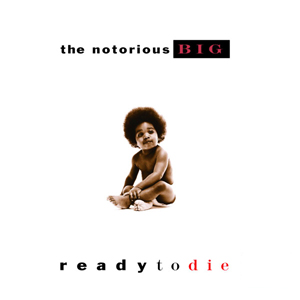
Notorious BIG – Ready to Die

The Notorious B.I.G. – Ready to Die: When a Hungry Young Hustler Dragged Hip-Hop Into the Promised Land

Look, let’s be real – when Biggie crashed into the scene in 1994, hip-hop was in a bit of a rut. We had the G-funk era spreading like a skunk-scented fog over the West Coast, while the East Coast was…well, let’s just say the artists were spending more time in the club than the studio. But then this 300-pound cipher of pure charisma and lyrical virtuosity showed up, and everything changed.

“Ready to Die” isn’t just an album – it’s a aural crime novel where every track is a new chapter in the saga of a young man trying to escape the iron grip of the streets through the only means available: rap skills sharper than a crack-laced switchblade. From the opening bars of “Things Done Changed,” you can feel the desperation and hunger radiating off every syllable. This is the sound of someone who knows the world wants them dead, and they’re not going down without at least trying to name every player in the game first.

The production, handled largely by easy-going master DJ Premier and the criminally underrated Easy Mo Bee, creates a sonic landscape that’s both gritty and lush. The samples meld seamlessly with the live instrumentation, resulting in a sonic Molotov cocktail that detonates with the force of a mic drop at the Apollo. “Gimme the Loot” sounds like a Benny Hill chase scene directed by Martin Scorsese, all frantic energy and shifty-eyed paranoia. Meanwhile, “Juicy” is the kind of track that makes you want to cruise the Bed-Stuy streets in a vintage Cadillac – if you survive the trip, that is.

And then there’s the rapping. Good Lord, the rapping. Biggie spits with a flow so liquid yet precisely enunciated that it makes most MCs sound like they’re gargling marbles. His cadence is instantly recognizable, a master class in how to ride a beat without ever getting pinned under it. “Unbelievable” is the aural equivalent of a bazooka-toting octopus – it shouldn’t work, but Biggie makes it seem as natural as breathing.

But beyond the sheer technical prowess, there’s a palpable sense of desperation and barely-restrained rage that elevates this album from mere bravado to Shakespearean tragedy. “Everyday Struggle” is a profoundly sad look at the soul-crushing realities of poverty and violence, delivered with such brutal honesty that it’s almost hard to listen to. “Things Done Changed” isn’t just nostalgia for a bygone era – it’s the sound of a young man watching his world crumble while the powers-that-be do nothing.

And then, just when you think the darkness is too much to bear, Biggie hits you with tracks like “Big Poppa” – a silky-smooth ode to the finer things in life that serves as a glimmer of hope amid the chaos. It’s the musical equivalent of buying a new suit after your last one got riddled with bullet holes. The guy may have been a hustler, but he knew how to finesse a hook.

“Ready to Die” didn’t just leave an indelible mark on hip-hop – it straight-up napalmed the old order and established a new paradigm. Biggie’s larger-than-life persona, cinematic narratives, and unparalleled technical skill instantly made everyone else sound like they were just playing at this rap thing. He didn’t bring a knife to a gunfight – he brought an Uzi with a hair trigger. And you know what? He still managed to make it sound smooth as silk.

Rating: 5 out of 5 Throwback Leather Gucci Goggles 😎

Essential Tracks:

  • “Juicy” (the blueprint for every rags-to-riches rap anthem)
  • “Everyday Struggle” (the sound of the American Dream turned nightmare)
  • “Unbelievable” (a master class in flow and breath control)

Legacy Notes:

  • Biggie’s impact on hip-hop’s lyrical content, technical standards, and mainstream crossover appeal can’t be overstated. He took the art form to a whole new level.
  • “Ready to Die” stands as one of the great debut albums in any genre, a fully-realized artistic statement that launched a legend.
  • In a perfect world, we’d still have Biggie with us, innovating and pushing the culture forward. But at least we have this album – a timeless monument to his singular talent.

Final Thought: If Biggie’s life was a Scorsese film, “Ready to Die” would be the sweeping, cinematic soundtrack. It’s the sound of a young man trying to claw his way out of the abyss, armed with nothing but his wits, his words, and an iron-clad determination to be “the illest motherfucker alive.” And you know what? He just might have pulled it off.

Goal met: Complete Python Book

Ok so. you may ask why a random thing like a book and not say, take 50 hours of python trainings or write some python programs.

Well because it’s personal

I bought this book 12 years ago when I was trying to brush up my Python skills and learn some new syntax and other things for a project I was working on and over the last 12 years I stopped and started this book about 12 different times. I usually get a few chapters in then something else grabs my attention and I never finish which is frustrating because all the good stuff (the automation part) is at the end of the book!

So it’s my white whale – the book I bought that I set a goal to read each year and each year I fail – so for the 50 for 50 I knew I had to complete the book it’s just the done thing. To push it to the side or start and not finish is karma I didn’t want to bring to this effort so I buckled down and read each chapter, did all the exercises and practice projects and I actually learned a lot.

Like how in 12 years a lot of Python packages can change their syntax and examples in the book are so outdated that I kept getting deprecated code errors just trying to do the exercises! It was an interesting learning experience mapping the old syntax to the new so I could do the practice programs but it did add to the time it took to finish the book

But oh, finish it I did! Finally.I can remove that goal from my yearly goal list and feel a great burden lifted from me. It’s a sign that this year I will hit 100% on all my aggressive goals!

I also got the bug to do some more programming and have since taken classes online and wrote a bit of code -so who knows what this kick started!