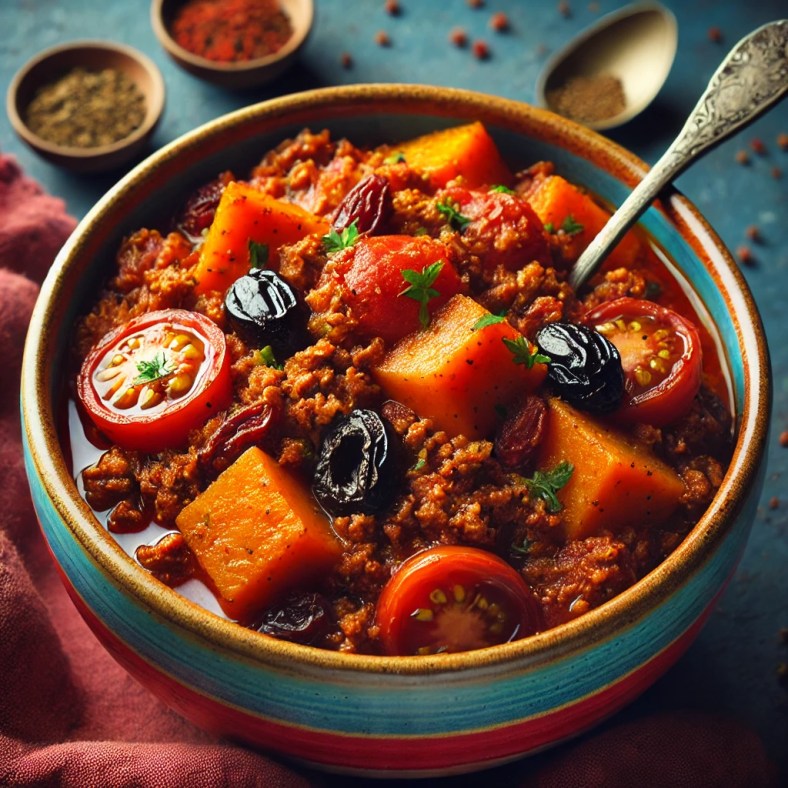
Worldwide Food Tour – France

A Classic of French Country Cooking

Poulet au Vinaigre (Chicken with Vinegar) is a rustic yet refined French dish, where chicken is braised in a tangy vinegar sauce that is balanced with shallots, garlic, tomatoes, and butter. Originally from the Lyonnais region, this dish exemplifies French country cooking, using simple, high-quality ingredients to create a dish that is both bold in flavor and elegantly balanced.

This dish is not as well-known as coq au vin or boeuf bourguignon, but it is a hidden gem in traditional French cuisine, perfect for those who love savory dishes with a touch of acidity and depth.


The History: A Classic of Lyonnais Cuisine

Poulet au Vinaigre is most closely associated with the Lyon region, often called the gastronomic heart of France. Traditionally, vinegar was used as a preservative and flavor enhancer, allowing chicken to be cooked slowly in a sauce that became deeply rich and complex over time.

This dish gained wider recognition thanks to Paul Bocuse, the legendary Lyonnais chef who championed traditional French bistro dishes while refining their techniques. Today, Poulet au Vinaigre remains a classic dish in many French homes and bistros, loved for its silky, glossy sauce and balanced flavors.


What is Poulet au Vinaigre?

At its core, Poulet au Vinaigre is a braised chicken dish, where chicken pieces are sautéed until golden brown, then simmered in a sauce of vinegar, shallots, and sometimes tomatoes or cream.

Essential Ingredients of Poulet au Vinaigre:

  • Chicken (Poulet): Traditionally, a whole chicken cut into pieces, but thighs or drumsticks work well.
  • Red or White Wine Vinegar: The key to the dish’s tangy, slightly sharp flavor.
  • Shallots & Garlic: Adds depth and sweetness.
  • Tomatoes (Optional): Some versions use chopped tomatoes for extra richness.
  • Butter: Softens the vinegar’s acidity and gives the sauce a silky texture.
  • Chicken Stock or White Wine: Helps deglaze the pan and build layers of flavor.
  • Cream (Optional): Some modern recipes add cream for extra richness.
  • Fresh Herbs (Tarragon or Thyme): For an aromatic finish.

The key to this dish is balancing the acidity of the vinegar with the richness of butter and chicken, creating a sauce that is velvety and full of character.


Tasting Notes: Tangy, Savory, and Buttery Smooth

A well-made Poulet au Vinaigre delivers a perfect contrast of flavors:

  • The chicken is tender and juicy, infused with the vinegar’s subtle tang.
  • The sauce is glossy and rich, with a deep savory backbone from shallots and stock.
  • The vinegar provides a mild acidity, enhancing rather than overpowering the dish.
  • Butter and wine round out the flavors, creating a luxurious finish.

This dish is comforting yet sophisticated, embodying the elegance of French bistro cooking.


How Poulet au Vinaigre is Served

Poulet au Vinaigre is traditionally served with simple, classic French sides that absorb the sauce beautifully.

Traditional Accompaniments:

  1. Crusty Baguette – Perfect for soaking up the flavorful sauce.
  2. Mashed Potatoes or Pommes Purée – Creamy potatoes balance the acidity of the dish.
  3. Rice or Buttered Noodles – Helps absorb the rich, velvety sauce.
  4. Steamed Haricots Verts (Green Beans) – A fresh, crisp contrast to the dish’s richness.

Some modern versions also serve it with roasted vegetables or simple sautéed mushrooms, adding depth to the meal.


Why Poulet au Vinaigre is a French Classic

Bold, Balanced FlavorsTangy vinegar, rich butter, and tender chicken create a beautifully complex dish.
Simple Yet Elegant – A perfect example of French bistro cooking, using few ingredients to create deep flavors.
Easy to Make at HomeOne-pan cooking, perfect for both weeknights and special occasions.
A Dish with HistoryLoved in Lyon and beyond, championed by French culinary legends.
Versatile & Customizable – Can be made with or without tomatoes and cream, allowing for different interpretations.

Whether enjoyed in a cozy French bistro or prepared in your own kitchen, Poulet au Vinaigre is a true expression of French culinary tradition—bold yet refined, simple yet extraordinary.

The Artist

If The Artist were a person, it would be that charming, slightly eccentric friend who’s always impeccably dressed and seems to have stepped out of a time machine just to make your life a bit more interesting. This is a film that dares you not to fall in love with it. Set in the late 1920s through the early 1930s, it’s a delightful homage to the silent film era, filled with all the drama, romance, and slapstick comedy that made those early flicks so captivating.

Jean Dujardin plays George Valentin, a silent movie star with a dazzling smile and a charismatic presence that could give Clark Gable a run for his money. But, alas, the arrival of talkies threatens to end his reign as the king of Hollywood. Enter Bérénice Bejo as Peppy Miller, a young dancer with a cute little beauty mark and dreams as big as her grin. She’s the face of the new Hollywood wave, and her star rises as George’s begins to wane. The chemistry between Dujardin and Bejo is electric—half the time, you’re grinning at their antics and the other half, you’re hoping they figure out their lives and just kiss already.

Director Michel Hazanavicius does something extraordinary with The Artist: he makes silence loud. In a world where we’re bombarded by constant noise, the lack of spoken dialogue in this film amplifies every gesture, every glance, every tap of a dance shoe. The music, oh, the music! It swoops in, filling the gaps, elevating the emotional stakes, and turning simple scenes into operatic moments. Ludovic Bource’s score is a character in its own right, narrating the highs and lows with such precision that you’d swear it’s whispering secrets about the characters directly into your ear.

Then there’s the dog. Uggie, the Jack Russell terrier, almost steals the show. Whether he’s saving his master from a burning film reel or doing a jaunty little dance, Uggie encapsulates the spirit of The Artist: playful, touching, and unapologetically entertaining.

What makes The Artist truly remarkable, though, is how it manages to speak volumes about the transition from silent films to talkies—a metaphor for any sort of change and the fear it brings. It’s both a love letter to a bygone era and a reminder that art, no matter the format, is timeless. The film tugs at your nostalgia with one hand and slaps you with a reality check with the other. It’s a silent film that loudly celebrates the joy of movies, reminding us why we fell in love with cinema in the first place.

By the time the credits roll, if you aren’t a little in love with George, Peppy, and yes, even Uggie, then maybe silent films—and charming eccentrics—are just not for you. But for everyone else, The Artist is a reminder that sometimes, the best way to say something meaningful is to just shut up and let the pictures do the talking.

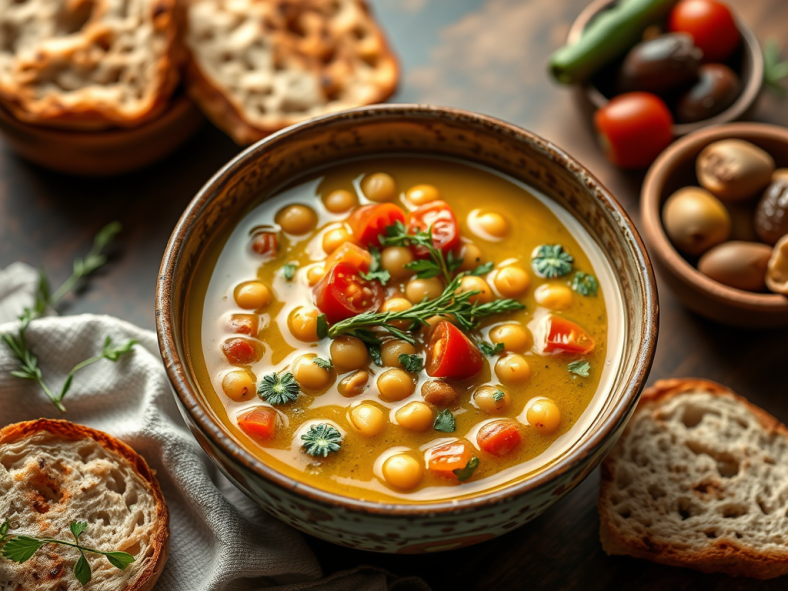
Worldwide Food Tour – Morocco

his soup is a fragrant blend of zucchini, chickpeas, tomatoes, and Moroccan spices, creating a dish that is both earthy and refreshing.

Essential Ingredients:

  • Zucchini: The star ingredient, giving the soup a soft texture and mild sweetness.
  • Chickpeas (Garbanzo Beans): Adds protein, creaminess, and a nutty depth.
  • Tomatoes: Provides acidity and richness to the broth.
  • Garlic & Onions: Classic Moroccan aromatics for flavorful depth.
  • Olive Oil: Enhances the richness of the soup.
  • Warm Moroccan Spices:
    • Cumin & Coriander: Earthy and warm.
    • Paprika: A touch of smokiness.
    • Turmeric: Adds color and a subtle bitterness.
    • Cinnamon (optional): A hint of Moroccan spice warmth.
  • Vegetable or Chicken Broth: For a light but flavorful base.
  • Fresh Herbs (Cilantro & Parsley): Brightens the dish with freshness.
  • Lemon Juice: Adds a final zing and balance to the flavors.

Tasting Notes: A Harmonious Blend of Earthy, Spiced, and Fresh Flavors

  • The zucchini softens beautifully, giving the soup a smooth, velvety texture.
  • The chickpeas add a hearty bite, making it filling without being heavy.
  • The warm Moroccan spices create a deep earthy and aromatic base.
  • The lemon juice and fresh herbs provide a bright contrast, balancing the warmth of the soup.

This soup is both soothing and invigorating, making it ideal as a light meal or an appetizer before a Moroccan feast.


How Moroccan Zucchini Chickpea Soup is Served

Traditional Serving Styles:

  1. With Warm Crusty Bread (Khobz) – A traditional Moroccan bread to scoop up the soup.
  2. With a Side of Olives & Dates – A common Moroccan pairing to balance flavors.
  3. With a Drizzle of Olive Oil & Extra Herbs – For added richness and freshness.
  4. With Harissa on the Side – If you like it spicy, a spoonful of harissa chili paste elevates the dish.

This soup is commonly enjoyed during Ramadan, as it is light yet nourishing—providing energy without being overly heavy.


Why Moroccan Zucchini Chickpea Soup is a Must-Try Dish

Healthy & Nourishing – Packed with fiber, protein, and vitamins from zucchini and chickpeas.
Rich in Moroccan Flavors – Uses signature Moroccan spices and herbs for deep flavor.
Light Yet Satisfying – A perfect balance of warmth and freshness.
Simple & Customizable – Can be made vegetarian or with chicken broth for extra richness.
Perfect for All Seasons – Enjoy it warm in winter or slightly chilled in summer.

From Moroccan home kitchens to North African cafés, this soup embodies the heart of Moroccan cookingwarm, inviting, and deeply satisfying.

Worldwide Food Tour – Saudia Arabia

Dish of Tradition and Celebration

Chicken Mashkool (مشكول الدجاج) is a beloved Saudi Arabian rice dish, featuring spiced, tender chicken served over fragrant, golden rice. It is similar to Kabsa or Mandi, with its distinctive blend of warm spices, slow-cooked meat, and aromatic rice, making it a staple dish for family gatherings and festive occasions.

While Mashkool is sometimes used interchangeably with Kabsa or Mandi, its defining characteristic is the way the chicken and rice absorb the spices separately yet harmonize beautifully when served together.


The History: A Staple of Arabian Peninsula Cuisine

Saudi Arabian cuisine is deeply influenced by Bedouin traditions, where dishes were designed to be nourishing, flavorful, and easy to cook in large quantities. Mashkool, like Kabsa and Mandi, evolved from these traditions, incorporating locally available spices, grains, and meats.

It is commonly enjoyed in homes, restaurants, and celebrations, served family-style on large platters, emphasizing the hospitality and generosity that is central to Saudi Arabian culture.


What is Chicken Mashkool?

Chicken Mashkool is a one-pot rice and chicken dish, where the chicken is cooked separately with spices, then served over flavored, golden rice. The dish gets its distinctive warm, aromatic essence from Middle Eastern spices like cardamom, cloves, cinnamon, and black lime (loomi).

Essential Ingredients of Chicken Mashkool:

For the Chicken:

  • Whole Chicken (or Chicken Pieces) – Bone-in for extra flavor.
  • Onions & Garlic – For depth and fragrance.
  • Tomatoes (Optional) – Some versions include tomatoes for richness.
  • Bay Leaves, Cardamom, Cloves, Cinnamon Stick – Key Arabian spices.
  • Black Lime (Loomi) – Adds a distinct citrusy depth.
  • Salt & Black Pepper – Basic seasoning.

For the Rice:

  • Basmati Rice – Long-grain rice, preferred for its fluffy texture and ability to absorb flavors.
  • Ghee or Butter – Adds richness to the rice.
  • Turmeric & Cumin – Give the rice its signature golden color and earthy taste.
  • Raisins & Almonds (Optional) – Often used for garnish.

Tasting Notes: Warm, Spiced, and Aromatic

  • The chicken is juicy, tender, and infused with deep spices.
  • The rice is golden, lightly spiced, and rich in flavor.
  • The black lime (loomi) provides a subtle citrusy tang, balancing the warm spices.
  • The dish is perfectly balanced—fragrant but not overpowering, hearty but not too heavy.

This dish is aromatic and flavorful yet comforting, making it a favorite across Saudi Arabia and the Gulf region.


How Chicken Mashkool is Served

Traditional Serving Styles:

  1. Family-Style on a Large Platter – Served in one big dish for communal eating.
  2. With Yogurt or Salata Hara – A refreshing yogurt-based dip or spicy tomato salsa balances the dish.
  3. With Nuts & Raisins Garnish – Toasted almonds, pine nuts, or golden raisins add extra texture.
  4. With Flatbread (Khubz) – Sometimes enjoyed with flatbread to scoop up the rice.

Chicken Mashkool is often paired with dates or sweetened tea, a common practice in Saudi hospitality.


Why Chicken Mashkool is a Saudi Favorite

Deep, Warm Flavors – A beautiful blend of spices and slow-cooked chicken.
Easy to Prepare & Serve – A one-pot meal, perfect for large gatherings.
Rooted in Tradition – A dish that reflects Saudi Arabian heritage and hospitality.
Versatile – Can be made with lamb, beef, or even seafood.
Balanced & SatisfyingNot too heavy, but rich enough for a fulfilling meal.

Whether enjoyed at a family dinner in Riyadh or a traditional feast in Jeddah, Chicken Mashkool is a true taste of Saudi Arabia.

Worldwide Food Tour – Germany

A Crispy, Chewy, and Golden-Brown Classic

The Bavarian Pretzel (Brezn) is one of Germany’s most famous baked goods, known for its deep brown, crispy crust, soft and chewy interior, and distinctive twisted shape. Often sprinkled with coarse salt and served with butter, mustard, or cheese dips, this iconic snack is a staple of Bavarian beer gardens, Oktoberfest celebrations, and bakeries across Germany.

More than just a snack, the Bavarian Pretzel is a symbol of Bavarian culture and hospitality, enjoyed alongside a stein of beer, traditional sausages, or as a quick breakfast treat.


The History: A Bavarian Tradition with Medieval Roots

The pretzel has a history dating back over 1,000 years, with origins linked to monasteries in Southern Germany and Austria. Legend has it that the distinctive pretzel shape represents arms crossed in prayer, making it a common symbol of good fortune and blessings.

In Bavaria, pretzels became a staple by the 12th century, when bakers perfected the lye-dipping technique that gives Bavarian pretzels their deep golden-brown crust and unique flavor. By the 19th century, Bavarian beer gardens popularized the pairing of freshly baked pretzels with beer, a combination that remains synonymous with Bavarian hospitality today.


What Makes a Bavarian Pretzel Unique?

Unlike soft American-style pretzels, Bavarian pretzels have a distinct texture and flavor:

  • Crispy, deep brown crust – Achieved by dipping the dough in lye (alkaline solution) before baking.
  • Soft, chewy interior – Slightly dense, with a hint of maltiness.
  • Mildly salty taste – Balanced with the sweet undertones of the dough.
  • Traditional pretzel shape – Thick arms, a thin twisted middle, and a wide rounded top.

Essential Ingredients of a Bavarian Pretzel:

  • Flour – Traditionally wheat flour for the perfect chew.
  • Water & Yeast – To create a light, airy dough.
  • Salt & Sugar – For flavor and balance.
  • Butter or Lard (Optional) – Some traditional recipes use a small amount of butter or lard for richness.
  • Lye Solution (Natronlauge) – The key to Bavarian pretzels’ signature crust and color.

Tasting Notes: Savory, Malty, and Irresistible

  • The crust is deeply golden-brown, crisp, and slightly glossy.
  • The inside is soft, chewy, and slightly malty, with just the right amount of saltiness.
  • The contrast between the crunchy exterior and soft center makes every bite satisfying.

The slight bitterness from the lye wash balances the natural sweetness of the dough, making Bavarian pretzels incredibly addictive.


How Bavarian Pretzels are Served

Bavarian pretzels are incredibly versatile and can be enjoyed on their own or with classic pairings.

Traditional Serving Styles:

  1. With Butter (Butterbrezn) – A classic Bavarian breakfast, where the pretzel is sliced and spread with soft butter.
  2. With Weißwurst & Sweet Mustard – The traditional pairing of Bavarian white sausages and mild sweet mustard.
  3. With Obatzda (Cheese Dip) – A rich, creamy cheese spread made with Camembert, butter, paprika, and onions.
  4. With Beer (at a Biergarten or Oktoberfest) – The ultimate Bavarian beer snack.
  5. With Radishes & Pickles – Often served as part of a Bavarian Brotzeit (snack platter).

Why Bavarian Pretzels are a German Classic

Iconic Bavarian SnackA must-try in every beer garden and bakery in Germany.
Perfect Balance of Texture & FlavorCrispy, chewy, salty, and slightly malty.
Versatile & Customizable – Can be enjoyed plain, buttered, or with traditional dips.
Deeply Rooted in Tradition – A symbol of Bavarian hospitality for centuries.
Pairs Perfectly with BeerThe best companion to a cold German lager.

From Munich’s Oktoberfest to home kitchens across the world, Bavarian pretzels remain one of Germany’s most beloved baked goods.

World Food Tour – Romania

A Traditional and Hearty Romanian Comfort Dish

Mămăligă cu Brânză în Pături is a layered Romanian dish made with creamy mămăligă (polenta), brânză (cheese), and smântână (sour cream). This dish is a comforting and filling staple in Romanian cuisine, often enjoyed as a main course or a rich side dish. The name “în pături” translates to “in blankets”, referring to the layers of cheese wrapped between soft polenta.

Mămăligă is one of Romania’s most traditional foods, deeply rooted in peasant cuisine, and this version elevates it into a decadent, cheesy delight that is both rustic and satisfying.


The History: A Dish of Rural Romanian Origins

Mămăligă has been a staple in Romanian and Moldovan kitchens for centuries, dating back to the 16th century, when corn (maize) was introduced from the Americas. Originally, mămăligă was a humble peasant dish, replacing wheat-based bread for many rural families.

Over time, mămăligă evolved into a versatile dish, often combined with local cheeses and dairy products to create richer, more satisfying meals. Mămăligă cu Brânză în Pături is a beloved variation that layers cheese between soft polenta, creating a dish that is both hearty and indulgent.

This dish is commonly served in Romanian households, restaurants, and even at traditional countryside feasts, often enjoyed with a glass of fresh milk or sour cream on the side.


What is Mămăligă cu Brânză în Pături?

This dish consists of layers of creamy, golden mămăligă (polenta), crumbled cheese, and thick sour cream, baked or assembled into a warm, cheesy casserole.

Essential Ingredients:

  • Cornmeal (Mălai): The base ingredient, cooked into a smooth, creamy polenta.
  • Brânză de Burduf or Feta Cheese: A salty, crumbly cheese used between the layers.
  • Smântână (Romanian Sour Cream): Adds richness and creaminess to the dish.
  • Eggs (Optional): Sometimes whisked into the mămăligă for a softer texture.
  • Butter: For extra richness and a silky mouthfeel.

Some variations include layers of ham, bacon (slănină), or even fried eggs on top for extra indulgence.


Tasting Notes: Creamy, Cheesy, and Comforting

Mămăligă cu Brânză în Pături is rich and satisfying, with a perfect balance of textures and flavors:

  • The mămăligă is smooth, buttery, and slightly sweet, providing a soft base.
  • The cheese is tangy and salty, cutting through the richness of the polenta.
  • The smântână adds a creamy, slightly sour contrast, enhancing every bite.
  • If bacon or eggs are added, they bring an extra layer of depth and texture.

This dish is both rustic and elegant, making it a favorite in traditional Romanian cuisine.


How Mămăligă cu Brânză în Pături is Served

This dish is traditionally served hot and fresh, often in a large baking dish or individual portions.

Traditional Serving Styles:

  1. Plain, with a dollop of sour cream – The classic way to enjoy it.
  2. With Fried Eggs & Bacon (Ciolan Afumat or Slănină) – A heartier, richer version.
  3. With Pickles or Fresh Tomatoes – For a refreshing contrast.
  4. With Garlic Sauce or Butter – To enhance the flavors even further.

Mămăligă cu Brânză în Pături is often paired with a glass of fresh milk, buttermilk, or even a dry white wine.


Why Mămăligă cu Brânză în Pături is a Romanian Favorite

Simple Yet Satisfying – Made with just a few ingredients, yet deeply flavorful.
Rich in Tradition – A dish with centuries of history in Romanian households.
Versatile & Customizable – Can be enjoyed as a side dish or a main course.
Warm & Comforting – The perfect meal for cold winter nights.
A Symbol of Romanian Hospitality – Often served at family gatherings and celebrations.

From cozy countryside kitchens to modern Romanian restaurants, Mămăligă cu Brânză în Pături remains a beloved comfort dish, bringing warmth and nostalgia with every bite.

Worldwide Food Tour – America

A Crispy, Melty, and Iconic Classic

Few dishes are as universally loved and comforting as the American grilled cheese sandwich. This simple yet irresistible combination of crispy, buttery bread and gooey, melted cheese is a staple in homes, diners, and lunch counters across the United States.

Whether served plain, with tomato soup, or loaded with extras like bacon and caramelized onions, grilled cheese is the ultimate American comfort food—easy to make, endlessly customizable, and deeply satisfying.


The History: A Sandwich with Humble Beginnings

The origins of grilled cheese date back to the 1920s, when sliced bread and processed cheese became widely available in the U.S. During the Great Depression, the sandwich became popular because it was affordable, filling, and easy to prepare.

By World War II, U.S. Navy cooks were serving open-faced cheese sandwiches to soldiers, which evolved into the closed, pan-fried version we know today. Over the decades, grilled cheese became a nostalgic American favorite, appearing in cafeterias, diners, and homes nationwide.


What Makes an American Grilled Cheese Special?

An authentic American grilled cheese is all about the perfect balance of crispy bread and gooey melted cheese.

Essential Ingredients of a Classic Grilled Cheese:

  • Bread: Classic choices include white bread, sourdough, or Texas toast.
  • Cheese: The most iconic choice is American cheese, but cheddar, Swiss, provolone, or Monterey Jack are also popular.
  • Butter or Mayo: Butter is traditional, but mayonnaise is sometimes used for an extra crispy exterior.

Optional Additions:

  • Bacon, Ham, or Turkey – For a heartier sandwich.
  • Tomatoes or Avocado – Adds freshness.
  • Caramelized Onions or Jalapeños – For extra flavor.
  • Mustard or Hot Sauce – A tangy kick.

Tasting Notes: Crispy, Buttery, and Ultra-Melty

A perfectly made grilled cheese sandwich is crispy on the outside and gooey on the inside:

  • The bread is golden brown and crunchy, with a satisfying crisp when bitten into.
  • The cheese is perfectly melted, smooth, and stretchy, creating a rich, indulgent texture.
  • The butter (or mayo) adds a subtle richness, complementing the sharp or mild cheese.

Grilled cheese is a nostalgic bite of childhood for many Americans, bringing warmth and comfort with every bite.


How Grilled Cheese is Served

Classic Serving Styles:

  1. With Tomato Soup – The ultimate pairing, perfect for dipping.
  2. With Pickles or Chips – A crunchy contrast to the sandwich’s richness.
  3. With a Side Salad – A fresh counterbalance to the cheesy goodness.
  4. As a Gourmet Version – Using artisan bread, gourmet cheeses, and fancy add-ins.

Why Grilled Cheese is an American Favorite

Crispy, Melty, and ButteryThe perfect balance of textures and flavors.
Easy to MakeJust three ingredients for a classic version.
Customizable – Can be simple or gourmet, depending on preferences.
Rooted in American History – A Great Depression-era staple that remains beloved today.
Perfect for Any Occasion – Great for quick meals, late-night cravings, or cozy weekends.

From home kitchens to high-end restaurants, grilled cheese remains an American icon—a simple, timeless sandwich that brings joy with every bite.

Worldwide Food Tour – Zambia

A Crispy, Golden Treat from Zambian Cuisine

Sweet Potato Fritters are a beloved snack and street food in Zambia, made from grated or mashed sweet potatoes, lightly spiced, and deep-fried until golden brown. These fritters are crispy on the outside, soft on the inside, and naturally sweet, making them perfect for breakfast, a midday snack, or a dessert.

In Zambia, sweet potatoes are a widely available and nutritious staple, and these fritters are a delicious way to enjoy them, often served with tea, honey, or a sprinkle of sugar.


The History: A Dish Rooted in Zambian Traditions

Sweet potatoes have been grown in Zambia for centuries, providing an affordable and nutritious source of energy. Traditionally, they are boiled, roasted, or fried, but sweet potato fritters have become a popular way to enjoy them, especially in rural communities and local markets.

These fritters are similar to vitumbuwa (Zambian fried dough balls) but with a natural sweetness from the potatoes. They are commonly sold by street vendors and made at home for family gatherings, celebrations, or as an after-school snack for children.


What are Zambian Sweet Potato Fritters?

These fritters are deep-fried, crispy sweet potato bites, made by combining mashed or grated sweet potatoes with flour and eggs, then frying them until golden brown.

Essential Ingredients:

  • Sweet Potatoes: The star ingredient, giving the fritters a naturally sweet flavor.
  • Flour: Helps bind the mixture together.
  • Eggs: Adds richness and structure.
  • Sugar (Optional): Enhances the natural sweetness.
  • Cinnamon or Nutmeg (Optional): Adds a warm, spiced flavor.
  • Baking Powder: Makes the fritters light and fluffy.
  • Oil: For deep-frying, creating a crispy exterior.

Some variations include grated coconut, vanilla extract, or mashed bananas for extra flavor.


Tasting Notes: Sweet, Crispy, and Comforting

Zambian sweet potato fritters are light, fluffy, and slightly crispy, with a naturally sweet and mildly spiced flavor.

  • The outside is golden brown and crunchy, giving way to a soft, tender interior.
  • The sweet potatoes provide a rich, natural sweetness, complemented by the warmth of cinnamon or nutmeg.
  • They can be eaten plain or drizzled with honey, sugar, or served with a side of tea.

These fritters are comforting, nostalgic, and perfect for satisfying a sweet craving.


How Sweet Potato Fritters are Served in Zambia

Traditional Serving Styles:

  1. Plain, with a Dusting of Sugar – The classic way to enjoy them.
  2. With Honey or Syrup – A sweeter version, perfect for breakfast.
  3. With Tea or Coffee – A common pairing in Zambian homes.
  4. With Fresh Fruits or Yogurt – A modern take for a healthier option.
  5. As a Street Food Snack – Sold in markets and roadside stalls.

Why Sweet Potato Fritters are a Zambian Favorite

Simple, Affordable, and Delicious – Uses basic, local ingredients.
Naturally Sweet and Nutritious – Packed with vitamins, fiber, and energy.
Crispy and Fluffy – The perfect contrast of textures.
Versatile & Customizable – Can be plain, spiced, or even savory.
A Traditional & Nostalgic Treat – A snack loved by families across generations.

From family kitchens to bustling markets, Zambian sweet potato fritters remain a beloved dish, bringing warmth and joy with every bite.

Everything Everywhere All At Once

If Everything Everywhere All at Once were a person, it would be the most chaotic, over-caffeinated, emotionally unstable, and absurdly wise friend you have—the one who somehow makes you laugh, cry, and question the meaning of life in the span of a single conversation. This movie isn’t just a film; it’s a full-body experience. It grabs you by the collar, hurls you through the multiverse at breakneck speed, and somehow, by the end, makes you believe in the power of googly eyes and a well-placed hug.

At the heart of this madness is Michelle Yeoh, who plays Evelyn Wang, a middle-aged laundromat owner drowning in tax problems, an unraveling marriage, an increasingly distant daughter, and, oh yeah, an unexpected multiversal war where she’s the universe’s last hope. So, you know, a normal Tuesday. Yeoh is a revelation—switching from exhausted immigrant mother to kung-fu master to hot-dog-fingered romantic to literally a rock, all while making you feel every ounce of her existential crisis. It’s like watching an entire lifetime of performances crammed into one movie, and she absolutely owns every second.

And then there’s Ke Huy Quan, who storms back into Hollywood like he never left, delivering one of the most heartbreakingly pure performances as Waymond, Evelyn’s kind, soft-spoken husband who turns out to be the most quietly profound character in the entire film. One minute he’s bumbling with fanny-pack dad energy, the next he’s slicing through goons with said fanny pack, and then, just when you think you have him figured out, he drops the monologue about kindness that shatters your soul into a million pieces. This is the kind of performance that makes you want to hug every nice person you’ve ever met.

And then there’s Stephanie Hsu as Joy/Jobu Tupaki, who, honestly, might be one of the most hilariously terrifying antagonists ever put to screen. She’s nihilism in a glittering Elvis suit, flipping between existential despair and chaotic slapstick, and somehow, amidst all the ridiculousness, she delivers a gut-punch performance about generational trauma, identity, and the all-consuming fear of never being enough. If you thought your mom made you feel guilty, imagine if she could literally fight you across infinite universes.

But let’s talk about how this movie does what it does. The Daniels (Daniel Kwan and Daniel Scheinert) direct this film like two absolute lunatics who somehow got their hands on an A24 budget and decided to use it to make the most emotionally resonant fever dream imaginable. The editing is on another level—flipping between universes, tones, and aspect ratios like it’s no big deal. One moment it’s a high-stakes kung-fu battle, the next it’s a heartfelt conversation between two literal rocks, and somehow, both scenes hit just as hard.

And the action? Gloriously absurd. You will never see another movie where a butt-plug-fueled martial arts battle exists in the same space as an Oscar-worthy meditation on love and acceptance. The fight choreography is top-tier—equal parts Jackie Chan homage and absurdist comedy—because why shouldn’t a fight scene involve a guy using a keyboard like nunchucks?

And let’s not forget the emotional core of it all. Because underneath the hot-dog fingers, the raccoon puppeteering (yes, Raccacoonie is real and magnificent), and the existential bagel of doom, this is a story about a mother and a daughter, about learning to choose love and kindness even when life is messy and incomprehensible. It’s about the small, quiet moments that make existence meaningful—even if you are just a rock on a hill.

By the time the credits roll, you’re left feeling emotionally drained in the best way possible. Everything Everywhere All at Once is absurd, heartfelt, hilarious, existential, and genuinely one of the most original films ever made. It’s a love letter to chaos, to immigrant families, to kindness, and to the fact that sometimes, the only way to fight existential dread is to put googly eyes on everything.

Worldwide Food Tour – Cuba

If there is one dish that embodies the soul of Cuban home cooking, it’s Picadillo. This hearty, flavorful ground beef stew is a staple of Cuban cuisine, found in homes, cafeterias, and family gatherings across the island. With its perfect balance of savory and sweet flavors, Picadillo is a dish that reflects Cuba’s rich culinary history, blending Spanish, African, and Caribbean influences into a comforting, satisfying meal.

Picadillo is more than just a beef stew—it’s an essential part of Cuban identity, a meal that every Cuban family has their own version of, passed down through generations. Often served with white rice, black beans, and fried plantains (plátanos maduros), Picadillo is simple, affordable, and deeply comforting.


The History: A Spanish Dish with Caribbean Flair

The origins of Picadillo trace back to Spain, where a similar minced meat dish was prepared with tomatoes, garlic, and spices. When Spanish colonists brought the recipe to Cuba, local ingredients such as olives, raisins, and capers were added, creating the signature Cuban Picadillo we know today.

The name “Picadillo” comes from the Spanish word “picar”, meaning “to chop” or “mince,” referring to the finely ground or chopped beef that forms the base of the dish.

Over time, Cuba’s African and Caribbean culinary influences added further depth to Picadillo. The addition of sweet raisins alongside briny green olives and capers reflects the Caribbean’s love of combining sweet and salty flavors—a hallmark of Cuban cuisine.

Today, Picadillo is a beloved comfort food across Latin America, with regional variations found in Puerto Rico, the Dominican Republic, the Philippines, and Mexico. However, Cuban Picadillo remains distinct for its unique mix of spices, olives, and raisins, creating a rich, sweet-savory depth that sets it apart.


What is Cuban Picadillo?

At its core, Cuban Picadillo is a savory ground beef stew, simmered with a fragrant mix of tomatoes, onions, garlic, bell peppers, olives, capers, and raisins.

Essential Ingredients of Cuban Picadillo:

  • Ground Beef (Carne Molida): The base of the dish, traditionally 85/15 ground beef, offering the perfect balance of richness and texture.
  • Tomatoes & Tomato Sauce: Provides a slightly acidic, umami-packed base for the sauce.
  • Onion, Garlic, & Bell Peppers (Sofrito): The Cuban “holy trinity” of flavors, forming the aromatic backbone of the dish.
  • Olives & Capers: Add a briny, salty punch that contrasts beautifully with the sweetness of the dish.
  • Raisins: A key ingredient that gives Cuban Picadillo its signature sweet element, balancing the acidity and saltiness.
  • Cumin & Oregano: Traditional Cuban spices that infuse warmth and depth into the stew.
  • Bay Leaf: Adds a subtle, earthy aroma.
  • White Wine or Vinegar: A small splash enhances the flavors and adds brightness.

Some variations of Picadillo also include potatoes, carrots, or even a splash of rum to deepen the dish’s complexity.


Tasting Notes: The Perfect Harmony of Sweet, Salty, and Savory

Picadillo is a dish of contrasts and balance, where each bite delivers a rich, meaty texture with bursts of sweetness and brininess.

  • The ground beef is tender and juicy, absorbing the flavors of the aromatic tomato-based sauce.
  • The raisins provide subtle sweetness, softening the dish’s boldness.
  • The olives and capers bring a sharp, salty bite, cutting through the richness.
  • The soffrito (onions, garlic, and peppers) creates a deep, fragrant foundation that ties everything together.
  • When served with fluffy white rice, it soaks up the sauce beautifully, making each bite deeply satisfying.

How Cuban Picadillo is Served

Picadillo is versatile and can be enjoyed in many ways:

1. Classic Plate: With Rice and Black Beans

  • Traditionally served with white rice (arroz blanco) and black beans (frijoles negros).
  • Often accompanied by sweet plantains (maduros) or fried yuca.

2. Picadillo-Stuffed Empanadas or Papas Rellenas

  • Used as a filling for empanadas (Cuban turnovers).
  • Stuffed inside papas rellenas, Cuban-style fried mashed potato balls filled with picadillo.

3. Tacos or Tostones Rellenos

  • Some modern adaptations serve Picadillo inside taco shells or as a topping for crispy fried plantains (tostones rellenos).

4. With a Fried Egg on Top

  • In some Cuban households, Picadillo is served with a fried egg on top, adding extra richness.

No matter how it’s served, Picadillo is a dish that feels like home, bringing warmth and nostalgia with every bite.


Beyond Cuba: Picadillo’s Global Variations

While Cuban Picadillo is unique for its olives, capers, and raisins, many countries have their own versions:

  • Puerto Rico: Includes sofrito, potatoes, and sometimes ham for extra smokiness.
  • Dominican Republic: Similar to the Cuban version but often spicier.
  • Mexico: Sometimes includes chipotle or chili peppers for a smoky heat.
  • Philippines: A completely different take, made with ground pork, carrots, potatoes, and soy sauce.

Despite these variations, Cuban Picadillo stands out for its perfect balance of sweet and salty flavors, making it one of the most comforting and distinctive versions.


Why Picadillo is the Ultimate Cuban Comfort Food

Rich in Flavor – The perfect combination of savory, sweet, and briny flavors.
Affordable & Easy to Make – Uses simple, pantry-friendly ingredients.
Versatile – Can be eaten on its own, over rice, in empanadas, or stuffed into vegetables.
Deeply Rooted in Cuban Culture – A dish that has been passed down for generations.

Whether you’ve had Picadillo before or are trying it for the first time, this dish captures the essence of Cuban home cooking—bold, balanced, and full of heart.