The Obstacle is the Way – Ryan Holliday

“The Obstacle Is the Way” by Ryan Holiday is a modern interpretation of Stoic philosophy, particularly focusing on how to overcome challenges and turn them into opportunities. The book draws heavily from the teachings of ancient Stoic philosophers like Marcus Aurelius, Epictetus, and Seneca.

Key points of the book include:

  1. Perception: How we view obstacles is crucial. By reframing challenges as opportunities for growth and learning, we can approach them more effectively.
  2. Action: Taking deliberate, persistent action is essential. The book emphasizes the importance of focus, creativity, and perseverance in tackling obstacles.
  3. Will: Developing inner resilience and discipline allows us to endure difficulties and maintain perspective in the face of adversity.

The underlying Stoic philosophy emphasizes virtues such as wisdom, justice, courage, and self-control. It teaches that while we cannot control external events, we can control our reactions to them. This philosophy advocates for emotional regulation, rational thinking, and focusing on what is within our power to change.

In today’s society, these methods are particularly relevant due to:

  1. Information overload and constant distractions, which make the Stoic emphasis on focus and prioritization valuable.
  2. Increasing uncertainty in various aspects of life (economic, political, environmental), where the Stoic approach of accepting what we cannot control can reduce anxiety.
  3. A culture of instant gratification, contrasting with the Stoic emphasis on long-term thinking and delayed gratification.
  4. The prevalence of victim mentality, which Stoicism counters by promoting personal responsibility and proactive problem-solving.
  5. High stress levels in modern life, where Stoic practices of mindfulness and emotional regulation can be beneficial.

By applying these principles, individuals can develop greater resilience, clarity of purpose, and effectiveness in navigating the complexities of modern life.

Having already been a student of stoic philosophy this book was treading over well worn ground but I appreciated what he we trying to do here. I found the tone a bit much – I get the target audience he was trying to reach here but it wasn’t too overbearing. There were some insights I found useful as reminders of stoic approaches that perhaps I hadn’t been using yet.

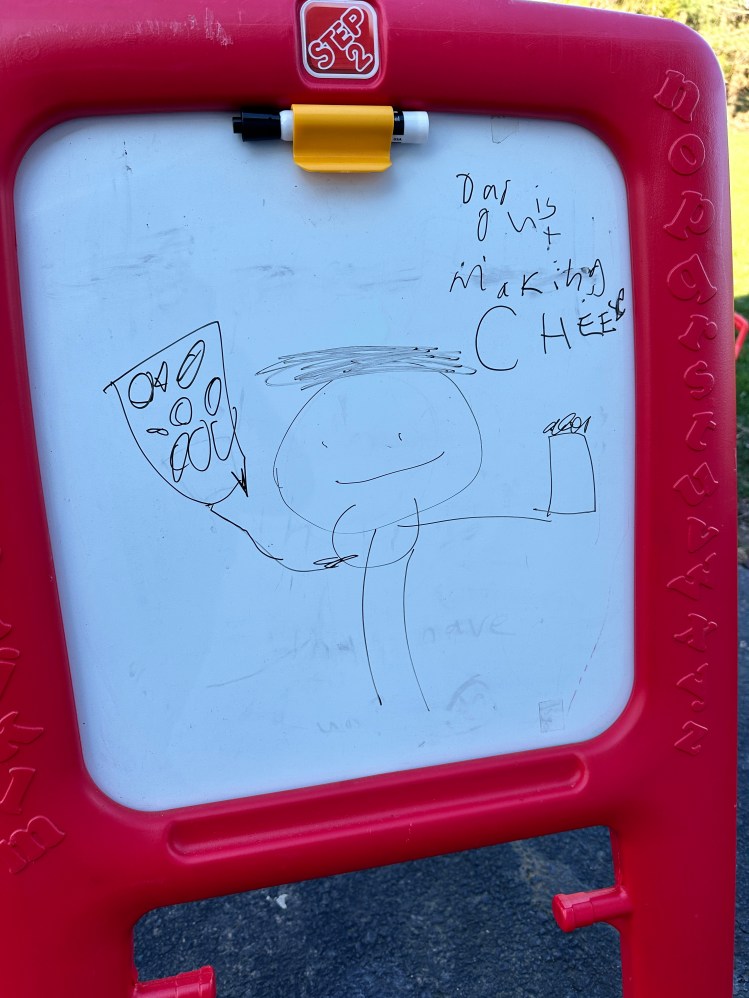
One of the things he focuses on is accepting what we cannot control – something that I feel very strongly about. Here’s a quick graphic showing the concept:

As you can see – there are things you can control which is where you should spend most of your mental and emotional energy – after all they are things you can resolve directly. The things you can influence are important (outside of a true leadership or political role) for a small group (in my case my children) where I want to spend the time to influence them but I don’t control them. All the things in the circle of concern? It’s fine to understand them but since you can’t control or influence them spending a lot of time and anxiety worrying about them is a colossal waste of time. I’m not saying you shouldn’t give to a worthy cause or work to improve the world but if the efforts don’t fall in the first two rings – is it a good use of your time?
NY Pizza (Brian Langerstrom Version)

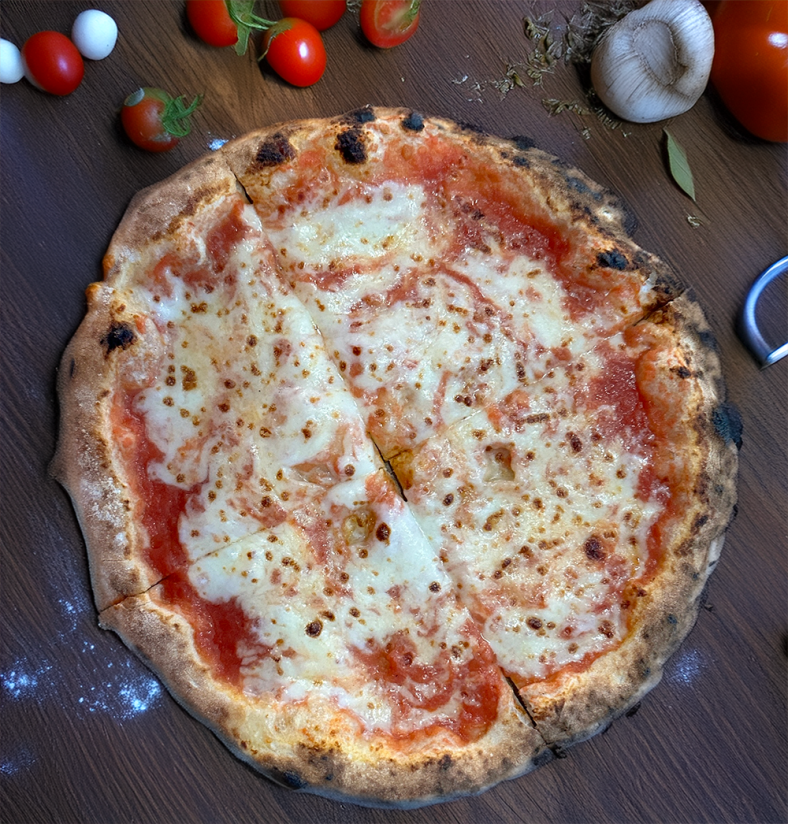
In my never ending quest to perfect a NY pie I sometimes try popular Youtube / Instagram recipes that have gone viral in order to test them against my standard Pie (Tony Gemingnani NY pizza dough). This pizza dough wasn’t too finicky and was easy to open but I found the flavor lacking – the dough just didn’t have the flavor I expect with a NY pie. It might have been the flour I used or some other step in the process but the tried and true dough I use for NY pie is a rock star and it will be hard to top it (Always open to trying!)

The sauce wasn’t very tangy and the flavors were muddled (I used good tomatoes) – sticking to just milled tomatoes is hard to beat – I know it’s missing.. something.. and one day I’ll find it.

Overall, a respectable entry but not enough to move my standard NY Pie formula off it’s perch as #1

Tribe Called Quest – Low End Theory

Low End Theory by A Tribe Called Quest is a hip-hop classic that dropped in 1991, blending jazz samples with boom-bap beats to create a smooth, innovative sound. The album’s production, largely handled by Q-Tip, set a new standard in hip-hop, showcasing how jazz and rap could mesh seamlessly.

This album is crucial because it helped define the sound of alternative and jazz rap in the ’90s. It influenced countless artists and producers, showing how hip-hop could be both intellectually engaging and sonically adventurous. The album’s focus on live instrumentation and complex lyricism pushed the genre forward, cementing A Tribe Called Quest’s place in hip-hop history.

Three standout tracks:

  1. “Scenario” – This posse cut features Leaders of the New School (including a young Busta Rhymes) and is known for its high-energy beats and memorable verses. It’s a perfect closer for the album.
  2. “Check the Rhime” – With its catchy hooks and back-and-forth flow between Q-Tip and Phife Dawg, this track exemplifies the group’s chemistry and clever wordplay.
  3. “Jazz (We’ve Got)” – This track embodies the album’s jazz-rap fusion, with its smooth saxophone samples and laid-back flow, showcasing the group’s musical innovation.

I liked this album – it is lyrically dense and the grooves are really tight – I didn’t get a chance to listen to TCQ when I was a kid as I was transitioning to grunge and industrial in the early 90’s – away from my hip hop roots.

What this album makes me think/feel: It has that early 90’s authenticity. You can tell just from the sounds of the album that it’s a product of the 90’s and it makes me think of rolling down the strip in Seaside Heights with the bass pumping on the way to the sawmill for 2.50 slices.

(Post was AI assisted)

Worldwide Food Tour: Costa Rica

This weekend we visited lovely Costa Rica! Galo pinto – the national dish of Costa Rica is a very tasty rice and beans dish with a side of twice fried plantains (pantacones), and a big slice of pan de elote – sweetened cornbread made from fresh corn. Overall a flavorful combination of Latin American flavors that was so good it’s likely to make the standard rotation of foods!

Meditations

“Meditations” is a collection of personal reflections and philosophical thoughts written by Marcus Aurelius, Roman Emperor from 161 to 180 AD. Known as the last of the “Five Good Emperors,” Marcus Aurelius was a Stoic philosopher who wrote extensively on how to live a life of virtue, resilience, and rationality amidst the challenges of ruling an empire. His writings, originally intended for his own guidance and self-improvement, offer timeless wisdom on ethics, self-discipline, and the pursuit of inner peace. The book is a testament to Aurelius’ commitment to Stoic principles and serves as a practical guide for navigating life’s complexities with wisdom and integrity.

Key Observations from “Meditations”:

  • Stoic Virtues: Emphasizes virtues such as wisdom, justice, courage, and moderation as essential for personal and ethical living.
  • Acceptance of Nature: Advocates accepting events beyond one’s control and focusing on how one responds to them.
  • Inner Harmony: Encourages cultivating inner tranquility and maintaining equanimity in the face of adversity.
  • Memento Mori: Reflects on the transient nature of life and the inevitability of death as a reminder to live with purpose and virtue.
  • Self-Reflection: Promotes introspection and self-awareness as tools for personal growth and moral development.
  • Duty and Service: Discusses the responsibilities of leadership and the importance of serving others with humility and compassion.
  • Universal Kinship: Explores the idea of humanity’s interconnectedness and the importance of treating others with kindness and empathy.

“Meditations” offers readers profound insights into Stoic philosophy and remains a classic work that continues to inspire individuals seeking wisdom and guidance in their personal and professional lives.

(summary created with the help of AI)

Important excerpts from the book:

  1. Book 2, Section 1: “Begin each day by telling yourself: Today I shall be meeting with interference, ingratitude, insolence, disloyalty, ill-will, and selfishness…”
  1. Book 2, Section 17: “Do not act as if you had ten thousand years to throw away. Death stands at your elbow. Be good for something while you live and it is in your power.”
  2. Book 4, Section 3: “Objective judgment, now, at this very moment. Unselfish action, now, at this very moment. Willing acceptance—now, at this very moment—of all external events.”
  3. Book 4, Section 49: “Waste no more time arguing what a good man should be. Be one.”
  4. Book 5, Section 16: “The impediment to action advances action. What stands in the way becomes the way.”
  5. Book 6, Section 30: “Do not disturb yourself by picturing your life as a whole; do not assemble in your mind the many and varied troubles which have come to you in the past and will come again in the future…”
  6. Book 7, Section 2: “You have power over your mind—not outside events. Realize this, and you will find strength.”
  7. Book 8, Section 7: “Do not indulge in dreams of having what you have not, but reckon up the chief of the blessings you do possess, and then thankfully remember how you would crave for them if they were not yours.”
  8. Book 9, Section 6: “The happiness of your life depends upon the quality of your thoughts.”
  9. Book 12, Section 1: “Begin the morning by saying to yourself, I shall meet with the busybody, the ungrateful, arrogant, deceitful, envious, unsocial. All these things happen to them by reason of their ignorance of what is good and evil.”

I have a special spot in my heart for this book. In my late teens (or perhaps early 20’s) I was struggling a lot and really wasn’t sure where my job was life were going and was feeling kind of listless. My mom bought me a ‘book of the month’ club (yes, I am that old) for a Christmas gift and a few months in, a slim volume called ‘meditations of Marcus Aurelius’ arrived. I was very curious as I’m a big fan of the Roman empire (yes, the rumors are true – I think of the Roman empire often!) so I cracked it open and ended up reading the entire thing in one shot. It was my first exposure to the philosophy of stoicism and it spoke to me in a way that nothing else had up to that point. I can 100% say this random book arriving was a pivot point in my life. It taught me that I alone am in control of my life and that the struggle to control things outside of my purview was a waste of my time. It taught me to calmly handle people who seek to upset me and to take control of a life that is ephemeral.

I still utilize Marcus Aurelius’ teaching to this day and strive to live a stoic life in the face of a very stressful world. I also want to leave by quoting my absolute favorite line in the entire book “The measure of a man is the worth of the things he cares about” I think about that often and strive to be a person who thinks about making the world better.

Pizza with vodka sauce

This one is pretty standard pizzeria fare but one that I haven’t tried before. I cooked up some vodka sauce, used a standard NY pizza dough, finished with dry and fresh mozzarella and a dusting of Sicilian oregano. It was actually really good – the only note I have is the sauce has a ton of cream and cheese in it so next time use a light hand on the cheese to ensure it doesn’t get too heavy.

Measure What Matters

“Measure What Matters” by John Doerr is a compelling guide to the use of Objectives and Key Results (OKRs), a goal-setting system pioneered at Intel and later adopted by companies like Google and Amazon. Doerr demonstrates through numerous case studies and personal anecdotes how OKRs can drive alignment, focus, and accountability within organizations of any size or industry. The book emphasizes the importance of setting ambitious yet achievable objectives and measurable key results to track progress and drive innovation. Doerr argues that OKRs not only improve organizational performance but also foster transparency and empower employees to prioritize their work effectively.

Key Ideas:

  • OKRs (Objectives and Key Results): A goal-setting system that helps organizations define and track objectives along with measurable outcomes.
  • Ambitious Goals: Encouraging teams to set ambitious objectives that push boundaries and inspire innovation.
  • Transparency and Accountability: OKRs promote transparency by making goals visible to the entire organization, fostering accountability at all levels.
  • Continuous Improvement: The iterative nature of OKRs allows for ongoing adjustments and improvements based on real-time data and feedback.
  • Alignment: OKRs align teams and individuals towards common goals, ensuring that everyone is working towards the same objectives.
  • Focus and Prioritization: By setting clear priorities and focusing efforts on key results, OKRs help teams avoid distractions and achieve meaningful outcomes.
  • Cascading OKRs: The process of cascading OKRs from top-level objectives down to individual goals ensures alignment and coherence across the organization.
  • Learning from Failure: Embracing failures as opportunities for learning and growth, integral to the OKR process.
  • Examples and Case Studies: Doerr provides numerous examples from companies like Google, Intel, and others to illustrate the successful implementation and impact of OKRs.

“Measure What Matters” serves as a practical guide for leaders and managers looking to implement a structured and effective goal-setting framework that drives organizational success and fosters a culture of continuous improvement.

(summary created with the aid of AI)

I read the book at the recommendation of the training lead for the OKR class I took when I became a product owner. The class was interesting and using OKR to help set goals seemed like a nice transparent way to ensure that my team and I were aligned with our corporate OKR goals. Doerr went into great detail in this book with a lot of real world examples of OKR in use. While the theories were all sound I found trying to implement them to align with top level OKR was a struggle – but using the ideas in the book I pivoted and just set OKR for my team based on how I interpreted the higher level OKR – setting aggressive goals and reachable milestones that the whole team can work together to achieve.

I think it’s a bit early to determine the success rate of using this system, especially as the team hasn’t fully embraced them yet (it’s a learning process) – and I find I have to frequently refer back to the book to ensure we’re doing the work correctly. However, since the company I work for is all in on OKR I think I’m going to revisit it with my team as we have a few new people and that’s the perfect time to try to implement something new!

I think this book is a great introduction to objectives and key results and if you manage a team and are struggling to align your goals to your company’s strategies this might be a great way to break that roadblock. I recommend it for any leaders who are looking for a system to set goals that isn’t too laborious or punitive.

Spanish Tapas Pizza

This idea came from one of the many pizza cookbooks I own (I have a problem) – I tinkered with it a bit but the essentials are thin crust with spicy tomato sauce, chorizo, chunks of fresh mozzarella, and finished with a healthy grating of manchego. It really came together nice – the super thin chorizo I got from the deli crisped up nice and the manchego cheese added a nutty finish that really paired with the spicy pizza. Fired in the Ooni at 750.

I liked this combo – the flavors melded well – I think a good variation would be to replace the chorizo next time with jamon iberico added after the firing (no sense killing the delicate taste by cooking it!)

Making Fresh Mozzarella

I’ve tried making fresh mozzarella before but never really had much success. Since pizza making is kind of my thing I really wanted to learn so I could make the cheese fresh and top my pizzas with it. I did some research and found a local dairy farm that had cheese making classes and immediately signed up.

I rolled up on a warm April morning and waved to the cows thanking them for their contribution to the world of cheese – they didn’t wave back but I know they herd.  This class included fresh mozzarella as well as burrata – so… bonus cheese! The only drawback to that was they started with pressed curds as opposed to milk due to the time constraints. However – that being said the basic concept is the same (and I’ve made the curd before so it’s not that hard to make and you can buy it in 10lb bags that freeze really well).

The first step is to break the curds up into small crumbles in a large stainless steel bowl.   Once that is completed pour hot (under 170 degrees) water on top of the curds and wait a few minutes to let the hot water do it’s work. Put on a couple of pairs of plastic gloves (the water is really hot) and pull all the curds into a rough ball of cheese. Take this ball of cheese then stretch it out as much as you can then sprinkle it with some kosher salt fold it over itself, rotate, and repeat. Do this 5 or 6 times and you should have the makings of a ball of fresh mozzarella. If you can’t get it to seal right you can always pour some more hot water on the sides of the bowl and press the cheese against it to help seal the ball shut.

Take a deli takeout container and fill it with water – add a little more salt (to taste) and submerge the cheese in the water. If you are going to use it the same day leave it out to cool in the water. If you aren’t going to eat it that day you can put it in the fridge until you need it (make sure to change the water out daily to help keep it fresh)

For burrata you take some of the curds you broke up into small bits and mix them with heavy cream in a separate bowl. Once you stretch the cheese into a ball pull the edges of the ball to make a flat cheese square. Form a pocket in your hand and cup the cheese square in it – once that’s done fill it with the cream/curd mixture. Carefully fold up the edges of the cheese to cover the curds and seal the edges (using hot water on the steel bowl trick if it doesn’t seal correctly). Store it in the same deli container with salted water.

Overall I found the class very instructive and being able to stretch the cheese myself and understand how it’s supposed to look was the missing key for me. Last few times It tried it the cheese just didn’t stretch and I suspect it was the heat of the water wasn’t high enough. I haven’t tried to replicate at home yet but I’m eying a 10 pound Grande cheese bag of mozzarella curds that would make a LOT of cheese.

30 Year old scotch

Like Ron says – I love scotch. I rarely drink anything else and have developed quite a taste for it. That being said – I’m not one of those scotch snobs who waves the glass around talking about tasting notes in an affected tone of voice. However – I can taste the difference of scotches based on the region and sometimes even the maker (Macallan is my favorite) and have in the past done tastings of 20 and 25 year old scotch (notably in Vegas on the rooftop bar of the Rio – that was a good time) so I have a baseline of what good aged scotch tastes like.

I’ve always wanted to try a 30 year scotch – I’ve never pulled the trigger over the years due to the cost and the uncertainty (is this REALLY 30 year scotch?) so I knew I’d have to go to a reputable scotch bar in order to ensure I’m getting what I paid for. I did some research and found a really sophisticated scotch bar in the village in NYC called ‘The brandy library’. When I walked in I realized it was called that because it has library shelves all along the walls but instead of books they were bottles of scotch, bourbon, brandy, and other spirits. We had our own table and scotch expert to help us out. I explained I’m looking for a 30 year scotch with a preference for Speyside whiskeys but could be convinced to go Islay if he thinks there’s a 30 year worth it (the smokiness might be a bit much)

After some back and forth and explaining that as much as I’d love to have a Macallan 30 – I’m not about to drop $1,000 for a dram of it we settled on a highly rated 30 year from a distillery called Benriach which he said won some awards and punches way above it’s price.

Here’s what the tasting notes he gave me were:

COLOR:Mahogany

NOSE: Stewed plum, baked orange, smoked walnut and cinnamon cocoa

PALATE: Dark fruit, manuka honey and chocolate raisin, with a long and complex smoked honey finish

SMOKE LEVEL: Complex

He gave me a small sample (I love this place – letting me have a sip to see if it’s agreeable before giving me the full dram) and I really liked it so we agreed this would be my scotch and he poured me a healthy dram and the color was so dark I just spend the first few minutes just looking at it

When I took that first whiff I didn’t get all the tasting notes but it smelled strongly of honey with an undercurrent of caramel and a back current of smoke pervading the whole thing. It smelled amazing and way more complex than my usual 12 year scotches. The first taste hit me in the face and I actually gasped at how strong of a liquor hit it was but then once that cleared the flavors were all there and the complexity was on full display. This was a great scotch – I savored it for over 40 minutes with small sips and great conversation with my friends in this super relaxed atmosphere.

I really enjoyed this 30 year scotch – but it’ll have to be a rare treat as the cost puts casual drinking of it out of my budget. That being said – I now have tried all the standard scotch years and I still think Macallan 15 is my gold star – and maybe one day I’ll win the lottery and can taste that Macallan 30!

(I did have a glass of Macallan 15 at the bar because I was just enjoying myself immensely and wanted to keep the quality scotch flowing)