I Did It.

Wow. That was quite a journey. I’m honestly still processing the fact that I managed to complete everything. Looking back, I’ve spent over two decades setting goals, and the highest I ever reached before was maybe 60% completion—and that was with a modest list of just ten goals. When I first considered taking on this challenge, I almost talked myself out of it, remembering past failures. But turning 50 flipped a switch in me. I figured I might not succeed, but I knew I’d regret it if I didn’t even attempt it. Maybe not the most optimistic mindset to start with, but if this experience has taught me anything, it’s that with discipline and structure, you can fundamentally shift how you approach things.
Coming up with 50 goals was an adventure in itself. The first few were easy—I pulled from old, unfinished goals and added new ones that felt both exciting and challenging. But once I hit the 30-goal mark, I struggled. That’s when I had to shift my perspective. I started thinking about what turning 50 really signified. I reflected on what I had accomplished, what I had always wanted to do but never got around to. And then it hit me: I had spent years assuming there would always be time. But what if there wasn’t? Shouldn’t I seize the moment now, while I still had the energy to truly enjoy it? That realization changed everything. Suddenly, the list filled itself. Visiting my father’s hometown in Italy. Buying my dream guitar. Sipping on really old Scotch. Once I reframed the process, it became much easier to round out the list. I even left a few open slots, which I later filled with “Explore AI” and “Complete a Bob Ross painting tutorial.”


As I got deeper into rounding out the 50, I found myself turning to the internet for inspiration. Seeing what others had on their goal lists helped me refine mine. Some ideas resonated, some didn’t, but the process helped me think outside the box. And ironically, one of my late additions—learning about AI—ended up being a game-changer. AI became an essential tool throughout the year. With a goal of blogging about my experience, I faced an immense workload, closing in on nearly 300 posts. Without AI’s help in researching topics, I would have been buried under the effort. I even used AI to critique my writing, offering an unfiltered, sometimes ego-bruising editorial lens that ultimately improved my work.
To keep myself accountable, I knew I needed rules. Once the 50 goals were set, I committed to not altering them to make things easier. But I’m also pragmatic—life happens. In the early months, I tore something in my shoulder, which derailed my fitness-related goals. So, I built in a contingency: I allowed myself to swap out five goals if necessary. This gave me a degree of flexibility while ensuring I didn’t just swap out challenges for convenience. I ended up using four swaps (documented on my website), and two of them were due to physical limitations rather than avoidance.


So how did I pull this off while managing a full-time job, two small kids, and a marriage? With structure. I built a framework that allowed me to make progress without compromising what truly mattered.
The first rule: priorities first. My family always comes first—no exceptions. I didn’t pursue these goals at the expense of time with my kids or my wife. I still coached my kids’ teams, played with them on weekends, and handled all the usual parenting duties. I made sure my wife and I kept our Friday lunch dates, giving us uninterrupted time together. And work? That stayed a priority too. I enjoy my job and wasn’t about to let this project interfere with my professional commitments. With those priorities locked in, anything else became negotiable.


The second rule: do something every day. Even on chaotic days—work was crazy, the kids had back-to-back activities, and my wife was out of town—I could still do something. Read a few pages of a book. Practice Italian on Babbel for five minutes. Write a quick gratitude journal entry. Even brushing my teeth at night, I could squeeze in a small action. The consistency was the key. After a few months, it became so ingrained that skipping a day felt like a glitch in my system. These small, daily efforts accumulated, creating momentum that accelerated progress over time.


The third rule: find hidden time. It’s there if you look for it. That hour-long commute? Perfect for listening to educational podcasts or checking off an album from my music list. Instead of doom-scrolling my phone during lunch, I’d read, write, or learn something new. Even waiting for my kids to finish practice became an opportunity—reading on my Kindle, researching goals, or sketching ideas. Once I stopped treating time as something to kill and started seeing it as something to use, my productivity skyrocketed.


The final rule: track everything. This was huge. I needed to see my progress at a glance, so I built a spreadsheet with progress bars and a dashboard to keep me motivated. If one goal was lagging, I’d shift focus to bring it up to speed. As the months passed and those bars turned blue, I felt the inertia pulling me forward. That visual reinforcement made a huge difference. I also used OneNote to collect ideas, notes, and drafts, which kept me organized and efficient. These tools gave me a comprehensive view of where I stood at any given moment.


As the year progressed, I started identifying areas of wasted time and replacing them with intentional actions. Little by little, I started to see myself as someone who followed through, rather than someone who set goals only to abandon them. That shift in self-perception was a turning point. Once I hit 75% completion, I could see the finish line. In the last 60 days, I went into overdrive, laser-focused on getting everything to 100%. I don’t think I could have sustained that level of intensity for an entire year, but as I neared the end, it felt like shifting from marathon pace to an all-out sprint.


But of course, there were downsides. Sustaining focus for an entire year was mentally exhausting. Between work, family, and this challenge, there were weeks when I was completely burned out. Fortunately, some of my goals—meditation, hiking, drawing—helped counteract the stress. On particularly rough weeks, I leaned into those activities, taking long hikes with my kids to reset. Still, there were stretches, especially in the summer, where I did nothing, and guilt crept in. Eventually, I realized that guilt was unnecessary. I wasn’t trying to become a productivity guru or a social media influencer—I was just a 50-year-old guy trying to accomplish something meaningful. And as I watched my goals falling one by one, I realized that even with breaks, I was still on track.


Another major downside? Free time took a massive hit. Movies, TV, video games—I barely engaged with any of them. I didn’t play a single hour of video games all year, missed most new film releases, and barely kept up with my sports teams. (Not that the Jets gave me much to miss.) These things might not be “productive,” but they’re enjoyable, and I realized I missed them. Sometimes, you just want to unwind and watch your favorite team blow a late lead.


Ultimately, I learned so much from this experience—not just about discipline and productivity, but about balance, adaptability, and what really matters. There were tough moments, but overall, I’m glad I did it. And now, looking ahead, I’m excited to see where these lessons take me next.


Worldwide Food Tour – Philippines

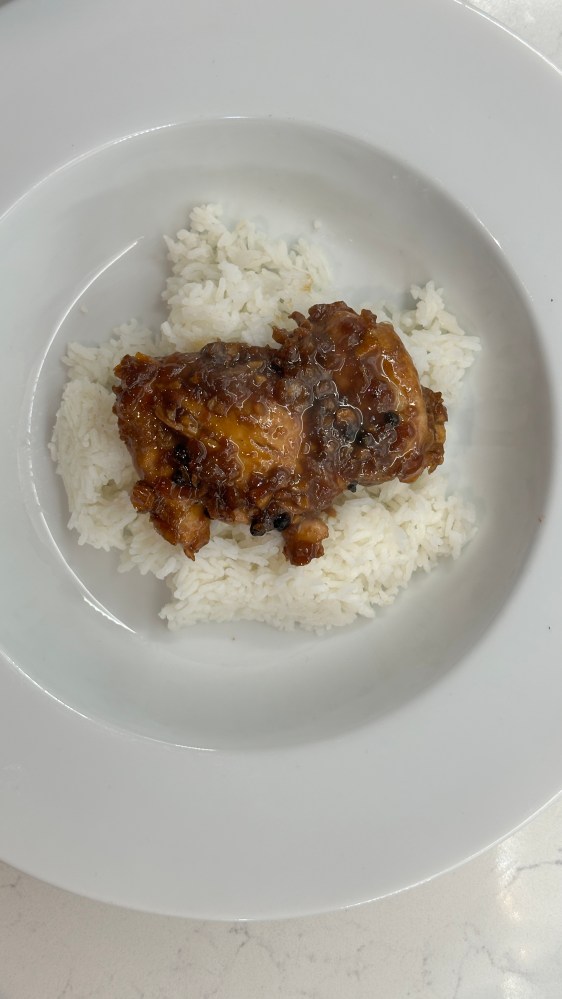
If there’s one dish that embodies the heart and soul of Filipino cuisine, it’s Chicken Adobo. This iconic dish is a perfect balance of salty, tangy, garlicky, and slightly sweet flavors, slow-braised to perfection in soy sauce, vinegar, garlic, bay leaves, and black peppercorns.

Adobo is not just food—it’s a cultural symbol. Every Filipino household has their own version, passed down through generations, making it one of the most beloved and widely eaten dishes in the Philippines. Whether served in a humble home kitchen or at a fiesta, Chicken Adobo is comforting, flavorful, and deeply tied to Filipino identity.


The History: Pre-Colonial Roots and Spanish Influence

The word “adobo” comes from the Spanish verb “adobar,” meaning “to marinate”. However, the dish itself predates Spanish colonization.

Before refrigeration, Filipinos preserved meat by cooking it in vinegar and salt, a technique dating back to pre-colonial times. When the Spanish arrived in the 16th century, they noticed this method and gave it the name “adobo”, due to its similarity to Spanish marinades.

Over time, Chinese traders introduced soy sauce, replacing salt in many recipes, creating the modern Chicken Adobo we know today. Despite its foreign name, Adobo remains distinctly Filipino, evolving with regional variations across the country.


What is Chicken Adobo?

At its core, Chicken Adobo is a braised chicken dish, where meat is slow-cooked in a bold, tangy sauce until tender and deeply flavorful.

Essential Ingredients of Chicken Adobo:

  • Chicken (Manok): Bone-in, skin-on chicken pieces (legs, thighs, or drumsticks) for maximum flavor.
  • Vinegar: The key ingredient that gives Adobo its signature tang and helps preserve the meat. Traditional choices include cane vinegar or coconut vinegar.
  • Soy Sauce: Adds deep umami and saltiness, balancing the acidity of the vinegar.
  • Garlic: Typically crushed and sautéed for a rich, aromatic depth.
  • Black Peppercorns: Whole or crushed, for a subtle heat and spice.
  • Bay Leaves: Infuse the dish with an earthy, herbal aroma.
  • Sugar (Optional): Some regions add a touch of brown sugar for balance.
  • Coconut Milk (Optional): Used in the southern regions, especially in Mindanao, for a richer, creamier version.

Some versions also include potatoes, hard-boiled eggs, or even pineapple for additional layers of flavor.


Tasting Notes: A Perfect Harmony of Flavors

Chicken Adobo delivers a deep, complex taste, where each ingredient plays a crucial role:

  • The chicken is fall-off-the-bone tender, absorbing the tangy, savory sauce.
  • The vinegar provides a bright acidity, cutting through the richness.
  • The soy sauce brings deep umami, creating a robust, savory backbone.
  • The garlic and bay leaves add aromatic warmth, enhancing the overall depth.
  • The black peppercorns provide a subtle heat, rounding out the dish.

Each bite is a perfect balance of tangy, salty, slightly sweet, and deeply savory flavors, making Adobo one of the most comforting and addictive Filipino dishes.


How Chicken Adobo is Served

Chicken Adobo is always served with steamed white rice, as the mild rice soaks up the flavorful sauce beautifully.

Common Ways to Enjoy Chicken Adobo:

  1. With Plain White Rice – The classic way, allowing the bold flavors to shine.
  2. With Garlic Fried Rice (Sinangag) – A delicious breakfast option, often served with fried eggs.
  3. With a Hard-Boiled Egg – Some versions include eggs cooked in the Adobo sauce for extra richness.
  4. With Fried Plantains (Saba Banana) – A sweet contrast to the salty-sour sauce.
  5. Shredded and Used as a Filling – Some Filipinos use leftover Adobo in pandesal (Filipino bread rolls), tacos, or even spring rolls.

Beyond Chicken: Other Types of Adobo

While Chicken Adobo is the most famous, Filipinos also make Adobo with other proteins:

  • Pork Adobo (Adobong Baboy) – Made with pork belly or pork shoulder for a richer, fattier dish.
  • Adobo sa Gata – A creamy coconut milk-based version from the Bicol region.
  • Adobo Flakes – Shredded, crispy-fried Adobo, often served for breakfast.
  • Seafood Adobo – Some coastal regions prepare Adobo with shrimp, squid, or fish.
  • Vegetable Adobo – A plant-based variation using eggplant, string beans, or tofu.

Each region in the Philippines has its own unique twist on Adobo, showcasing the versatility and adaptability of the dish.


Why Chicken Adobo is the Ultimate Filipino Comfort Food

Deeply Flavorful – A perfect balance of tangy, salty, and umami-rich flavors.
Easy to Make – Requires minimal ingredients and a simple braising technique.
Versatile – Can be made with different proteins, vegetables, and spices.
Gets Better Over Time – The longer it sits, the more the flavors deepen (Adobo tastes even better the next day!).
Deeply Rooted in Filipino Identity – A dish passed down through generations, representing home and family.

Chicken Adobo is the kind of dish that brings people together, whether at a simple family dinner or a grand celebration. Its bold yet comforting flavors make it a favorite not just in the Philippines, but among Filipino communities worldwide.

Worldwide Food Tour – Sweden

A Classic of Swedish Comfort Food

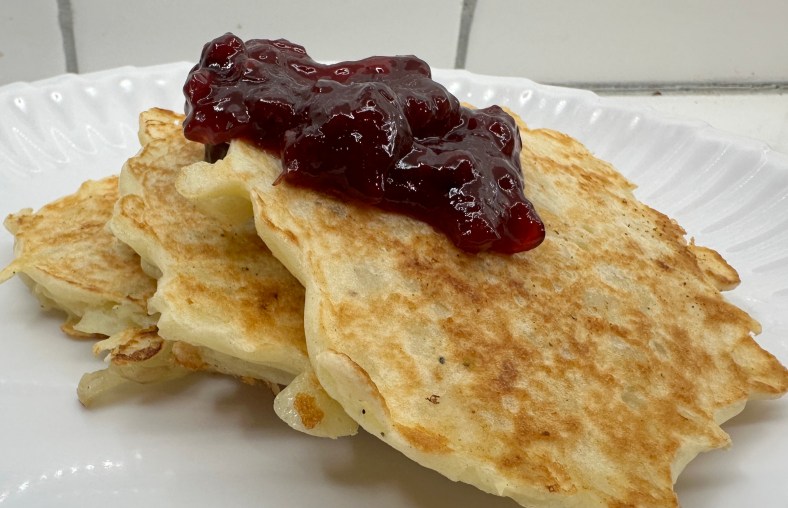
Raggmunk is Sweden’s beloved potato pancake, a dish that combines the crispy goodness of fried potatoes with the heartiness of a traditional Swedish meal. Served with fried pork (fläsk) and lingonberry jam, this dish represents the perfect balance of savory, crispy, and sweet flavors.

Often enjoyed during the colder months, Raggmunk is a staple of Swedish home cooking and a favorite in traditional restaurants across Sweden. While it shares similarities with potato pancakes from other cultures, the unique Swedish combination of pork and lingonberries makes Raggmunk a distinct and unforgettable dish.


The History: A Dish Born from Simplicity

Potatoes became a staple ingredient in Sweden in the 18th century, and creative ways to prepare them quickly spread throughout the country. Raggmunk was first recorded in the early 1900s, originating in southern and central Sweden, where potatoes were plentiful.

The name “Raggmunk” roughly translates to “hairy pancake,” a reference to the crispy, grated potato strands that give the dish its signature texture. Unlike hash browns or Rösti, Raggmunk is made with a thin pancake batter, allowing it to be light, crispy on the edges, and slightly chewy in the center.

Traditionally, Raggmunk is served with fried pork (often thick bacon or salted pork belly) and lingonberry jam, reflecting Sweden’s love for combining savory meats with tart, sweet berries.


What is Raggmunk?

Raggmunk is a thin potato pancake, made by combining grated potatoes with a light batter of flour, milk, egg, and salt. The mixture is fried in butter until golden and crispy, then served with pan-fried pork and lingonberry jam.

Essential Ingredients of Raggmunk:

  • Potatoes (fast & starchy varieties work best) – The main ingredient, grated finely.
  • Flour – Just a small amount, to create a light pancake batter.
  • Milk – Adds smoothness to the batter.
  • Egg – Helps bind the pancake together.
  • Salt & Butter – For seasoning and frying.
  • Fried Pork (Fläsk) – Thick bacon or pork belly, fried until crispy.
  • Lingonberry Jam – A sweet-tart element that balances the dish’s richness.

Unlike hash browns or latkes, which rely on eggs and flour to bind grated potatoes together, Raggmunk uses a thinner pancake batter, resulting in a crispier and lighter texture.


Tasting Notes: A Perfect Blend of Crunchy, Salty, and Sweet

Raggmunk delivers a satisfying contrast of textures and flavors:

  • The pancake edges are crispy and golden, while the inside remains soft and slightly chewy.
  • The fried pork adds a deep, salty umami flavor, complementing the mild potato base.
  • The lingonberry jam brings a bright, tart sweetness, cutting through the richness of the pork and butter-fried pancake.

Every bite is a combination of crunchy, juicy, salty, and sweet flavors, making Raggmunk a true Swedish comfort food.


How Raggmunk is Served

Raggmunk is best enjoyed hot and fresh from the pan, typically in a simple, traditional Swedish meal setting.

Traditional Serving Style:

  1. A plate with two or three crispy Raggmunk pancakes.
  2. A generous serving of fried pork (fläsk), either bacon strips or thick-cut salted pork belly.
  3. A spoonful of lingonberry jam, served on the side.

Unlike some other potato pancakes that are topped with sour cream or applesauce, the Swedish version sticks to the classic combination of pork and lingonberries, highlighting Sweden’s culinary preference for salty-sweet contrasts.


Variations of Raggmunk

While the traditional Raggmunk is beloved across Sweden, there are a few regional variations:

  • Potatisplättar – A thinner, more delicate potato pancake, often served without pork.
  • Råraka – A simpler version made only with grated potatoes, fried crisp without any batter.
  • Modern Takes – Some chefs experiment by adding cheese, herbs, or smoked fish for a contemporary twist.

Despite these variations, the classic Raggmunk with pork and lingonberries remains the ultimate Swedish comfort meal.


Why Raggmunk is a Swedish Classic

Crispy, Golden, and Delicious – A perfect potato dish with irresistible texture.
A Harmony of Flavors – The salty pork, sweet lingonberries, and crispy pancake create a balanced, deeply satisfying meal.
Easy to Make – Requires only a few basic ingredients, making it a home-cooked staple.
A Taste of Swedish Culture – A dish that has been loved for over a century, found in homes and traditional restaurants.

Raggmunk is Swedish food at its bestsimple, hearty, and absolutely delicious. Whether you’re trying it for the first time or grew up eating it, this dish is a must-try for lovers of comfort food.

Worldwide Food Tour – Norway

Kjøttkaker, Norway’s beloved homemade meatballs, are a hearty, rustic dish that embodies Norwegian home cooking and family traditions. Unlike the smaller, delicate Swedish meatballs (köttbullar), Norwegian kjøttkaker are larger, coarser, and more rustic, served in a rich brown gravy (brun saus) with potatoes, lingonberry jam, and mushy peas.

This dish is a symbol of Norwegian heritage, often passed down through generations and enjoyed at both everyday family dinners and festive gatherings. Whether served in a cozy kitchen in Oslo or at a countryside farm, kjøttkaker remains one of Norway’s most cherished comfort foods.


The History: A Dish Rooted in Norwegian Traditions

The word “kjøttkaker” literally means “meat cakes”, reflecting the dish’s simple yet hearty nature. Meatballs have existed in various forms throughout Scandinavia and Europe for centuries, but Norway’s version has remained uniquely rustic, emphasizing bold flavors and a thick, satisfying texture.

Historically, Norwegian farmers relied on locally available meats, such as beef, pork, or a mix of both, making kjøttkaker an essential protein-rich meal during the cold winters. The dish became widespread in the 19th century, as Norwegian families cooked large batches, stretching their meat supply by adding flour or breadcrumbs to the mixture.

Today, kjøttkaker is still a staple of Norwegian cuisine, featured in both home kitchens and traditional restaurants, and often enjoyed on Sundays as part of a classic family meal.


What is Kjøttkaker?

Kjøttkaker are Norwegian-style meatballs, made with ground beef (sometimes mixed with pork or lamb), onions, and a blend of warm spices, pan-fried to a golden brown and then simmered in a rich, savory brown gravy (brun saus).

Essential Ingredients of Kjøttkaker:

  • Ground Beef or Pork (or a mix) – The base of the meatballs, providing hearty flavor.
  • Onion – Adds depth and natural sweetness.
  • Milk & Breadcrumbs (or Flour) – Helps keep the meatballs tender while binding them together.
  • Egg – Adds structure and moisture.
  • Salt & Pepper – Essential seasoning for balanced flavor.
  • Spices:
    • Ground nutmeg and ginger (common in traditional recipes).
    • Allspice (optional) – Adds a mild warmth, similar to Swedish meatballs.

The Brown Gravy (Brun Saus):

  • Made with butter, flour, beef stock, and sometimes a splash of cream, the gravy is thick, rich, and comforting—perfect for coating the meatballs.

Tasting Notes: Hearty, Savory, and Deeply Satisfying

Kjøttkaker delivers a robust and comforting flavor, with a texture that is coarse yet tender.

  • The meatballs are juicy, slightly firm, and well-seasoned, absorbing the flavors of the gravy.
  • The gravy is thick and deeply savory, with a buttery richness that enhances every bite.
  • The side dishes (potatoes, lingonberry jam, and peas) add balance, offering a mix of earthy, sweet, and fresh flavors.

This dish is the ultimate Norwegian comfort food, perfect for cold winter nights or a nostalgic family meal.


How Kjøttkaker is Served

Kjøttkaker is traditionally served as part of a classic Norwegian meal, typically alongside potatoes and vegetables.

Traditional Serving Style:

  1. Kjøttkaker (Norwegian Meatballs) – Pan-fried and simmered in brun saus (brown gravy).
  2. Boiled or Mashed Potatoes – A staple side dish, soaking up the rich sauce.
  3. Lingonberry Jam (Tyttebærsyltetøy) – A sweet, tart contrast to the savory meatballs.
  4. Stewed Peas or Root Vegetables – Common sides include mashed peas, carrots, or cabbage.
  5. Flatbrød (Norwegian Crispbread) (Optional) – A crunchy side often served in rural areas.

Many Norwegians also enjoy kjøttkaker as leftovers, reheated the next day for an even richer, more flavorful experience.


Beyond Norway: Kjøttkaker’s Scandinavian Cousins

While uniquely Norwegian, kjøttkaker shares similarities with other Scandinavian meatball dishes:

  • Swedish Meatballs (Köttbullar): Smaller, smoother in texture, and served with creamier gravy.
  • Danish Frikadeller: Flattened, pan-fried meat patties with a crispier texture.
  • Finnish Lihapullat: Similar to Swedish köttbullar but often seasoned with allspice.

Despite these similarities, Norwegian kjøttkaker remains distinct for its larger size, rustic texture, and deep brown gravy.


Why Kjøttkaker is a Norwegian Classic

Rich, Hearty, and Comforting – Perfect for cold weather and family meals.
Traditional Yet Easy to Make – A staple of home cooking with simple ingredients.
A Balance of Flavors – The savory meatballs, rich gravy, and sweet lingonberries create a perfect harmony.
Deeply Rooted in Norwegian Culture – A dish enjoyed for centuries across generations.

Whether enjoyed in a traditional Norwegian home or at a cozy countryside inn, kjøttkaker is a dish that warms both the body and soul.

Worldwide Food Tour – Finland

Karjalanpiirakka (Karelian pasty) is one of Finland’s most iconic and cherished baked goods, originating from the Karelia region, which historically straddled eastern Finland and parts of Russia. These thin, crispy rye crust pastries filled with creamy rice porridge are a staple of Finnish cuisine, often enjoyed warm with butter, egg butter (munavoi), or alongside coffee.

Simple yet deeply comforting, Karjalanpiirakka represents the heart of Finnish home cooking, with recipes passed down through generations. Whether found in bakeries, homes, or festive gatherings, this pastry is a symbol of Finnish heritage and resilience.


The History: A Pastry with Deep Karelian Roots

Karjalanpiirakka traces its origins back hundreds of years to Karelia, a region that has been at the crossroads of Finnish and Russian culture. This humble pastry was a practical food for travelers and farmers, as it was easy to carry and made from simple, locally available ingredients.

Originally, the filling varied by season—barley, potatoes, and mashed turnips were common before rice became widely available. By the 19th and 20th centuries, rice porridge became the standard filling, especially after trade expanded.

Due to wars and shifting borders, many Karelians migrated to other parts of Finland in the 1940s, bringing their traditional recipes with them. Over time, Karjalanpiirakka became a nationwide Finnish favorite, officially recognized as a Protected Traditional Specialty (TSG) by the EU in 2003.


What is Karjalanpiirakka?

Karjalanpiirakka is a thin-crusted, oval-shaped pasty, made with a crispy rye dough and traditionally filled with creamy rice porridge.

Essential Ingredients:

Crust:

  • Rye flour – Gives the pastry its signature rustic texture.
  • All-purpose flour (optional) – Sometimes added for a slightly softer dough.
  • Salt & Water – Keeps the dough simple and pliable.

Filling:

  • Rice porridge – Made with short-grain rice, milk, and salt, cooked to a smooth, creamy consistency.
  • (Variations) – Some versions use mashed potatoes or carrot filling.

Topping:

  • Egg butter (Munavoi) – A classic Finnish spread made with hard-boiled eggs mashed with butter and a pinch of salt, served warm on top of the pasty.

Tasting Notes: Rustic, Comforting, and Savory

Karjalanpiirakka has a unique contrast of textures:

  • The crust is thin, slightly crisp, and earthy due to the rye flour.
  • The filling is creamy and rich, providing a subtle buttery and slightly salty taste.
  • When topped with warm egg butter, it adds an extra layer of richness and smoothness, melting into the pastry.

Despite its modest ingredients, Karjalanpiirakka delivers deeply satisfying comfort, making it perfect for breakfast, snacks, or alongside a cup of coffee.


How Karjalanpiirakka is Served

Karjalanpiirakka is best enjoyed fresh and warm, often topped with egg butter or other traditional accompaniments.

Common Ways to Enjoy Karjalanpiirakka:

  1. With Egg Butter (Munavoi) – The classic Finnish way, where buttery, salty eggs enhance the creamy rice filling.
  2. With Butter and Cheese – A simple yet delicious variation.
  3. With Smoked Salmon and Dill – A modern Finnish take, adding a delicate, savory contrast.
  4. With Finnish-style Gravlax or Cold Cuts – A common way to serve it at buffets or gatherings.
  5. As a Side for Soup – Often paired with a hot bowl of Finnish salmon soup (Lohikeitto).

Many Finns also freeze Karjalanpiirakka, reheating them in the oven for a fresh-baked taste anytime.


Beyond Finland: A Pastry Loved Worldwide

Thanks to Finnish emigration, Karjalanpiirakka is now enjoyed in Finnish communities across Sweden, Canada, and the United States. Finnish bakeries worldwide continue to keep the tradition alive, ensuring this humble pasty remains a beloved comfort food.


Why Karjalanpiirakka is a Finnish National Treasure

Simple Yet Flavorful – A crispy, hearty crust meets a creamy, comforting filling.
Deeply Rooted in Finnish Culture – A pastry passed down for generations.
Versatile & Customizable – Can be topped with egg butter, cheese, or smoked fish.
Nutrient-Rich & Filling – A healthy, energy-packed snack that’s great for any time of day.
Perfect for Celebrations & Everyday Eating – Found at both holiday tables and casual breakfast spreads.

Whether you try it in a Finnish bakery or make it at home, Karjalanpiirakka offers a taste of Finland’s culinary history in every bite.

Worldwide Food Tour – Japan

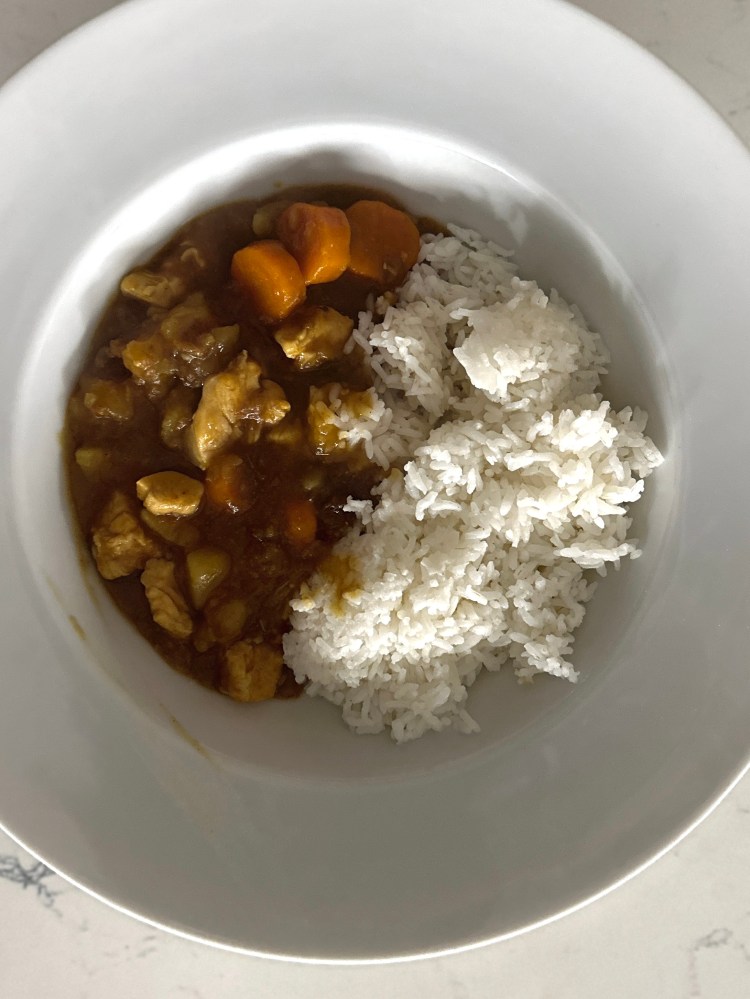
Kare Raisu (カレーライス), or Japanese curry rice, is one of Japan’s most beloved comfort foods. Unlike the spicier, more complex curries of India or the fragrant coconut-based curries of Thailand, Japanese curry is mild, thick, slightly sweet, and deeply savory, served with steamed rice and often accompanied by crispy fried cutlets.

Kare Raisu is a staple of home cooking, found everywhere from family kitchens and school cafeterias to train stations and military mess halls. Its rich, velvety sauce and satisfying depth of flavor make it a go-to meal for all ages in Japan.


The History: A British-Indian Influence Turned Japanese Staple

Though curry is often associated with India, Japanese curry has its roots in British naval cuisine. During the late 19th century (Meiji Era), the British Royal Navy introduced a thickened, stew-like curry to Japan via the Imperial Japanese Navy, which adopted it as a nutritious, easy-to-make dish for their sailors.

Unlike Indian curries, which use a blend of dry spices, British-style curry was made with a roux (flour and fat mixture) to thicken the sauce, making it closer to a stew than a traditional curry. Over time, Japan adapted this into Kare Raisu, using pre-made curry roux blocks for convenience, which are now found in every Japanese grocery store.

By the 20th century, Japanese curry had spread beyond naval kitchens and into homes, restaurants, and school lunches, becoming one of Japan’s most popular and enduring dishes.


What is Kare Raisu?

Kare Raisu consists of three main components:

  1. The Curry Sauce: A thick, mildly spiced, slightly sweet curry gravy made from curry roux, onions, carrots, potatoes, and meat (often beef, chicken, or pork).
  2. Steamed White Rice: Traditionally short-grain Japanese rice, which holds its shape well and pairs perfectly with the rich sauce.
  3. Toppings and Garnishes: Often served with pickled vegetables (fukujinzuke or rakkyo) and sometimes paired with crispy fried cutlets (Katsu Kare).

Essential Ingredients of Japanese Curry:

  • Curry Roux (カレールー): The key to the dish’s signature taste, available in mild, medium, or spicy varieties.
  • Meat: Usually chicken, beef, or pork, though seafood or vegetable versions exist.
  • Onions, Carrots, and Potatoes: The classic trio, giving the dish sweetness and heartiness.
  • Apple, Honey, or Chocolate (Optional): Some recipes add grated apple, honey, or dark chocolate for a subtle sweetness and depth.
  • Soy Sauce and Worcestershire Sauce: Enhance the umami richness of the curry.

Tasting Notes: A Mild, Sweet, and Comforting Curry

Japanese Kare Raisu is thicker, milder, and sweeter than Indian or Thai curries.

  • The curry sauce is rich and velvety, with a consistency similar to gravy or stew.
  • The flavors are slightly sweet, umami-rich, and gently spiced, making it accessible even for those who dislike heat.
  • The vegetables absorb the curry’s depth, adding layers of texture and natural sweetness.
  • The rice provides a neutral base, soaking up the sauce beautifully.

A well-made Kare Raisu is deeply comforting and nostalgic, bringing back childhood memories for many Japanese people.


How Kare Raisu is Served

Japanese curry is a versatile dish enjoyed in various forms:

1. Classic Kare Raisu (カレーライス) – The Standard Plate

  • Served with steamed white rice, sometimes with pickled vegetables (fukujinzuke).
  • The curry is ladled over the rice, forming a half-and-half plate.

2. Katsu Kare (カツカレー) – Curry with Crispy Fried Cutlet

  • A popular variation where a breaded and deep-fried pork or chicken cutlet (tonkatsu or chicken katsu) is placed on top of the curry.
  • The crispy cutlet adds a crunchy contrast to the rich sauce.

3. Kare Udon (カレーうどん) – Curry-Flavored Udon Noodles

  • The curry sauce is thinned into a soup-like consistency and served over chewy udon noodles.

4. Kare Pan (カレーパン) – Curry-Stuffed Bread

  • A deep-fried Japanese curry-filled bread roll, often found in bakeries.

Kare Raisu is often eaten with a spoon rather than chopsticks, as the thick sauce coats the rice perfectly.


Why Japanese Curry is a National Favorite

Mild, Rich, and Comforting – Perfect for those who prefer a gentle, non-spicy curry.
Easy to Make – With pre-made curry roux blocks, it’s a simple one-pot meal.
Highly Customizable – Can be made with chicken, beef, pork, seafood, or even vegetarian options.
Deeply Nostalgic – A dish that Japanese people associate with home, childhood, and family meals.
Perfect for All Ages – Loved by both kids and adults, making it a staple in schools and homes.

From busy weeknight dinners to comforting rainy-day meals, Kare Raisu is Japan’s ultimate home-cooked dish.

Worldwide Food Tour – Armenia

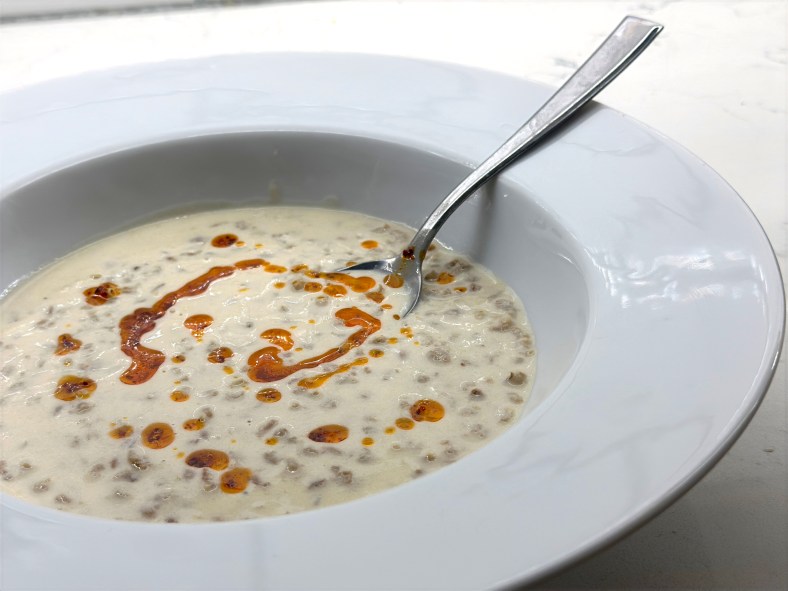
Tanabour (Թանապուր) is a tangy, creamy, and warming Armenian yogurt soup, made with matzoon (Armenian yogurt), grains, and fragrant herbs. It is a staple of Armenian cuisine, often enjoyed as a comfort food, a winter warmer, or even a light, nutritious meal year-round.

With its delicate balance of tanginess, earthiness, and warmth, Tanabour reflects Armenia’s rich culinary history, where fermented dairy, grains, and herbs play a crucial role. This dish is both deeply traditional and incredibly nourishing, making it a beloved meal across generations.


The History: A Dish Rooted in Armenian Heritage

Tanabour has origins in ancient Armenian cuisine, where dairy-based soups were a way to preserve yogurt and use local grains. The dish likely developed in the rural highlands, where fermented dairy (like matzoon) was a staple of shepherds and villagers.

Historically, Tanabour was often eaten as a fasting dish during Lent, made without meat but still providing protein and sustenance through yogurt and grains. Over time, it became a year-round comfort food, enjoyed both warm in winter and cool in summer.

Today, Tanabour remains a symbol of Armenian home cooking, often made by grandmothers and families for special gatherings or everyday meals.


What is Tanabour?

Tanabour is a creamy, slightly sour soup made from yogurt, grains (like wheat or rice), butter, and aromatic herbs. The tangy yogurt base is balanced by the earthy grains and bright herbs, creating a dish that is both hearty and refreshing.

Essential Ingredients of Tanabour:

  • Matzoon (Մածուն) or Yogurt: The foundation of the soup, providing its signature tanginess.
  • Egg & Flour Mixture: Helps stabilize the yogurt, preventing curdling.
  • Grains: Typically hulled wheat (dzavar), bulgur, or rice, giving the soup texture.
  • Butter: Adds richness and a silky mouthfeel.
  • Garlic: Infuses the broth with depth and aroma.
  • Dried Mint (or Fresh Herbs): A signature flavoring, bringing brightness to the soup.
  • Salt & Black Pepper: To enhance and balance the flavors.

Some variations include chickpeas or lentils, while others use dill or cilantro instead of mint, depending on family traditions.


Tasting Notes: A Creamy, Tangy, and Herbaceous Delight

Tanabour is a dish that balances multiple flavors and textures beautifully:

  • The yogurt base is creamy and slightly sour, providing a refreshing tang.
  • The grains add a gentle chewiness, making the soup filling yet light.
  • The garlic and butter create richness, coating the palate in warmth.
  • The dried mint (or fresh herbs) add a fragrant, slightly cooling contrast, rounding out the dish.

Each spoonful is comforting yet lively, making Tanabour a unique and deeply satisfying soup.


How Tanabour is Served

Tanabour can be enjoyed hot or cold, making it a versatile dish for all seasons.

Traditional Serving Styles:

  1. Warm Tanabour (Winter Version) – Served hot, with melted butter drizzled on top and sometimes with extra grains for heartiness.
  2. Chilled Tanabour (Summer Version) – Served cold, often with a squeeze of lemon juice and fresh herbs for a cooling effect.
  3. With Flatbread or Lavash – Traditional Armenian lavash bread is often torn and dipped into the soup.
  4. With Extra Butter & Garlic – Some families fry garlic in butter and drizzle it over the soup before serving.

Tanabour is light enough to be an appetizer but hearty enough to be a full meal, especially when paired with bread or side dishes.


Why Tanabour is a Timeless Armenian Classic

Rich Yet Refreshing – A creamy yet light dish, perfect for any season.
Nutritious & Filling – Packed with protein, probiotics, and fiber from yogurt and grains.
Deeply Traditional – A dish that connects generations of Armenian families.
Easy to Prepare – Simple ingredients, yet layers of flavor and comfort.
Versatile & Customizable – Enjoy hot or cold, with different grains and herbs.

From a cozy meal on a winter evening to a refreshing bowl on a summer day, Tanabour is a dish that represents Armenia’s love for simple, nourishing food.

Worldwide Food Tour – Australia

A Dessert as Light as a Cloud

Few desserts capture the elegance and simplicity of Australian cuisine like Pavlova—a stunning meringue-based dessert topped with whipped cream and fresh fruit. With its crisp outer shell, marshmallow-soft center, and vibrant toppings, Pavlova is a celebration of texture and flavor, making it a beloved dessert for special occasions, summer gatherings, and holiday feasts.

Although its origins are hotly debated between Australia and New Zealand, Pavlova has become a national treasure in both countries, with Australians proudly serving it at Christmas barbecues, birthdays, and family celebrations.


The History: A Dessert Fit for a Prima Ballerina

Pavlova is said to have been created in honor of Russian ballerina Anna Pavlova, who toured Australia and New Zealand in the 1920s. The dessert’s lightness and elegance were meant to reflect her graceful dance style, much like a ballerina’s delicate tutu.

Both Australia and New Zealand claim to have invented Pavlova, but food historians suggest that it likely evolved from European meringue-based desserts that were adapted in the Southern Hemisphere. Regardless of its true birthplace, Pavlova remains a quintessential Australian treat, often served as the ultimate summer dessert.


What is Pavlova?

At its core, Pavlova is a meringue dessert with a crisp crust and a soft, airy interior, topped with lightly sweetened whipped cream and fresh fruit.

Essential Ingredients of Pavlova:

  • Egg Whites: The key to achieving the dessert’s signature lightness and crisp texture.
  • Sugar: Whisked into the egg whites to create a glossy, stable meringue.
  • Cornstarch: Helps give Pavlova its marshmallowy center.
  • Vinegar or Lemon Juice: Adds stability and enhances the pillowy texture.
  • Vanilla Extract: Provides a touch of warmth and depth.

Classic Toppings:

  • Whipped Cream: Soft, lightly sweetened, and piled high.
  • Fresh Fruit: Typically passionfruit, kiwi, strawberries, and berries for a mix of tart and sweet flavors.
  • Optional Drizzles: Some versions include passionfruit coulis, berry compote, or a light caramel drizzle.

Tasting Notes: A Perfect Balance of Texture and Flavor

Pavlova is a dessert that delights the senses with every bite:

  • The outer shell is delicately crisp, giving way to a soft, airy, marshmallow-like center.
  • The whipped cream adds lightness, complementing the delicate meringue.
  • The fruit brings freshness and acidity, balancing the sweetness of the meringue.
  • The combination of textures—crunchy, creamy, and soft—is what makes Pavlova unforgettable.

How Pavlova is Served

Pavlova is a show-stopping dessert, often presented on a large platter and sliced like a cake. It is best enjoyed immediately after assembly, as the meringue can soften when exposed to moisture.

Variations and Modern Twists:

  1. Chocolate Pavlova – Cocoa powder is added to the meringue for a rich twist.
  2. Mini Pavlovas – Individual-sized portions, perfect for serving guests.
  3. Tropical Pavlova – Topped with mango, pineapple, and passionfruit for a tropical spin.
  4. Christmas Pavlova – Decorated with red berries, pomegranate seeds, and a dusting of powdered sugar.

Why Pavlova is Australia’s Favorite Dessert

Light Yet Indulgent – Crisp, creamy, and fruity, without being too heavy.
Versatile & Customizable – Can be adapted with different toppings and flavors.
Perfect for Celebrations – A beautiful, crowd-pleasing centerpiece for any occasion.
A Piece of Australian Culture – A dessert woven into the country’s culinary identity.

Whether enjoyed at a sunny backyard barbecue or a festive holiday table, Pavlova remains a timeless Australian classic.

Worldwide Food Tour – Switzerland

Swiss cheese fondue is a smooth, melted cheese dish, typically made with a blend of two or more cheeses, white wine, garlic, and seasonings, served in a fondue pot over a low flame.

Essential Ingredients:

  • Swiss Cheeses: The most traditional choices are:
    • Gruyère – Aged, nutty, and slightly sweet.
    • Emmental – Mild, slightly fruity, and smooth.
    • Vacherin Fribourgeois – A creamy cheese, used in moitié-moitié fondue (half Gruyère, half Vacherin).
  • White Wine: Helps melt the cheese smoothly and adds acidity to balance richness.
  • Garlic: Rubbed inside the pot for flavor.
  • Kirsch (Cherry Brandy): Adds a subtle kick (optional).
  • Cornstarch or Flour: Helps prevent the cheese from separating.
  • Nutmeg & Black Pepper: Traditional spices for warmth and depth.

Some regional variations use different cheese blends or add herbs, mushrooms, or even tomatoes for unique flavors.


Tasting Notes: A Rich, Creamy, and Savory Indulgence

A well-made cheese fondue delivers a perfect balance of creamy, nutty, and slightly tangy flavors:

  • The texture is silky and smooth, coating each bite perfectly.
  • The flavor is deeply savory, with the cheeses’ richness enhanced by the wine’s acidity.
  • Hints of garlic and nutmeg add complexity, making each bite warm and aromatic.
  • The crispy, toasted bread contrasts beautifully with the melted cheese.

Each dip into the pot is a comforting, decadent delight, making fondue a dish that satisfies both the palate and the soul.


How Cheese Fondue is Served

Fondue is traditionally enjoyed as a communal meal, with a pot of melted cheese in the center and various dipping ingredients around the table.

Traditional Dippers:

  1. Crusty Bread – The classic choice, cut into bite-sized cubes.
  2. Boiled Potatoes – Adds a hearty, starchy balance to the cheese.
  3. Steamed Vegetables – Broccoli, cauliflower, or asparagus work well.
  4. Pickles & Cornichons – Their acidity cuts through the richness.
  5. Dried or Cured Meats – Adds extra protein and texture (optional).

Serving Tip: Each person uses a long fondue fork to dip their food into the cheese, swirling gently to coat it evenly.


Fondue Etiquette: The Swiss Way

In Switzerland, cheese fondue is more than a meal—it’s a tradition with its own set of rules:

Stir the cheese in a figure-eight motion – Helps keep it smooth.
Never double-dip! – Each dip should be fresh.
If you drop your bread in the pot, there’s a penalty! – Often, the “punishment” is buying the next round of drinks.
Pair with dry white wine or tea – Avoid water, as it’s said to make the cheese sit heavy in the stomach.

These customs add fun and playfulness to the fondue experience, making it a true social event.


Beyond Switzerland: Cheese Fondue Variations

While traditional Swiss fondue remains the most famous, different regions and countries have created their own variations:

  • Fondue Savoyarde (France): Uses French cheeses like Comté and Beaufort.
  • Italian Fonduta (Italy): Made with Fontina cheese and egg yolks for a silkier texture.
  • Beer Fondue (Germany/Austria): Replaces white wine with beer for a maltier flavor.
  • Truffle Fondue: Some Swiss restaurants add black truffles for an elegant twist.

Despite these variations, classic Swiss cheese fondue remains the gold standard of this beloved dish.


Why Cheese Fondue is Switzerland’s Ultimate Comfort Food

Rich & Satisfying – A warm, melty cheese dish that is pure indulgence.
Perfect for Sharing – A social meal that brings people together.
Deeply Traditional – A dish with centuries of history and cultural significance.
Versatile & Customizable – Works with different cheeses, dippers, and flavors.
A Winter Essential – The ultimate cozy, cold-weather meal.

From Alpine chalets to urban fondue restaurants, Swiss cheese fondue remains a symbol of warmth, togetherness, and the simple joy of sharing good food.