Worldwide Food Tour – Hungary

Hungarian Ghoulash is one of Hungary’s most iconic and beloved dishes, a hearty, paprika-infused beef stew that has been enjoyed for centuries. Unlike thick, heavy stews, Hungarian goulash is a rich yet light dish, made with tender slow-cooked beef, sweet paprika, onions, and potatoes, resulting in a deeply flavorful, slightly spicy, and aromatic meal.

This dish is more than just food—it is a symbol of Hungarian culinary tradition, deeply rooted in the culture of Hungarian herdsmen, from whom it takes its name.


The History: A Dish of the Hungarian Great Plains

Goulash dates back to the 9th century, when Hungarian Magyar shepherds cooked slow-simmered meat stews over open fires, drying the meat to carry it on long journeys. When needed, they would rehydrate the dried meat with water, creating a simple but nourishing dish.

By the 18th century, paprika—introduced to Hungary from the Americas—became a staple ingredient, giving goulash its signature red color and rich depth of flavor.

Unlike the thicker, flour-thickened stews of Central Europe, authentic Hungarian goulash is brothy, aromatic, and rich with paprika, staying true to its humble pastoral origins.


What is Hungarian Goulash?

Hungarian goulash is a slow-cooked beef stew, flavored with sweet Hungarian paprika, onions, and other spices, often including potatoes, carrots, and sometimes csipetke (small Hungarian dumplings).

Essential Ingredients:

  • Beef: Traditionally shank, chuck, or shin, slow-cooked until fork-tender.
  • Onions: Provides a natural sweetness and thickens the broth.
  • Hungarian Sweet Paprika: The key ingredient, giving goulash its rich red color and smoky-sweet depth.
  • Carrots & Potatoes: Adds heartiness and texture.
  • Garlic & Caraway Seeds: Enhances the flavor.
  • Tomatoes (optional): Some modern versions include tomatoes, though traditional goulash relies on paprika for depth.
  • Csipetke (Hungarian Dumplings) (optional): Small pinched egg dumplings, added for extra texture.

Tasting Notes: A Perfect Blend of Savory, Smoky, and Sweet

Authentic Hungarian goulash is bold yet balanced:

  • The broth is rich and aromatic, infused with the warmth of sweet paprika.
  • The beef is fall-apart tender, soaking up the deep flavors.
  • The onions add a subtle sweetness, complementing the slight smokiness of the paprika.
  • The potatoes and carrots absorb the broth, making every bite satisfying.
  • The caraway seeds add an earthy, slightly citrusy note, elevating the dish.

Unlike thicker stews, Hungarian goulash has a light, broth-like consistency, making it both comforting and easy to eat.


How Hungarian Goulash is Served

Goulash is traditionally served as a main course, often accompanied by simple sides to absorb the flavorful broth.

Traditional Serving Styles:

  1. With Fresh Bread – A crusty Hungarian bread (kenyér) is perfect for soaking up the rich broth.
  2. With Csipetke Dumplings – Small, pinched flour dumplings added to the stew.
  3. With Pickled Vegetables – Tangy pickles contrast beautifully with the richness of the goulash.
  4. With Sour Cream (Optional) – Some regions add a dollop of sour cream for creaminess.

Though similar dishes exist across Austria, Germany, and Central Europe, Hungarian goulash remains distinct for its heavy use of paprika and lighter, brothier consistency.


Why Hungarian Goulash is a National Treasure

Rich Yet Light – A flavorful broth-based stew, not overly heavy.
Slow-Cooked Comfort – The long cooking process brings out deep, complex flavors.
Versatile & Customizable – Can be made with beef, pork, or even game meat.
Rooted in History – A dish that has been a staple of Hungarian life for centuries.
Perfect for Any Occasion – Served at family dinners, festivals, and even Hungarian restaurants worldwide.

Whether enjoyed in a traditional Budapest eatery or cooked at home, Hungarian goulash is a timeless dish that celebrates Hungary’s love for bold, heartwarming flavors.

Worldwide Food Tour – Canada

A Dish of Crispy, Cheesy, and Savory Goodness

Few dishes represent Canadian cuisine as distinctly as Poutine—a delicious, decadent mix of crispy fries, squeaky cheese curds, and rich brown gravy. Originally from Quebec, this dish has become a national favorite, enjoyed everywhere from fast-food joints to high-end restaurants.

Poutine is more than just a dish—it’s a Canadian cultural icon, embodying comfort, indulgence, and late-night cravings. Whether served in its classic form or reinvented with gourmet twists, poutine remains a beloved staple of Canadian food culture.


The History: A Humble Quebecois Invention

Poutine was born in rural Quebec in the 1950s, though its exact origin is hotly debated. According to legend, a customer at a restaurant in Warwick, Quebec, asked for cheese curds on top of his fries, prompting the owner to declare, “Ça va faire une maudite poutine!” (“That’s going to make a damn mess!”).

Later, gravy was added to help keep the fries warm, completing what is now known as the classic poutine. By the 1970s and 1980s, poutine spread beyond Quebec and became a Canadian fast-food staple, appearing in major chains like McDonald’s, KFC, and Burger King.

Today, poutine is enjoyed across Canada and internationally, with variations found in New York, France, and even Japan.


What is Poutine?

Poutine consists of three essential components:

  1. French FriesCrispy on the outside, fluffy on the inside, traditionally thicker-cut fries.
  2. Cheese CurdsSoft, fresh, squeaky white cheddar curds, which partially melt under the hot gravy.
  3. Brown Gravy – A rich, savory beef or chicken gravy, thick enough to coat the fries but thin enough to seep between them.

Optional Additions & Variations:

  • Meat Poutines: Topped with smoked meat (Montreal-style), pulled pork, or bacon.
  • Lobster Poutine: A luxurious East Coast variation with fresh lobster.
  • Breakfast Poutine: Topped with eggs, sausage, or hollandaise sauce.
  • Vegetarian Poutine: Made with mushroom-based or vegetarian gravy.
  • Foie Gras Poutine: A gourmet twist found in high-end Canadian restaurants.

Tasting Notes: A Perfect Balance of Crunchy, Gooey, and Savory

Poutine is rich, indulgent, and deeply satisfying:

  • The fries stay crispy yet absorb the rich, salty gravy.
  • The cheese curds are warm and slightly melted but still hold their shape and squeak when bitten into.
  • The brown gravy is smooth, umami-packed, and brings everything together in a deliciously messy harmony.

Each bite delivers a contrast of textures and bold flavors, making poutine one of the most comforting and crave-worthy dishes in Canada.


How Poutine is Served

Poutine is enjoyed as:

  1. A Classic Fast-Food Dish – Found in diners, food trucks, and fast-food chains.
  2. A Late-Night Snack – A staple of Canadian nightlife, perfect after a night out.
  3. A Gourmet Experience – Reinvented by chefs with premium ingredients.
  4. A Festival Staple – Celebrated at Poutine Festivals across Canada.

No matter how it’s served, poutine is best eaten hot and fresh, ensuring the perfect balance of crispy fries, melted cheese, and gravy.


Why Poutine is Canada’s Most Famous Dish

Crispy, Gooey, and Savory – A perfect mix of textures and flavors.
A Cultural Icon – Deeply rooted in Quebecois and Canadian identity.
Versatile & Customizable – Can be enjoyed classic or with endless toppings.
Comfort Food at Its BestRich, indulgent, and perfect for any craving.
Recognized Worldwide – A dish that has gained international fame.

From small-town Quebec to the streets of Toronto and Vancouver, poutine is a dish that unites Canada, bringing warm, cheesy, and gravy-filled joy to every bite.

Worldwide Food Tour – Yemen

A Staple of Yemeni Cuisine

Foul (or Ful) Medames is a beloved Middle Eastern and North African dish, and in Yemen, it takes on a unique rich, spiced, and aromatic flavor. This dish, made from slow-cooked fava beans, is a staple of Yemeni breakfasts, often served with fresh bread, eggs, and a variety of condiments.

Yemeni foul is more than just a meal—it’s a deeply cultural and social dish, bringing families and communities together, whether at home or in bustling street-side eateries.


The History: A Dish with Ancient Roots

Foul has been eaten for thousands of years, with origins tracing back to Ancient Egypt, where fava beans were a cheap and filling food for laborers. As trade routes expanded, different regions developed their own variations of foul, including Lebanon, Sudan, Ethiopia, and Yemen.

In Yemen, foul is influenced by the country’s spice-rich cuisine, incorporating garlic, tomatoes, chilies, cumin, and fragrant olive oil or ghee. It is commonly enjoyed as a hearty breakfast or street food, keeping Yemenis full and energized throughout the day.


What is Yemeni Foul?

Yemeni foul is a slow-cooked, mashed fava bean dish, often flavored with garlic, tomatoes, chilies, and spices, and served with warm flatbread for scooping.

Essential Ingredients of Yemeni Foul:

  • Fava Beans (Foul/Ful): Slow-cooked until soft and mashed slightly.
  • Garlic & Onions: For depth and fragrance.
  • Tomatoes: Adds acidity and sweetness.
  • Green Chilies: A key element in Yemeni cuisine, providing heat.
  • Cumin & Coriander: Earthy spices that enhance the beans.
  • Olive Oil or Ghee: For richness and flavor.
  • Lemon Juice: Adds brightness and balances the richness.

Optional Toppings & Accompaniments:

  • Chopped parsley & onions – For freshness.
  • Crumbled cheese or yogurt – A creamy contrast.
  • Boiled or fried eggs – Commonly served alongside.
  • Flatbread (Malawah or Tawa Bread) – Used to scoop up the foul.

Tasting Notes: Earthy, Spiced, and Satisfying

Yemeni foul is rich, hearty, and deeply flavorful:

  • The fava beans are creamy and earthy, absorbing the warm spices.
  • The garlic and chilies provide a bold, smoky kick.
  • The tomatoes add a slight sweetness and acidity.
  • The olive oil or ghee creates a smooth, velvety texture.
  • The lemon juice cuts through the richness, making each bite balanced and satisfying.

This dish is both simple and complex, a perfect balance of rustic flavors and fragrant spices.


How Yemeni Foul is Served

Yemeni foul is a communal dish, often served in a clay pot (madra) and eaten with hands or bread.

Traditional Serving Style:

  1. Foul is ladled into a deep dish or clay bowl.
  2. A drizzle of olive oil or melted ghee is added for richness.
  3. Toppings like onions, parsley, and chilies are sprinkled on top.
  4. Served with warm Yemeni bread (Tawa, Malawah, or Khubz).
  5. Boiled or fried eggs on the side for extra protein.

Yemeni foul is often paired with sweet spiced tea (Shai Adeni), balancing the dish’s savory and spicy flavors.


Why Yemeni Foul is a National Favorite

Nutritious & Filling – Packed with protein, fiber, and healthy fats.
Rich & Flavorful – A bold, spiced version of a traditional dish.
Easy to Make – Requires simple ingredients, yet delivers complex flavors.
Deeply Traditional – A dish enjoyed for centuries in Yemeni homes and cafes.
Perfect for Sharing – A communal meal that brings families together.

Whether enjoyed at a street-side stall in Sana’a or homemade in a village kitchen, Yemeni foul remains one of the country’s most cherished dishes.

Worldwide Food Tour – Malaysia

Few dishes in Malaysian cuisine are as bold, complex, and soul-satisfying as Laksa—a rich, aromatic noodle soup that embodies the multicultural heritage of Malaysia. This dish is a culinary masterpiece, blending Chinese, Malay, and Indian influences into a bowl bursting with spices, coconut milk, tamarind, and fresh herbs.

Laksa is more than just a soup—it’s a symbol of regional diversity, with each Malaysian state boasting its own unique variation, from the spicy, coconut-rich Curry Laksa to the tangy, fish-based Asam Laksa. No matter the type, Laksa is a dish that warms the soul, excites the palate, and tells the story of Malaysia’s vibrant food culture.


The History: A Fusion of Cultures

Laksa’s origins can be traced back to the 15th and 16th centuries, when Malaysia was a bustling trade hub along the Spice Route. Chinese traders, known as the Peranakan (or Straits Chinese), settled in Malacca and Penang, intermarrying with the local Malay population. Their fusion of Chinese noodle dishes with Malay spices, herbs, and coconut milk gave birth to what we now know as Laksa.

Over time, Laksa evolved into regional variations, each reflecting the local flavors and ingredients of different Malaysian communities. While the dish has since spread to Singapore, Indonesia, and even Australia, Malaysia remains its true culinary heartland.


Types of Laksa: A Bowl for Every Mood

1. Curry Laksa (or Laksa Lemak) – The Coconut-Rich Favorite

A creamy, spicy, coconut-based Laksa that is deeply comforting and indulgent.

Key Ingredients:
✔ Coconut milk – Gives the broth its signature richness.
✔ Laksa paste – A blend of chili, lemongrass, galangal, shrimp paste, and turmeric.
✔ Rice noodles – Typically thick vermicelli or flat rice noodles.
✔ Toppings – Chicken, shrimp, tofu puffs, fish cakes, and bean sprouts.
✔ Garnishes – Hard-boiled egg, fresh herbs, and a dollop of sambal chili.

This version is widely loved in Kuala Lumpur and Singapore, often served with spicy sambal on the side for an extra kick.


2. Asam Laksa – The Tangy, Fish-Based Delight

A bright, tangy, and slightly spicy version made with flaked mackerel and tamarind broth instead of coconut milk.

Key Ingredients:
Tamarind and torch ginger flower – Give the broth a fragrant, sour complexity.
Fish broth – Usually made with mackerel or sardines, adding deep umami.
Thick rice noodles – Chewy and slippery, perfect for soaking up the broth.
Fresh toppings – Cucumber, pineapple, mint, onions, and chili slices.
Shrimp paste (belacan) – A must-have for the authentic, pungent depth.

Asam Laksa is Penang’s most famous dish, ranked as one of the world’s best dishes by CNN Travel. It offers an explosion of flavors, from the rich fishiness to the tangy tamarind and cooling fresh herbs.


3. Sarawak Laksa – The Elegant Borneo Version

A refined, slightly less spicy Laksa from Sarawak (Borneo), Malaysia, known for its balanced flavors and light coconut broth.

Key Ingredients:
✔ A complex broth made with prawns, chicken, and a medley of local spices.
Light coconut milk, creating a silky but not overly heavy soup.
Thin rice vermicelli noodles instead of thick ones.
Prawns, shredded chicken, omelet slices, and bean sprouts.

Sarawak Laksa is less fiery than Curry Laksa but deeply aromatic and flavorful, sometimes called “Breakfast Laksa” due to its popularity in morning markets.


Tasting Notes: A Flavor Explosion in Every Spoonful

No matter the type, a bowl of Laksa is an intense, multi-layered experience:

  • Coconut-based Laksas (Curry Laksa, Sarawak Laksa) are creamy, spicy, and slightly sweet, with a deep lemongrass and shrimp paste aroma.
  • Tangy, fish-based Laksas (Asam Laksa) offer a refreshing sourness, balanced by the umami of fish broth and the freshness of herbs and vegetables.
  • The noodles provide a slippery, chewy texture, whether thick vermicelli or thin rice noodles.
  • The toppings—from succulent shrimp to crispy tofu puffs and cooling cucumbers—add layers of crunch, juiciness, and silkiness.

Each spoonful is a perfect harmony of spice, sourness, sweetness, and umami, making Laksa one of Malaysia’s most addictive dishes.


How Laksa is Served and Enjoyed

Laksa is best enjoyed fresh, piping hot, and loaded with toppings.

  1. A steaming bowl of broth and noodles is served, topped with protein like chicken, shrimp, or tofu.
  2. Fresh garnishes—mint, chili, cucumber, and onions—are added for crunch and brightness.
  3. A dollop of sambal chili is mixed in for extra heat.
  4. A squeeze of lime enhances the tangy and spicy notes.

In Malaysia, Laksa is often eaten at hawker stalls, where locals gather to slurp up the aromatic broth with chopsticks and a spoon.


Beyond Malaysia: Laksa’s Global Popularity

Laksa has spread far beyond Malaysia, finding devoted fans in Singapore, Indonesia, Australia, and beyond. In places like Sydney and Melbourne, Laksa has become a beloved comfort food, often served with a modern twist.

Even in the West, restaurants are now incorporating Laksa’s bold flavors into fusion dishes, such as Laksa ramen, Laksa pasta, and even Laksa burgers!


Why Laksa is One of the World’s Most Beloved Noodle Soups

Bold & Complex Flavors – Each spoonful delivers a perfect balance of spice, creaminess, and tanginess.
Deeply Rooted in Malaysian Culture – A dish that showcases Malaysia’s diverse food heritage.
Versatile – From rich coconut Curry Laksa to tangy Asam Laksa, there’s a version for every taste.
Comforting & Satisfying – Whether for breakfast, lunch, or dinner, Laksa is deeply nourishing.

Laksa isn’t just a dish—it’s an experience that captures the heart of Malaysia’s culinary brilliance.

Goal Met – Cook 50 dishes from different countries

Embarking on a culinary journey to explore global cuisines is akin to unlocking a treasure trove of flavors, traditions, and stories from around the world—all within the confines of your own kitchen. It’s an adventure that transcends mere cooking; it’s about immersing oneself in diverse cultures, understanding their histories, and appreciating the unique ingredients that define their culinary identities.

Diving into unfamiliar recipes can be both exhilarating and humbling. There’s a certain thrill in sourcing exotic spices you’ve never encountered before or mastering a cooking technique that’s entirely new to you. Each dish becomes a lesson, not just in culinary arts, but in geography, history, and anthropology. It’s a hands-on way to experience the world, one plate at a time.

I first thought lets make it 50 countries I’ve never cooked a dish from before but when I checked my notes I saw that would make this pretty much impossible as I’ve been picking various dishes to cook from other countries for years and if I limited it that way I’d be hamstringing myself. I did set a rule that where I could, I would make something new from that country instead of repeating a dish (I broke this rule with Italy since I’ve been cooking Italian food my whole life and I’d need to dig deep to find something)

The first 10-15 countries were easy as I zeroed in on the most popular cuisines globally and did some light research to find dishes that were representative of that country. It was fun learning about why each food was relevant and cross referencing different recipes to see if there’s a common consensus (ChatGPT is great for this task) once I got past those low hanging fruits I actually found a few websites that would let you randomly pick a country and I rolled the proverbial dice each week and tried to cook a dish from whatever country it landed on (hence some of the more esoteric choices)

Most of the time I was able to identify a dish that was representative and source the ingredients locally but sometimes I had to special order ingredients for more exotic dishes which was fun as then I’d have to try to find a use for those ingredients after I made the dish (Soups, it was all soups)

I kept track of the countries via a map API in my google sheet and it was fun watching the countries fill in as I made each dish.

In essence, learning to cook new foods and experimenting with diverse ingredients is a celebration of cultural diversity and a testament to the unifying power of food. It’s an invitation to step out of your culinary comfort zone, to taste the world, and to bring a piece of it into your home. So, don your apron, gather those exotic spices, and embark on a gastronomic adventure that promises to enrich both your palate and your understanding of the world.

Worldwide Food Tour – Ukraine

A Dish That Defines Ukrainian Heritage

Borscht (борщ) is Ukraine’s national dish, a rich, deeply flavorful beet soup that has been enjoyed for centuries. Known for its brilliant red color, complex sweet-sour taste, and nourishing ingredients, borscht is more than just food—it is a symbol of Ukrainian identity, hospitality, and resilience.

Though variations of borscht exist across Eastern Europe and Russia, Ukraine is widely recognized as its true birthplace. Each Ukrainian household has its own unique version, passed down through generations, making borscht both deeply personal and culturally significant.


The History: A Dish with Centuries of Tradition

Borscht has been a staple of Ukrainian cuisine since at least the 14th century, originating in Kyivska Rus’ (modern-day Ukraine and surrounding regions). Originally, borscht was made with hogweed (борщівник, borshchivnyk), a wild plant that gave the soup its name. Over time, beets replaced hogweed, creating the signature red color and slightly sweet flavor that defines modern borscht.

During the Soviet era, borscht was promoted as a pan-Slavic dish, but Ukrainians have always fiercely defended it as their national culinary treasure. In 2022, UNESCO officially recognized Ukrainian borscht as part of Ukraine’s cultural heritage, affirming its deep historical roots and cultural significance.


What is Borscht?

Borscht is a beet-based soup, often made with a rich meat broth, root vegetables, cabbage, and sour flavors like vinegar or fermented beet kvass.

Essential Ingredients of Ukrainian Borscht:

  • Beets (Red Beetroots): The star ingredient, giving borscht its deep ruby-red color and slightly sweet, earthy taste.
  • Cabbage: Adds heartiness and texture.
  • Potatoes & Carrots: Provide additional body and natural sweetness.
  • Onions & Garlic: Essential aromatics for depth of flavor.
  • Tomatoes or Tomato Paste: Adds richness and acidity.
  • Meat (Optional): Beef, pork, or chicken for a hearty version, though vegetarian borscht is also common.
  • Sour Component: Vinegar, lemon juice, or fermented beet kvass for the signature tangy-sweet balance.
  • Dill & Bay Leaves: Traditional herbs for fragrance.
  • Smetana (Sour Cream): A must-have topping for creamy contrast.

Some versions also include beans, mushrooms, or smoked meat, depending on regional traditions and personal preference.


Tasting Notes: Sweet, Savory, and Slightly Tangy

Borscht is richly complex, deeply satisfying, and uniquely balanced:

  • The beets provide a natural sweetness, creating a distinct earthy undertone.
  • The cabbage and root vegetables absorb the flavorful broth, making every bite hearty.
  • The sour component adds a mild tang, preventing the soup from being overly sweet.
  • Fresh dill gives a bright, herbal contrast, enhancing the dish’s depth.
  • A dollop of sour cream melts into the soup, creating a luxurious creaminess.

The flavors intensify overnight, making borscht even better the next day.


How Borscht is Served

Borscht is enjoyed year-round, served either hot in winter or chilled in summer (Kholodnyk borscht).

Traditional Serving Styles:

  1. With a Dollop of Sour Cream (Smetana): The most classic way to enjoy borscht.
  2. With Pampushky (Garlic Bread Rolls): Soft, fluffy rolls brushed with garlic oil, perfect for dipping.
  3. With Fresh Dill & Black Pepper: Enhancing the flavors with herbal notes.
  4. With a Side of Salo (Cured Pork Fat) & Rye Bread: A traditional Ukrainian pairing.
  5. Vegetarian Borscht (Pісний Борщ): A meatless version, often eaten during Orthodox fasting periods.

Borscht is best enjoyed slowly, savoring its deep, layered flavors, often accompanied by a warm conversation among family or friends.


Beyond Ukraine: Borscht’s Global Influence

Though borscht is deeply Ukrainian, variations exist in neighboring countries:

  • Poland: Barszcz, a thinner beet soup often served with dumplings.
  • Russia & Belarus: Sometimes made with fermented beets for a stronger sour flavor.
  • Lithuania: Cold beet soup (Šaltibarščiai) with kefir and eggs.

Despite its regional variations, Ukrainian borscht remains the gold standard, with its perfect balance of richness, acidity, and sweetness.


Why Borscht is Ukraine’s Most Beloved Dish

Deep, Complex Flavor – A perfect harmony of sweet, sour, and savory.
Nutritious & Hearty – Packed with vitamins, fiber, and protein.
A Cultural Symbol – Represents Ukrainian resilience and national pride.
Versatile & Customizable – Can be made meaty, vegetarian, hot, or cold.
Perfect for Sharing – A warm, communal dish enjoyed by generations.

Borscht is not just a soup—it’s a story, a tradition, and a taste of Ukraine’s soul. 🇺🇦

Worldwide Food Tour – Portugal

olos Lêvedos are sweet, fluffy, and lightly golden Portuguese muffins originating from the Azores, particularly the island of São Miguel. These yeast-raised, pan-cooked breads are similar in texture to English muffins but sweeter and softer, making them a beloved treat for breakfast, snacks, or as a sandwich bread.

Unlike traditional baked bread, Bolos Lêvedos are cooked on a griddle or iron pan, giving them their signature golden crust and tender interior. Whether enjoyed warm with butter, jam, or paired with savory fillings like cheese and ham, these slightly sweet, pillowy-soft breads are a staple in Portuguese households and bakeries.


The History: A Tradition from the Azores

Bolos Lêvedos date back centuries to the Portuguese Azores, a volcanic archipelago in the Atlantic Ocean. These islands have a strong bread-making tradition, with Bolos Lêvedos likely developing as a simpler alternative to oven-baked bread in home kitchens, where large ovens were not always available.

Over time, São Miguel Island became famous for these sweet griddle muffins, which were originally made for special occasions, religious festivals, and family gatherings. Today, Bolos Lêvedos remain a symbol of Azorean baking and are popular throughout Portugal and even Portuguese communities abroad.


What are Bolos Lêvedos?

Bolos Lêvedos are round, slightly flattened bread rolls made from a lightly sweetened, yeasted dough, then cooked on a griddle instead of baked.

Essential Ingredients of Bolos Lêvedos:

  • Flour – Gives the bread its soft structure.
  • Milk – Adds richness and moisture.
  • Butter – Provides a tender texture and slight richness.
  • Eggs – Contribute to the bread’s fluffiness.
  • Sugar – Makes Bolos Lêvedos lightly sweet, distinguishing them from other breads.
  • Yeast – Helps the dough rise, making the muffins soft and airy.
  • Salt – Balances the sweetness.

Tasting Notes: Light, Sweet, and Slightly Buttery

Bolos Lêvedos have a unique texture and flavor:

  • Soft and pillowy inside, with a slight chew.
  • Golden-brown exterior, thanks to the slow griddle cooking.
  • Lightly sweet and buttery, making them delicious on their own or with spreads.
  • A subtle richness, with hints of milk and eggs.

These muffins are not overly sweet, making them versatile for both savory and sweet pairings.


How Bolos Lêvedos are Served

Bolos Lêvedos can be enjoyed in many ways, making them a go-to bread for any meal.

Traditional Serving Styles:

  1. Plain or Toasted – Served warm, straight from the griddle, or toasted with butter and jam.
  2. With Cheese & Ham – A classic Azorean snack, often paired with Queijo São Jorge (Azorean cheese).
  3. As a Breakfast Bread – Served with honey, cinnamon, or Nutella.
  4. As a Sandwich Bread – Used for hearty sandwiches with meats, eggs, or tuna salad.
  5. With Coffee or Tea – A perfect pairing for a morning or afternoon snack.

Some modern recipes even use Bolos Lêvedos as burger buns, adding a sweet, soft contrast to savory fillings.


Why Bolos Lêvedos are a Portuguese Favorite

Light, Sweet, and Fluffy – A unique cross between bread and a muffin.
Versatile – Can be enjoyed with sweet or savory toppings.
Easy to Make at Home – No oven needed, just a griddle or pan.
A Taste of the Azores – A classic dish that reflects Portuguese island heritage.
Perfect for Any Time of Day – Great for breakfast, snacks, or sandwiches.

Whether enjoyed on São Miguel Island or in a Portuguese café, Bolos Lêvedos are a taste of Azorean tradition and home-baked warmth.

Worldwide Food Tour – Ireland

A Dish Steeped in Irish History and Comfort

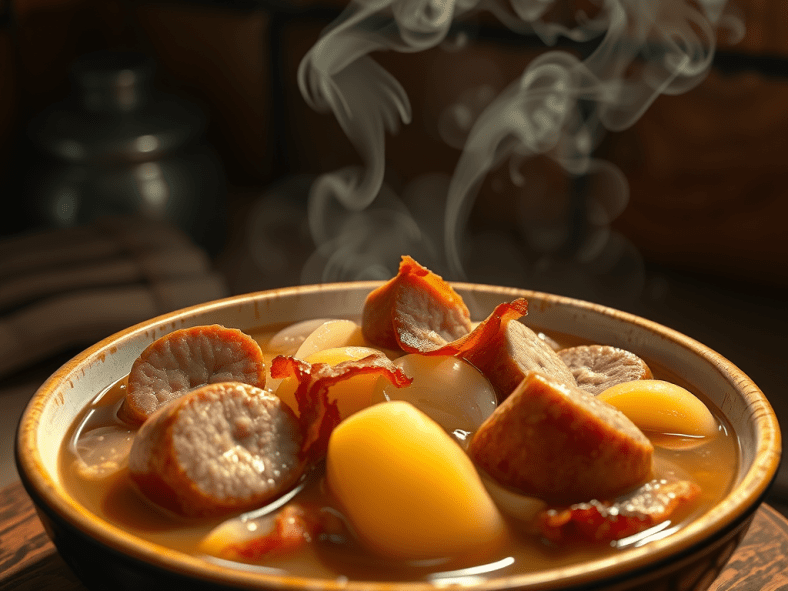
Dublin Coddle is a rich, slow-cooked stew made with sausages, bacon, potatoes, and onions, originating from Dublin, Ireland. Known as a working-class meal, this dish has been enjoyed for centuries, especially on cold evenings or after a night at the pub.

Unlike the more famous Irish stew (which uses lamb or beef), Dublin Coddle is a celebration of pork, using ingredients that were commonly available in Irish households. The slow simmering process allows the flavors to meld beautifully, creating a dish that is simple, hearty, and deeply comforting.


The History: A Traditional Dublin Dish

The origins of Dublin Coddle date back to at least the 18th century, when it became a staple of working-class families in Dublin. The name “Coddle” comes from the cooking method—slowly simmering ingredients in a pot (coddling), allowing them to become tender and flavorful.

Historically, this dish was a practical way to use up leftovers, particularly sausages and rashers (bacon). Since it could be left to simmer for hours, it became a popular meal for Irish families on Thursday nights, when Catholic households avoided eating meat the following day (Friday).

Dublin Coddle is also famously associated with Irish writers like Jonathan Swift and James Joyce, who referenced it in their works, reinforcing its status as a true Dublin classic.


What is Dublin Coddle?

Dublin Coddle is a simple but flavorful dish, made by slow-cooking pork sausages, thick-cut bacon, potatoes, and onions in a broth until everything is soft and infused with savory goodness.

Essential Ingredients of Dublin Coddle:

  • Pork Sausages: Traditionally, Irish pork sausages are used, slightly browned before simmering.
  • Bacon Rashers: Thick-cut Irish bacon (back bacon) or streaky bacon, cut into chunks.
  • Potatoes: The heart of the dish, absorbing all the rich flavors.
  • Onions: Sliced thick, adding sweetness and depth.
  • Stock or Water: Often flavored with beer, herbs, or a bouillon cube.
  • Salt & Black Pepper: For seasoning.
  • Parsley (Optional): For garnish and freshness.

Some modern versions include carrots, garlic, or even Guinness for extra depth of flavor, but the classic Dublin Coddle remains simple and rustic.


Tasting Notes: Rich, Savory, and Comforting

Dublin Coddle is a dish of deep, slow-cooked flavors:

  • The sausages are tender and juicy, having absorbed the flavors of the broth.
  • The bacon adds a smoky, salty richness, balancing the mild potatoes.
  • The onions become soft and slightly sweet, enhancing the overall depth.
  • The potatoes soak up all the savory juices, making them rich and flavorful.

Unlike stews that rely on herbs and spices, Dublin Coddle’s flavors come from the quality of its ingredients, making it a truly satisfying and comforting dish.


How Dublin Coddle is Served

Dublin Coddle is typically served straight from the pot, with its flavorful broth soaking into the ingredients.

Traditional Serving Styles:

  1. With Irish Soda Bread – Perfect for soaking up the rich broth.
  2. With a Pint of Guinness – A classic pub pairing.
  3. With Fresh Parsley Garnish – Adds color and brightness.
  4. With Mustard or Brown Sauce (Optional) – Some enjoy adding a touch of tanginess.

Dublin Coddle is best enjoyed on a chilly evening, at a family gathering, or after a night out, making it one of Ireland’s most comforting and traditional dishes.


Why Dublin Coddle is a True Irish Classic

Simple, Rustic, and Hearty – Uses basic ingredients to create deeply satisfying flavors.
Rich in Irish History – A dish that has been loved in Dublin for centuries.
Perfect for Cold WeatherWarm, filling, and ideal for chilly evenings.
One-Pot WonderEasy to make, requiring minimal effort.
Authentic Irish Pub Fare – Found in Dublin pubs and home kitchens alike.

Whether you’re enjoying it in a cozy Dublin pub or cooking it at home, Dublin Coddle is a true taste of Ireland. 🇮🇪

Worldwide Food Tour – France

A Classic of French Country Cooking

Poulet au Vinaigre (Chicken with Vinegar) is a rustic yet refined French dish, where chicken is braised in a tangy vinegar sauce that is balanced with shallots, garlic, tomatoes, and butter. Originally from the Lyonnais region, this dish exemplifies French country cooking, using simple, high-quality ingredients to create a dish that is both bold in flavor and elegantly balanced.

This dish is not as well-known as coq au vin or boeuf bourguignon, but it is a hidden gem in traditional French cuisine, perfect for those who love savory dishes with a touch of acidity and depth.


The History: A Classic of Lyonnais Cuisine

Poulet au Vinaigre is most closely associated with the Lyon region, often called the gastronomic heart of France. Traditionally, vinegar was used as a preservative and flavor enhancer, allowing chicken to be cooked slowly in a sauce that became deeply rich and complex over time.

This dish gained wider recognition thanks to Paul Bocuse, the legendary Lyonnais chef who championed traditional French bistro dishes while refining their techniques. Today, Poulet au Vinaigre remains a classic dish in many French homes and bistros, loved for its silky, glossy sauce and balanced flavors.


What is Poulet au Vinaigre?

At its core, Poulet au Vinaigre is a braised chicken dish, where chicken pieces are sautéed until golden brown, then simmered in a sauce of vinegar, shallots, and sometimes tomatoes or cream.

Essential Ingredients of Poulet au Vinaigre:

  • Chicken (Poulet): Traditionally, a whole chicken cut into pieces, but thighs or drumsticks work well.
  • Red or White Wine Vinegar: The key to the dish’s tangy, slightly sharp flavor.
  • Shallots & Garlic: Adds depth and sweetness.
  • Tomatoes (Optional): Some versions use chopped tomatoes for extra richness.
  • Butter: Softens the vinegar’s acidity and gives the sauce a silky texture.
  • Chicken Stock or White Wine: Helps deglaze the pan and build layers of flavor.
  • Cream (Optional): Some modern recipes add cream for extra richness.
  • Fresh Herbs (Tarragon or Thyme): For an aromatic finish.

The key to this dish is balancing the acidity of the vinegar with the richness of butter and chicken, creating a sauce that is velvety and full of character.


Tasting Notes: Tangy, Savory, and Buttery Smooth

A well-made Poulet au Vinaigre delivers a perfect contrast of flavors:

  • The chicken is tender and juicy, infused with the vinegar’s subtle tang.
  • The sauce is glossy and rich, with a deep savory backbone from shallots and stock.
  • The vinegar provides a mild acidity, enhancing rather than overpowering the dish.
  • Butter and wine round out the flavors, creating a luxurious finish.

This dish is comforting yet sophisticated, embodying the elegance of French bistro cooking.


How Poulet au Vinaigre is Served

Poulet au Vinaigre is traditionally served with simple, classic French sides that absorb the sauce beautifully.

Traditional Accompaniments:

  1. Crusty Baguette – Perfect for soaking up the flavorful sauce.
  2. Mashed Potatoes or Pommes Purée – Creamy potatoes balance the acidity of the dish.
  3. Rice or Buttered Noodles – Helps absorb the rich, velvety sauce.
  4. Steamed Haricots Verts (Green Beans) – A fresh, crisp contrast to the dish’s richness.

Some modern versions also serve it with roasted vegetables or simple sautéed mushrooms, adding depth to the meal.


Why Poulet au Vinaigre is a French Classic

Bold, Balanced FlavorsTangy vinegar, rich butter, and tender chicken create a beautifully complex dish.
Simple Yet Elegant – A perfect example of French bistro cooking, using few ingredients to create deep flavors.
Easy to Make at HomeOne-pan cooking, perfect for both weeknights and special occasions.
A Dish with HistoryLoved in Lyon and beyond, championed by French culinary legends.
Versatile & Customizable – Can be made with or without tomatoes and cream, allowing for different interpretations.

Whether enjoyed in a cozy French bistro or prepared in your own kitchen, Poulet au Vinaigre is a true expression of French culinary tradition—bold yet refined, simple yet extraordinary.

Worldwide Food Tour – Morocco

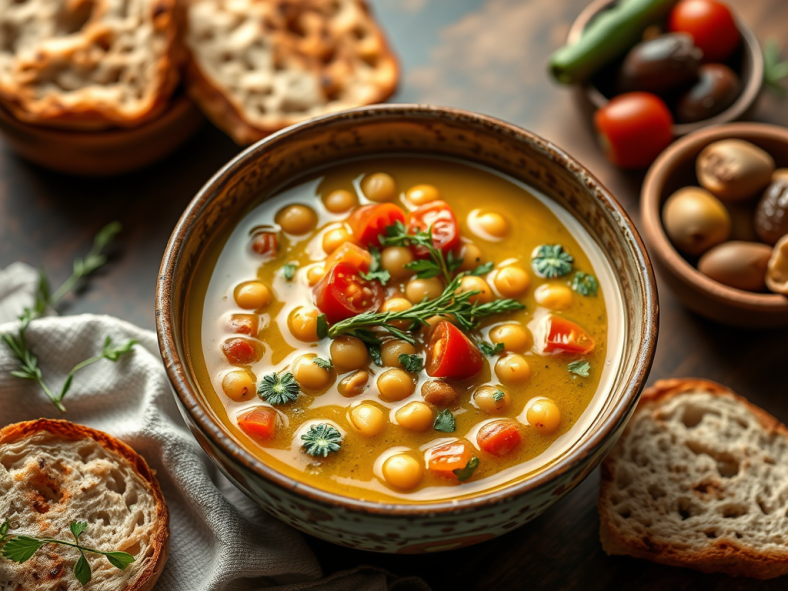
his soup is a fragrant blend of zucchini, chickpeas, tomatoes, and Moroccan spices, creating a dish that is both earthy and refreshing.

Essential Ingredients:

  • Zucchini: The star ingredient, giving the soup a soft texture and mild sweetness.
  • Chickpeas (Garbanzo Beans): Adds protein, creaminess, and a nutty depth.
  • Tomatoes: Provides acidity and richness to the broth.
  • Garlic & Onions: Classic Moroccan aromatics for flavorful depth.
  • Olive Oil: Enhances the richness of the soup.
  • Warm Moroccan Spices:
    • Cumin & Coriander: Earthy and warm.
    • Paprika: A touch of smokiness.
    • Turmeric: Adds color and a subtle bitterness.
    • Cinnamon (optional): A hint of Moroccan spice warmth.
  • Vegetable or Chicken Broth: For a light but flavorful base.
  • Fresh Herbs (Cilantro & Parsley): Brightens the dish with freshness.
  • Lemon Juice: Adds a final zing and balance to the flavors.

Tasting Notes: A Harmonious Blend of Earthy, Spiced, and Fresh Flavors

  • The zucchini softens beautifully, giving the soup a smooth, velvety texture.
  • The chickpeas add a hearty bite, making it filling without being heavy.
  • The warm Moroccan spices create a deep earthy and aromatic base.
  • The lemon juice and fresh herbs provide a bright contrast, balancing the warmth of the soup.

This soup is both soothing and invigorating, making it ideal as a light meal or an appetizer before a Moroccan feast.


How Moroccan Zucchini Chickpea Soup is Served

Traditional Serving Styles:

  1. With Warm Crusty Bread (Khobz) – A traditional Moroccan bread to scoop up the soup.
  2. With a Side of Olives & Dates – A common Moroccan pairing to balance flavors.
  3. With a Drizzle of Olive Oil & Extra Herbs – For added richness and freshness.
  4. With Harissa on the Side – If you like it spicy, a spoonful of harissa chili paste elevates the dish.

This soup is commonly enjoyed during Ramadan, as it is light yet nourishing—providing energy without being overly heavy.


Why Moroccan Zucchini Chickpea Soup is a Must-Try Dish

Healthy & Nourishing – Packed with fiber, protein, and vitamins from zucchini and chickpeas.
Rich in Moroccan Flavors – Uses signature Moroccan spices and herbs for deep flavor.
Light Yet Satisfying – A perfect balance of warmth and freshness.
Simple & Customizable – Can be made vegetarian or with chicken broth for extra richness.
Perfect for All Seasons – Enjoy it warm in winter or slightly chilled in summer.

From Moroccan home kitchens to North African cafés, this soup embodies the heart of Moroccan cookingwarm, inviting, and deeply satisfying.