Worldwide Food Tour – England

A Dish Born from Frugality and Tradition

Few dishes in British cuisine are as cherished and steeped in tradition as Yorkshire pudding. Though humble in its ingredients, this golden, airy delight is an essential component of a traditional Sunday roast dinner in England. Originally devised as a way to make the most of a meager pantry, Yorkshire pudding has become a symbol of British culinary ingenuity, transforming simple batter into a crispy-yet-pillowy accompaniment.

Hailing from Yorkshire in northern England, this dish has been enjoyed for centuries, evolving from a frugal side dish to a nationally beloved comfort food. Whether served with roast beef and gravy, as part of a full meal, or even as a dessert with jam, Yorkshire pudding is a testament to the versatility of British cooking.


The History: A Clever Way to Stretch a Meal

Yorkshire pudding has its roots in the 18th century, when it was first recorded as “dripping pudding.” Before ovens had regulated temperatures, large joints of meat were roasted on spits over an open fire, with fat and juices dripping down into a pan placed below. Cooks in Yorkshire realized that if they poured a simple batter of flour, eggs, and milk into that pan, it would puff up and become a satisfying, crispy, and slightly chewy dish—perfect for filling up hungry diners before the costly meat was served.

The earliest known recipe appeared in Hannah Glasse’s 1747 cookbook, “The Art of Cookery Made Plain and Easy,” where it was officially named Yorkshire Pudding. Over time, the dish became a staple across England, particularly as a companion to roast beef in a traditional Sunday roast.

The importance of Yorkshire pudding in British culture is so profound that in 2008, the Royal Society of Chemistry even declared that a proper Yorkshire pudding must rise at least four inches to be considered authentic!


What is Yorkshire Pudding?

Despite its name, Yorkshire pudding is not a dessert like an American pudding but rather a savory baked dish made from a thin, pancake-like batter. It is light and airy on the inside while crispy and golden on the outside.

A classic Yorkshire pudding is made from four key ingredients:

  • Flour – Provides structure and crispness
  • Eggs – Help create a light, fluffy texture
  • Milk – Adds richness and forms a smooth batter
  • Beef Drippings or Oil – Essential for achieving a crisp, golden exterior

The secret to a successful Yorkshire pudding lies in extremely hot fat and a very hot oven. The batter is poured into preheated, smoking-hot muffin tins or a roasting pan with beef drippings, causing an instant sizzle that helps create the classic dramatic rise and hollow center.

It can be made in individual portions (muffin-sized) or as a large, pan-baked pudding that is sliced and served.


Tasting Notes: A Delicate Balance of Crisp and Airy

A well-made Yorkshire pudding delivers a satisfying contrast in textures:

  • The exterior is crisp and golden-brown, with a delicate crunch that shatters slightly as you bite in.
  • The interior is soft, eggy, and airy, almost like a popover or a soufflé, but with a bit more chew.
  • The flavor is rich and slightly savory, enhanced by the depth of the beef drippings if used. However, it remains neutral enough to soak up gravy, meat juices, or even sweet toppings like jam when served in different contexts.

Yorkshire pudding is best enjoyed fresh from the oven, when its textures are at their peak.


How Yorkshire Pudding is Served

1. The Classic: With Roast Beef and Gravy

The most traditional way to enjoy Yorkshire pudding is alongside roast beef, gravy, and vegetables in a Sunday roast dinner. The pudding is perfect for sopping up the rich, meaty juices, adding both texture and flavor to the meal.

2. As a Starter (Old Tradition)

Historically, Yorkshire pudding was served before the main meal, drizzled with gravy. This was a way to fill diners up cheaply before the more expensive meat was served.

3. Toad in the Hole

Another British classic, Toad in the Hole, takes the Yorkshire pudding batter and bakes sausages inside it, creating a heartier, more substantial dish.

4. As a Dessert

In some parts of England, Yorkshire pudding is even served as a sweet dish, topped with golden syrup, jam, or even cream—a testament to its versatility.


Beyond Yorkshire: A Dish Loved Around the World

While Yorkshire pudding is most famous in England, similar dishes exist in various forms across the world. The American popover is nearly identical, and the Dutch baby pancake shares many similarities but leans more toward the sweet side.

Today, Yorkshire pudding is a staple in British households and pub menus, and its reputation continues to spread globally. Whether paired with a roast, sausages, or even something sweet, Yorkshire pudding remains a timeless, comforting delight that embodies the heart and soul of English cuisine.
Worldwide Food Tour – Brazil

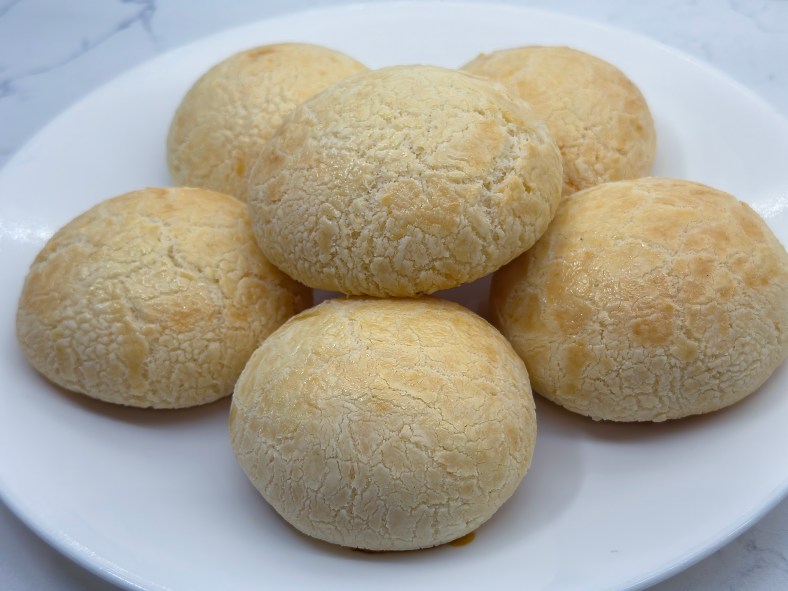
Pão de queijo, or Brazilian cheese bread, is a delightful small, round bread roll that’s remarkably crispy on the outside and wonderfully chewy and soft on the inside. What makes it particularly special is that it’s naturally gluten-free, made with tapioca flour (also called manioc or cassava flour) instead of wheat flour.

The bread gets its distinctive taste and texture from the combination of tapioca flour, eggs, milk, oil, and generous amounts of cheese – traditionally Minas cheese, though parmesan is commonly used today. When baked, the tapioca flour creates a uniquely chewy, slightly elastic texture that’s quite different from traditional wheat breads.

The history of pão de queijo dates back to Brazil’s colonial period in the 18th century. It originated in the state of Minas Gerais, where African enslaved people working in the mines would sift cassava root to make tapioca flour. Initially, the rolls were made simply with tapioca flour and water. As dairy became more available in the region, cheese was incorporated into the recipe, creating the beloved snack we know today.

Today, pão de queijo is enjoyed throughout Brazil and beyond, particularly for breakfast or as an afternoon snack with coffee. It’s sold everywhere from corner bakeries to coffee shops, and many Brazilians make it at home. The rolls are best enjoyed warm, right out of the oven, when the cheese is still gooey and the exterior is at its crispiest. Their popularity has grown internationally, particularly as awareness of gluten-free diets has increased.

Worldwide Food Tour – Russia

Shchi is a traditional Russian cabbage soup that has been a cornerstone of Russian cuisine for over a thousand years. The basic version combines fresh or fermented cabbage with meat broth (typically beef), root vegetables like carrots and potatoes, onions, and aromatic herbs. In leaner times or during Orthodox fasting periods, a meatless version called “empty shchi” was common.

The soup has a hearty, tangy flavor profile, especially when made with sauerkraut. The long, slow cooking process allows the flavors to meld together, creating a rich broth where the sweetness of carrots balances the sourness of cabbage. It’s often finished with fresh dill and a dollop of sour cream (smetana).

Russian black bread (černyj xleb) is the traditional accompaniment to shchi. This dense, dark sourdough rye bread gets its distinctive color and complex flavor from a combination of rye flour, molasses, and sometimes coffee or dark beer. The bread often includes caraway seeds and has a slightly sour taste with a thick, chewy crust and moist interior.

The history of these foods is deeply intertwined with Russian culture. Shchi was so fundamental to Russian diet that there’s an old saying: “Щи да каша – пища наша” (Shchi and porridge are our food). The soup’s popularity was partly due to cabbage being one of the few vegetables that could be preserved through the long Russian winters.

Black bread similarly became a staple because rye could grow in the harsh Russian climate where wheat often failed. During the Siege of Leningrad in World War II, the recipe for the city’s black bread was adjusted to include sawdust and other fillers, becoming a symbol of both survival and suffering.

Together, shchi and black bread represent the resourcefulness and endurance that characterized much of Russian peasant cuisine, creating deeply nourishing food from available ingredients that could sustain people through harsh winters and difficult times.

Worldwide Food Tour – Nigeria

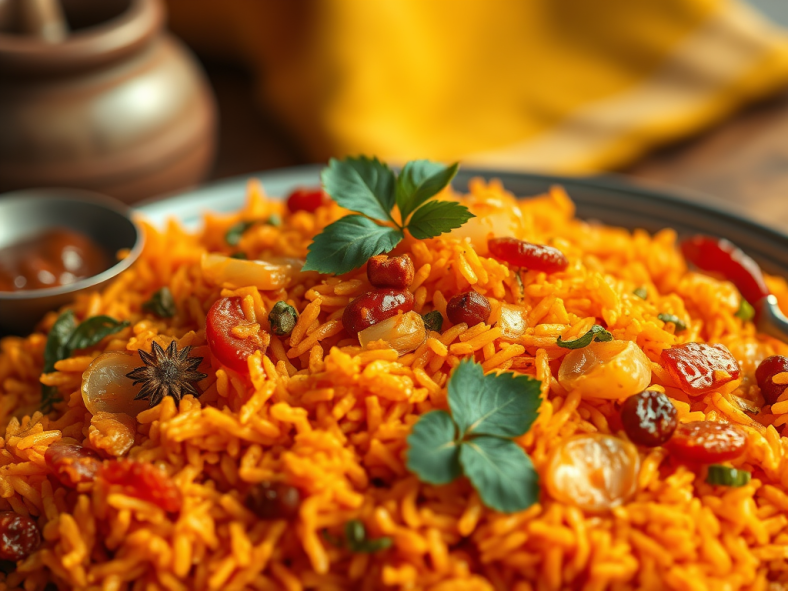
Jollof rice is a beloved West African dish consisting of rice cooked in a rich tomato-based sauce with onions, peppers, and a complex blend of spices. The rice absorbs the sauce as it cooks, taking on a distinctive orange-red color and intense flavor.

The dish typically includes garlic, ginger, thyme, curry powder, and sometimes Scotch bonnet peppers for heat. Regional variations exist – Nigerian Jollof often uses long-grain rice and a smokier flavor, while Ghanaian Jollof tends to use jasmine rice and a different spice profile.

Jollof’s origins are traced to the Wolof people of Senegal, where it was known as “thieboudienne.” It spread throughout West Africa during the Mali Empire’s trading period. Today, it’s a source of friendly rivalry between West African nations, particularly Nigeria and Ghana, over who makes the best version.

The dish is essential at celebrations and gatherings, from weddings to family dinners. Its popularity has spread globally, becoming a symbol of West African cuisine and cultural identity.

Worldwide Food Tour – Pakistan

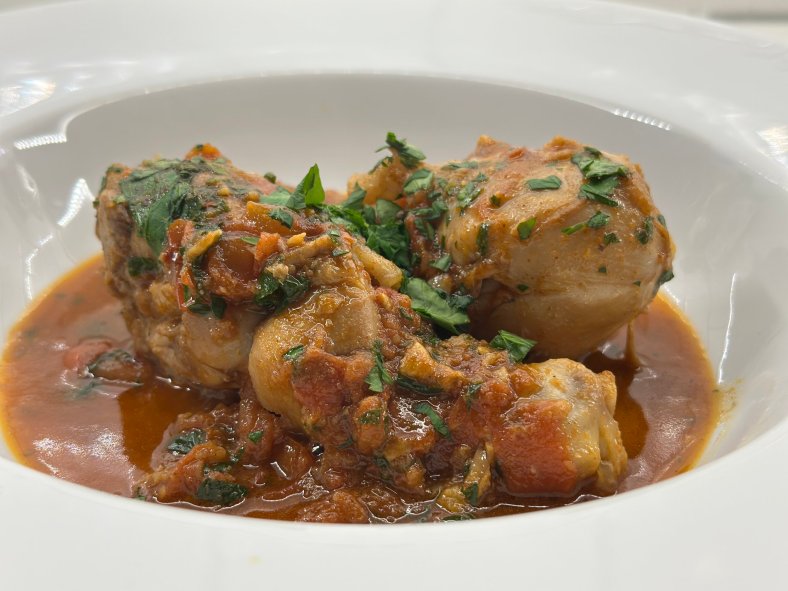
Karahi (also spelled Kahari or Kadai) is a rich, aromatic Pakistani/North Indian dish named after the deep, circular cooking pot it’s traditionally prepared in. The dish features chicken cooked in a thick tomato-based gravy with ginger, garlic, and fresh green chilies.

The sauce is characterized by its concentrated, intensely spiced flavor profile, typically featuring whole spices like cumin, coriander, and black peppercorns. Fresh tomatoes are cooked down until they form a thick, clingy sauce that coats the tender chicken pieces.

The dish originated in the North-West Frontier Province (now Khyber Pakhtunkhwa) of Pakistan and gained popularity throughout the subcontinent. It’s typically served sizzling hot in its namesake karahi vessel, garnished with fresh coriander, julienned ginger, and served with naan or roti to scoop up the rich gravy.

Unlike many Indian curries, Karahi uses minimal ground spices and doesn’t typically include onions in its base, giving it a distinctively fresh, bright flavor that highlights the tomatoes and aromatics.

Worldwide Food Tour – Jamaica

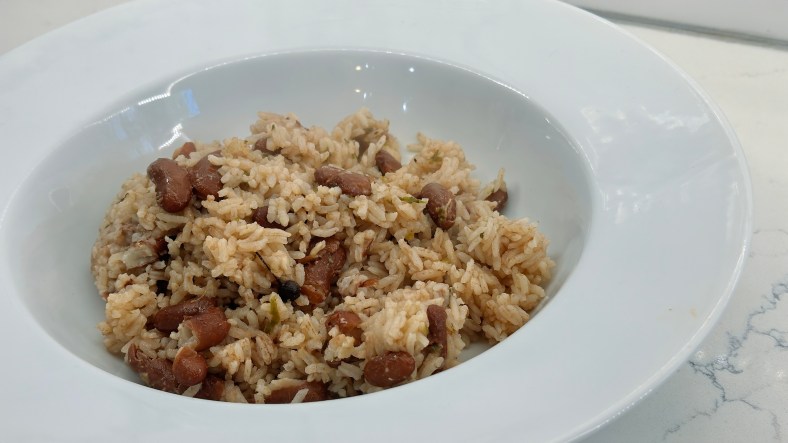
Jamaican rice and peas is a beloved staple of Caribbean cuisine, though interestingly, the “peas” in question are actually red kidney beans. This hearty dish combines rice and beans with coconut milk, giving it a rich, creamy texture and subtle sweetness that perfectly complements its savory elements.

The dish is flavored with aromatic ingredients including fresh thyme, scallions, garlic, and Scotch bonnet peppers (which are usually left whole to impart flavor without too much heat). A key ingredient is allspice (known as pimento in Jamaica), which adds a warm, distinctive flavor. The combination of coconut milk and these seasonings creates the dish’s characteristic aromatic and flavorful profile.

Traditionally served on Sundays and at special occasions, rice and peas has deep cultural roots tracing back to the days of slavery. The dish is believed to have West African origins, adapted by enslaved people using available Caribbean ingredients. The use of red kidney beans rather than black-eyed peas (which were more common in West Africa) represents this adaptation to local ingredients.

The dish is so fundamental to Jamaican cuisine that it’s often called “coat of arms” rice because of its ubiquity on Sunday dinner tables. While it’s traditionally a Sunday meal, it’s now enjoyed throughout the week and is a perfect accompaniment to other Jamaican dishes like jerk chicken, curry goat, or oxtail stew.

Fun fact: despite the common substitution of kidney beans, some traditional recipes still use pigeon peas (known as gungo peas in Jamaica), particularly around Christmas time, when they’re in season.

Worldwide Food Tour – Gambia

Domoda is a rich and hearty West African stew, particularly popular in The Gambia where it’s often considered the national dish. The star ingredient is ground peanuts (groundnuts) or peanut butter, which creates a thick, creamy sauce base.

The stew typically combines meat (commonly beef, lamb, or chicken) with a blend of tomatoes, onions, and garlic. The peanut-based sauce is enhanced with tomato paste and a mix of spices. Root vegetables like carrots, potatoes, or sweet potatoes are often added, making it a complete one-pot meal. Some versions include hot peppers for added heat.

The taste is complex and satisfying – simultaneously nutty, savory, and slightly sweet from the natural sweetness of the peanuts. The meat becomes tender through slow cooking, while the sauce develops a velvety texture that’s perfect for serving over rice.

As for its history, Domoda reflects the importance of groundnuts in West African cuisine and culture. Peanuts were introduced to Africa by Portuguese traders in the 16th century and quickly became a staple crop. The dish exemplifies how African cooks masterfully incorporated this “new” ingredient into their traditional cooking methods, creating something entirely unique and deeply flavorful.

I’m not sure what I did wrong here – but the peanut flavor didn’t really come through – all I tasted were the spices. I sourced the recipe from a cook in the country so I tried to be as authentic as possible. It’s not something I think I’ll make again but it was interesting to get a feel for West African cuisines.

Worldwide Food Tour – Greece

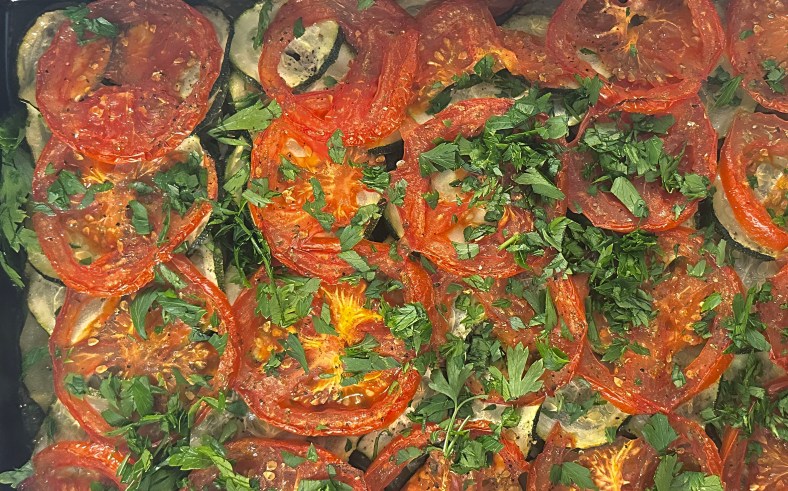
Briam is a traditional Greek vegetable dish that showcases the Mediterranean diet’s emphasis on simple, wholesome ingredients. It consists primarily of sliced summer vegetables – typically eggplant, zucchini, potatoes, and tomatoes – layered in a baking dish and generously drizzled with olive oil. Red onions, garlic, and fresh herbs like parsley and oregano are added for extra flavor.

The dish has a rich, comforting taste with each vegetable maintaining its distinct character while melding together through slow roasting. The tomatoes and olive oil create a light sauce that brings everything together, while the edges of the vegetables become slightly crispy, adding textural contrast. When properly cooked, the potatoes become tender, the zucchini maintains a slight bite, and the eggplant develops a creamy texture.

Briam is believed to have originated in Turkey and spread throughout the Balkans, with each region developing its own variation. In Greece, it’s particularly popular during summer when the vegetables are at their peak. It’s a prime example of “ladera,” Greek dishes cooked in olive oil, and reflects the resourceful nature of Mediterranean cooking where simple ingredients are transformed into satisfying meals.

I made the dish with peak summer vegetables and it was really quite good – so much so that next summer I have plans to make it again, perhaps with some tweaks!

Worldwide Food Tour – Senegal

Maafe has its origins in the Manding (Mande) people, who historically inhabited present-day Senegal, Mali, and Guinea. It is believed to have been created centuries ago, when groundnuts (peanuts) were introduced to Africa through Portuguese traders in the 16th century.

Over time, peanuts became a staple crop in West Africa, leading to the development of rich, peanut-based stews like Maafe. The dish spread across the Sahel region, becoming a fundamental part of the cuisines of Mali, Gambia, Guinea, Nigeria, and Ivory Coast.

While Maafe is most closely associated with Senegal, it is widely popular across Francophone West Africa, with slight variations in ingredients and cooking techniques depending on the region.


What is Maafe?

At its core, Maafe is a peanut-based stew, thickened with tomatoes, spices, and vegetables, and often served with rice, couscous, or fufu. The dish’s rich, nutty flavor is balanced by the acidity of tomatoes, the savoriness of slow-cooked meat, and the earthy warmth of West African spices.

Essential Ingredients of Maafe:

  • Meat (or Protein): Typically chicken, beef, lamb, or even fish. Some vegetarian versions use tofu or chickpeas.
  • Peanut Butter (Groundnut Paste): The defining ingredient, giving the dish its signature creamy texture and nutty richness.
  • Tomatoes & Tomato Paste: Adds depth, acidity, and umami.
  • Onions & Garlic: Provide a strong aromatic base.
  • Vegetables: Often includes carrots, sweet potatoes, cabbage, okra, or potatoes for added heartiness.
  • Spices:
    • Ginger & Bay Leaves – For warmth and fragrance.
    • Chili Peppers or Scotch Bonnet – For a spicy kick (Maafe can be mild or fiery!).
    • Cumin & Coriander – For subtle earthiness.
  • Stock or Water: Helps create the luscious, thick sauce.

Some regional versions add coconut milk for extra creaminess, while others incorporate mustard, tamarind, or fermented locust beans for a deeper umami flavor.


Tasting Notes: A Perfect Balance of Nutty, Savory, and Spicy

A bowl of Maafe is deeply satisfying and complex:

  • The peanut butter gives it a creamy, silky texture, coating every bite with rich, nutty flavor.
  • The tomatoes add a bright acidity, balancing the richness of the groundnuts.
  • The meat is fork-tender, infused with the slow-simmered spices and sauce.
  • The vegetables absorb the flavorful broth, adding natural sweetness and texture.
  • The spices and chili bring a gentle heat, making every bite warming and fragrant.

Maafe’s comforting richness makes it the perfect dish for both everyday meals and festive occasions.


How Maafe is Served

Maafe is traditionally enjoyed as a communal meal, served with a starchy base to soak up the flavorful sauce.

Common Accompaniments:

  1. Steamed White Rice – The most common pairing, allowing the peanut sauce to shine.
  2. Couscous – Popular in Senegal and Mali, giving a light, fluffy contrast to the thick stew.
  3. Fufu (Pounded Yam or Cassava) – A traditional West African choice, perfect for scooping up the sauce.
  4. Bread – Sometimes served with crusty baguette (a French colonial influence).

In Senegal, Maafe is often eaten family-style, with people gathered around a large communal bowl, scooping up the stew with rice or bread.


Beyond Senegal: Maafe’s Influence Across West Africa

While Maafe is most famous in Senegal, it has many variations across West Africa:

  • In Mali, it’s called Tigadegena and often includes more vegetables.
  • In Gambia and Guinea, it is spicier and sometimes made with fish instead of meat.
  • In Nigeria and Ghana, peanut stews are similar but use local spices and ingredients.

No matter the version, the rich, nutty, and deeply comforting essence of Maafe remains the same.


Why Maafe is One of Senegal’s Most Beloved Dishes

Rich & Flavorful – A perfect harmony of peanuts, tomatoes, and spices.
Comforting & Hearty – A warming, satisfying meal that fills you up.
Versatile – Can be made with chicken, beef, lamb, fish, or even vegetarian.
A Dish with History – A centuries-old recipe with deep cultural roots in West Africa.
Perfect for Sharing – A communal dish that brings people together over good food.

Whether you’re enjoying it in Dakar, Bamako, or your own kitchen, Maafe is a taste of West African tradition in every spoonful.

Worldwide Food Tour – Chile

Chilean Cheese Empenadas

Looking up what Chile was known for I saw a lot of possible options – but one really stuck out to me as it was something I hadn’t tried to make yet and that was empenadas. I did the research and found the correct cheeses you should use and how to make the dough and set about making empenadas that could taste like the ones I’ve had at places like Raul’s. I quickly found out that the dough isn’t as easy to handle as most dough and ensuring a tight seal so no cheese leaked out would prove to be difficult. I managed to have a few that survived the frying more or less intact and they were pretty good – but I think I didn’t make the dough thin enough – it was overly chewy and the texture wasn’t as crispy as I wanted.

I think next time I’ll just buy the empenada wrappers from the grocery store – sure it’s not ‘homemade’ but at least they’re consistent!