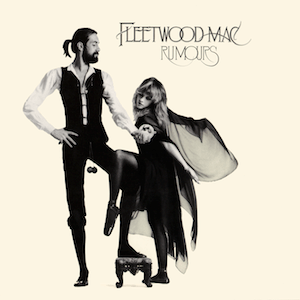
Fleetwood Mac – Rumours

Love, Loss, and Lots of Cocaine

Released: February 4, 1977

If you’ve ever wondered what happens when two couples break up, another relationship crumbles, and everyone involved has to keep working together while having access to unlimited studio time and a blizzard of cocaine, well, “Rumours” is your answer. The miracle isn’t just that this album got made—it’s that it turned out to be one of the greatest albums ever recorded.

“Second Hand News” kicks things off with Lindsey Buckingham channeling his frustration into what might be history’s most upbeat kiss-off. The production is immaculate, with layers of acoustic guitars creating a rhythmic foundation that makes heartbreak sound like a party you actually want to attend.

“Dreams” follows, with Stevie Nicks delivering a masterclass in ethereal revenge. Only Stevie could make a song about romantic devastation sound like it was written by a mystical wizard floating on a cloud. The track’s groove is so hypnotic it could probably solve international conflicts if played at the right diplomatic summit.

“Never Going Back Again” serves as Buckingham’s acoustic guitar flexing session, proving that sometimes the best way to deal with relationship trauma is to play so many intricate fingerpicking patterns that your ex’s head spins. The song is brief but packs more technical prowess into two minutes than most guitarists manage in their entire careers.

Christine McVie provides “Don’t Stop,” the album’s most optimistic moment, which is a bit like being the happiest person at a funeral. The song would later become Bill Clinton’s campaign theme, proving that even politicians occasionally have good taste in music.

“Go Your Own Way” might be the most passive-aggressive use of harmonies in rock history. There’s something beautifully twisted about having your ex sing backing vocals on a song about how terrible they are. The drum fill leading into the final chorus should be in a museum somewhere.

“Songbird” offers a moment of gentle reprieve, with Christine McVie proving that at least one person in Fleetwood Mac could write about love without needing an exorcism afterward. The song’s sincerity almost feels like it got lost and wandered in from another album entirely.

“The Chain,” the only song credited to all five members, is what happens when shared trauma creates accidental genius. That bass line in the bridge could raise the dead, or at least raise enough questions about what exactly was in that studio coffee.

“You Make Loving Fun” is Christine McVie’s ode to her new love (who wasn’t in the band, thankfully—there were enough relationship dynamics to keep track of already). The irony of recording this while her ex-husband John played bass on it is the kind of thing you couldn’t make up if you tried.

“I Don’t Want to Know” and “Oh Daddy” keep the emotional rollercoaster rolling, before “Gold Dust Woman” closes the album with Stevie Nicks at her most mystically menacing. It’s the sound of the 1970s California music scene eating itself alive in the most beautiful way possible.

⭐⭐⭐⭐⭐ (5/5 stars)

Final Thoughts: “Rumours” is probably the only time in history that relationship dysfunction produced something that actually made the world better. Its only flaw might be that it set an unrealistic standard for breakup albums—not everyone has access to multiple genius songwriters, world-class studios, and enough chemical enhancement to power a small city. The album’s legacy is a testament to the power of turning personal chaos into professional triumph. It’s also proof that sometimes the worst thing for your personal life can be the best thing for your art. Just don’t try this at home, kids—having your entire band engage in romantic musical chairs isn’t a recommended career strategy. But if you do find yourself in the middle of romantic turbulence, at least you’ll have the perfect soundtrack.

Prince – Purple Rain

When Prince Turned Minnesota Purple

Released: June 25, 1984

In 1984, while everyone else was worried about Big Brother watching them, Prince was busy creating an album so monumentally sexy that it made George Orwell’s dystopian predictions seem quaint by comparison. “Purple Rain” isn’t just an album—it’s what happens when unstoppable ambition meets unlimited talent and a seemingly unlimited collection of ruffled shirts.

The album kicks off with “Let’s Go Crazy,” which begins with what sounds like a funeral sermon and ends up being the most energetic eulogy in history. It’s the only church service that transitions into a guitar solo so explosive it probably violated several noise ordinances. The song serves as both a mission statement and a warning: buckle up, this isn’t going to be your typical pop record.

“Take Me With U” follows, featuring Apollonia in a duet that makes you believe in love, even if that love involves matching motorcycle outfits. It’s the kind of song that makes you want to hop on a Purple Rain-era Honda and ride off into the Minneapolis sunset, preferably while wearing at least three different types of lace.

Then there’s “The Beautiful Ones,” where Prince manages to make vocal cord shredding sound like an art form. The song builds from a gentle falsetto to a scream that probably had insurance adjusters checking nearby buildings for structural damage. It’s a master class in dynamics, desire, and how to make synthesizers sound like they’re having emotional breakdowns.

“Computer Blue” starts with the immortal lines “Wendy? Yes Lisa. Is the water warm enough? Yes Lisa.” Which either means something deeply profound or proves that Prince could make literally anything sound cool. The song then launches into a technological funk workout that makes most prog rock bands sound like they’re playing with Fisher-Price instruments.

“Darling Nikki” was so scandalous it made Tipper Gore create the Parents Music Resource Center, which is honestly a better endorsement than any review could provide. It’s the kind of song that makes you understand why some people thought rock music was Satan’s doing, and also why Satan might have pretty good taste in music.

The album’s second half opens with “When Doves Cry,” a song that rewrote the rules of pop music by removing the bass line, which in 1984 was like removing the wheels from a car and somehow making it run better. It’s funk denial at its finest, creating a new genre that nobody has quite figured out how to replicate because, well, they’re not Prince.

“I Would Die 4 U” is either a love song, a messianic declaration, or both. Only Prince could make spiritual ambiguity this danceable. The track flows seamlessly into “Baby I’m A Star,” which isn’t so much a statement as it is a fact being reported to the universe. It’s Prince at his most confident, which is saying something for a man who regularly wore high heels on stage and made them look completely reasonable.

Finally, there’s “Purple Rain,” a power ballad so perfect it makes other power ballads want to quit and become accountants. It’s gospel, rock, soul, and funk all having a religious experience at the same time. The guitar solo alone should have its own wing in the Rock and Roll Hall of Fame. It’s the sound of someone reaching musical nirvana while simultaneously inventing a new color.

⭐⭐⭐⭐⭐ (5/5 stars)

Final Thoughts: “Purple Rain” is what happens when an artist operating at the peak of their powers decides to show off every single thing they can do in the span of nine songs. Its only flaw might be that it raised the bar so high that Prince had to spend the rest of his career competing with himself, which he somehow managed to do successfully for three more decades. The album is a masterpiece of ambition, execution, and sheer audacity. It’s the sound of someone who knows they’re the coolest person in the room, even if that room is the entire world. If aliens ever land and ask what Earth music was like, just play them “Purple Rain.” Though you might want to skip “Darling Nikki” depending on their cultural sensitivities. Then again, if they can’t handle Prince at his most provocative, do we really want to make first contact?

Bob Dylan – Blood on the Tracks

Dylan’s Beautiful Bummer of a Breakup Album

Released: January 20, 1975

If heartbreak had a sound, it would be Bob Dylan’s voice cracking on side one of “Blood on the Tracks.” Following his separation from his wife Sara, Dylan created what might be history’s most eloquent version of the “It’s not you, it’s me… but actually it’s definitely you” conversation. Think of it as the singer-songwriter equivalent of drunk-texting your ex, if your drunk texts were somehow worthy of the Nobel Prize in Literature.

The album opens with “Tangled Up in Blue,” a masterpiece that somehow makes getting dumped sound like an epic adventure worthy of Homer. Dylan jumps through time like a quantum physicist with relationship issues, proving that even when you’re telling a story about love gone wrong, chronological order is optional. The song has more perspectives than a cubist painting, with Dylan switching from first to third person like he’s trying to convince himself it all happened to somebody else.

“Simple Twist of Fate” follows, and there’s nothing simple about it except Dylan’s ability to rip your heart out in under five minutes. It’s the kind of song that makes you want to call everyone you’ve ever dated and apologize, even if you don’t know what for. The harmonica solo sounds like it’s being played by someone who just found out their dog died, and I mean that as the highest compliment.

“You’re a Big Girl Now” might be the most patronizing title since “Baby, It’s Cold Outside,” but the song itself is a stunning admission of vulnerability. When Dylan sings “I can change, I swear,” you can almost hear every therapist in America collectively sighing. This is followed by “Idiot Wind,” which might be the most elaborate way anyone has ever said “Well, you’re stupid too!” after a breakup. It’s like a diss track written by Shakespeare—brutal, poetic, and occasionally incomprehensible.

“You’re Gonna Make Me Lonesome When You Go” is the sound of someone trying to be cool about an impending breakup and failing miserably. It’s like telling someone “I’m totally fine with this” while ugly-crying into your pillow. The country-tinged arrangement is so sweet it almost masks the fact that Dylan is basically saying “Thanks for the future trauma!”

“Meet Me in the Morning” proves that even Bob Dylan gets the blues, though his version involves more obscure literary references than most. It’s followed by “Lily, Rosemary and the Jack of Hearts,” an epic tale that makes Game of Thrones seem straightforward by comparison. It’s either a complex metaphor for love and loss or Dylan just really wanted to write a cowboy story. Either way, it’s magnificent.

“If You See Her, Say Hello” is the sound of someone pretending to be over their ex while clearly not being over their ex. It’s like running into them at the grocery store and acting totally casual while secretly hoping they notice how well you’re doing (spoiler alert: Dylan was not doing well).

The album closes with “Buckets of Rain,” which feels like Dylan finally reaching the acceptance stage of grief, though in typical Dylan fashion, he gets there by way of surrealist imagery and references to chicken shacks. It’s either profound or nonsensical, and somehow it’s both at the same time.

⭐⭐⭐⭐⭐ (5/5 stars)

Final Thoughts: “Blood on the Tracks” is the sound of a master songwriter turning personal pain into universal art. It’s like reading someone’s diary, if that someone happened to be the greatest lyricist of the 20th century. The album’s only flaw might be that it’s so good it makes your own breakup songs sound like nursery rhymes in comparison. Dylan doesn’t just wear his heart on his sleeve here—he takes it out, examines it under a microscope, and then describes it in terms so poetic they make Leonard Cohen sound like a greeting card writer. It’s the kind of album that makes you grateful for great art while simultaneously making you hope you never go through what it took to create it. If you’re going through a breakup, this album is either the best or worst thing you could possibly listen to. Possibly both.

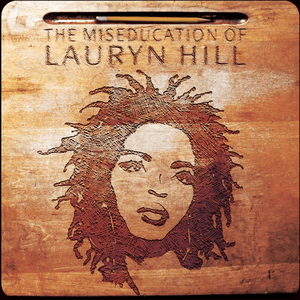
Lauryn Hill – The Miseducation of Lauryn Hill

A Masterclass in Soul, Hip-Hop, and Raw Honesty

Released: August 25, 1998

Sometimes an album comes along that doesn’t just capture a moment—it defines an era. “The Miseducation of Lauryn Hill” isn’t just Lauryn Hill’s solo debut; it’s a testament to what happens when an artist bares their soul without compromise, when commercial success and artistic integrity dance in perfect harmony.

Fresh from her success with the Fugees, Hill could have easily churned out “The Score 2.0.” Instead, she chose to demolish expectations and genre boundaries, creating something that feels less like an album and more like a revelation. The record opens with the sound of a teacher calling roll, absent students echoing the absences in Hill’s own life, and from there, we’re enrolled in a masterclass of musical storytelling.

“Lost Ones” kicks in with the force of a heavyweight’s right hook, Hill’s razor-sharp verses establishing her as both victor and victim in love’s battlefield. But it’s not just about flexing lyrical muscles—this is someone working through their pain in real-time, turning personal catharsis into universal truth.

The production throughout is a love letter to Black music in all its forms. Hill and her team weave together soul, reggae, R&B, and hip-hop with the skill of master quilters, creating something both nostalgic and startlingly new. “Ex-Factor” samples Wu-Tang’s “Can It Be All So Simple” (itself a Gladys Knight sample) and transforms it into a heartbreak anthem for the ages. The way Hill stretches “care for me” into a multi-syllabic cry of pain should be studied in vocal performance classes.

Then there’s “Doo Wop (That Thing)”—a track that somehow managed to criticize both men and women’s behavior in relationships while making everyone want to dance. It’s a perfect pop song that doesn’t sacrifice an ounce of intelligence or authenticity. The fact that it topped the Billboard Hot 100 proves that sometimes the masses get it right.

“To Zion,” featuring Carlos Santana’s sublime guitar work, transforms what could have been a simple ode to her firstborn into a powerful statement about choosing motherhood over industry expectations. When Hill sings “Look at your career, they said / Lauryn, baby, use your head,” you can hear the weight of every woman who’s ever been told to choose between their art and their heart.

The interludes, featuring children discussing love, serve as more than mere transitions—they’re a Greek chorus commenting on the album’s themes of love, loss, and learning. Hill understood that sometimes the most profound truths come from the mouths of babes.

What’s remarkable is how the album manages to be both deeply personal and universally resonant. Songs like “Everything Is Everything” and “Nothing Even Matters” (featuring D’Angelo in all his neo-soul glory) speak to both specific experiences and eternal truths. Hill’s lyrics move effortlessly between street poetry and biblical references, creating a work that’s as spiritually rich as it is socially conscious.

⭐⭐⭐⭐⭐ (5/5 stars)

Final Thoughts: “The Miseducation of Lauryn Hill” stands as one of the most impressive debut solo albums in music history. Its only flaw might be the impossibly high bar it set—even Hill herself has yet to release a proper follow-up, perhaps knowing the futility of trying to capture lightning in a bottle twice. The album seamlessly blends the personal and political, the spiritual and the sensual, creating a work that feels as vital and relevant today as it did in 1998. It’s not just an album—it’s a blueprint for how to make music that matters, music that heals, music that tells the truth. In an era of careful brand management and focus-grouped releases, we need its raw honesty more than ever.

The Beatles – Revolver

The Beatles’ Psychedelic Revolution

Released: August 5, 1966

In the sweltering summer of 1966, The Beatles unleashed an album that would forever alter the landscape of popular music. “Revolver” isn’t just a collection of songs—it’s a declaration of artistic independence, a middle finger to the constraints of conventional pop, and quite possibly the moment when four mop-topped heartthrobs truly became legends.

Gone are the simple love songs and yeah-yeah-yeahs that defined their early career. In their place stands a kaleidoscopic journey through psychedelia, Eastern philosophy, orchestral arrangements, and tape loops that would make an avant-garde composer blush. The album opens with the biting taxation commentary of “Taxman,” George Harrison’s sardonic greeting to the British government, and from there, it’s clear we’re not in Hamburg anymore, folks.

Speaking of Harrison, “Revolver” marks his emergence as a songwriting force within the band. His contributions here are essential, not merely complementary. This is the album where George stopped being “the quiet one” and started being “the one you really need to pay attention to.”

McCartney’s contributions showcase his increasing sophistication as a composer. “Eleanor Rigby” pairs stark imagery with baroque strings, creating what might be pop music’s first legitimate art song. Meanwhile, “Here, There and Everywhere” proves he could still write a love song that would make your grandmother swoon—if your grandmother was into revolutionary chord progressions and sublimely complex vocal arrangements.

But it’s Lennon who pushes the envelope furthest into the bizarre and beautiful. His experiments with tape loops and reverse recordings on “Tomorrow Never Knows” created a template for psychedelic rock that artists are still trying to replicate today. It’s the sound of a man who’s discovered LSD and Indian mysticism, and decided that pop music needed both.

The production, helmed by George Martin, deserves its own chapter in recording history. The innovative use of ADT (Automatic Double Tracking), varied tape speeds, and close-mic techniques created sounds that engineers would spend the next decade trying to figure out. This is the album where the studio truly became an instrument in its own right.

What’s remarkable about “Revolver” is how it manages to be both experimental and accessible. Each sonic adventure is anchored by memorable melodies and harmonies that could only come from The Beatles. They’re pushing boundaries while remembering to bring their audience along for the ride.

The influence of this album cannot be overstated. Without “Revolver,” we might not have had Pink Floyd’s “Dark Side of the Moon,” Radiohead’s “OK Computer,” or any number of albums that dared to treat the recording studio as a playground rather than just a documentary tool.

⭐⭐⭐⭐⭐ (5/5 stars)

Final Thoughts: “Revolver” represents The Beatles at their creative peak—a perfect balance of innovation and accessibility, experimentation and pop craftsmanship. Its only flaw might be that it set the bar so high that rock bands have been struggling to reach it ever since. The album manages to sound both perfectly of its time and completely timeless, a rare feat that cements its place as one of the greatest albums ever recorded. If you only own one Beatles album (though why would you do that to yourself?), make it this one.

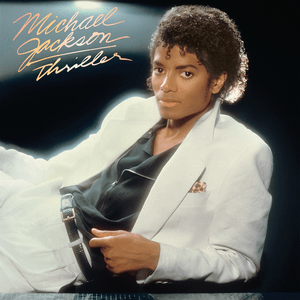
Michael Jackson – Thriller

When Pop Music Reached Its Final Form

Let’s address the elephant in the room: discussing Michael Jackson’s music in the modern era feels like trying to appreciate a da Vinci while the museum’s on fire. But we’re here to talk about “Thriller” – the 1982 album that didn’t just move the goalposts for pop music, it strapped rockets to them and launched them into orbit.

Here’s the thing about “Thriller”: it’s so ubiquitous, so woven into our cultural fabric, that it’s almost impossible to hear it with fresh ears. It’s like trying to objectively evaluate oxygen. But let’s try anyway, shall we?

The album opens with “Wanna Be Startin’ Somethin'” – a track that builds like a pressure cooker of funk until it explodes into that “mama-se, mama-sa, ma-ma-coo-sa” chant that would later spawn a thousand samples. It’s Jackson and Quincy Jones showing their homework (the chant borrowed from Manu Dibango) while simultaneously graduating with honors.

Then there’s “Billie Jean” – good lord, “Billie Jean.” That bass line should be in a museum, preferably with armed guards protecting it. It’s the kind of groove that makes atheists believe in intelligent design. The paranoid lyrics, the rhythmic breathing, the way the strings creep in like suspicion – it’s a perfect pop record. Not good, not great: perfect.

“Beat It” somehow made rock and R&B kiss and like it. Eddie Van Halen’s guitar solo drops into the song like an alien spacecraft landing in the middle of a block party, and somehow it works. It’s the kind of cross-genre pollination that shouldn’t work on paper but ends up creating a new primary color.

The title track is basically its own Halloween franchise at this point, but strip away the zombie makeup and Vincent Price monologue, and you’ve still got a masterpiece of tension and release. The way it builds, layer by layer, is like watching a master chef construct the world’s most dangerous cake.

“Human Nature” is so smooth it makes silk feel like sandpaper. It’s the kind of ballad that makes you forget ballads became uncool. Those synthesizers float like clouds on a summer day, while Jackson’s vocals remind us why he could make even the most cynical critic believe in magic.

Production-wise, this album is basically Quincy Jones showing off. The mix is cleaner than an operating room, but it still manages to feel warm and alive. Every instrument has its place, every effect has its purpose, every finger snap is exactly where it needs to be. It’s like the audio equivalent of a perfectly solved Rubik’s cube.

Let’s talk numbers, because they’re ridiculous: seven singles out of nine tracks. Seven. That’s not an album, that’s a greatest hits compilation in disguise. The fact that “The Lady in My Life” wasn’t a single tells you everything you need to know about this album’s depth.

Rating: 10/10 – Some albums are timeless. This one owns time.

Essential Tracks: All of them. Yes, even “The Lady in My Life.”

Side Note: If this album were a meal, it would be a Michelin-starred chef making the best burger you’ve ever had, then garnishing it with gold leaf and serving it on the moon.

Production MVP: Quincy Jones, proving that sometimes the real genius is knowing how to frame genius.

Historical Context: In 1982, MTV was still figuring out whether they wanted to play black artists. After “Thriller,” they didn’t have a choice. This album didn’t just break racial barriers – it moonwalked through them.

Look, separating art from artist is a personal choice, and everyone’s got to draw their own lines. But “Thriller” as an album is like the Great Pyramid of Giza – regardless of how you feel about who built it or how it came to be, you can’t deny its perfect engineering, its cultural impact, or its enduring influence on everything that came after.

In the end, “Thriller” isn’t just an album that sold a lot of copies (though oh boy, did it ever). It’s proof that pop music can be both commercially successful and artistically brilliant. It’s that rare moment when the most popular thing is also the best thing. Whether that’s enough to overcome its creator’s legacy is up to you, but the album itself? It’s literally as good as pop music gets.

Aretha Franklin – I Never Loved a Man Like I Love You

Where Soul Music Found Its Queen and Never Looked Back

Some albums capture lightning in a bottle. This one captured a whole damn thunderstorm. Aretha Franklin’s 1967 Atlantic Records debut isn’t just an album – it’s the moment soul music found its constitution, its declaration of independence, and its crown jewel all at once. And honey, that crown fit perfectly.

From the moment the organ growls and Aretha’s voice claims its territory on “Respect,” you know you’re not just listening to music – you’re witnessing a coronation. Sure, Otis Redding wrote it, but Aretha OWNS it. She takes his plea for domestic recognition and transforms it into a revolution in two minutes and twenty-eight seconds. That spell-it-out bridge (“R-E-S-P-E-C-T”) isn’t just spelling – it’s soul music’s equivalent of carving your name into history with a diamond.

The title track, “I Never Loved a Man (The Way I Love You),” is the kind of torch song that could burn down a rain forest. Recorded in Muscle Shoals, Alabama (before the sessions famously imploded), it’s a master class in tension and release. The way Aretha wraps her voice around “I don’t know why I let you do these things to me” feels like overhearing someone’s most private thoughts, set to a groove that won’t quit.

“Do Right Woman, Do Right Man” might be the most sophisticated relationship counseling ever set to wax. The gospel-tinged piano (played by Aretha herself – let’s not forget she was a killer musician) lays down the law while her voice preaches a sermon about reciprocity that ought to be taught in schools.

Even when she’s covering other artists, Aretha doesn’t so much interpret songs as she does annex them into her kingdom. Ray Charles’ “Drown in My Own Tears” becomes a masterpiece of controlled emotion – like watching someone turn heartbreak into high art. And her version of Sam Cooke’s “Good Times” feels less like a cover and more like a conversation between old friends about what joy really means.

The backing band, including the legendary Muscle Shoals Rhythm Section and King Curtis on saxophone, provides the perfect musical foundation – present enough to carry the weight but smart enough to know who the real star is. It’s like watching the world’s greatest supporting actors all deciding to make someone else look good.

What’s remarkable about this album isn’t just its individual parts – it’s how it all comes together to create something bigger than itself. This isn’t just Aretha’s Atlantic debut; it’s the moment soul music grew up. The production is crisp but never slick, raw but never sloppy. It’s like they found the exact sweet spot between Saturday night and Sunday morning.

Rating: 10/10 – As essential as oxygen

Essential Tracks: “Respect,” “I Never Loved a Man (The Way I Love You),” “Do Right Woman, Do Right Man,” “Soul Serenade”

Side Note: If this album were weather, it would be that perfect storm that ends a drought and makes flowers grow through concrete.

Historical Impact: This isn’t just a great album – it’s a document of an artist claiming her power. The fact that it was released in 1967, as America was grappling with civil rights, women’s liberation, and cultural upheaval, makes it all the more remarkable. Aretha didn’t just make a soul album; she made a statement about what it meant to be alive, aware, and unafraid in America.

When we talk about perfect albums, we’re usually engaging in hyperbole. This time, we’re just stating facts. “I Never Loved a Man the Way I Love You” isn’t just Aretha Franklin’s arrival – it’s soul music’s finest hour and eleven minutes. They should teach this album in schools, right between American History and Advanced Mathematics, because it’s both historical and precisely calculated to hit you right where you live.

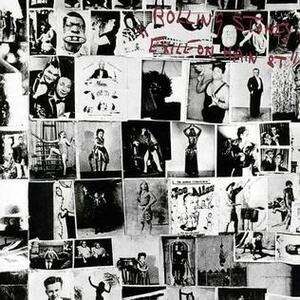
Rolling Stones – Exile on Main Street

When Messy Production Meets Muddled Genius

Look, I get it. “Exile on Main Street” is supposed to be the holy grail of rock and roll excess turned into artistic triumph. It’s the album where the Rolling Stones, holed up in a French mansion like debauched aristocrats avoiding the revolution, somehow stumbled into greatness. But after multiple listens, I’m left wondering if we’ve all been a bit too generous with our rose-tinted headphones.

Let’s start with what works, because there’s undeniably some magic here. “Tumbling Dice” is a perfect fusion of gospel, blues, and rock that feels like sin and salvation holding hands on their way to church. The way Jagger’s vocals weave through the guitar lines is like watching a master pickpocket work a crowded street – you know you’re being robbed, but you can’t help admiring the technique.

“Sweet Virginia” captures something so authentically American that it’s almost absurd coming from a bunch of British guys hiding from the tax man in France. It’s like they distilled every country-western bar in Texas into five minutes of acoustic glory. And “Happy,” with Keith Richards’ weathered vocals, is probably the most honest thing on the album – a simple rock song that knows exactly what it is.

But then there’s the problem of production, or should I say, the lack thereof. The album often sounds like it was recorded underwater while the mixing board was having an existential crisis. Some call it atmosphere; I call it audio mud. Sure, “Let It Loose” is a great song… if you can hear it through what sounds like several layers of vintage denim.

The bloat is real. At 18 tracks, “Exile” feels like someone couldn’t make the tough decisions in the editing room. For every “Rocks Off” that kicks like moonshine, there’s a “Turd on the Run” that, well, lives up to its name. “Casino Boogie” feels less like a finished song and more like a jam session that accidentally got pressed onto vinyl.

What’s frustrating is how the album’s flaws and virtues are often the same thing. The loose, sloppy production that makes “All Down the Line” feel alive and dangerous makes “I Just Want to See His Face” sound like it was recorded in a haunted shower stall. The raw, unfinished quality that gives “Ventilator Blues” its edge makes other tracks feel half-baked.

The album’s influences are worn so openly they’re practically indecent – blues, gospel, country, soul – but they’re filtered through such a uniquely dissipated lens that they become something new, if not necessarily improved. It’s like watching someone make gumbo while drunk: the ingredients are right, but the proportions are questionable.

Here’s the thing: the album’s mythology has become inseparable from its music. The tax exile, the heroin, the basement studio, Keith Richards’ pharmaceutical adventures – it’s all become part of how we hear these songs. Strip away the legend, and you’re left with an album that’s brilliant about 60% of the time, interesting 20% of the time, and a muddy mess the rest.

Rating: 6.5/10 – Like a party that peaks too early but refuses to end

Highlights: “Tumbling Dice,” “Sweet Virginia,” “Happy,” “Rocks Off”
Lowlights: “Turd on the Run,” “I Just Want to See His Face,” “Casino Boogie”

Side Note: If this album were a person, it would be that friend who shows up to your house party already wasted, breaks some furniture, tells three brilliant jokes, passes out on your couch, and somehow makes you feel like you had a philosophical breakthrough in the process.

Worth Noting: My opinion here puts me at odds with many rock critics who consider this album the Stones’ masterpiece. Maybe they’re right. Maybe the chaos is the point. Or maybe we’ve all agreed to pretend that confusion is complexity and mistakes are innovation. Either way, “Exile” remains a fascinating mess of an album that you should probably hear at least once, if only to join the debate.

Public Enemy – It Takes a Nation of Millions

A Sonic Revolution in 98 BPM

If a bomb went off in a recording studio while a political science lecture, a James Brown concert, and a Black Panther rally were simultaneously taking place, the resulting explosion might sound something like Public Enemy’s “It Takes a Nation of Millions to Hold Us Back.” Released in 1988, this album didn’t just raise the bar for hip-hop – it took the bar, bent it into a weapon, and used it to assault everything the mainstream music industry held dear.

Producer Hank Shocklee and the Bomb Squad created a wall of sound that makes Phil Spector look like a minimalist. The production is a chaotic masterpiece, a carefully orchestrated car crash of samples, squeals, and sirens that somehow coalesces into head-nodding beats. It’s like they threw a block party in the middle of a revolution and decided to record both.

Chuck D’s voice booms through the chaos like a prophet’s bullhorn, delivering rhymes with the force of a heavyweight’s right hook. His flow on “Bring the Noise” hits you at 98 BPM (beats per minute, though it might as well stand for “bombs per minute”). Meanwhile, Flavor Flav isn’t just comic relief – he’s the yang to Chuck’s yin, the court jester speaking truth to power while wearing a giant clock that seems to say, “Time’s up for the status quo.”

Take “Don’t Believe the Hype” – a track that simultaneously criticizes media manipulation while being catchier than the flu in a kindergarten classroom. Or “Black Steel in the Hour of Chaos,” which turns a prison break narrative into a meditation on conscientious objection and systemic racism, all while sampling Isaac Hayes so effectively it should count as musical alchemy.

The album’s political commentary hits harder than a caffeine addiction. “She Watch Channel Zero?!” dissects media control with the precision of a surgeon wielding a sledgehammer. But it’s not just anger for anger’s sake – there’s a methodology to the madness, a carefully constructed critique wrapped in layers of funk and fury.

What’s remarkable is how fresh it still sounds today. While some political albums of the era now feel like dated time capsules, “Nation of Millions” feels more like a time machine that accidentally landed in the future. The issues it tackles – systemic racism, media manipulation, government surveillance – read like today’s headlines, just with better wordplay and more interesting beats.

The album’s influence is so vast it’s practically geological. Without it, we might not have the political consciousness in modern hip-hop, the dense production techniques of contemporary music, or the courage to make art that’s both provocative and populist. It’s like they created a blueprint for musical revolution and then set the blueprint on fire to light the way forward.

Is it perfect? Well, if you’re looking for easy listening, you might want to keep looking. This album grabs you by the collar and demands attention like a caffeine-addled professor who knows they’re running out of time to change the world. But that’s exactly what makes it perfect – it’s not trying to be comfortable. It’s trying to be necessary.

Rating: 9.5/10 – A sonic Molotov cocktail that somehow gets more flammable with age.

Essential Tracks: “Bring the Noise,” “Don’t Believe the Hype,” “Black Steel in the Hour of Chaos,” “Rebel Without a Pause”

Side Note: If this album were a sandwich, it would be everything in the kitchen thrown between two slices of bread, somehow resulting in the most delicious meal you’ve ever had while simultaneously teaching you about food inequality.

The Clash – London Calling

London Calling: When Punk Found Its Library Card

Look, let’s get something straight – most punk bands in 1979 were still trying to figure out how many safety pins they could stick through their ears before tetanus became a real concern. Meanwhile, The Clash dropped “London Calling,” an album so ambitious it makes most rock operas look like nursery rhymes.

Here’s a band that started out as punk rock firebrands, and somehow ended up creating a double album that casually strolls through reggae, ska, rockabilly, hard rock, and whatever genre you want to call “Train in Vain.” It’s like watching your anarchist cousin suddenly reveal they’ve been taking ballroom dancing classes on the side – shocking, but somehow it works.

The title track kicks things off with that iconic bass line that sounds like doomsday doing the cha-cha. Strummer’s voice comes in like a newspaper headline being shouted through a megaphone during a riot – urgent, raw, and impossible to ignore. The apocalyptic imagery might be bleak, but somehow they make the end of the world sound like something you could dance to.

What’s truly remarkable about “London Calling” is how The Clash managed to expand their musical palette without losing their bite. The reggae influences on tracks like “Guns of Brixton” don’t feel like tourism – they feel essential, organic, like the band absorbed the soul of Caribbean music and filtered it through their distinctly British rage.

The production, courtesy of Guy Stevens (who apparently conducted the sessions like a mad orchestra director on a three-day espresso binge), is nothing short of miraculous. Every instrument sounds like it’s been dragged through the streets of London and emerged stronger for it. The drums crack like gunshots, the guitars slash and burn, and the bass… oh, that bass work by Paul Simonon (immortalized on the album cover smashing his instrument) holds the whole beautiful mess together.

And can we talk about the songwriting? The Clash tackle everything from unemployment to drug addiction to corporate corruption, all while making it sound like the most urgent party music ever recorded. It’s like reading the morning news while doing the Two-Tone ska step – sobering content, but your feet won’t stop moving.

Rating: 4.9 out of 5 Smashed Bass Guitars 🎸

Highs:

  • Genre-bending ambition that somehow all holds together
  • Raw, urgent energy that never feels forced
  • Production that captures lightning in a bottle
  • Political commentary that doesn’t sacrifice danceability

Lows:

  • Some genre experiments work better than others
  • A few tracks that feel like B-sides
  • The nagging feeling that the band would never quite reach these heights again

Final Thought: “London Calling” is the sound of punk rock graduating from throwing bottles to organizing a revolution – and somehow managing to make both seem equally vital. It’s a masterclass in how to expand your horizons without losing your edge, proof that growing up doesn’t have to mean selling out. The Clash didn’t just make a great album – they made a blueprint for how rebellion can age gracefully.