Kanye West “My Beautiful Dark Twisted Fantasy”

My Beautiful Dark Twisted Fantasy: When Ego Achieves Its Final Form

Look, let’s address the elephant-sized ego in the room right off the bat – Kanye West might be the most insufferable human being to ever grace a VMAs stage (and that’s saying something). But sometimes, just sometimes, an artist’s messiah complex actually delivers something approaching divine. “My Beautiful Dark Twisted Fantasy” is what happens when someone’s god complex accidentally produces something godlike.

The album opens with “Dark Fantasy,” and immediately you realize this isn’t just another hip-hop record – it’s more like hip-hop’s answer to a Broadway musical directed by Stanley Kubrick while high on baroque architecture. When that choir kicks in asking “Can we get much higher?” the answer is clearly no, because we’re already in the stratosphere, and Kanye’s just warming up.

Then “Gorgeous” drops, and Kid Cudi’s hook sounds like it was recorded in some alternate universe where melancholy is actually a physical substance you can smoke. Kanye’s verses here are sharper than a surgeon’s scalpel, proving that when he’s not busy tweeting about being the next Walt Disney, he can actually rap his absolute ass off.

“POWER” might be the most accurate sonic representation of megalomania ever recorded. It’s like someone turned a god complex into sound waves. That King Crimson sample isn’t just a flex – it’s Kanye basically saying “Yeah, I can make progressive rock work in hip-hop, what are YOU doing with your life?”

And then there’s “All of the Lights” – a song so maximalist it makes Phil Spector’s Wall of Sound look like a garden fence. Rihanna’s chorus sounds like it was recorded in the midst of a supernova, while that horn section could wake the dead and make them dance. It’s utterly ridiculous, completely over-the-top, and somehow absolutely perfect.

“Monster” is where things get really interesting. Nicki Minaj’s verse isn’t just great – it’s the kind of performance that makes you want to throw your phone into the ocean and never attempt to rap again. Even Jay-Z showing up and comparing himself to a sasquatch somehow works, because at this point, why not?

“So Appalled” is basically a luxury rap fever dream, while “Devil in a New Dress” might be the most beautiful thing Rick Ross has ever been adjacent to. That guitar solo comes in like it got lost on its way to a Pink Floyd album and decided to stay because the accommodations were nice.

“Runaway” is the centerpiece, and good lord, what a piece it is. It’s nine minutes of the most beautiful self-awareness about being an absolutely terrible person ever recorded. That distorted outro sounds like what regret would sound like if it learned to sing – assuming regret took AutoTune lessons first.

But here’s the thing – for all its undeniable brilliance, this album is also completely bonkers. It’s like watching someone build the Sistine Chapel while occasionally stopping to eat the paint. The production is maximal to the point of absurdity, the lyrics swing between profound and profoundly narcissistic, and the whole thing feels like it’s constantly on the verge of collapsing under the weight of its own ambition.

Rating: 4.8 out of 5 Solid Gold Ego Trips 👑

Peaks:

  • Production so lush it makes the Gardens of Babylon look like a window box
  • Verses that range from hilarious to heartbreaking, sometimes in the same line
  • Features list that reads like a hip-hop infinity gauntlet
  • Actually earning its own grandiosity

Valleys:

  • Occasionally disappears up its own artistry
  • Some interludes that feel like Kanye just couldn’t bear to cut anything
  • The lingering knowledge that this album probably made Kanye even more Kanye

Final Thought: “My Beautiful Dark Twisted Fantasy” is like watching someone successfully juggle chainsaws while reciting Shakespeare and doing quantum physics – it shouldn’t work, it’s definitely dangerous, and you kind of want to tell them to stop, but you also can’t look away. It’s an undeniable masterpiece created by an occasionally unbearable mastermind. In the end, it’s proof that sometimes the line between genius and madness isn’t just thin – it’s nonexistent. And sometimes, just sometimes, that’s exactly what we need.

P.S. – The fact that this album came with a short film that looks like what would happen if Matthew Barney directed a hip-hop video is just chef’s kiss perfect. Because of course it did.

Bob Dylan – Highway 61 revisited

Bob Dylan’s ‘Highway 61 Revisited’: Genius, Madness, and the Occasional Whiff of Cat Litter

Look, let’s just get this out of the way right off the bat – Bob Dylan is a lyrical genius. When it comes to twisting the English language into kaleidoscopic new shapes, the man is second to none. He’s the kind of songwriter who can make a simple phrase like “the pump don’t work ’cause the vandals took the handles” sound like the most profound statement since the Gettysburg Address. But God help me, sometimes his voice makes me want to claw my own ears off.

Take the album opener, “Like a Rolling Stone” – a scorching, six-and-a-half minute epic that manages to simultaneously capture the sound of a soul being shattered and a middle finger being defiantly raised. The way Dylan spits out those lyrics, equal parts sarcasm and venom, is the musical equivalent of a John Wayne Gacy painting. It’s genius, no doubt, but also the kind of thing that’ll have you reaching for the Tylenol.

And then there’s “Ballad of a Thin Man,” a track so deliciously, gloriously weird that it makes Salvador Dali’s melting clocks look like a kindergarten art project. Dylan’s vocal delivery here is like listening to a deranged carnival barker who’s just mainlined a gallon of espresso – all urgent, nasal intensity with nary a hint of subtlety. But hey, when you’re trying to soundtrack the descent into madness, subtlety is the first thing to go out the window.

But let’s not forget the moments where Dylan’s seemingly limitless talent shines through the vocal haze. “Desolation Row” is a sprawling, kaleidoscopic masterpiece, a veritable parade of misfits, malcontents, and Biblical figures that unfolds like a surrealist fever dream. The way he weaves together literary allusions, social commentary, and pure unadulterated madness is the stuff that doctoral theses are made of.

And then there’s the title track, “Highway 61 Revisited” – a bluesy, apocalyptic stomp that sounds like it was recorded in the pits of hell itself. The lyrics are equal parts absurdist humor and existential dread, with Dylan spitting out lines like “God said to Abraham, ‘Kill me a son'” with a gleeful, almost manic energy. It’s the kind of song that makes you want to dust off your leather jacket, hop on a Harley, and embark on a one-way trip down the road to total oblivion.

But for every moment of transcendent brilliance, there’s a track that feels like it’s been loitering in the corner of the studio, picking its nose and waiting for the cool kids to notice it. “Can You Please Crawl Out Your Window?” is an undeniably catchy little ditty, but it also has all the depth and complexity of a kiddie wading pool. And let’s not even get started on “Just Like Tom Thumb’s Blues” – it’s the musical equivalent of that one weird uncle who keeps trying to explain the deeper meaning behind the lyrics to “The Monster Mash.”

In the end, “Highway 61 Revisited” is the sound of a true visionary operating at the absolute peak of his powers, even if his voice sounds like it’s been dragged through a gravel pit and set on fire. It’s an album that demands your attention, whether you want to give it or not. One minute, you’re marveling at Dylan’s unparalleled talent for turning the mundane into the sublime, and the next, you’re reaching for the volume knob, desperate to escape the aural onslaught of his distinctively abrasive croon.

But you know what? That’s Bob Dylan in a nutshell – a walking, talking contradiction who wouldn’t have it any other way. He’s a lyrical genius who could make the straightforward sound like the most convoluted word salad imaginable. He’s a musical maverick who’ll leave you alternately awestruck and reaching for the Advil. And in the end, that’s precisely why we keep coming back for more.

Rating: 4.5 out of 5 Existential Cigar Smoke Halos 🚬

Highs:

  • Dylan’s unparalleled lyrical prowess and ability to weave together disparate cultural references
  • The sheer sonic intensity of tracks like “Highway 61 Revisited” and “Ballad of a Thin Man”
  • The album’s refusal to conform to any sort of conventional structure or expectation

Lows:

  • Dylan’s notoriously abrasive vocal delivery, which can veer dangerously close to self-parody at times
  • The occasional moments of filler that feel like they’re just taking up space between the album’s more inspired moments
  • The nagging feeling that Dylan is sometimes just a little too in love with his own eccentricities

Final Thought: “Highway 61 Revisited” is the musical equivalent of taking a deep dive into the mind of a madman – it’s equal parts exhilarating, confounding, and likely to give you a raging migraine. But for those willing to strap in and take the ride, the rewards are immense. Dylan may not always make it easy, but when he’s firing on all cylinders, the results are nothing short of transcendent. Just be sure to keep a bottle of aspirin handy, because this is one journey that’s bound to leave your ears ringing.

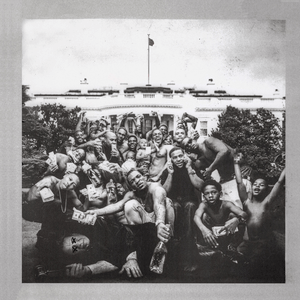
Kendrick Lamar – To Pimp a Butterfly

Kendrick Lamar’s ‘To Pimp a Butterfly’: Genius With a Side of Self-Indulgence

Look, I’m just going to come right out and say it – Kendrick Lamar is a goddamn lyrical virtuoso. The way he weaves together complex rhyme schemes, social commentary, and raw emotion is the stuff that keeps English professors up at night, frantically jotting down notes. But when it comes to his 2015 opus “To Pimp a Butterfly,” I can’t help but feel like he occasionally lets his own brilliance go a little too far off the rails.

From the moment that frenzied jazz intro of “Wesley’s Theory” kicks in, it’s clear we’re in for a wild ride. Kendrick wastes no time diving headfirst into a dizzying maelstrom of political rage, personal introspection, and searing cultural critique. The way he seamlessly transitions from spoken-word poetry to full-on funk freakouts is the musical equivalent of watching Muhammed Ali dance around the ring.

And the production – my goodness, the production. Flying Lotus, Terrace Martin, and the rest of Kendrick’s inner circle have crafted a sonic landscape that’s equal parts futuristic and timeless, blending elements of jazz, soul, and psychedelia into a heady, mind-altering concoction. “King Kunta” is a boisterous call to arms that sounds like it was recorded in the middle of a New Orleans block party, while “Alright” is a soaring, gospel-tinged anthem that could simultaneously soundtrack a riot and a church revival.

But herein lies the rub – for as much as I admire Kendrick’s sheer ambition and technical prowess, there are times when “To Pimp a Butterfly” just feels a tad…overwrought. The extended interludes and stream-of-consciousness spoken-word pieces, while undoubtedly thought-provoking, can also come across as self-indulgent and needlessly complex. I get that he’s trying to tackle heavy themes of racial identity, sociopolitical unrest, and personal struggle, but sometimes I just want to groove without having to take notes for my next college seminar.

Take “u,” for example – it’s a gut-punch of a song, with Kendrick’s raw, vulnerable vocals cutting straight to the bone. But the way it morphs into a disorienting, almost confrontational outro feels more like an attempt to be “deep” than a natural extension of the emotional journey. And let’s not even get started on that bonkers “Mortal Man” closer, which features a faux interview with Tupac that’s equal parts brilliant and baffling.

Don’t get me wrong, there are plenty of moments where Kendrick’s ambition pays off in spades. “Alright” is an undisputed modern classic, a rallying cry for a generation struggling to stay hopeful in the face of systemic oppression. “How Much a Dollar Cost” is a searing meditation on empathy and moral responsibility that’ll have you re-evaluating your own spending habits. And the way he weaves recurring motifs and lyrical callbacks throughout the album is the work of a true master storyteller.

But for every transcendent high, there’s an indulgent low that threatens to pull the whole enterprise crashing down. It’s the musical equivalent of watching a virtuoso tightrope walker perform jaw-dropping feats – you can’t help but be awed, even as you cringe at the prospect of them taking one wrong step.

In the end, “To Pimp a Butterfly” is the sound of a generational talent pushing the boundaries of what hip-hop can be. It’s bold, it’s challenging, and it’s undeniably the work of a creative visionary. But it’s also messy, self-serious, and at times, a little too enamored with its own perceived importance.

It’s the kind of album that’ll have the glassy-eyed intellectuals debating its merits for years to come. And you know what? I respect that. I just wish Kendrick would occasionally remember that making great art doesn’t have to mean subjecting your listeners to an hour-long symphony of existential angst.

Rating: 4 out of 5 Beret-Wearing Intellectuals 🤓

Highs:

  • Kendrick’s lyrical virtuosity and storytelling prowess
  • The mind-bending, genre-blurring production
  • Moments of raw emotional catharsis that’ll have you punching the air

Lows:

  • Overly indulgent interludes and spoken-word pieces
  • An occasionally self-serious tone that verges on pretentiousness
  • The nagging feeling that Kendrick is trying a little too hard to be “important”

Final Thought: “To Pimp a Butterfly” is the musical equivalent of a triple-shot espresso – it’ll jolt your senses and leave you buzzing with ideas, but it might also give you a bit of a headache if you’re not careful. Kendrick Lamar is undoubtedly a generational talent, but sometimes, even geniuses need to remember that it’s okay to just kick back and let the music do the talking.

Radiohead – Kid A

Radiohead’s ‘Kid A’: When Pretension Becomes a Musical Genre

Look, I get it – Radiohead are a “critically acclaimed” band, the kind that have entire think pieces written about their album artwork. They’re the musical equivalent of that guy at the party who insists that the true meaning of life can only be found in the second movement of an obscure Shostakovich symphony. But sometimes, you just want to shake them and scream, “Can we just have a nice, normal album for once?”

Enter ‘Kid A’, the album that single-handedly solidified Radiohead’s reputation as the poster children for pretentious, navel-gazing art rock. It’s like they gathered in the studio, took a long, self-serious look at themselves in the mirror, and said, “You know what the world needs? More ominous synthesizers and emotionless vocal delivery.” And then they proceeded to foist that musical manifesto on the unsuspecting masses.

The opening title track sets the tone – a disjointed, glitchy mess that sounds like someone threw a bunch of rusty gears into a blender and hit “puree.” Thom Yorke’s vocals, which are usually the one reliable anchor in Radiohead’s musical maelstrom, have been digitally mangled to the point where he might as well be speaking in tongues. It’s the aural equivalent of getting lost in a maze constructed entirely of IKEA furniture.

And it just gets worse from there. “The National Anthem” is ostensibly a jazz-inflected protest song, but it ends up sounding more like a group of angry robots staging a coup at the United Nations. The way the competing brass sections clash and collide is undoubtedly “innovative,” but it also makes my head hurt just thinking about it.

Honestly, the only track that even remotely resembles a traditional “song” is “Motion Picture Soundtrack,” and even that feels like it’s been trapped in a sensory deprivation chamber for the last decade. Yorke’s plaintive vocals are the only glimmer of humanity in an otherwise cold, clinical landscape.

Look, I get that Radiohead were probably going for some grand, high-concept statement about the dehumanizing effects of technology and modern life. But sometimes, you just want an album that doesn’t require a graduate degree in philosophy to enjoy. ‘Kid A’ feels like the musical equivalent of that friend who won’t stop lecturing you about the merits of avant-garde jazz – technically impressive, sure, but also exhausting and, let’s be honest, more than a little pretentious.

And the worst part? Everyone and their mother seems to think this album is the second coming of Sgt. Pepper’s. “Oh, it’s so innovative, so genre-defying!” they’ll crow, as if Radiohead invented the concept of “not sounding like anyone else.” News flash: not sounding like anyone else doesn’t automatically make you good.

To be fair, there are moments of genuine beauty and emotional resonance buried beneath all the layers of studied obfuscation. The piano work on “Motion Picture Soundtrack” is genuinely haunting, and there’s an underlying sense of melancholy that shines through the technological haze. But those fleeting glimpses of humanity are quickly smothered by Radiohead’s relentless march towards artistic asceticism.

In the end, ‘Kid A’ feels less like a cohesive album and more like a highbrow musical version of the Emperor’s New Clothes. Everyone’s too afraid to admit that the emperor is, in fact, buck naked, lest they be labeled as philistines who “just don’t get it.” But sometimes, you’ve just got to call a spade a spade – and in this case, the spade is a pretentious, over-hyped mess.

Rating: 2.5 out of 5 Existential Crisis-Inducing Synthesizers 🎹

Highs:

  • Occasional moments of genuine emotional resonance
  • Impressive technical prowess (if you’re into that sort of thing)
  • The sheer audacity of Radiohead’s commitment to their own brand of high-minded weirdness

Lows:

  • An almost overwhelming sense of studied detachment
  • A complete lack of anything resembling a memorable melody or hook
  • The constant feeling that you’re being lectured by a particularly pretentious art school student

Final Thought: ‘Kid A’ is the musical equivalent of that friend who insists on only communicating via interpretive dance. Sure, it’s “unique” and “boundary-pushing,” but it’s also exhausting and, let’s be real, a little bit ridiculous. If you’re the kind of person who finds joy in painstakingly analyzing album artwork for hidden meanings, then by all means, dive right in. But for the rest of us, this is one Emperor’s wardrobe we’re happy to ignore.

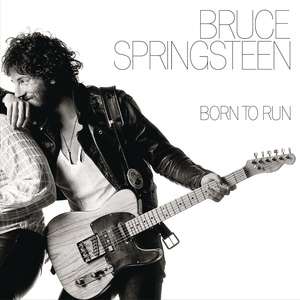
Bruce Springsteen – Born to Run

Born to Run: When the Boss Became the King of the Jersey Turnpike

Look, I’ll admit right off the bat that I’m a little biased here. Being a Jersey boy myself, I’ve got Springsteen’s working-class anthems practically encoded into my DNA. So when he dropped “Born to Run” in 1975, it was less of an album release and more of a divine revelation – the sound of the Turnpike finally getting the big-screen Hollywood treatment it deserved.

From the opening notes of the title track, it’s clear Bruce isn’t messing around. That iconic sax intro hits like a right hook from a pissed-off boxer, immediately setting the stage for an album that’s equal parts street-level grit and Shakespearean grandeur. When Springsteen bellows “The highway’s jammed with broken heroes on a last-chance power drive,” you can practically smell the gasoline and desperation wafting through your speakers.

And the man’s lyrics? Fuggetaboutit. Springsteen has a way of transforming the mundane details of working-class life into sweeping, cinematic sagas worthy of the Great American Novel. “Thunder Road” is a coming-of-age story, a love letter, and an ode to the promise of open-road freedom all wrapped into one anthemic package. The way he shifts from whispered intimacy to soaring, Homeric declarations is the stuff that goosebumps are made of.

But let’s talk about the E Street Band for a minute, shall we? These cats aren’t just Springsteen’s backing group – they’re the musical equivalent of a nuclear-powered muscle car. Roy Bittan’s piano work is the oil that keeps the whole machine running smoothly, whether he’s tickling the ivories on the delicate, introspective “Meeting Across the River” or pounding out those signature Born to Run chord progressions. And Clarence Clemons? The man’s sax solos don’t just complement the songs – they practically take them hostage.

The production, helmed by the legendarily meticulous Jon Landau, is a work of art in its own right. The way he layers the instruments, builds the dynamics, and captures the sheer raw energy of Springsteen’s performances is nothing short of sorcery. It’s the sonic equivalent of a ’69 Mustang Boss 429 – all chrome, leather, and horsepower.

Now, I know what you’re thinking – this is all well and good, but what about the weak points? Well, truth be told, there really aren’t many. Even the album’s more indulgent moments, like the eight-plus minutes of “Jungleland,” work because Springsteen and company are operating at such a rarified level of showmanship. It’s the musical equivalent of watching Laurence Olivier chew the scenery – you know it’s over-the-top, but you can’t help but be mesmerized.

The only real criticism I can level is that, at times, Springsteen’s blue-collar messiah complex can veer a little too close to parody. The way he mythologizes the Jersey working-class experience is admirable, but it also runs the risk of feeling a bit self-congratulatory. But hey, if you can back it up with music this transcendent, I’m willing to let it slide.

In the end, “Born to Run” isn’t just an album – it’s a declaration of independence, a rallying cry for anyone who’s ever felt the need to escape the confines of their small-town existence. It’s the sound of four wheels and an open road, the promise of a better life just over the next horizon. And for those of us from the Garden State, it’s the musical equivalent of a garden-variety kid from Freehold becoming the goddamn Boss.

Rating: 4.9 out of 5 Vintage Chevy Impalas 🚗

Essential Tracks:

  • “Born to Run” (the blueprint for every Springsteen banger that followed)
  • “Thunder Road” (a coming-of-age epic for the ages)
  • “Jungleland” (because sometimes you just need eight minutes of pure, unadulterated rock opera)

Jersey Bias Highlights:

  • Springsteen’s ability to transform the mundane details of Garden State life into something mythic and transcendent
  • The E Street Band’s status as the greatest bar band in the history of the universe (sorry, Max Weinberg)
  • The production’s ability to make a grimy city street sound like the most romantic place on Earth

Final Thought: “Born to Run” is the musical equivalent of a classic Jersey diner – it may not be fancy, but damn if it doesn’t feed your soul. It’s the sound of four misfits from the wrong side of the tracks banding together to create something that feels both deeply personal and universally resonant. And for those of us who bleed the colors of the state flag, it’s a reminder that sometimes the best way to escape your circumstances is to crank the volume, roll down the windows, and let the Boss take the wheel.

The Velvet Underground – The Velvet Underground and Nico

The Velvet Underground & Nico: When Pretension Collides With Brilliance

Look, let’s not beat around the thorny, feedback-drenched bush here – The Velvet Underground & Nico is the kind of album that makes you want to punch a hole in your beret. It’s the sonic equivalent of that friend who insists on only drinking absinthe and quoting Nietzsche at parties, all while wearing enough black eyeliner to make Stevie Nicks do a double-take.

But here’s the thing – once you get past the layers of studied cool and self-conscious artiness, you realize this album is housing some of the most groundbreaking, genre-defining music ever committed to tape. It’s like stumbling into a secret lair where Salvador Dali is jamming with the members of Kraftwerk while Allen Ginsberg recites beatnik poetry in the corner. Breathtakingly innovative, yet smugly indulgent.

Take the opening track, “Sunday Morning.” On the surface, it’s a deceptively simple folk-pop number, all warm guitars and Nico’s detached, ethereal vocals. But peel back the layers, and you realize Lou Reed and company are crafting a sonic Möbius strip, with the song’s structure curling in on itself like a venomous snake. It’s simultaneously accessible and deeply, almost aggressively, avant-garde.

“I’m Waiting for the Man” is where the album really bares its fangs, with a tense, prowling groove that sounds like it was birthed in the most unsavory back-alleys of mid-60s New York. The lyrics offer a lurid glimpse into the seedy underworld of drug dealing, delivered with all the casual cool of someone ordering a sandwich. It’s the kind of song that makes you feel like you need to take a shower afterwards – in a good way.

And then there’s “Heroin,” the album’s centerpiece and a song so raw, visceral, and unflinchingly honest that it makes Keith Richards’ “Gimme Shelter” sound like a nursery rhyme. The way the track builds from a delicate guitar figure into a towering, cathartically noisy climax is the musical equivalent of a gut-punch. It’s the sound of shooting up in a burned-out tenement while the world crumbles around you.

But the band isn’t all doom and gloom. “There She Goes Again” is a gleefully trashy garage-rock stomper that sounds like the Stooges mainlining Motown. “I’ll Be Your Mirror” is a tender, vulnerable ballad that proves Nico’s otherworldly voice is capable of genuine emotion, despite her Ice Queen persona.

The production, helmed by the legendary Pickwick Studios crew, is often cited as the album’s Achilles’ heel – and for good reason. The rough, lo-fi aesthetic can, at times, feel less like a stylistic choice and more like the result of the engineer being told to “just turn everything up to 11 and call it a day.” But in a way, that only adds to the album’s sense of grimy authenticity. It’s the sonic equivalent of a street vendor hawking bootleg designer bags – not pretty, but undeniably compelling.

And let’s not forget the contributions of the iconoclastic Andy Warhol, whose involvement as the album’s “manager” (read: glorified hanger-on) lent the whole proceedings an aura of cultural cachet that no amount of navel-gazing could undermine. His iconic Banana cover art is the perfect visual representation of the album’s blend of pop accessibility and arty pretension.

In the end, The Velvet Underground & Nico is the kind of album that divides listeners with the same ruthless efficiency as a chain saw through a maple tree. Some will hear it as the birth of punk, the dawn of indie, and a key building block of alternative music as a whole. Others will simply hear the self-indulgent ravings of a group of downtown Manhattan weirdos who listened to way too much Ornette Coleman.

Me? I’m firmly in the “brilliantly flawed masterpiece” camp. This album may be the musical equivalent of a Molotov cocktail lobbed through the window of good taste, but damn if it didn’t start a fire that’s still burning today.

Rating: 4 out of 5 Black Turtlenecks 🖤

Highs:

  • Groundbreaking songwriting that blends accessibility and avant-garde sensibilities
  • Nico’s hauntingly beautiful yet detached vocals
  • The sheer, unapologetic oddity of the whole enterprise

Lows:

  • Production that, at times, feels more “amateur basement demo” than “visionary sonic statement”
  • Moments of indulgence that veer dangerously close to self-parody
  • The constant threat of having your eye taken out by a rogue piece of experimental feedback

Final Thought: The Velvet Underground & Nico is the musical equivalent of riding a razor-sharp unicycle through a minefield – it’s equal parts thrilling, terrifying, and likely to leave you with a few nasty scars. But for those willing to embrace the chaos, it offers a glimpse into a parallel universe where pop and the avant-garde don’t just coexist, but actively get into fistfights in dimly-lit downtown clubs. It may not always be easy to love, but it’s impossible to ignore.

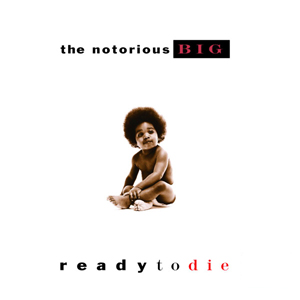
Notorious BIG – Ready to Die

The Notorious B.I.G. – Ready to Die: When a Hungry Young Hustler Dragged Hip-Hop Into the Promised Land

Look, let’s be real – when Biggie crashed into the scene in 1994, hip-hop was in a bit of a rut. We had the G-funk era spreading like a skunk-scented fog over the West Coast, while the East Coast was…well, let’s just say the artists were spending more time in the club than the studio. But then this 300-pound cipher of pure charisma and lyrical virtuosity showed up, and everything changed.

“Ready to Die” isn’t just an album – it’s a aural crime novel where every track is a new chapter in the saga of a young man trying to escape the iron grip of the streets through the only means available: rap skills sharper than a crack-laced switchblade. From the opening bars of “Things Done Changed,” you can feel the desperation and hunger radiating off every syllable. This is the sound of someone who knows the world wants them dead, and they’re not going down without at least trying to name every player in the game first.

The production, handled largely by easy-going master DJ Premier and the criminally underrated Easy Mo Bee, creates a sonic landscape that’s both gritty and lush. The samples meld seamlessly with the live instrumentation, resulting in a sonic Molotov cocktail that detonates with the force of a mic drop at the Apollo. “Gimme the Loot” sounds like a Benny Hill chase scene directed by Martin Scorsese, all frantic energy and shifty-eyed paranoia. Meanwhile, “Juicy” is the kind of track that makes you want to cruise the Bed-Stuy streets in a vintage Cadillac – if you survive the trip, that is.

And then there’s the rapping. Good Lord, the rapping. Biggie spits with a flow so liquid yet precisely enunciated that it makes most MCs sound like they’re gargling marbles. His cadence is instantly recognizable, a master class in how to ride a beat without ever getting pinned under it. “Unbelievable” is the aural equivalent of a bazooka-toting octopus – it shouldn’t work, but Biggie makes it seem as natural as breathing.

But beyond the sheer technical prowess, there’s a palpable sense of desperation and barely-restrained rage that elevates this album from mere bravado to Shakespearean tragedy. “Everyday Struggle” is a profoundly sad look at the soul-crushing realities of poverty and violence, delivered with such brutal honesty that it’s almost hard to listen to. “Things Done Changed” isn’t just nostalgia for a bygone era – it’s the sound of a young man watching his world crumble while the powers-that-be do nothing.

And then, just when you think the darkness is too much to bear, Biggie hits you with tracks like “Big Poppa” – a silky-smooth ode to the finer things in life that serves as a glimmer of hope amid the chaos. It’s the musical equivalent of buying a new suit after your last one got riddled with bullet holes. The guy may have been a hustler, but he knew how to finesse a hook.

“Ready to Die” didn’t just leave an indelible mark on hip-hop – it straight-up napalmed the old order and established a new paradigm. Biggie’s larger-than-life persona, cinematic narratives, and unparalleled technical skill instantly made everyone else sound like they were just playing at this rap thing. He didn’t bring a knife to a gunfight – he brought an Uzi with a hair trigger. And you know what? He still managed to make it sound smooth as silk.

Rating: 5 out of 5 Throwback Leather Gucci Goggles 😎

Essential Tracks:

  • “Juicy” (the blueprint for every rags-to-riches rap anthem)
  • “Everyday Struggle” (the sound of the American Dream turned nightmare)
  • “Unbelievable” (a master class in flow and breath control)

Legacy Notes:

  • Biggie’s impact on hip-hop’s lyrical content, technical standards, and mainstream crossover appeal can’t be overstated. He took the art form to a whole new level.
  • “Ready to Die” stands as one of the great debut albums in any genre, a fully-realized artistic statement that launched a legend.
  • In a perfect world, we’d still have Biggie with us, innovating and pushing the culture forward. But at least we have this album – a timeless monument to his singular talent.

Final Thought: If Biggie’s life was a Scorsese film, “Ready to Die” would be the sweeping, cinematic soundtrack. It’s the sound of a young man trying to claw his way out of the abyss, armed with nothing but his wits, his words, and an iron-clad determination to be “the illest motherfucker alive.” And you know what? He just might have pulled it off.

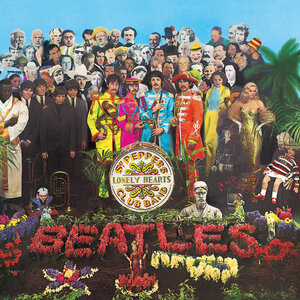
The Beatles – Sgt. Pepper’s Lonely Hearts Club Band

Sgt. Pepper’s Lonely Hearts Club Band: When Four Liverpudlians Decided to Drop Acid and Reinvent the Wheel

Let’s address the elephant in the technicolor room: Sgt. Pepper’s is simultaneously the most overrated and underrated album in history – a paradox that could only exist in the same universe where Ringo was actually a great drummer (spoiler alert: he was). It’s like watching Leonardo da Vinci paint the Mona Lisa while wearing a clown suit – absolute genius filtered through absolute absurdity.

First off, that concept album framework? It’s about as coherent as a cat’s diary. The title track introduces this whole “Sgt. Pepper’s Band” concept that they immediately abandon faster than Paul abandoned his “Paul is dead” denials. But here’s the thing: it doesn’t matter. It’s like showing up to a black-tie event wearing a tutu – if you do it with enough confidence and skill, suddenly everyone else looks overdressed.

“With a Little Help from My Friends” lets Ringo do his thing, which is basically being the musical equivalent of that friend who’s not the smartest in the group but is so lovable you’d take a bullet for them. The song is simple, charming, and more genuine than a puppy’s love. It works precisely because it doesn’t try to be “A Day in the Life.”

Speaking of “A Day in the Life” – good lord. This is what happens when you give genius a blank check and unlimited studio time. That final piano chord holds longer than most modern relationships. The orchestral climaxes are like listening to order and chaos slow dance. It’s the kind of song that makes other songs feel like they’re just playing with Fisher-Price instruments.

Let’s talk about “Lucy in the Sky with Diamonds.” Yes, yes, John claimed it wasn’t about LSD, and I claim I only drink coffee for the taste. But what a gloriously kaleidoscopic piece of songwriting. The imagery is more colorful than a peacock at a paint factory. The melody floats like a butterfly that’s been reading philosophy.

“She’s Leaving Home” is Paul in full music-hall mode, telling a story so British it probably drinks tea while queuing. The string arrangement is beautiful enough to make your grandmother cry, though the narrative is laying it on thicker than butter at a Yorkshire pudding convention.

“Within You Without You” – George’s contribution is either profound Eastern wisdom or what happens when you let someone explain their meditation app for too long. The Indian instrumentation is gorgeous, even if the lyrics sometimes sound like they were copied from a spiritual Instagram account. Still, it provides a necessary moment of reflection between all the circus-like musical gymnastics.

“When I’m Sixty-Four” is Paul McCartney showing off his ability to write your grandparents’ favorite song while simultaneously revolutionizing popular music. It’s like watching someone solve advanced calculus while skipping rope – the degree of difficulty is obscene.

The production? Good grief. George Martin and the boys basically invented half of modern recording technology because what they wanted to do was technically impossible. They’re in there sampling roosters and alarm clocks like cavemen discovering fire. Every sound on this record is polished until it sparkles like Elton John’s jewelry collection.

Even the “lesser” tracks shine. “Lovely Rita” turns a meter maid into a vaudeville show. “Getting Better” manages to slip domestic abuse references into a peppy pop song (very sneaky, John). “Mr. Kite” literally sounds like a circus having an existential crisis.

The album’s flaws? Sure, they exist. “Good Morning Good Morning” sounds like a farm had a collision with a rock band. Some of the whimsy ages about as well as milk left in the sun. The whole thing is so self-consciously arty it practically wears a beret. But criticizing Sgt. Pepper’s for being pretentious is like criticizing water for being wet.

Rating: 4.95 out of 5 Walruses 🦭

The Perfect:

  • “A Day in the Life” (obviously)
  • The production (revolutionarily excessive)
  • The ambition (stratospherically high)

The Peculiar:

  • The concept (abandoned faster than New Year’s resolutions)
  • Some of the music hall whimsy (your tolerance may vary)
  • That one chicken sound effect that probably cost more than most bands’ entire albums

Final Thought: Sgt. Pepper’s is like that friend who’s incredibly pretentious but so brilliant you forgive them – the one who quotes philosophy at dinner but also knows how to make the best cocktail you’ve ever had. It’s a magnificent mess, a brilliant disaster, and one of those rare albums that lives up to its own legend while simultaneously being nothing like what anyone says it is. They really were a band you might have heard of, and they really were getting better all the time.

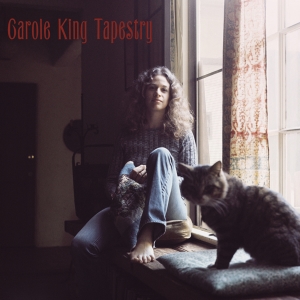
Carole King – Tapestry

Carole King’s “Tapestry”: When Perfection Sits Down at the Piano and Makes Everyone Else Look Like They’re Just Banging on Pots

Look, I’ve spent years dissecting albums where artists try to convince us that their emotional pain sounds like a timpani being thrown down a stairwell, but sometimes you need to bow down to straight-up songwriting sorcery. “Tapestry” isn’t just an album – it’s a masterclass in how to write songs that make other songwriters want to quit and open a hardware store.

Let’s start with “I Feel the Earth Move,” which kicks off the album with the confidence of someone who knows they’re about to serve you a ten-course meal of musical perfection. The piano riff hits like a freight train wrapped in velvet, and when that chorus drops, it’s like watching someone solve a Rubik’s cube with their eyes closed – you know it’s not magic, but damn if it doesn’t feel that way.

You want to talk structure? Let’s talk about “It’s Too Late.” This is what happens when mathematical precision has a love child with raw emotion. The verse-chorus progression is so perfectly calibrated it should be studied by NASA. The bridge? It doesn’t just bridge – it builds a whole golden gate of emotional resonance. And that jazzy instrumental break? Chef’s kiss. It’s like she’s showing off, but you’re too busy feeling feelings to be mad about it.

“Will You Love Me Tomorrow” takes a song King originally wrote for The Shirelles and transforms it from a teenage diary entry into a universal referendum on human vulnerability. The way she reconstructs her own composition is like watching da Vinci decide to touch up the Mona Lisa and somehow make it better. The arrangement breathes like a living thing, each instrument knowing exactly when to step forward and when to hang back, like the world’s most emotionally intelligent jazz ensemble.

“You’ve Got a Friend” is the kind of song that makes you realize most other songs are just making noise. The melody flows so naturally you’d think it was discovered rather than written, like it was just floating around in the ether waiting for King to pluck it out of the air. The chord progression holds you like your most emotionally available friend during a crisis.

Can we talk about “So Far Away”? Because this is where King proves she can make loneliness sound like a precious metal. The way the melody wraps around those lyrics is like watching an Olympic gymnast stick the landing in slow motion – you know you’re witnessing perfection even if you can’t explain the technical elements.

The production (shoutout to Lou Adler) is cleaner than a surgeon’s instruments but warm like a cup of tea your grandmother made you. Every piano note, every guitar strum, every bass line sits exactly where it needs to be in the mix, creating space for King’s voice to do its intimate conversational dance with your soul.

And that voice – let’s address it. It’s not technically perfect, and that’s exactly what makes it perfect. It’s honest like a handwritten letter, comfortable like your favorite sweater, and more authentic than a farmer’s market in Vermont. When she hits the high notes in “Way Over Yonder,” it’s not about vocal gymnastics – it’s about emotional truth.

“(You Make Me Feel Like) A Natural Woman” closes the first side like a closing argument in a court case where joy is on trial. By this point, resistance is futile. You’re either sobbing, calling your ex, or both.

The crazy thing about “Tapestry” is how it makes absolute perfection seem casual. It’s like watching someone parallel park a truck trailer on the first try while solving a crossword puzzle – the skill level is obscene, but it’s delivered with a shrug and a smile.

Rating: 5 out of 5 Perfect Chord Progressions 🎹

Essential Tracks: The whole damn thing. Picking favorites here is like choosing between breaths.

Technical Masterpieces:

  • “Beautiful” for its deceptively complex melodic structure
  • “Tapestry” for its novel-worthy narrative compression
  • “Where You Lead” for its hook-writing clinic

Final Thought: If this album were a piece of furniture, it would be a perfectly crafted oak desk that somehow also gives great emotional advice and bakes you cookies. They literally don’t make them like this anymore because they can’t. Carole King didn’t just raise the bar with “Tapestry” – she turned it into a limbo stick and made everyone else dance under it.

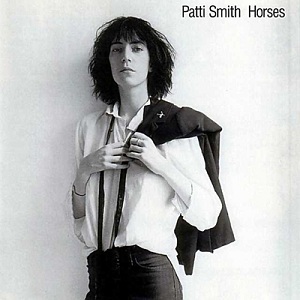
Patti Smith – Horses

Patti Smith’s “Horses”: When Poetry Slams Into Rock and Both Lose the Fight

Look, I get it. It’s 1975, and you’re at some Greenwich Village café where everyone’s wearing black turtlenecks and debating whether a urinal in a museum is the pinnacle of artistic achievement. Someone puts on Patti Smith’s “Horses,” and suddenly everyone’s nodding meaningfully while sipping overpriced espresso. But let’s cut through the intellectual smokescreen here.

“Jesus died for somebody’s sins, but not mine” – the album’s opening line – lands with all the subtlety of a freshman philosophy major who just discovered Nietzsche. What follows is 43 minutes of Smith alternating between speaking-singing poetry with the conviction of someone reading their diary at gunpoint and unleashing banshee wails that make Bob Dylan sound like Frank Sinatra.

Now, before the pitchfork-wielding art rock devotees show up at my door, let me acknowledge what “Horses” gets right. The backing band is tight when they’re allowed to be, particularly on “Gloria,” where they build a genuinely hypnotic groove before Smith decides to turn it into a stream-of-consciousness fever dream about… well, who really knows? The production by John Cale (yes, THAT John Cale) is crisp and spacious, proving that at least someone in the studio understood the concept of restraint.

“Land” is arguably brilliant – if you can wade through its nine minutes of beat poetry about horses, Johnny, and the sea of possibilities. It’s like “The Waste Land” crashed into “Louie Louie,” and somehow they both survived. The raw energy is undeniable, even when it feels like Smith is just throwing words at the wall to see what sticks.

But then we get to tracks like “Birdland,” where Smith’s free-form poetry about a boy watching his father’s funeral morphs into an improvised alien abduction narrative. It’s either genius or the result of someone leaving their coffee cup unattended at a beatnik café – I’m still not sure which. The music meanders behind her like a lost tourist in Manhattan, occasionally stumbling into moments of accidental brilliance.

“Break It Up” showcases what this album could have been if Smith had remembered that songs traditionally have things like “structure” and “choruses.” It’s almost – dare I say it – catchy, before dissolving into another bout of artistic self-indulgence.

Let’s talk about “Kimberly.” The genuine tenderness Smith shows for her sister is touching, even if it’s expressed through imagery about nuclear fallout and apocalyptic weather. It’s like getting a heartfelt birthday card that’s somehow also about the end of the world.

The musicianship deserves praise – these guys could really play when given the chance. Richard Sohl’s piano work adds genuine texture and depth, while Lenny Kaye’s guitar manages to both support and survive Smith’s vocal adventures. They’re like expert tightrope walkers maintaining their balance while someone’s vigorously shaking the rope.

“Horses” is undoubtedly influential, paving the way for punk, art rock, and countless coffee shop poets who mistake volume for profundity. It’s like a Rorschach test set to music – what you get out of it probably says more about you than the actual album. Is it groundbreaking? Absolutely. Is it enjoyable? Well, that depends on your tolerance for artistic revolution and your capacity for finding profound meaning in phrases like “the boy was in the hallway drinking a glass of tea.”

Rating: 2.5 out of 5 Pretentious Coffee Cups ☕

High Points:

  • When the band gets to actually play music
  • John Cale’s production
  • Moments of genuine emotional breakthrough
  • Historical importance to punk rock

Low Points:

  • Poetry that makes Allen Ginsberg sound like Dr. Seuss
  • Structural coherence apparently banned from studio
  • More pretension than a modern art gallery’s coat check

Final Thought: “Horses” is like that person at a party who won’t stop talking about their semester abroad in Paris – occasionally interesting, undeniably cultured, but my God, would you please just get to the point?