The Beatles – White Album

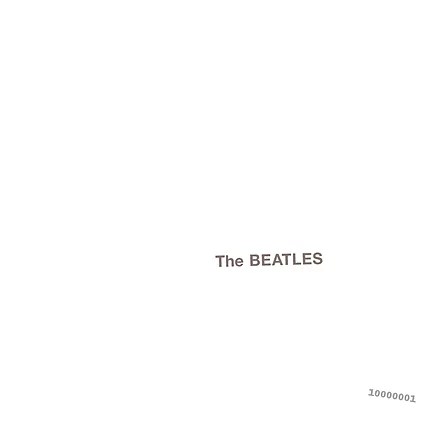
Alright, Beatlemaniacs and disciples of the Fab Four, it’s time to unpack the enigma wrapped in a white sleeve that is The Beatles’ self-titled album, affectionately known as “The White Album.” This isn’t just a double album; it’s a musical Rorschach test, a sprawling canvas of sonic experimentation that’s as brilliant as it is baffling.

When this blank-faced behemoth hit the shelves in 1968, it was like the Beatles had invited the world into their musical funhouse. Gone were the matching suits and mop-tops; in their place stood four distinct artists, each pulling the band in wildly different directions. The result? A 30-track odyssey that’s part genius, part indulgence, and entirely fascinating.

“Back in the U.S.S.R.” kicks things off with a Beach Boys pastiche by way of Cold War satire. It’s McCartney at his cheeky best, serving up a slice of rock ‘n’ roll with a side of geopolitical commentary. By the time the jet engines fade out, you’re strapped in for a ride wilder than a Magical Mystery Tour on steroids.

Jump a few tracks and you’ll find yourself in the midst of “While My Guitar Gently Weeps,” Harrison’s crowning achievement on the album. With a little help from his friend Eric Clapton, George delivers a song so achingly beautiful it could make even Ringo’s drumsticks weep. It’s the sound of the “quiet Beatle” stepping out of the shadows and into the spotlight.

But let’s talk about “Helter Skelter” for a hot second. This isn’t just a song; it’s McCartney’s middle finger to anyone who ever called him “the cute one.” It’s seven minutes of raw, unfiltered rock ‘n’ roll chaos, with Paul screaming his lungs out like a man possessed. By the time Ringo’s shouting about blisters on his fingers, you’ll be checking your own hands for calluses.

Then there’s “Revolution 9,” the avant-garde elephant in the room. This sound collage is less a song and more an audio Rorschach test. It’s eight minutes of “what the hell am I listening to?” that’s either genius, madness, or both, depending on your level of pretension and/or chemical enhancement.

The production on this album is as varied as the songs themselves. From the lush orchestration of “Dear Prudence” to the bare-bones acoustic “Blackbird,” from the music hall whimsy of “Martha My Dear” to the proto-metal crunch of “Helter Skelter,” it’s like the Beatles set out to cover every genre known to man, and invent a few new ones along the way.

“The White Album” isn’t just a collection of songs; it’s a musical buffet where the Beatles laid out every idea they’d ever had, threw in a few they’d never even considered, and said “dig in.” It’s the sound of the world’s biggest band stretching the very definition of what a band could be.

In essence, this album is like rummaging through the collective junk drawer of four musical geniuses. It’s messy, it’s eclectic, it’s occasionally baffling, but it’s never, ever boring. It’s the Beatles at their most experimental, their most indulgent, and, paradoxically, their most human.

So, should you listen to “The White Album”? Does Ringo have a big nose? Is John’s glasses game on point? Did Paul really die and get replaced by a lookalike? (Spoiler: No, but it’s fun to pretend.) Of course you should listen to it! Just be prepared: this album might just make you question everything you thought you knew about the Beatles, about music, and possibly about reality itself. Now, if you’ll excuse me, I’ve got a sudden urge to meditate with the Maharishi, adopt a walrus, and try to decode the hidden messages when you play “Revolution 9” backwards. Number 9… Number 9… Number 9…

Wu-Tang Clan – 36 Chambers

Enter the Wu-Tang (36 Chambers): When Nine MCs Cast a Shadow Over Hip-Hop That Still Looms

Like a kung-fu master emerging from a misty Shaolin temple to unleash devastating techniques, Wu-Tang Clan’s debut album didn’t just enter hip-hop – it kicked down the door, threw everyone’s expensive leather jackets out the window, and redefined what raw could sound like in rap music.

The RZA, hip-hop’s own mad scientist, crafted a soundscape that makes Dr. Frankenstein’s experiments look like a kid’s chemistry set. Dusty soul samples clash with martial arts movie snippets while drums hit harder than Kareem Abdul-Jabbar in “Game of Death.” Every beat feels like it was assembled in a grimy Staten Island basement with equipment held together by duct tape and pure conviction. And somehow, it’s perfect.

When Method Man growls through “M.E.T.H.O.D. Man” like a gravelly-voiced demon who just gargled with battery acid, you realize this isn’t your uncle’s hip-hop collection of “Rapper’s Delight” and “The Message.” This is something grittier, something that would make your parents not just question your music taste but possibly your life choices.

The album plays like a cipher where each MC is trying to outdo the last, creating possibly the greatest posse cut collection in hip-hop history. “Protect Ya Neck” feels less like a song and more like watching eight ninjas perform increasingly impossible moves, each verse leaving you wondering “How are they gonna top THAT?” And then they do.

Ghostface Killah and Raekwon trade bars on “Can It Be All So Simple” like they’re playing verbal chess while everyone else is stuck on checkers. ODB (rest in peace) crashes through tracks like a hurricane in a china shop, his unhinged energy providing the perfect chaotic counterpoint to GZA’s surgical precision.

The production value might sound like it was recorded in a bunker during an apocalypse, but that’s exactly what makes it timeless. While other albums from ’93 were trying to sound clean and radio-ready, 36 Chambers embraced its muddy mix like battle scars. The result? It sounds as grimy and authentic in 2024 as it did when it dropped.

Every track is quotable to the point where you could probably write a graduate thesis just breaking down the metaphors in “C.R.E.A.M.” The way the group weaves together street knowledge, Five Percenter philosophy, and pop culture references makes Shakespeare look like he was writing nursery rhymes.

Let’s be real – this album hits harder than a sock full of quarters. It’s the kind of record that makes you want to wear Timbs in the middle of summer and practice kung-fu moves in your bedroom mirror. Twenty-plus years later, “36 Chambers” still makes most modern rap albums sound softer than a Care Bear convention.

For the uninitiated, this album might seem as accessible as a trigonometry textbook written in Sanskrit. But that’s the beauty of it – Wu-Tang wasn’t trying to hold anyone’s hand. They created their own universe with its own rules, slang, and mythology, and simply invited us to catch up.

Rating: 6 out of 5 Shaolin Swords 🗡️

Essential Tracks: Who are we kidding? The whole album is essential. Trying to pick standout tracks on “36 Chambers” is like trying to pick your favorite child – theoretically possible but spiritually wrong.

Final Thought: If this album were a kung-fu move, it would be the one that kills you, brings you back to life, and then makes you its disciple. Wu-Tang forever, indeed.

D’Angelo – Voodoo

D’Angelo’s Voodoo: When Neo-Soul Goes Neo-Nap Time

Let me start with a confession that might get me excommunicated from the Church of Music Criticism: I’m not entirely sold on D’Angelo’s supposedly revolutionary “Voodoo.” Yes, I know – this is like admitting you think the Mona Lisa is “just okay” or that Shakespeare could’ve used an editor. But hear me out.

Released in 2000, “Voodoo” is widely hailed as neo-soul’s holy grail, but listening to it feels like being invited to a party where everyone’s moving in slow motion and the host keeps insisting “it’ll pick up soon.” Spoiler alert: it rarely does.

The album’s production, helmed by D’Angelo and Questlove, is undeniably impressive on a technical level. The layered instrumentation creates a thick, humid atmosphere that’s about as close as audio can get to actually being in New Orleans during August. But like that Louisiana humidity, it can sometimes feel suffocating, with songs that meander so much they could file for citizenship in three different countries.

Take “The Line” – it’s like watching someone try to parallel park for seven minutes. Sure, they’ll get there eventually, but did we need to witness the entire process? The track showcases D’Angelo’s masterful understanding of groove and space, but sometimes space needs to be filled with, you know, something.

However – and this is where I’ll probably save myself from complete professional exile – when “Voodoo” hits, it hits like a ton of particularly funky bricks. “Devil’s Pie” is an undeniable masterpiece, a scathing critique of materialism wrapped in a bass line so thick you could spread it on toast. “Send It On” demonstrates D’Angelo’s ability to channel the spirits of soul giants past while creating something entirely his own.

The much-celebrated “Untitled (How Does It Feel)” deserves its flowers, even if those flowers are being thrown very, very slowly. It’s a master class in tension and release, though I can’t help but feel that some of its reputation rides on that infamous music video. (Not that I’m complaining about that particular piece of cultural history.)

What frustrates me most about “Voodoo” is that its flaws and virtues spring from the same well. The loose, improvisational feel that makes tracks like “Spanish Joint” so intoxicating is the same quality that makes “The Root” feel like it’s being performed underwater in zero gravity. The intentionally murky mix that gives “Left & Right” its distinctive character makes other tracks sound like they were recorded through a wall.

D’Angelo’s vocals, while technically impressive, often feel like they’re playing hide and seek with coherence. Yes, I understand that the mumbled, buried-in-the-mix approach is intentional, but so is modern art, and I don’t have to pretend to enjoy that either.

To be fair, the album’s influence is undeniable. You can hear echoes of “Voodoo” in everything from Frank Ocean to Anderson .Paak. But being influential doesn’t automatically make something enjoyable – just ask anyone who’s had to read James Joyce’s “Ulysses.”

Rating: 6.5/10

High Points:

  • “Devil’s Pie” (A genuine masterpiece)
  • The innovative production techniques
  • Those moments when the funk really hits
  • “Untitled (How Does It Feel)” (Both song and video)

Low Points:

  • Pacing that makes continental drift look speedy
  • Occasionally too-murky mix
  • Lyrics that play harder to get than a cat at a dog park
  • The sense that some songs could’ve ended three minutes earlier

Final Verdict: “Voodoo” is like that friend who’s absolutely brilliant but also exhausting – you respect their genius, but you don’t necessarily want to hang out with them every day. While it’s undoubtedly an important album that pushed the boundaries of what R&B could be, it sometimes feels like it’s pushing those boundaries right into a musical quicksand of its own making.

For fans of: Watching paint dry (but in a really sophisticated way), trying to read books in dark rooms, and pretending to understand wine terminology.

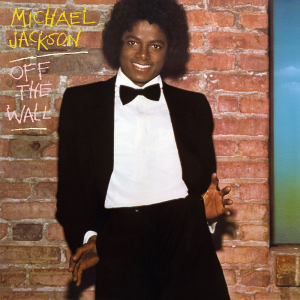
Michael Jackson – Off the Wall

Alright, moonwalkers and smooth criminals, it’s time to bust out your shiniest socks and practice your spin moves, because we’re diving into Michael Jackson’s “Off the Wall.” This isn’t just an album; it’s the sonic equivalent of a supernova in platform shoes, exploding onto the disco scene and scattering glitter across the entire musical landscape.

Released in 1979, “Off the Wall” hit the world like a glittery meteorite, leaving a crater-sized impact on pop music that we’re still feeling today. It’s as if Michael looked at the dying embers of disco and said, “Hold my non-alcoholic beverage, I’m about to start a fire.”

Let’s kick things off with “Don’t Stop ‘Til You Get Enough,” shall we? This track bursts out of the gate like a thoroughbred racehorse on rocket fuel. That falsetto “Oooh!” is less of a vocal performance and more of a mating call for the dance floor. The moment those strings kick in, resistance becomes futile. You will dance, even if you’re sitting in traffic or waiting for a root canal.

“Rock With You” slides in next, smoother than a buttered eel on an ice rink. This track doesn’t just groove; it slinks. It’s the aural equivalent of that cool guy at the party who doesn’t need to try – he just leans against the wall and suddenly everyone wants to talk to him. Michael’s voice here is so silky, it should come with a warning label: “Caution: May cause spontaneous slow dancing with inanimate objects.”

But let’s talk about the title track, “Off the Wall.” This is Michael throwing down the gauntlet to the entire music industry. It’s a manifesto of funk, a declaration of dance floor independence. When he sings “gonna leave that nine to five up on the shelf, and just enjoy yourself,” it’s not just a lyric – it’s a direct order from the King of Pop himself.

“She’s Out of My Life” shows us a softer side of Michael, and boy, does it deliver. This ballad is so heartfelt, you can practically hear the tears rolling down MJ’s cheeks. It’s the kind of song that makes you want to break up with someone just so you can dramatically lip-sync to it in front of a rain-streaked window.

Production-wise, Quincy Jones deserves a Nobel Prize in Chemistry for the way he mixes these elements into pure audio gold. The album sounds both intimately raw and cosmically polished, like it was recorded in Studio 54 but mixed on Mars.

“Off the Wall” isn’t just an album; it’s a statement. It’s Michael Jackson planting his flag (probably a sequined one) and declaring, “This is who I am, and this is what I’m capable of.” It’s the sound of a child star blossoming into a full-fledged icon, shedding the Jackson 5 cocoon and emerging as a glorious, moonwalking butterfly.

In conclusion, “Off the Wall” is like that one perfect night out where everything just clicks. The music’s right, the mood’s right, and suddenly you find yourself doing dance moves you didn’t even know you had. It’s an album that doesn’t just make you want to dance – it makes you need to dance, like it’s as essential as breathing or blinking.

So, should you listen to “Off the Wall”? Is water wet? Does the pope wear a funny hat? Of course you should! Just be prepared: once this album gets its hooks into you, you’ll be humming these tunes until the end of time. And trust me, there are far worse fates than having “Rock With You” as your internal soundtrack. Now if you’ll excuse me, I’ve got some gravity-defying dance moves to practice. Don’t judge me when you see a grown adult attempting to moonwalk down the frozen food aisle – blame it on the boogie.

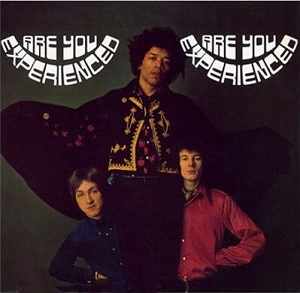
Jimi Hendrix – Are You Experienced?

Alright, psychedelic warriors and guitar gods in training, strap yourselves in. We’re about to take a trip through Jimi Hendrix’s “Are You Experienced,” an album that doesn’t just rock your world – it sets it on fire, plays a face-melting solo over the flames, and then smashes the smoldering remains.

When this sonic bomb detonated in 1967, it didn’t just announce Hendrix’s arrival – it redefined what was possible with six strings and a stack of Marshall amps. It’s as if Hendrix descended from some distant planet where guitars grew on trees and the air was thick with purple haze.

“Purple Haze” kicks things off with a riff so iconic it should be carved into Mount Rushmore. Two notes. That’s all it takes for Hendrix to grab you by the collar and drag you into his Technicolor dreamscape. By the time he’s singing about “kissing the sky,” you’re already floating in the stratosphere, wondering if someone slipped something into your drink.

“The Wind Cries Mary” saunters in next, proving that Hendrix could do tender just as well as he could melt faces. It’s like stumbling upon a field of delicate flowers in the midst of a raging forest fire. Jimi’s guitar weeps and whispers, showing a vulnerability that makes the wild man persona all the more intriguing.

But let’s talk about “Foxy Lady,” shall we? This track struts onto the scene with all the subtlety of a neon peacock. That opening note, bending and swelling like some primordial moan, sets the stage for three minutes of raw, unfiltered sexual energy. It’s the kind of song that makes your parents uncomfortable and you question your life choices – in the best possible way.

“Are You Experienced?” closes out the album with a question that, by this point, seems almost rhetorical. Backward guitar tracks and drum loops create a swirling vortex of sound that threatens to suck you in and spit you out in some alternate dimension. It’s less a song and more an out-of-body experience set to music.

The production on this album, helmed by Chas Chandler, is like lightning in a bottle. It’s raw enough to capture the live wire energy of Hendrix’s playing, yet polished enough to let every mind-bending effect and innovative technique shine through. It’s the sound of someone pushing the recording studio to its absolute limits.

“Are You Experienced” isn’t just an album; it’s a rite of passage. It’s the moment rock music grew up, dropped acid, and decided to explore the outer reaches of what was musically possible. Hendrix doesn’t just play the guitar; he coaxes, caresses, and occasionally beats sounds out of it that no one had ever heard before.

In essence, this record is like finding out that everything you knew about rock music was just the tip of the iceberg, and Hendrix is showing you the weird, wonderful world that lies beneath. It’s groundbreaking, it’s earth-shattering, it’s the alpha and omega of psychedelic rock.

So, should you listen to “Are You Experienced”? Is water wet? Do fish swim? Does Hendrix make mere mortals weep at their own guitar-playing inadequacies? You’re damn right you should listen to it. Just be prepared: this album might just rewire your brain, expand your consciousness, and make you believe in the existence of guitar-wielding aliens. Now, if you’ll excuse me, I’ve got a sudden urge to grow out my hair, wear a frilly shirt, and attempt to play my guitar with my teeth. Don’t try this at home, kids – leave it to the professionals, and by professionals, I mean Jimi freaking Hendrix.

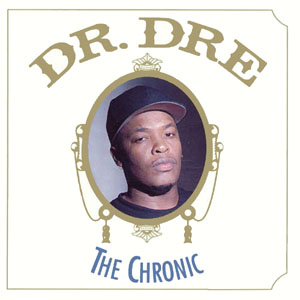
Dr. Dre – The Chronic

Alright, homies and hustlers, strap in and pass the dutchie, ’cause we’re about to dive deep into the smoky, bass-heavy world of Dr. Dre’s “The Chronic.” This ain’t just an album; it’s the sonic equivalent of California rolling up the entire early ’90s in a blunt and hotboxing hip-hop for generations to come.

Dropped like a bomb in December ’92, “The Chronic” hit the streets harder than a lowrider with hydraulics. It’s as if Dre took the funk, sprinkled it with some OG Kush, and served it up with a side of gangsta lean so hard it’ll make your neck hurt.

Let’s kick it off with “Nuthin’ but a ‘G’ Thang,” shall we? This track slides in smoother than a greased-up eel at a waterslide competition. Snoop Dogg’s lazy drawl over Dre’s funk-drenched beat is like watching silk flow over a subwoofer. It’s the kind of song that makes you want to cruise down Crenshaw with the top down, even if you’re actually stuck in traffic on the 405 in a beat-up Civic.

“Let Me Ride” rolls up next, a G-funk odyssey that samples Parliament’s “Mothership Connection” so effectively, you half expect George Clinton to pop out of your speakers wearing a diaper and a cosmic sombrero. Dre’s flow here is as laid-back as a Sunday afternoon BBQ, but don’t get it twisted – there’s steel underneath that velvet.

But let’s talk about “Fuck Wit Dre Day (And Everybody’s Celebratin’).” This diss track is so cold it could freeze Hell over. Dre and Snoop trade bars like heavyweight champs, each punchline landing with the force of a Mike Tyson right hook. It’s the kind of track that makes you feel invincible, even if you’re just mean-mugging your reflection in the bathroom mirror.

“The Chronic” isn’t just about the bangers, though. Tracks like “Lil’ Ghetto Boy” show Dre’s softer side – well, as soft as you can get while still keeping it streets ahead. It’s like watching a pit bull cuddle a kitten – heartwarming, but you know it could still rip your face off if provoked.

Production-wise, this album is tighter than Fort Knox on lockdown. Dre’s beats are cleaner than a surgeon’s scalpel and twice as incisive. He takes the funk of the ’70s, strips it down, beefs it up, and creates a sound so distinctively West Coast you can practically smell the ocean and weed through your speakers.

The guest spots on this album read like a Who’s Who of early ’90s West Coast hip-hop. Snoop Dogg, obviously, but also Nate Dogg, Kurupt, Lady of Rage – it’s like Dre was assembling the Avengers of G-funk. Each feature adds another layer to the chronic-infused cake, creating a high so potent it should come with a warning label.

“The Chronic” isn’t just an album; it’s a time machine, a history lesson, and a party starter all rolled into one. It’s the sound of the West Coast rising, of hip-hop evolving, of Dr. Dre stepping out from behind the N.W.A. shadow and into the spotlight as a solo artist and producer extraordinaire.

In conclusion, “The Chronic” is like that first hit from a fresh blunt – smooth, potent, and guaranteed to leave you fiending for more. It’s an album that defined a genre, launched careers, and probably sold more subwoofers than any car audio ad ever could. It’s not just music; it’s a lifestyle, a mood, a whole damn vibe.

So, should you listen to “The Chronic”? Does Snoop Dogg love green? Is the Pope Catholic? Does a bear… well, you get the idea. Just make sure you’ve got a good system to handle those bass lines, ’cause this album doesn’t just bump – it earthquakes. Now if you’ll excuse me, I’ve got some G-funk to blast and some chronic-related activities to attend to. Stay up, playas.

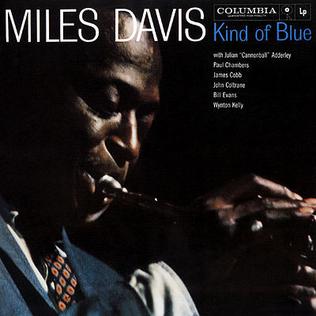
Miles Davis – Kind of Blue

Alright, cool cats and jazz aficionados, it’s time to dim the lights, pour a finger of whiskey, and lose ourselves in the sublime soundscape of Miles Davis’ “Kind of Blue.” This isn’t just an album; it’s a portal to a smoky, late-night realm where time slows down and every note hangs in the air like a fragrant wisp of cigarette smoke.

When “Kind of Blue” first graced turntables in 1959, it didn’t so much drop as it oozed into existence, like spilled ink spreading across the fabric of jazz history. Miles and his all-star sextet took the concept of modal jazz, ran it through a filter of pure cool, and emerged with something so effortlessly hip it makes even your coolest uncle look like a square.

“So What” kicks things off with Paul Chambers’ iconic bass line, a musical question mark that sets the tone for the entire album. Miles’ trumpet enters like a smooth-talking stranger at a bar, and before you know it, you’re five drinks deep in a conversation about the meaning of life. It’s the musical equivalent of a perfectly tailored suit – timeless, elegant, and oh-so-cool.

Coltrane takes center stage on “Blue in Green,” his saxophone weaving a tapestry of melancholy so beautiful it could make a statue weep. This track isn’t just sad; it’s existential crisis sad, it’s “staring out the window on a rainy day questioning every decision you’ve ever made” sad. But, you know, in a good way.

“All Blues” swings in with a groove so laid-back it’s practically horizontal. This is the sound of five masters at the top of their game, having a musical conversation so intimate you almost feel like you should leave the room. Miles’ muted trumpet here is like a whisper in a crowded room – soft, but impossible to ignore.

Let’s talk about the improvisational nature of this album for a hot second. Legend has it that the sextet had minimal rehearsal before recording, with Miles giving only basic instructions. The result is jazz in its purest form – spontaneous, alive, and utterly captivating. It’s like watching a tightrope walker perform without a net, knowing that any misstep could spell disaster, but instead witnessing pure magic.

The production on “Kind of Blue” is as crisp and clear as a winter morning. Every instrument has room to breathe, every note rings true. It’s the kind of album that makes audiophiles weep with joy and reach for their most expensive headphones.

“Kind of Blue” isn’t just an album; it’s a mood, a vibe, a state of mind. It’s the soundtrack to every late-night contemplation, every rainy Sunday morning, every moment when you need to just… be. It’s jazz distilled to its very essence, stripped of pretension and delivered with an almost supernatural cool.

In essence, this record is like finding a hidden jazz club where the greatest musicians in history are just jamming for the hell of it. It’s intimate, it’s profound, it’s the very definition of timeless.

So, should you listen to “Kind of Blue”? Does a bear… ah, you know what, let’s not even finish that tired old phrase. Of course you should listen to it. It’s not just recommended; it should be prescribed by doctors for the treatment of chronic uncoolness. Just be prepared: this album might just ruin all other music for you. Now, if you’ll excuse me, I’ve got a sudden urge to don a beret, snap my fingers rhythmically, and use the word “cat” unironically. Because after “Kind of Blue,” we’re all a little bit cooler, a little bit more introspective, and a whole lot more aware of the boundless possibilities of five musicians in a room, creating magic out of thin air.

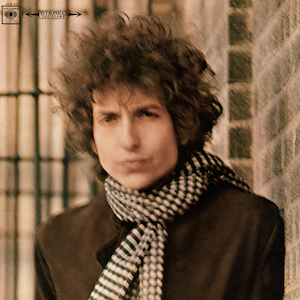
Bob Dylan – Blonde on Blonde

Alright, gather ’round, you jingle-jangle morning chasers and poetic puzzle enthusiasts. We’re about to dive into the lyrical labyrinth that is Bob Dylan’s “Blonde on Blonde.” This isn’t just an album; it’s a Rosetta Stone for decoding the human condition, wrapped in a double LP that’s as thick as a Midwestern accent and twice as intriguing.

Released in 1966, “Blonde on Blonde” hit the scene like a surrealist painting come to life, stumbling out of a smoky Greenwich Village café and into the mainstream. It’s as if Dylan took the English language, put it in a tumbler with some amphetamines and beat poetry, then poured out pure, distilled genius.

Let’s start with “Rainy Day Women #12 & 35,” shall we? This carnival of chaos kicks off the album like a drunken marching band crashing a funeral. With its woozy brass and Dylan’s gleeful proclamation that “Everybody must get stoned,” it’s either a coded drug reference or the world’s most rollicking Old Testament allusion. Either way, it sets the tone for an album that’s about as straightforward as a corkscrew.

“Visions of Johanna” slithers in next, a seven-minute fever dream that’s denser than a neutron star and just as likely to warp your perception of reality. Dylan’s stream-of-consciousness lyrics paint a picture so vivid yet so abstract, it’s like trying to describe a Dali painting to a blind man while high on laughing gas. “The ghost of electricity howls in the bones of her face”? I mean, come on! That’s not songwriting; that’s linguistic alchemy.

“I Want You” provides a brief respite of relatively straightforward desire, though in Dylan’s hands, even a love song becomes a kaleidoscopic journey through want and need. It’s catchy enough to be pop, but weird enough to remind you that you’re still in Dylan’s funhouse mirror world.

But let’s talk about “Stuck Inside of Mobile with the Memphis Blues Again.” This track is a parade of characters so colorful, they make Sgt. Pepper’s Lonely Hearts Club Band look like a bunch of accountants on casual Friday. It’s a song that manages to be both nonsensical and profound, like overhearing a philosophical debate in a madhouse.

And then there’s “Sad Eyed Lady of the Lowlands,” the epic 11-minute closer that takes up an entire side of vinyl. It’s a love song, a riddle, and a fever dream all rolled into one. By the time Dylan’s done spinning his web of imagery, you’ll feel like you’ve just read a Russian novel backwards while riding a merry-go-round.

Producer Bob Johnston deserves a medal for herding these musical cats into some semblance of an album. The sound is as mercurial as Dylan’s lyrics, shifting from raucous blues to tender balladry with the ease of a chameleon changing colors.

“Blonde on Blonde” isn’t just an album; it’s a Rorschach test in musical form. It’s the sound of the 1960s counter-culture distilled into a potent brew of folk, rock, blues, and pure, uncut Dylan. It’s an album that doesn’t just reward repeated listens; it demands them, revealing new layers of meaning with each spin.

In conclusion, “Blonde on Blonde” is like that weird dream you had after falling asleep reading Allen Ginsberg while a blues record played in the background. It’s confusing, exhilarating, and utterly captivating. It’s not just music; it’s a full-body experience that’ll leave your mind buzzing and your dictionary weeping.

So, should you listen to “Blonde on Blonde”? Does a one-legged duck swim in circles? Of course you should! Just don’t expect to understand it all on the first… or fiftieth listen. This album isn’t a quick fix; it’s a lifelong companion that’ll keep you company on rainy days, sunny days, and those strange, in-between days when reality seems just a bit off-kilter. Kind of like Bob himself.

Beyonce – Lemonade

Buckle up, Beyhive, because we’re about to dive into the sweet, sour, and downright electrifying world of Beyoncé’s “Lemonade.” This isn’t just an album; it’s a cultural reset, a visual feast, and a masterclass in turning personal pain into artistic triumph.

When “Lemonade” dropped in 2016, it didn’t just break the internet – it made the internet its personal lemonade stand. Queen Bey took her marital strife, mixed it with black feminism, stirred in some Southern gothic imagery, and served it up with a side of “boy, bye.”

“Pray You Catch Me” opens the album like a quiet storm, all hushed vocals and simmering tension. It’s the calm before the hurricane, with Beyoncé’s vulnerability on full display. You can almost hear the sound of a marriage cracking beneath the weight of suspicion and betrayal.

Hold up (they don’t love you like I love you)! “Hold Up” swings in with a baseball bat and a sunny disposition, demolishing expectations and fire hydrants with equal glee. It’s a jealous woman’s fever dream set to a Caribbean beat, with Beyoncé channeling both rage and playfulness in a yellow Roberto Cavalli dress.

“Don’t Hurt Yourself” is where things get really heated. Featuring Jack White and sampling Led Zeppelin, this track is a molotov cocktail of rock and soul. Beyoncé isn’t just angry; she’s incandescent with fury, her voice a blowtorch of emotion that threatens to burn the whole patriarchy down.

Let’s talk about “Formation” for a hot second. This isn’t just a song; it’s a manifesto. It’s Beyoncé planting her flag in the cultural landscape and daring anyone to try and remove it. From “I got hot sauce in my bag (swag)” to “I like my baby heir with baby hair and afros,” every line is quotable, meme-able, and absolutely essential.

The production on “Lemonade” is as varied as Bey’s emotional journey. From country twang (“Daddy Lessons”) to piano balladry (“Sandcastles”), from trap beats (“6 Inch” feat. The Weeknd) to rock swagger (“Don’t Hurt Yourself”), the album refuses to be pinned down to any one genre.

“Lemonade” isn’t just an album; it’s a multimedia experience. The accompanying film is a visually stunning journey through Beyoncé’s psyche, mixing spoken word, poetry, and breathtaking imagery to create something truly unique in the pop landscape.

In essence, this album is like going to couples therapy with a stadium full of people, where the therapist is a goddess in designer clothes, and the session ends with everyone learning a new dance routine. It’s personal, it’s political, it’s pop culture at its most potent.

So, should you listen to “Lemonade”? Is water wet? Does the sun rise in the east? Of course you should! Just be prepared: this album might just inspire you to start your own revolution, smash some car windows (legally and safely, of course), or at the very least, upgrade your hot sauce game. Now, if you’ll excuse me, I’ve got a sudden urge to put on my most fabulous outfit and strut down the street like I’m in my own personal Beyoncé video. When life gives you lemons, you make “Lemonade” – and then you slay all day.

David Bowie – Ziggy Stardust

Alright, space cadets and glam rock aficionados, strap yourselves in. We’re about to blast off into the stratosphere of musical innovation with David Bowie’s “The Rise and Fall of Ziggy Stardust and the Spiders from Mars.” This isn’t just an album; it’s an intergalactic rock opera that’ll make you question your sexuality, your fashion choices, and possibly your entire existence.

Released in 1972, this record crash-landed onto Earth like a fabulous UFO piloted by a bisexual alien rock god. It’s as if Bowie looked at the music scene of the early ’70s and thought, “Needs more stardust and androgyny.” And boy, did he deliver.

Let’s start with “Five Years,” shall we? The album opener creeps in like an existential crisis wearing platform boots. Bowie’s voice, fragile yet powerful, delivers the news of Earth’s impending doom with all the drama of a Shakespearean actor who’s accidentally wandered onto a sci-fi movie set. By the time the strings swell to their climax, you’ll be ready to throw on some glitter and face the apocalypse in style.

“Moonage Daydream” swaggers in next, with a riff so chunky you could serve it on a platter at a glam rock buffet. Mick Ronson’s guitar work here is filthier than the floor of a dive bar after last call. And those lyrics? “I’m an alligator, I’m a mama-papa coming for you”? It’s like Bowie threw a dictionary in a blender and poured the results into a lava lamp.

Now, let’s talk about “Starman.” This track is catchier than the common cold at a kindergarten. That chorus will hook you faster than you can say “Hey babe, your hair’s alright.” It’s the musical equivalent of a warm hug from a sparkly alien – comforting, yet slightly unsettling.

“Ziggy Stardust,” the titular track, struts onto the scene like it owns the place – and honestly, it does. It’s a character study so vivid you can practically see the “screwed-up eyes and screwed-down hairdo.” Bowie paints a picture of rock ‘n’ roll excess so compelling that you’ll want to start your own band, if only to experience a fraction of Ziggy’s wild ride.

But the real knockout punch comes with “Rock ‘n’ Roll Suicide.” Starting as a quiet reflection and building to a life-affirming climax, it’s like watching a supernova in slow motion. When Bowie screams “You’re not alone!” it’s enough to make even the most jaded listener want to throw their hands up and embrace the nearest stranger.

Producer Ken Scott deserves a Nobel Prize in Chemistry for the way he alchemized these disparate elements into audio gold. The album sounds both intimately raw and cosmically polished, like it was recorded in a dive bar on Mars.

“Ziggy Stardust” isn’t just an album; it’s a portal to another dimension where rock stars are messiahs, guitars are interstellar communicators, and glitter is a basic food group. It’s a concept album that actually works, telling a story so compelling you’ll want to cancel your Netflix subscription and just listen to this on repeat.

In conclusion, “The Rise and Fall of Ziggy Stardust and the Spiders from Mars” is like that one wild night out that changes your life forever. It’ll reshape your musical taste, expand your mind, and probably inspire you to raid your mom’s makeup drawer. It’s not just ahead of its time; it exists outside of time altogether, in a glamorous pocket dimension where Bowie reigns eternal.

So, should you listen to “Ziggy Stardust”? Is water wet? Is space vast? Is Bowie the Starman waiting in the sky? The answer is a resounding yes. Just be prepared: once Ziggy gets inside your head, he’s not leaving anytime soon. And trust me, you wouldn’t want him to anyway. This album doesn’t just rock – it transcends.