The STRONG framework

When I began this journey of 50 for 50 I knew exactly what I wanted to achieve, yet my approach was vague. I jumped in enthusiastically, tackling tasks at random and celebrating early victories. But around the six-month mark, things shifted. The initial easy wins faded, leaving me in what can generously be described as a slog.

At this turning point, I paused to reflect. My loose methodology—guided by unwritten rules—needed structure. I combed through my notes, carefully identifying successful behaviors and pinpointing obstacles. I had my insights, but what now?

Influencers often have catchy acronyms for their frameworks, so I brainstormed names. Nothing stuck until I revisited an earlier entry that emphasized the concept of finishing strong—pushing forward even when victory seemed uncertain. That resonated deeply, inspiring the creation of the finish STRONG framework for goal setting and achievement.

Let’s dive into this empowering framework:

Start Small – Commit to doing just one thing each day to progress your goals. Even on your busiest days, five minutes is enough: read a page, sketch a quick idea, jot down tomorrow’s task. This daily action trains your mind, signaling that your goals matter. Eventually, you’ll instinctively feel the need to keep progressing, and skipping a day will feel like something vital is missing.

Transform Habits – Humans thrive on habits, which makes them powerful tools for change. Start small, choosing manageable habits. The book “Atomic Habits” emphasizes how tiny, incremental changes lead to remarkable transformations. Its key lesson—align your habits with your desired identity—deeply impacted me. While I learned that habits often take longer than the popularly cited 30 days to solidify, persistent effort eventually made these behaviors automatic, seamlessly integrating them into my daily routine.

Rebuild Mindset – Among the framework’s elements, mindset is pivotal. To achieve significant goals, you must reinvent how you see yourself—not as someone who might succeed, but as someone who will succeed. Shifting your self-perception eliminates room for hesitation. My mindset transformation was personal; embracing stoicism profoundly changed my worldview, strengthening my resolve and clarity.

Overcome Obstacles – Despite meticulous planning, setbacks are inevitable. Injuries, overwhelming workloads, illnesses, family obligations—each can derail your progress. But it’s not the obstacles themselves, rather your response, that defines your journey. “The Obstacle is the Way” articulates this beautifully: viewing challenges as opportunities to build resilience and strength. Its three-part framework—clearly perceiving obstacles, taking decisive action, and wholeheartedly accepting difficulties—helps cultivate an unwavering spirit and determination.

Never Quit – You will face moments of deep frustration, when progress stalls or even reverses. Giving up becomes tempting, rationalized by thoughts like, “Who would care if I quit?” The answer is simple: You would care. Abandoning your goals creates subtle self-doubt, convincing you that you lack perseverance. Resist that temptation. Slow down, adjust your timeline, but never surrender. Persistence ensures you ultimately achieve the greatness you envisioned.

Gather Data – Tracking progress became essential in my journey. Initially, I relied on a notebook (OneNote) for quick notes and recaps, keeping everything organized. But it was the Google Sheet that truly elevated my motivation. Each goal had its own tab, and a summary sheet visually tracked my progress through checkboxes and color-coded progress bars. Seeing bars turn blue at 100% completion sparked excitement, reinforcing accountability and highlighting areas needing immediate attention.

This finish STRONG framework transformed my approach from chaotic optimism into structured success, ensuring every step forward was intentional, meaningful, and enduring.

Goal Met: 50 hours of AI learning

This was an interesting one as the sources of learning ended up being pretty varied. There were two books I read “Co-Intelligence” and “The AI Driven Leader”, I watched a ton of YouTube videos and took a few training classes (some virtual, some in person). I came into this thinking AI could be a useful tool for some automation tasks or research and came out of it with a tool set that would let me use AI to improve almost every aspect of what I do. Learning advanced prompt engineering was the biggest takeaway. AI responds to what you prompt it with – a weak prompt will get you weak results. You can create specific projects that have long detailed instructions that allow you to have custom assistants that behave in a predefined pattern. When I started creating images the results weren’t great until I dug in and learned what the AI needs to create stunning visuals.

I’m going to let ChatGPT take the rest of this post – and explain what AI is and the current AI landscape. Take it away!
What is Artificial Intelligence?

Artificial Intelligence (AI) is a type of technology that allows computers to think and learn like humans. Instead of just following strict instructions, AI can analyze data, recognize patterns, and make decisions on its own. Think of AI as a super-smart assistant that can understand questions, find answers, and even create new things like artwork, music, or writing.

At its core, AI is powered by something called machine learning, which is a way for computers to learn from experience. Instead of being programmed with every possible answer, an AI system is trained using massive amounts of data. It looks at patterns, makes predictions, and adjusts itself over time. This is similar to how we learn—by seeing, practicing, and improving. AI also uses neural networks, which are computer systems inspired by how the human brain works, allowing it to make more complex decisions.

There are two main types of AI: narrow AI and general AI. Narrow AI is what we use today—it’s specialized and good at specific tasks, like recommending movies on Netflix, translating languages, or helping doctors detect diseases. General AI, which doesn’t exist yet, would be a machine that can think and learn just like a human across different topics, but we’re still far from that.

Why Prompt Engineering is So Important

Since AI relies on learning from data and responding to inputs, the way we ask it questions—called “prompts”—is incredibly important. If we give AI a vague, confusing, or misleading prompt, we’ll get an answer that isn’t useful. This is where prompt engineering comes in.

Prompt engineering is the skill of crafting the right kind of questions or instructions to get the best possible response from an AI system. It’s like giving directions to a friend—if you’re too vague, they might get lost, but if you’re clear, they’ll find their way easily.

Let’s look at some examples:

Bad prompt: “Tell me about history.”

This is too broad. AI won’t know if you mean world history, American history, or the history of pizza. It might give a general answer that isn’t useful.

Good prompt: “Explain the major causes of World War II in simple terms.”

This is much better because it specifies the topic and asks for a simplified answer, making it more likely that AI will give useful information.

Another example:

Bad prompt: “Write a story.”

AI could generate anything—maybe a horror story, maybe a children’s fairy tale. It’s unclear what you want.

Good prompt: “Write a short science fiction story about a robot that discovers emotions.”

Now AI has a clear direction, and the output will be more relevant and interesting.

Prompt engineering is essential because it helps users get precise, useful, and creative answers from AI. As AI tools become more advanced, those who know how to ask the right questions will get the best results.

Five Cutting-Edge AI Use Cases

AI is already transforming industries in amazing ways. Here are five cutting-edge uses of AI:

  1. Medical Diagnosis and Drug Discovery – AI helps doctors detect diseases like cancer earlier and faster. It can also predict how different drugs might work together, speeding up the creation of new medicines.
  2. Self-Driving Cars – AI allows cars to “see” the road, recognize traffic signs, and react to other vehicles, making autonomous driving safer and more reliable.
  3. AI-Powered Art and Music – AI can now create stunning paintings, realistic music, and even deepfake videos that look just like real people.
  4. Smart Assistants and Chatbots – Virtual assistants like Siri and Alexa use AI to understand speech and answer questions, while advanced chatbots handle customer service for businesses.
  5. Climate Change Predictions – AI is helping scientists analyze weather patterns and predict climate changes, leading to better strategies for protecting the environment.

Five Non-Obvious AI Use Cases

Beyond the flashy tech, AI is also being used in unexpected ways:

  1. Personalized Learning – AI tutors can customize lessons for students based on how they learn best.
  2. AI in Farming – AI-powered drones and sensors help farmers track crop health, predict weather changes, and maximize food production.
  3. Fraud Detection – Banks use AI to recognize suspicious transactions and prevent fraud before it happens.
  4. Mental Health Support – AI chatbots are being used as virtual therapists, providing emotional support to those in need.
  5. Sports Analytics – AI analyzes player movements and strategies to help teams improve their performance and predict game outcomes.

The Benefits and Risks of AI

AI brings enormous benefits, making life more convenient, boosting productivity, and even saving lives in medicine. It helps automate repetitive tasks, provides better recommendations for movies or products, and assists in solving complex problems. It can also improve accessibility, such as voice assistants helping visually impaired people navigate the world.

However, AI also comes with risks. One major concern is bias—AI learns from human data, and if that data is flawed, AI can make unfair decisions, like discriminating in hiring or loan approvals. Another risk is job displacement. As AI becomes more capable, certain jobs may become automated, meaning some workers will need to adapt or retrain. There are also ethical concerns around deepfakes, misinformation, and privacy, as AI can be used to manipulate information and invade personal data.

Where AI is Going in the Next 5 Years

AI is evolving rapidly, and in the next five years, we’re likely to see major advancements. AI could become much better at understanding emotions, making conversations feel more natural. We might also see more AI in creative fields, like writing, filmmaking, and game design. In medicine, AI could help develop personalized treatments based on a person’s genetics. AI will also play a bigger role in automation, from self-driving trucks to fully automated smart homes.

As AI grows more powerful, there will be more discussions about ethical use, regulations, and ensuring AI benefits everyone, not just big companies. The key will be balancing progress with responsibility, making sure AI is developed and used in ways that help rather than harm society.

Final Thoughts

AI is one of the most exciting and powerful technologies in the world today. It can do everything from answering questions and writing stories to driving cars and diagnosing diseases. But to get the most out of AI, people need to learn how to ask the right questions—this is why prompt engineering is such an important skill. As AI continues to evolve, it will bring new possibilities and challenges, shaping the way we work, create, and interact with the world. The future of AI is bright, but it’s up to us to guide it responsibly

I Did It.

Wow. That was quite a journey. I’m honestly still processing the fact that I managed to complete everything. Looking back, I’ve spent over two decades setting goals, and the highest I ever reached before was maybe 60% completion—and that was with a modest list of just ten goals. When I first considered taking on this challenge, I almost talked myself out of it, remembering past failures. But turning 50 flipped a switch in me. I figured I might not succeed, but I knew I’d regret it if I didn’t even attempt it. Maybe not the most optimistic mindset to start with, but if this experience has taught me anything, it’s that with discipline and structure, you can fundamentally shift how you approach things.
Coming up with 50 goals was an adventure in itself. The first few were easy—I pulled from old, unfinished goals and added new ones that felt both exciting and challenging. But once I hit the 30-goal mark, I struggled. That’s when I had to shift my perspective. I started thinking about what turning 50 really signified. I reflected on what I had accomplished, what I had always wanted to do but never got around to. And then it hit me: I had spent years assuming there would always be time. But what if there wasn’t? Shouldn’t I seize the moment now, while I still had the energy to truly enjoy it? That realization changed everything. Suddenly, the list filled itself. Visiting my father’s hometown in Italy. Buying my dream guitar. Sipping on really old Scotch. Once I reframed the process, it became much easier to round out the list. I even left a few open slots, which I later filled with “Explore AI” and “Complete a Bob Ross painting tutorial.”


As I got deeper into rounding out the 50, I found myself turning to the internet for inspiration. Seeing what others had on their goal lists helped me refine mine. Some ideas resonated, some didn’t, but the process helped me think outside the box. And ironically, one of my late additions—learning about AI—ended up being a game-changer. AI became an essential tool throughout the year. With a goal of blogging about my experience, I faced an immense workload, closing in on nearly 300 posts. Without AI’s help in researching topics, I would have been buried under the effort. I even used AI to critique my writing, offering an unfiltered, sometimes ego-bruising editorial lens that ultimately improved my work.
To keep myself accountable, I knew I needed rules. Once the 50 goals were set, I committed to not altering them to make things easier. But I’m also pragmatic—life happens. In the early months, I tore something in my shoulder, which derailed my fitness-related goals. So, I built in a contingency: I allowed myself to swap out five goals if necessary. This gave me a degree of flexibility while ensuring I didn’t just swap out challenges for convenience. I ended up using four swaps (documented on my website), and two of them were due to physical limitations rather than avoidance.


So how did I pull this off while managing a full-time job, two small kids, and a marriage? With structure. I built a framework that allowed me to make progress without compromising what truly mattered.
The first rule: priorities first. My family always comes first—no exceptions. I didn’t pursue these goals at the expense of time with my kids or my wife. I still coached my kids’ teams, played with them on weekends, and handled all the usual parenting duties. I made sure my wife and I kept our Friday lunch dates, giving us uninterrupted time together. And work? That stayed a priority too. I enjoy my job and wasn’t about to let this project interfere with my professional commitments. With those priorities locked in, anything else became negotiable.


The second rule: do something every day. Even on chaotic days—work was crazy, the kids had back-to-back activities, and my wife was out of town—I could still do something. Read a few pages of a book. Practice Italian on Babbel for five minutes. Write a quick gratitude journal entry. Even brushing my teeth at night, I could squeeze in a small action. The consistency was the key. After a few months, it became so ingrained that skipping a day felt like a glitch in my system. These small, daily efforts accumulated, creating momentum that accelerated progress over time.


The third rule: find hidden time. It’s there if you look for it. That hour-long commute? Perfect for listening to educational podcasts or checking off an album from my music list. Instead of doom-scrolling my phone during lunch, I’d read, write, or learn something new. Even waiting for my kids to finish practice became an opportunity—reading on my Kindle, researching goals, or sketching ideas. Once I stopped treating time as something to kill and started seeing it as something to use, my productivity skyrocketed.


The final rule: track everything. This was huge. I needed to see my progress at a glance, so I built a spreadsheet with progress bars and a dashboard to keep me motivated. If one goal was lagging, I’d shift focus to bring it up to speed. As the months passed and those bars turned blue, I felt the inertia pulling me forward. That visual reinforcement made a huge difference. I also used OneNote to collect ideas, notes, and drafts, which kept me organized and efficient. These tools gave me a comprehensive view of where I stood at any given moment.


As the year progressed, I started identifying areas of wasted time and replacing them with intentional actions. Little by little, I started to see myself as someone who followed through, rather than someone who set goals only to abandon them. That shift in self-perception was a turning point. Once I hit 75% completion, I could see the finish line. In the last 60 days, I went into overdrive, laser-focused on getting everything to 100%. I don’t think I could have sustained that level of intensity for an entire year, but as I neared the end, it felt like shifting from marathon pace to an all-out sprint.


But of course, there were downsides. Sustaining focus for an entire year was mentally exhausting. Between work, family, and this challenge, there were weeks when I was completely burned out. Fortunately, some of my goals—meditation, hiking, drawing—helped counteract the stress. On particularly rough weeks, I leaned into those activities, taking long hikes with my kids to reset. Still, there were stretches, especially in the summer, where I did nothing, and guilt crept in. Eventually, I realized that guilt was unnecessary. I wasn’t trying to become a productivity guru or a social media influencer—I was just a 50-year-old guy trying to accomplish something meaningful. And as I watched my goals falling one by one, I realized that even with breaks, I was still on track.


Another major downside? Free time took a massive hit. Movies, TV, video games—I barely engaged with any of them. I didn’t play a single hour of video games all year, missed most new film releases, and barely kept up with my sports teams. (Not that the Jets gave me much to miss.) These things might not be “productive,” but they’re enjoyable, and I realized I missed them. Sometimes, you just want to unwind and watch your favorite team blow a late lead.


Ultimately, I learned so much from this experience—not just about discipline and productivity, but about balance, adaptability, and what really matters. There were tough moments, but overall, I’m glad I did it. And now, looking ahead, I’m excited to see where these lessons take me next.

Goal Met – Start a Gratitude Journal

Now this one was a bit of a stretch. As I was looking for goals to round the total out to 50 this one kept popping up on a lot of the lists of goals people were setting. It seemed like a bit of pop psych or new age silliness but once I started doing some research (noted below) I saw that there are scientific papers backing up the practice and showing it has clear benefits.

I simply didn’t have the bandwidth to commit to a daily entry – but twice a week? I mean that’s doable. I was always able to come up with something I was grateful for that week or some kindness that came my way (or opportunity for me to show kindness – also very important) It really wasn’t too difficult and sometimes a bit of time would go by before I sat down and did it but the intent was there and I think that’s the point.

I’m not sure if there were any huge benefits I noticed but it did feel nice to remind myself of some of the awesome things I have in my life so I enjoyed doing this.

[Research]

Embarking on the practice of maintaining a gratitude journal can profoundly enhance your overall well-being. This simple yet powerful habit involves regularly recording aspects of your life for which you are thankful. Scientific research has consistently demonstrated that such a practice offers numerous psychological and physical benefits, making it a worthwhile endeavor for anyone seeking to improve their quality of life.

Psychological Benefits

One of the most significant advantages of keeping a gratitude journal is its positive impact on mental health. Regularly focusing on the positive aspects of life can lead to increased feelings of happiness and reduced symptoms of depression and anxiety. A systematic review and meta-analysis of 64 randomized clinical trials found that participants who engaged in gratitude interventions experienced greater feelings of gratitude, improved mental health, and fewer symptoms of anxiety and depression. Moreover, they reported a more positive mood and emotions. 

The act of writing down things you are grateful for shifts your attention away from negative thoughts and fosters a more optimistic outlook on life. This practice encourages mindfulness and helps break the cycle of rumination, which is often associated with depression and anxiety. By consciously acknowledging the positive elements in your life, you train your brain to focus on what brings joy and satisfaction, thereby enhancing overall mental health.

Physical Health Benefits

The benefits of gratitude journaling extend beyond mental health to encompass physical well-being. Research indicates that individuals who regularly practice gratitude experience better sleep quality, reduced blood pressure, and improved heart health. A study by UCLA Health highlighted that practicing gratitude can help with depression, anxiety, and stress, and also noted that the benefits of being thankful include improved sleep and heart health. 

Engaging in gratitude practices has been associated with a reduction in stress-related symptoms, which can have a direct impact on cardiovascular health. By promoting relaxation and reducing stress, gratitude journaling may contribute to lower blood pressure and a decreased risk of heart disease. Additionally, the positive emotions elicited by gratitude can lead to the release of endorphins, which act as natural painkillers and mood elevators.

Enhanced Relationships

Expressing gratitude can also strengthen your interpersonal relationships. When you regularly acknowledge and appreciate the kindness and support of others, it fosters a sense of connection and encourages reciprocal positive behavior. This can lead to deeper, more meaningful relationships and a robust social support network.

A study published in the Journal of Personality and Social Psychology found that gratitude is linked to prosocial behavior and can enhance social bonds. Participants who expressed gratitude were more likely to engage in helpful behaviors and report stronger relationships. By recognizing and appreciating the contributions of others, you not only enhance your own well-being but also create a positive feedback loop that benefits your social circle.

Neuroscientific Evidence

From a neuroscientific perspective, practicing gratitude can lead to lasting changes in brain function. Research has shown that gratitude activates regions in the brain associated with reward, morality, and positive social interactions. A study highlighted by Mindful.org noted that the science of gratitude shows it can support greater health, happiness, and wisdom in ourselves and our communities. 

Regular engagement in gratitude exercises can enhance the brain’s sensitivity to future experiences of gratitude, making it easier to access positive emotions even during challenging times. This neuroplasticity suggests that the more you practice gratitude, the more attuned your brain becomes to recognizing the good in your life, leading to sustained improvements in mental health and well-being.

Implementing a Gratitude Journal

Starting a gratitude journal is a straightforward process. Set aside a few minutes each day or week to reflect and write down things you are grateful for. These can range from significant events to simple pleasures. Consistency is key; regular practice maximizes the benefits. Some studies suggest that writing in a gratitude journal once or twice a week can be more effective than daily entries, as it prevents the activity from becoming routine and losing its impact.

Incorporating prompts can also enhance the depth of your reflections. Consider questions like, “What unexpected kindness did I experience today?” or “What aspect of my health am I most grateful for?” By diversifying your entries, you can gain a more comprehensive appreciation of the positive facets of your life.

Conclusion

Incorporating a gratitude journal into your routine can lead to substantial improvements in both mental and physical health. By consciously focusing on the positive aspects of your life, you can foster a more optimistic outlook, enhance your relationships, and even rewire your brain for increased happiness. Given the extensive scientific evidence supporting its benefits, starting a gratitude journal is a simple yet effective step toward a healthier, more fulfilling life.

Goal Met – Listen to Top 50 Albums of all Time

OK so this one is bound to generate arguments. I again used ChatGPT to collate a list from as many sources as possible and come up with a consensus top 50. Some of the albums I was familiar with, some I’ve never heard of so I knew this was going to be an adventure.

I actually went out and got some high quality headphones so I could experience them with as much audio fidelity as possible. I was pleasantly surprised at what a difference they made from my $10 amazon headset I was using!

Some of the albums were sonic masterpieces.. While others were a struggle for me. I mean I understand why Patti Smith is highly regarded but her music was a slog the same for the velvet underground. I listened to every song on every album and I feel like I get why some of these are so highly regarded – I mean what’s going on is such a great album that I listened to it again as soon as I was done.

The one thing that this challenge did was improve my Apple music algorithm – I mean it was pretty polluted from my kids asking Alexa to play Taylor Swift and dinosaur songs so injecting the algorithm with some quality music really helped balance the scales!

I got interested in the evolution of music and wish I had followed the movie goal and selected albums from each decade as I think that would have been a more interesting experience but I still managed to dig deep and explore why these albums are so well regarded and how they might be connected to each other.

[Filter by music tag to see individual reviews]

Goal Update: Visit 10+ Famous Pizza Places

I was at a work conference in Manhattan for a week and decided to seize this opportunity to squeeze in a few more famous pizza places into my year.

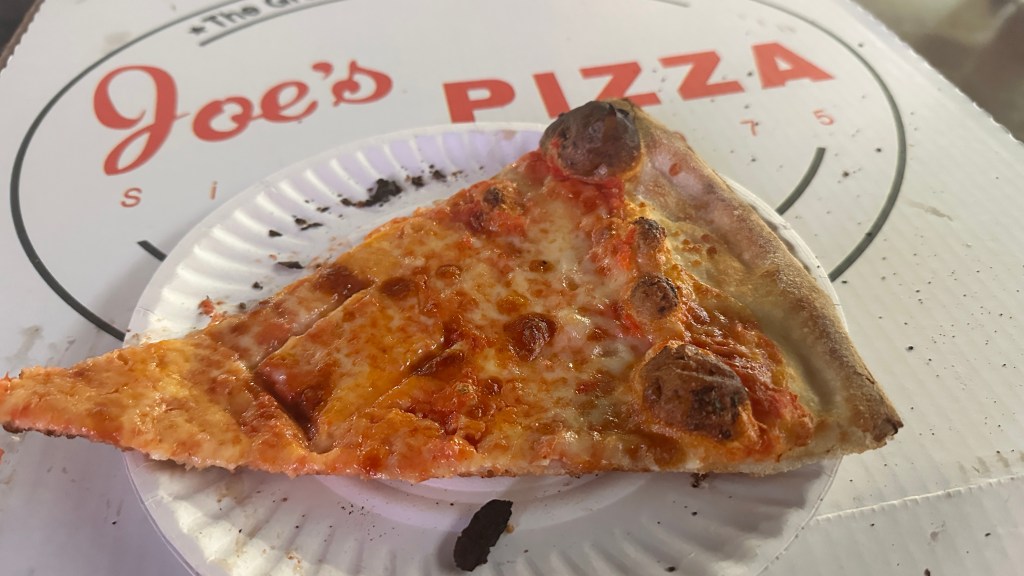
Joe’s Pizza on Broadway.
All the pizza people have a consensus that this is an exemplary NY slice and I was curious to give it a shot. The first thing you notice is the line – this was a random Tuesday in February and it stretched down the block. A quick peek inside showed that there were only a handful of tables and most people were sitting on the benches outside eating their pizza in the cold. I did some quick mental math and saw the line was going to be at least 45 minutes at the pace it was moving at so I did the logical thing and called in an order. I used the time to wander around and poke into some stores that were open and when I came back I walked in an grabbed my pie. However all the benches were taken and there were no seats available inside so I did the needful and ate with the box perched on the trash can outside on the sidewalk. The pizza was good – a perfect balance of sauce and cheese with a crispy crust with zero flop. I wasn’t blown away like some people were (perhaps because I’ve eaten a lot of NY style pizza over the years) but it was a really good slice that is a true representation of NY Style

Score 9.7

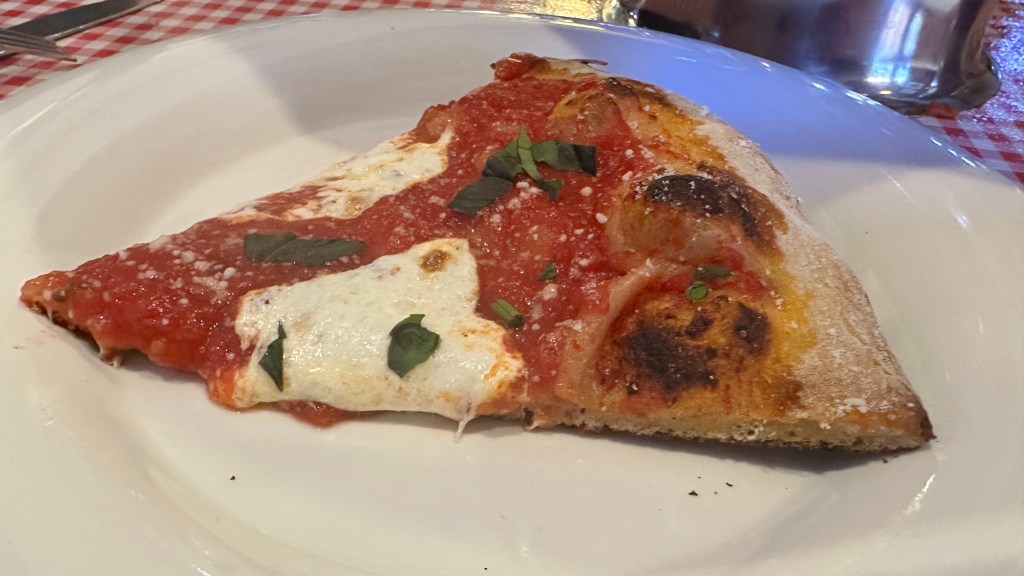
Lombardi’s – Little Italy
There are mixed reviews of this place – some state that they used to be great but when the owners changed it all went downhill. I decided that since it’s been there forever and is a landmark it still needed a visit. It’s a quaint place in the heart of little Italy and had the requisite red and white checkered tablecloths and pictures of celebrities who came to eat there. I ordered the margherita style pizza and a root beer (classic pairing) and he brought me a 8 ounce fountain root beer (no free refill signs are all over the place, mind you) so that’s not a great start. If you’re going to charge 4 bucks for a fountain soda make it at least 20 ounces. Then the pizza came out and it was tiny – I re-read the menu and the size of the pizza is mentioned there but 28 bucks for a 12 inch pizza? It also was dry and the sauce was too salty and the cheese was barely there. It’s obvious whoever owns it now is trading on the reputation of the original and is cost cutting wherever possible. If it was 10 bucks I’d have been more charitable – I’ve had NY dollar slices that had more flavor. The fact I was the only one there during prime lunch hour should have been my first clue.

Score 4.7

Rubirosa – Little Italy

This one snuck up on me – I had no idea this place was here but every reddit thread and pizza forum that talked about NYC pizza said this was the go to thin crust spot. It’s a small corner spot in little Italy and when I went they were pretty crowded – I got a spot at the bar and was waffling between the tie dye pizza and classic cheese when the bartender offered up that I could get half and half. I decided to give it a try so i could try both options. The pizza came out and it was huge and the crust was super thin and shattered when you bit into it. The cheese pizza was tasty but I felt like the sauce was a bit one note and the pesto glaze on the tye dye was good but it felt like there was something else in the pesto that gave it an off flavor. I still enjoyed the pizza for what it was – a good example of thin crust pizza. While I was there I noticed a lot of people were actually getting the pasta. If I wasn’t pressed for time and have eaten have a giant pizza I’d have tried some because it looked amazing. Next time I’m in the area I might need to stop in for some.

Goal Met – Create Sourdough Starter

Remember back during Covid when everyone was making sourdough? I kind of wish I got on that train as keeping this stupid thing alive would have been a lot easier if I was working from home every day and we didn’t go anywhere. Well – getting it started was a huge pain but even remembering to feed it once a day is a bit of a pain as I’m back at work now and don’t have time for baking really.

All that being said – it really does make some great bread once you get it strong enough. You can also use the discard for a lot of things like muffins, pretzels, pizza, and some damn tasty pancakes. So I don’t feel like I’m wasting the discard every time I feed the sourdough.

I did consider coming up with some corny names for my starter like some people did (some of my favorites were Clint Yeastwood or Bread Sheeran) but couldn’t decide which one I liked best so I just put it out of my mind because I had a million other things to do.

I’ve kept it alive for almost two months now so maybe it’s time to give this little guy a name. He’s given me so much deliciousness and get does get better with age.

Maybe Frodough baggins?

Goal Met – Watch top 50 Movies of All Time

I really enjoyed this one as I love movies and this was an easy one to achieve. I again used ChatGPT to search all the top 50 movie lists out there then curate a list of consensus top 100 sorted by year released. I went through and removed movies that I have watched already (Star Wars, Lord of the Rings, etc.) and back filled those with the movies that didn’t make the original cut. Then I broke them down by decade until I had 5 for each decade.

Watching them in sequential order was a fascinating look into the technical and artistic progression of cinema. Starting with black and white silent films with actors who used their bodies to tell the story to the moment when Chaplin started singing and you realized that ‘talkies’ were now a thing,

The transition from black and white to color was also pretty fascinating from a technical perspective as you could see the film grain now and after some time I found I could almost identify which decade the movie was from purely based on the look of the film. The quality of the image got better and better with each watching ending up with a few HDR 4K visual spectacles.

I never once thought ‘why is this on the list?’ each movie was amazing and I found myself immersed in the storytelling and artistic achievement. Watching buster Keaton’s pratfalls and stunts was a visual delight and some of the over the top dialogue from the 40’s and 50’s wasn’t tacky it was straight entertaining. Some of the more poignant movies were heart wrenching such as the pianist which was a brutal watch but I couldn’t look away from the suffering. Stories like that need to be told so people don’t forget.

Film is an art – a way of telling a story in the tradition of storytellers of old. You have your improbable heroes like Lawrence of Arabia, you have your moral lessons like the great dictator or treasure of the Sierra Madre. These stories are important and I’m glad they are all being digitized to protect them as their loss would be a loss to society at large.

The one thing I didn’t get to do during this challenge was keep up on new movie releases – I was just too busy with all the various tasks I was juggling.  I did however, jot down the ones I wanted to watch in a notebook (along with TV series I want to watch) so when the challenge is over I’m going to relax and try to clear out my list!

Goal Met: Design and Print 5 3D Print Projects

So yeah – I work in a 3D print lab with access to the latest cutting edge technology and I got a 3D printer for my house when I got the job to really deep dive into the technology. I spent months printing out other people’s projects from various maker sites but I really wanted to learn how to make my own cool stuff. The only issue was I haven’t touched a CAD tool in a very long time and when I fired up the most recent version of Fusion 360 I was at a total loss.

The first step was getting some CAD training – LinkedIn learning came in handy here as there was a really informative Fusion 360 class that explained everything I needed to know in just a few hours, so I set to work doing CAD development for 3D printing.

The first thing I did was create a little tombstone for an application that I supported for over a decade as it was finally retired and removed from production. I can’t say I was sorry to see it go (as the software was 10 years old and a giant pain to support) but a little token in my office seemed like an appropriate send off.

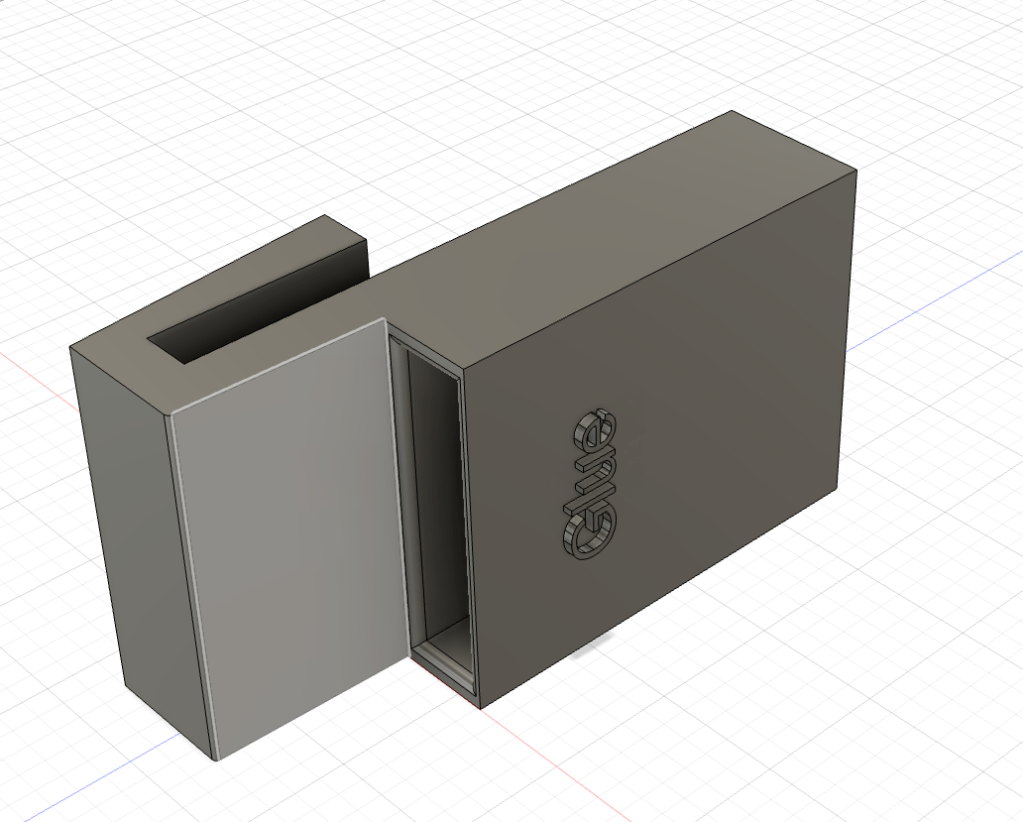
Next up was creating some holders for the kid’s craft carts as they were always losing the glue and scissors so I got to work measuring and creating a holder that could hang off the side of the cart (only I got the sizes all wrong and the first version was way too small) it’s a pretty niche product but filled a need so I was kind of proud of it

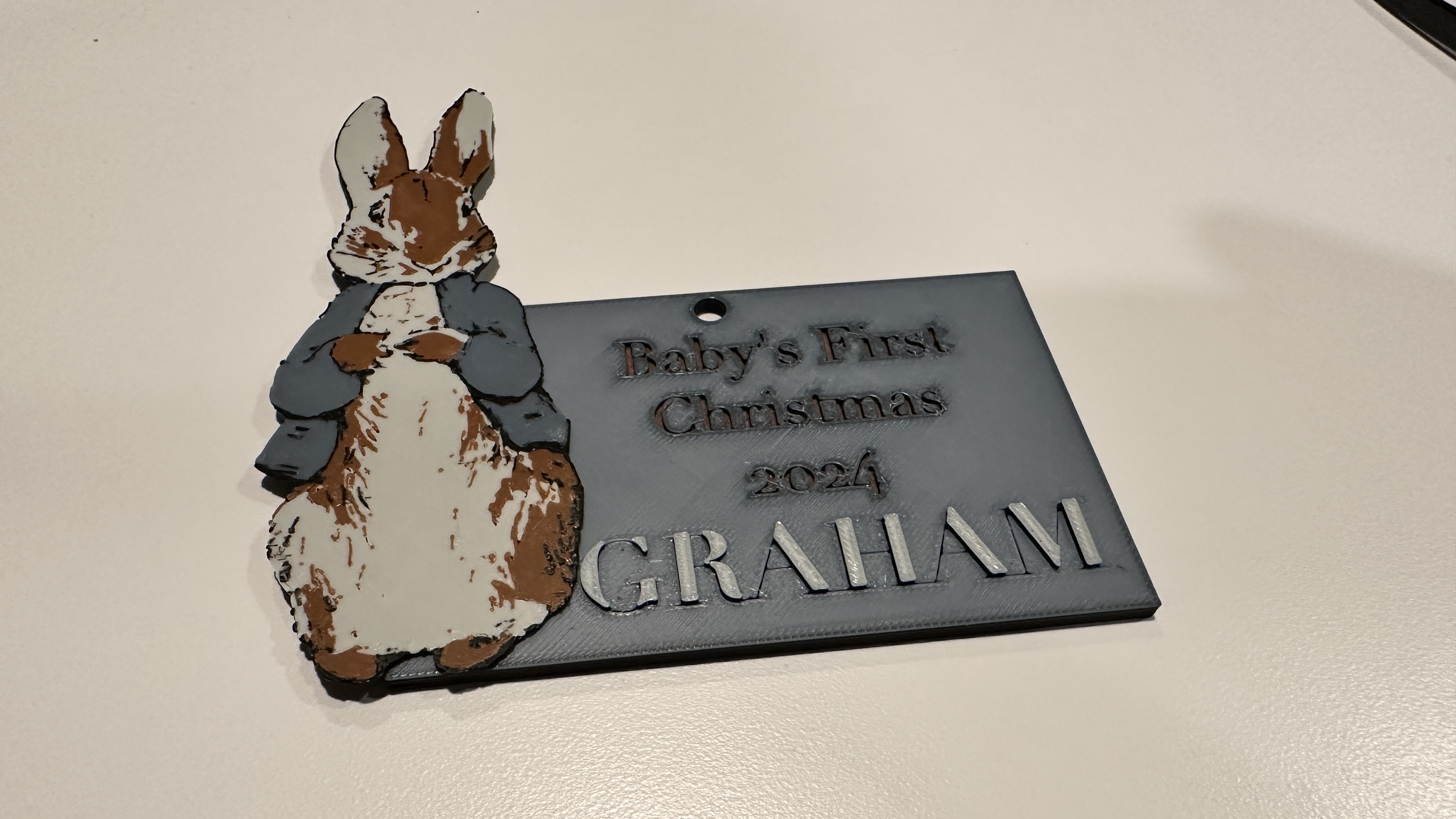
Then I created a few Christmas Ornaments – one to commemorate our trip to Disney, and one for my nephew’s first birthday. These came together pretty quick and using Bambu print’s keychain maker allowed me to turn JPG images into 3D print objects which came in super handy for this project.

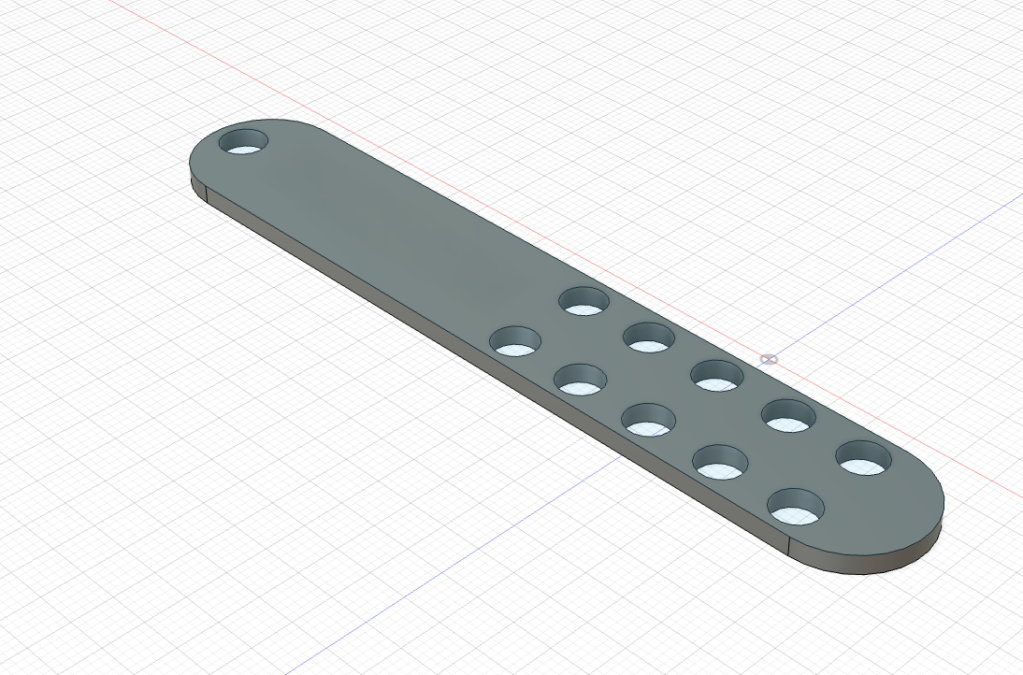
My daughter came to me and complained that her new backpack didn’t have enough space for all her keychains (that’s a thing now, I guess) so I surprised her by making this nifty keychain extender that allowed her to add as many keychains as she wanted!

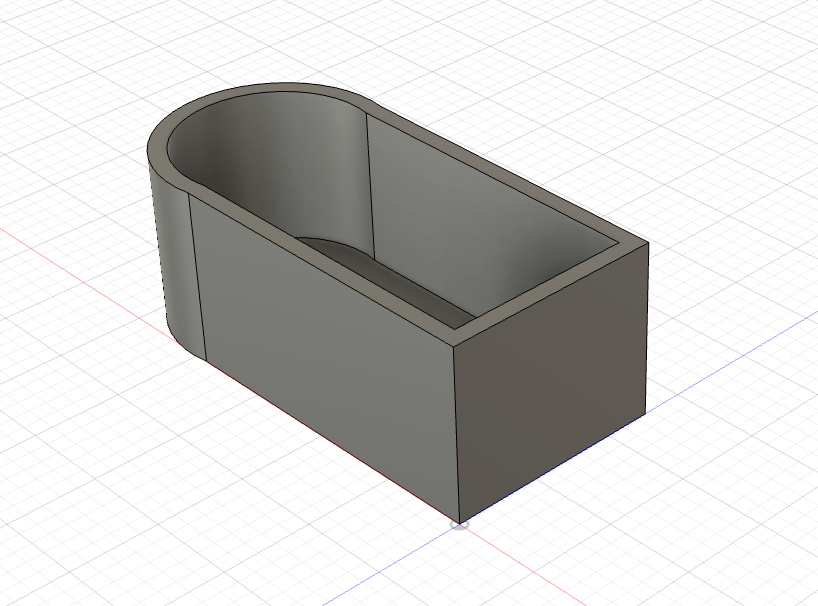
Finally I was working with my son on his pinecar derby car and we needed a place to hide the weights to make it more aerodynamic so I printed a ‘cockpit’ for his car that could glue the weights to and hide them. It was fun learning the shell command to hollow out a solid object – that’s going to come in useful I’m sure!

I really enjoyed this process and learning how to use CAD to design and print things. I’m looking around my house now for things that 3D printing can solve and as I build my skills I’m hoping I can tackle more complex projects but for now I’m pretty excited for the things I made so far (this was one of the hobbies that kinda got put on the back burner once I was done so make time for other goals, but I hope to revisit it frequently this coming year)