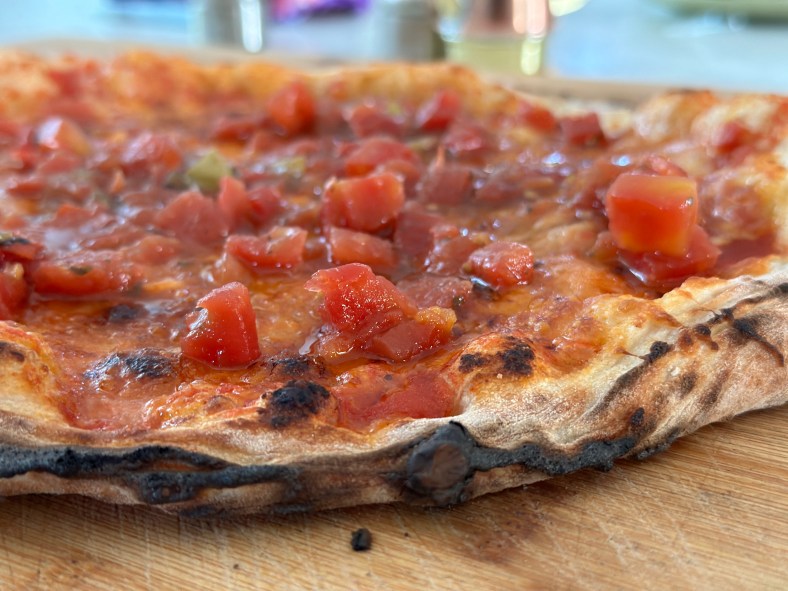
In the bustling port city of Naples, the marinara pizza stands as a testament to simplicity’s enduring appeal. Despite its seafaring name, this pizza contains no fish or seafood. Instead, it earned its moniker from the mariners’ wives who would prepare these simple, cheese-less pizzas for their husbands returning from long fishing voyages in the Bay of Naples. The marinara’s ingredients – tomatoes, garlic, oregano, and olive oil – were shelf-stable, making it the perfect provision for sea journeys.
The marinara represents pizza in its most elemental form. The dough, made only with flour, water, salt, and yeast, is stretched whisper-thin in the center while maintaining a puffy cornicione (rim). The sauce consists of hand-crushed San Marzano tomatoes, their natural sweetness enhanced by sea salt. Fresh garlic, sliced or minced, provides punch, while dried oregano adds an herbaceous note that intensifies during baking. A drizzle of extra virgin olive oil completes the composition.
This minimalist approach demands technical perfection. With no cheese to mask imperfections, each element must be impeccable. The dough must develop complex flavors through long fermentation. The tomatoes must strike the perfect balance between sweet and acidic. The garlic must be sliced thin enough to cook in the pizza’s brief time in the 900°F wood-fired oven.
The marinara holds special status as one of only two pizzas recognized by the Associazione Verace Pizza Napoletana, alongside the Margherita. It represents not just Neapolitan cuisine but the city’s maritime history and working-class roots. In its absence of expensive ingredients like cheese or cured meats, it reminds us that true culinary greatness often emerges from necessity rather than luxury.
Today, as pizza evolves with elaborate toppings and innovative techniques, the marinara remains unchanged – a benchmark against which a pizzaiolo’s skill can be measured. With nowhere to hide flaws, it demands and rewards mastery of the fundamentals. In an age of excess, its restraint feels revolutionary, proving that four simple ingredients, when handled with care and respect, can create something transcendent.
I’ve always been fascinated by the idea of meditation – the idea that you could train your mind and bend it to your will through breathing exercises seemed, on it’s face, a bit silly. However two things happened that caused me to reevaluate my ideas.
The first was reading a book called “The brain that changes itself” by Norman Doidge. I forget why I picked up this book specifically, I suspect I was just looking to learn something new and this was on their new release shelf. The book is about neuroplasticity and the science behind how the brain changes itself. The brain essentially rewires itself based on a specific set of criteria as a response to external factors. I found it fascinating and it kicked off a journey down a rabbit hole of books about the brain and how it works (one of the major finds is how myelin works and how intentional practice can help you develop skills very rapidly, which I found super useful to pick up new things). This primed me for being more open to things like meditation as now I could see the pathways in which it could work
The second was Covid-19. That was a stressful time and I really needed a way to manage that stress effectively so I turned to the internet and found some free guided meditations that helped me walk through the process of breathing and being mindful.
I struggled to maintain a practice however, even when I committed to 10 minutes, because my brain is like a sack full of angry cats. Whenever I tried to meditate I’d focus on my breathing and my brain would just open up it’s cabinet of curiosities and start throwing things at me. It wasn’t really anxieties as my stoicism practice kept those pretty much in check but it was just random things that I needed to do, memories of people and places (both good and bad), random facts, ideas for some of the projects I was working on (although I did have a pad and pen to record anything really insightful) what I should make for dinner and who the Yankees are playing this weekend.
Meditation teaches you to simply acknowledge the thought and let it go but that’s hard to do when they are flying at you like angry bees. I found that if I count the breaths and focus on the counting and the breathing that was much more effective and I was able to still my mind for a few minutes at a time. That’s when my brain got worried that it wasn’t in full ADHD mode and did one of two things. It either started making up stuff to fill the space where I’d just start daydreaming something wild and wouldn’t notice for several minutes that it was happening which was alarming or it would simply say ‘naptime!’ and I’d fall asleep.
So this time around I committed to 50 times meditating of 10 minutes or more. That averages out to almost once a week. I know more frequent practice results in better outcomes but I understood how I struggled and given all the other things I needed to accomplish I felt that it was still a worthwhile goal.
Looking at my records (I tracked everything this year) I saw that instead of doing it once a week as I planned I ended up doing it in spurts. There would be a week of doing it every day then two months would pass and then I’d do it for ten days then take another long break. Out of all the goals I finished this year this one was the hardest for me to stick to. I don’t know why – it’s only 10 minutes of my day, it should be easy but for some reason my brain did not like it and would find all sorts of reasons to skip it.
I’m not sure I can sustain a long term practice but I’d still like to find a way to incorporate mindfulness into my daily life as I find even the few times I manage to get a streak doing I do feel more calm and in control.
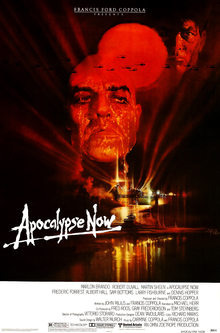
Looking for a relaxing boat trip up a scenic river? Then maybe skip Captain Benjamin Willard’s (Martin Sheen) journey into the heart of madness during the Vietnam War. His mission, should he choose to accept it (spoiler: he does, because apparently he’s never seen a war movie before): sail upriver into Cambodia to find Colonel Walter Kurtz (Marlon Brando), a rogue Special Forces officer who’s gone full “started his own death cult” crazy. You know, just your standard military performance review.
Willard, who starts the film with the mother of all hangovers in a Saigon hotel room, gets his mission from intelligence officers who seem surprised that giving someone unlimited power in a war zone might lead to megalomania. Kurtz, once a model officer, has apparently gone off the reservation both literally and figuratively, setting up his own kingdom where he plays God with a side of human sacrifice.
Our protagonist joins a Navy PBR crew that makes the Marx Brothers look well-adjusted. There’s Chief Phillips (Albert Hall) trying to maintain sanity, Lance Johnson (Sam Bottoms) who starts sane and ends up practically joining Kurtz’s fan club, Chef (Frederic Forrest) who just wanted to be a saucier (worst career change ever), and Clean (Laurence Fishburne, all of 14 years old) who’s probably too young to be experiencing any of this.
Their journey upriver is like a demented version of Disney’s Jungle Cruise. First stop: a USO show featuring Playboy Playmates that devolves into chaos faster than you can say “terrible planning.” Next up: the infamous “Charlie don’t surf” sequence where Lieutenant Colonel Kilgore (Robert Duvall) decides the best time to go surfing is during an air cavalry assault. Because nothing says “military strategy” like hanging ten while napalm explodes in the background.
The crew’s encounters get progressively weirder as they head upriver. They massacre a sampan full of civilians over a hidden puppy (definitely not in the Geneva Convention), experience a surreal USO show redux at a French plantation (apparently some folks didn’t get the memo about colonialism being over), and face an attack by natives that kills Clean and drives Chef into new realms of paranoia.
Finally reaching Kurtz’s compound, they find a photojournalist (Dennis Hopper) who makes your average cult member look skeptical. He babbles about Kurtz’s genius while stepping over bodies like they’re speed bumps. Chef gets dispatched to call in an airstrike if Willard doesn’t return, which goes about as well as you’d expect (spoiler: Kurtz returns Chef to Willard… in pieces).
The film’s climax intercuts Willard’s assassination of Kurtz with a ritual buffalo sacrifice, which is probably the most subtle thing that happens in the entire third act. Kurtz’s famous last words – “The horror… the horror…” – could refer to the war, human nature, or possibly just Brando’s script reading process.
The Verdict
What I Love:
Cinematography that makes you feel like you’re having someone else’s acid flashback
A soundtrack that turns The Doors’ “The End” into the world’s most ominous boat trip theme
Helicopter sequences that made the Air Cavalry look like a Wagner opera with better props
Martin Sheen’s performance, which might actually be a real nervous breakdown
The fact that Francis Ford Coppola didn’t completely lose his mind making this (debatable)
What Could’ve Been Better:
Might make you reconsider your upcoming river cruise booking
Will definitely affect your opinion of Wagner’s “Ride of the Valkyries”
Could make you suspicious of any military officer who quotes T.S. Eliot
“Apocalypse Now” is what happens when you adapt Joseph Conrad’s “Heart of Darkness,” feed it acid, and send it to Vietnam. It’s a masterpiece of controlled chaos that took years off everyone’s life who made it – Sheen had a heart attack, Brando showed up looking like he ate the entire craft services table, and the shoot went so long the Filipino government changed hands during filming.
Rating: 5 out of 5 questionably motivated surf sessions
P.S. – I love the smell of hyperbole in the morning. Smells like… Oscar nominations.
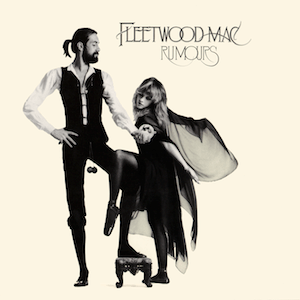
If you’ve ever wondered what happens when two couples break up, another relationship crumbles, and everyone involved has to keep working together while having access to unlimited studio time and a blizzard of cocaine, well, “Rumours” is your answer. The miracle isn’t just that this album got made—it’s that it turned out to be one of the greatest albums ever recorded.
“Second Hand News” kicks things off with Lindsey Buckingham channeling his frustration into what might be history’s most upbeat kiss-off. The production is immaculate, with layers of acoustic guitars creating a rhythmic foundation that makes heartbreak sound like a party you actually want to attend.
“Dreams” follows, with Stevie Nicks delivering a masterclass in ethereal revenge. Only Stevie could make a song about romantic devastation sound like it was written by a mystical wizard floating on a cloud. The track’s groove is so hypnotic it could probably solve international conflicts if played at the right diplomatic summit.
“Never Going Back Again” serves as Buckingham’s acoustic guitar flexing session, proving that sometimes the best way to deal with relationship trauma is to play so many intricate fingerpicking patterns that your ex’s head spins. The song is brief but packs more technical prowess into two minutes than most guitarists manage in their entire careers.
Christine McVie provides “Don’t Stop,” the album’s most optimistic moment, which is a bit like being the happiest person at a funeral. The song would later become Bill Clinton’s campaign theme, proving that even politicians occasionally have good taste in music.
“Go Your Own Way” might be the most passive-aggressive use of harmonies in rock history. There’s something beautifully twisted about having your ex sing backing vocals on a song about how terrible they are. The drum fill leading into the final chorus should be in a museum somewhere.
“Songbird” offers a moment of gentle reprieve, with Christine McVie proving that at least one person in Fleetwood Mac could write about love without needing an exorcism afterward. The song’s sincerity almost feels like it got lost and wandered in from another album entirely.
“The Chain,” the only song credited to all five members, is what happens when shared trauma creates accidental genius. That bass line in the bridge could raise the dead, or at least raise enough questions about what exactly was in that studio coffee.
“You Make Loving Fun” is Christine McVie’s ode to her new love (who wasn’t in the band, thankfully—there were enough relationship dynamics to keep track of already). The irony of recording this while her ex-husband John played bass on it is the kind of thing you couldn’t make up if you tried.
“I Don’t Want to Know” and “Oh Daddy” keep the emotional rollercoaster rolling, before “Gold Dust Woman” closes the album with Stevie Nicks at her most mystically menacing. It’s the sound of the 1970s California music scene eating itself alive in the most beautiful way possible.
⭐⭐⭐⭐⭐ (5/5 stars)
Final Thoughts: “Rumours” is probably the only time in history that relationship dysfunction produced something that actually made the world better. Its only flaw might be that it set an unrealistic standard for breakup albums—not everyone has access to multiple genius songwriters, world-class studios, and enough chemical enhancement to power a small city. The album’s legacy is a testament to the power of turning personal chaos into professional triumph. It’s also proof that sometimes the worst thing for your personal life can be the best thing for your art. Just don’t try this at home, kids—having your entire band engage in romantic musical chairs isn’t a recommended career strategy. But if you do find yourself in the middle of romantic turbulence, at least you’ll have the perfect soundtrack.
When I was younger I worked in various restaurants as summer jobs and really enjoyed the experience. I know it’s probably the naivete of youth but for a while I considered trying to stage at some fancy restaurants in NYC to build a career as a chef (this was before the food network and the age of the celebrity chef) -I ultimately opted out of that dream and continued to cook for various places at the Jersey shore until one of my friends recruited me to come work in IT support as it paid much better and I could sit all day.
I still loved cooking and continue to pursue it as a hobby and I appreciate a restaurant that gets it right, since I have unfortunately worked at places where cutting corners was gospel. So I’ve always wanted to go eat at a Michelin star restaurant and experience a world class dining experience.
I knew I had to go into NYC so I went to the Michelin guide and filtered for starred places and it came back with a lot of options. I first wanted to go to Per Se as I’m a huge Thomas Keller fan but I couldn’t find a reservation at a time that worked for my and my wife plus the cost of $500 a person before extras was a major factor, especially coupled with my general dislike of seafood as Keller uses a lot of fish in his tasting menus.
I ultimately decided to Torrisi (https://torrisinyc.com/) was the right option for us (Shocker I picked an Italian restaurant). I preferred A La Carte dining as I could ensure the food I was getting was something I would enjoy and I was able to get a lunch reservation which worked out perfect so we could go during the week while our kids were in school.
The menu was simple – which I like as I’d prefer a few things made with exacting care as opposed to a huge menu. I just feel that allows the chefs to perfect their skills.
We walked in and were greeted warmly by the hostess who seated us promptly even though we were 15 minutes early. The servers were attentive and ensured our drinks were replenished and to check on us to see if there’s anything else we needed. The place was beautiful, located in little Italy in the Puck building.
The dining room features soaring 17-foot ceilings with original crown molding and ornate brass chandeliers. The walls showcase custom murals depicting New York scenes in muted gold and cream tones.
The space is divided into distinct areas: a curved marble bar with leather stools, banquettes upholstered in deep blue velvet, and intimate tables arranged around a central dining room. Brass accents, mirrored panels, and vintage-style sconces create warmth throughout.
The design blends 1920s glamour with modern Italian-American elements: terrazzo floors, leather-bound menus, and custom wine displays. White tablecloths and fine china maintain formality, while exposed brick walls and ambient lighting create a more relaxed atmosphere.
We decided to each get a pasta dish (they were small) and split an entrée. I had a few cocktails (including the signature Torrisi Spritz which was a play on the standard Aperol spritz) and my wife had some white wine.
They brought out some sourdough bread first – soft open interior with a crackling sesame seed crust this was bread as it ought to be. It came with an herb infused butter that elevated the whole experience. It was served twice – once right after we ordered and again with our pasta for “fare la scarpetta.”
We started with their signature ‘American and Italian hams with zeppole’. I know I thought the same thing, zeppoles? But it was something everyone who went there raved about so we tried it and it was a sublime experience. You wrap the super thin prosciutto around the zeppole and pop the whole thing in your mouth. The salt and fat of the ham plays against the slight sweetness of the zeppole creating a compelling contrast – I just wish they had as many zeppoles as pieces of ham because there were three more slices of ham on the plate and I wanted to keep going.
For the pasta I opted for the classic cheese tortellini as that was the dish they are known for. It was tender fresh pasta with just the right amount of bite and the filling was texturally complex with a strong bite of sharp cheese at the end. The sauce was light and flavorful – I suspect it was just tomatoes cooked very briefly as they tasted super fresh. My wife went with the special which was truffle tortellini in a truffle sauce, topped with shaved truffles. That’s a lot of truffles, I thought to myself as she was ordering but it was delicious and I say that as someone who really doesn’t care for the taste of truffles.
The main was chicken alla griglia (we shared it). Perfectly tender chicken with a crackling skin covered with a sauce fragrant with rosemary and oregano. I was surprised at how well the crust on the chicken held up against the sauce. Chicken can be hit or miss in most restaurants so seeing it done to perfection was great.
After dinner they brought us a sampler of ices to help cleanse our palette; Green apple and lemon were selections we were given. Then they brought out a plate of Italian cookies with our dessert menu. At this point, I was getting pretty full but felt like if we were here for the full experience we should try something off the dessert menu. I knew most people recommended the affagatto but I wasn’t in the mood for that so opted for the almond cheesecake.
They brought out a slice of cheesecake that had a marzipan topping piped onto it – we barely finished it between the two of us due to its richness. I mean, it was great but I felt like I needed a nap when we finished.
Overall it was a great experience. The food was amazing, the ambience and service were good and I felt like I was getting a Michelin star type of experience.
Next up – let’s see what a two or three star experience is like!
In 1984, while everyone else was worried about Big Brother watching them, Prince was busy creating an album so monumentally sexy that it made George Orwell’s dystopian predictions seem quaint by comparison. “Purple Rain” isn’t just an album—it’s what happens when unstoppable ambition meets unlimited talent and a seemingly unlimited collection of ruffled shirts.
The album kicks off with “Let’s Go Crazy,” which begins with what sounds like a funeral sermon and ends up being the most energetic eulogy in history. It’s the only church service that transitions into a guitar solo so explosive it probably violated several noise ordinances. The song serves as both a mission statement and a warning: buckle up, this isn’t going to be your typical pop record.
“Take Me With U” follows, featuring Apollonia in a duet that makes you believe in love, even if that love involves matching motorcycle outfits. It’s the kind of song that makes you want to hop on a Purple Rain-era Honda and ride off into the Minneapolis sunset, preferably while wearing at least three different types of lace.
Then there’s “The Beautiful Ones,” where Prince manages to make vocal cord shredding sound like an art form. The song builds from a gentle falsetto to a scream that probably had insurance adjusters checking nearby buildings for structural damage. It’s a master class in dynamics, desire, and how to make synthesizers sound like they’re having emotional breakdowns.
“Computer Blue” starts with the immortal lines “Wendy? Yes Lisa. Is the water warm enough? Yes Lisa.” Which either means something deeply profound or proves that Prince could make literally anything sound cool. The song then launches into a technological funk workout that makes most prog rock bands sound like they’re playing with Fisher-Price instruments.
“Darling Nikki” was so scandalous it made Tipper Gore create the Parents Music Resource Center, which is honestly a better endorsement than any review could provide. It’s the kind of song that makes you understand why some people thought rock music was Satan’s doing, and also why Satan might have pretty good taste in music.
The album’s second half opens with “When Doves Cry,” a song that rewrote the rules of pop music by removing the bass line, which in 1984 was like removing the wheels from a car and somehow making it run better. It’s funk denial at its finest, creating a new genre that nobody has quite figured out how to replicate because, well, they’re not Prince.
“I Would Die 4 U” is either a love song, a messianic declaration, or both. Only Prince could make spiritual ambiguity this danceable. The track flows seamlessly into “Baby I’m A Star,” which isn’t so much a statement as it is a fact being reported to the universe. It’s Prince at his most confident, which is saying something for a man who regularly wore high heels on stage and made them look completely reasonable.
Finally, there’s “Purple Rain,” a power ballad so perfect it makes other power ballads want to quit and become accountants. It’s gospel, rock, soul, and funk all having a religious experience at the same time. The guitar solo alone should have its own wing in the Rock and Roll Hall of Fame. It’s the sound of someone reaching musical nirvana while simultaneously inventing a new color.
⭐⭐⭐⭐⭐ (5/5 stars)
Final Thoughts: “Purple Rain” is what happens when an artist operating at the peak of their powers decides to show off every single thing they can do in the span of nine songs. Its only flaw might be that it raised the bar so high that Prince had to spend the rest of his career competing with himself, which he somehow managed to do successfully for three more decades. The album is a masterpiece of ambition, execution, and sheer audacity. It’s the sound of someone who knows they’re the coolest person in the room, even if that room is the entire world. If aliens ever land and ask what Earth music was like, just play them “Purple Rain.” Though you might want to skip “Darling Nikki” depending on their cultural sensitivities. Then again, if they can’t handle Prince at his most provocative, do we really want to make first contact?
This one wasn’t actually that difficult in concept. I’m just not a big meat eater. I do enjoy beef (in all it’s glorious varieties) and chicken and eat them often but only a few times a week, trying to balance them with vegetable heavy meals. I enjoy pork in sausage or bacon form but that’s about it and I don’t eat seafood, veal, lamb or pretty much any other animal. The one thing that I thought might be am issue is my Saturday cheeseburger. It’s a nice little treat at the end of the week that I do look forward to. I doubted I would embrace the ‘lifestyle’ but I do think reducing meat consumption overall is good for my health and the environment so wanted to give it a shot and see how it went.
The first issue is by the time I got around to scheduling this it was well into winter and the vegetable options available were pretty slim. Lots of root vegetables and your standard hydroponic greens along with stuff trucked in from who knows where. You ever have a supermarket tomato in January? It’s enough to make a grown man cry (I took down my tomato garden to make space for my kids to play in the backyard and I hope one day they appreciate that sacrifice).
However, since it was winter it was a perfect time for soups and stews which mostly used canned vegetables since they are designed to be made in the winter. I busted out some favorites like butternut squash soup and minestrone (without the pancetta of course) mixing in some new stews from around the world. Maafe was a big hit.. A sweet potato stew with chickpeas and coconut milk that I had several bowls of.
Pasta was featured prominently as well. Nothing fancy here just the usual pasta with a variety of sauces (tomato and pesto) with bread to scoop up all the sauce. I usually make pasta twice a week or so but it became my go to when I needed something quick for lunch or dinner.
I.. Tried to eat salads. I really did. They have a really nice salad bar at work and full of optimism I created a complex salad with greens, vegetables, and even come microgreens. Maybe it was just the time of year or the fact it’s a corporate cafeteria but the salad was really bland. The greens didn’t taste like much and the vegetables were all kind of listless. I have a personal thing where I just refuse to keep buying food if it isn’t any good so I had to pivot off the salad bar idea.
I knew getting greens was critical so I turned to powdered greens, mixing them into smoothies to take the rough edges off the taste. I will note that those smoothies powered me through the afternoon better than caffeine sometimes which I thought was odd so I double checked the greens and I saw that the one I got had ‘plant caffeine’ so yeah, I’m glad I wasn’t taking them at night because that would have backfired on me.
The only thing that concerned me was how much protein I was taking in. I wanted to ensure that I was getting enough to support my activity level so I used a two fold approach. I got some pea-protein to add to my smoothies (around 30g) and I went all in on the bean train. I added them to everything. Making a soup? Beans. Nice stew you got cooking.. Beans. Hey is that pasta? OK hold up keep your damn beans off my pasta. Vegetarian Chili? That’s good man.. Load up them beans. Needless to say my poor stomach was very confused at this sudden intake of fiber and started wilding out but after a few days we stomped out our beef (get it?) and things returned to normal.
The two weeks went pretty quick and I found that it wasn’t that big of a life change. I mean, I can still eat bread, pasta, and pizza so really those are the holy trinity for me. I thought that maybe this is something I should be doing?
Then I had a bomb cheeseburger at a restaurant and said ‘Forget all that noise’
If heartbreak had a sound, it would be Bob Dylan’s voice cracking on side one of “Blood on the Tracks.” Following his separation from his wife Sara, Dylan created what might be history’s most eloquent version of the “It’s not you, it’s me… but actually it’s definitely you” conversation. Think of it as the singer-songwriter equivalent of drunk-texting your ex, if your drunk texts were somehow worthy of the Nobel Prize in Literature.
The album opens with “Tangled Up in Blue,” a masterpiece that somehow makes getting dumped sound like an epic adventure worthy of Homer. Dylan jumps through time like a quantum physicist with relationship issues, proving that even when you’re telling a story about love gone wrong, chronological order is optional. The song has more perspectives than a cubist painting, with Dylan switching from first to third person like he’s trying to convince himself it all happened to somebody else.
“Simple Twist of Fate” follows, and there’s nothing simple about it except Dylan’s ability to rip your heart out in under five minutes. It’s the kind of song that makes you want to call everyone you’ve ever dated and apologize, even if you don’t know what for. The harmonica solo sounds like it’s being played by someone who just found out their dog died, and I mean that as the highest compliment.
“You’re a Big Girl Now” might be the most patronizing title since “Baby, It’s Cold Outside,” but the song itself is a stunning admission of vulnerability. When Dylan sings “I can change, I swear,” you can almost hear every therapist in America collectively sighing. This is followed by “Idiot Wind,” which might be the most elaborate way anyone has ever said “Well, you’re stupid too!” after a breakup. It’s like a diss track written by Shakespeare—brutal, poetic, and occasionally incomprehensible.
“You’re Gonna Make Me Lonesome When You Go” is the sound of someone trying to be cool about an impending breakup and failing miserably. It’s like telling someone “I’m totally fine with this” while ugly-crying into your pillow. The country-tinged arrangement is so sweet it almost masks the fact that Dylan is basically saying “Thanks for the future trauma!”
“Meet Me in the Morning” proves that even Bob Dylan gets the blues, though his version involves more obscure literary references than most. It’s followed by “Lily, Rosemary and the Jack of Hearts,” an epic tale that makes Game of Thrones seem straightforward by comparison. It’s either a complex metaphor for love and loss or Dylan just really wanted to write a cowboy story. Either way, it’s magnificent.
“If You See Her, Say Hello” is the sound of someone pretending to be over their ex while clearly not being over their ex. It’s like running into them at the grocery store and acting totally casual while secretly hoping they notice how well you’re doing (spoiler alert: Dylan was not doing well).
The album closes with “Buckets of Rain,” which feels like Dylan finally reaching the acceptance stage of grief, though in typical Dylan fashion, he gets there by way of surrealist imagery and references to chicken shacks. It’s either profound or nonsensical, and somehow it’s both at the same time.
⭐⭐⭐⭐⭐ (5/5 stars)
Final Thoughts: “Blood on the Tracks” is the sound of a master songwriter turning personal pain into universal art. It’s like reading someone’s diary, if that someone happened to be the greatest lyricist of the 20th century. The album’s only flaw might be that it’s so good it makes your own breakup songs sound like nursery rhymes in comparison. Dylan doesn’t just wear his heart on his sleeve here—he takes it out, examines it under a microscope, and then describes it in terms so poetic they make Leonard Cohen sound like a greeting card writer. It’s the kind of album that makes you grateful for great art while simultaneously making you hope you never go through what it took to create it. If you’re going through a breakup, this album is either the best or worst thing you could possibly listen to. Possibly both.
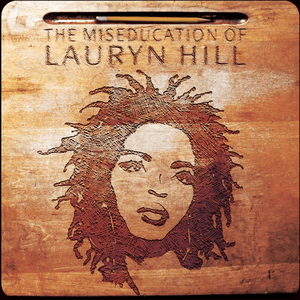
Sometimes an album comes along that doesn’t just capture a moment—it defines an era. “The Miseducation of Lauryn Hill” isn’t just Lauryn Hill’s solo debut; it’s a testament to what happens when an artist bares their soul without compromise, when commercial success and artistic integrity dance in perfect harmony.
Fresh from her success with the Fugees, Hill could have easily churned out “The Score 2.0.” Instead, she chose to demolish expectations and genre boundaries, creating something that feels less like an album and more like a revelation. The record opens with the sound of a teacher calling roll, absent students echoing the absences in Hill’s own life, and from there, we’re enrolled in a masterclass of musical storytelling.
“Lost Ones” kicks in with the force of a heavyweight’s right hook, Hill’s razor-sharp verses establishing her as both victor and victim in love’s battlefield. But it’s not just about flexing lyrical muscles—this is someone working through their pain in real-time, turning personal catharsis into universal truth.
The production throughout is a love letter to Black music in all its forms. Hill and her team weave together soul, reggae, R&B, and hip-hop with the skill of master quilters, creating something both nostalgic and startlingly new. “Ex-Factor” samples Wu-Tang’s “Can It Be All So Simple” (itself a Gladys Knight sample) and transforms it into a heartbreak anthem for the ages. The way Hill stretches “care for me” into a multi-syllabic cry of pain should be studied in vocal performance classes.
Then there’s “Doo Wop (That Thing)”—a track that somehow managed to criticize both men and women’s behavior in relationships while making everyone want to dance. It’s a perfect pop song that doesn’t sacrifice an ounce of intelligence or authenticity. The fact that it topped the Billboard Hot 100 proves that sometimes the masses get it right.
“To Zion,” featuring Carlos Santana’s sublime guitar work, transforms what could have been a simple ode to her firstborn into a powerful statement about choosing motherhood over industry expectations. When Hill sings “Look at your career, they said / Lauryn, baby, use your head,” you can hear the weight of every woman who’s ever been told to choose between their art and their heart.
The interludes, featuring children discussing love, serve as more than mere transitions—they’re a Greek chorus commenting on the album’s themes of love, loss, and learning. Hill understood that sometimes the most profound truths come from the mouths of babes.
What’s remarkable is how the album manages to be both deeply personal and universally resonant. Songs like “Everything Is Everything” and “Nothing Even Matters” (featuring D’Angelo in all his neo-soul glory) speak to both specific experiences and eternal truths. Hill’s lyrics move effortlessly between street poetry and biblical references, creating a work that’s as spiritually rich as it is socially conscious.
⭐⭐⭐⭐⭐ (5/5 stars)
Final Thoughts: “The Miseducation of Lauryn Hill” stands as one of the most impressive debut solo albums in music history. Its only flaw might be the impossibly high bar it set—even Hill herself has yet to release a proper follow-up, perhaps knowing the futility of trying to capture lightning in a bottle twice. The album seamlessly blends the personal and political, the spiritual and the sensual, creating a work that feels as vital and relevant today as it did in 1998. It’s not just an album—it’s a blueprint for how to make music that matters, music that heals, music that tells the truth. In an era of careful brand management and focus-grouped releases, we need its raw honesty more than ever.
Sitting down and trying to come up with 50 goals for a year is not as easy as you think it would be. Once I got up to 30 or so I started to slow down and really struggle to come up with goals that were interesting and actionable (something you can measure with experience or learning). I had thought maybe seeing if I could cross of a few more baseball stadiums from my bucket list to visit all the stadiums might be a worthwhile goal but with kids there was no way to guarantee I’d find the time to accomplish it since the remaining stadiums are in far flung places like Minnesota or Kansas City. That got me thinking about sports and goals and I landed on seeing every NJ/NY based sports team in a 12 month span.
The first step is filtering out what sports to include, and what teams qualify and which teams to eliminate based on location or other factors. I landed on the big 5 (Baseball, Football, Basketball, Hockey, and Soccer) and constrained the teams to New Jersey and the 5 boroughs of NYC. This eliminated teams like the Bills and The Islanders as they were outside of this scope. I also decided to not cheap out on seats. While I wasn’t going to spring for the $500 seats I also wasn’t going to sit at the top of the upper bowl. If I was going to do this I was going to find a good seat to enjoy the game from.
The list of teams confirmed I set about looking to fit these games into my already hectic schedule. Times when I was in New York for something else I always checked to see if any teams were playing and a few times I lucked out and was able to attend a game as a tack on for some other things I was doing. I also tried to ensure I went to games when the weather was nice. That meant midsummer for baseball and early in the football season. The first time I failed in this was going in early March to a Red Bull game but that was to see Messi. However, he pulled out of the game last minute due to hamstring issues so I sat in the freezing rain and never got to see him play. The second was going to a Jets game in December – I just couldn’t get any of the earlier dates to work because for some reason they had the Jets on primetime a bunch in the first few months and that conflicted with work and events for the kids.
I really enjoyed this goal. I don’t get to many games due to the costs and logistics so I was just used to watching the games on TV (Which, to be honest, is a great way to experience them – 4K on a large flat screen is a pretty sweet experience) so getting out there in the crowds and being part of that energy was really fun. I didn’t enjoy the cost however. Some sports were cheaper than others but they all were pretty pricey. The food and drink was also ridiculously priced and rarely was good enough to justify that cost. Also getting to these places can be a bit of a challenge as traffic into New York is always a problem and the trains/subways can take upwards of two hours to get to Queens or the Bronx.
I think I’ll go back to relaxing on the couch with my kids watching the games and cheering in the comfort of my home. I’ll still try to go to a few Yankees games a year because I’m a diehard fan but for all the other teams and sports – I’ll see you on my TV screen.




 50for50tony.me