Your Brain on Art: How the Arts Transform Us

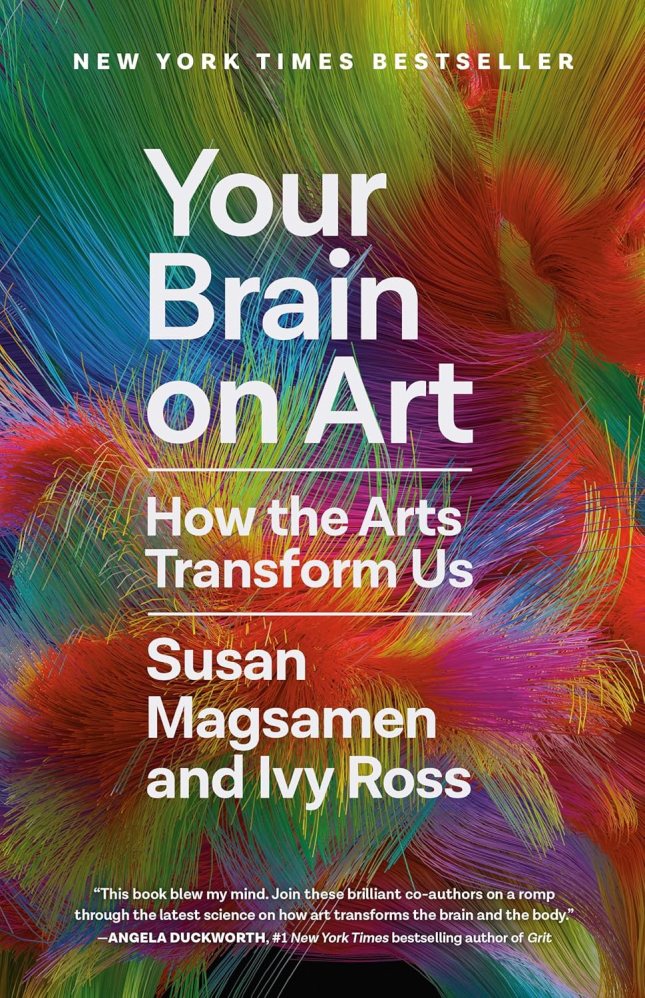
Art isn’t just something we admire in galleries or hear in concert halls—it’s deeply wired into who we are as humans. Your Brain on Art: How the Arts Transform Us by Susan Magsamen and Ivy Ross isn’t just another book about creativity; it’s a deep dive into what happens to our brains when we engage with art. The authors blend neuroscience, psychology, and real-world examples to show that art isn’t a luxury but a biological necessity, shaping how we think, feel, and even heal. It turns out that the arts—whether painting, music, literature, dance, or theater—do more than just entertain us. They literally rewire our brains, enhancing cognitive function, reducing stress, and making us more empathetic and emotionally resilient.

One of the book’s most striking revelations is that engaging with art activates multiple areas of the brain at once. When you listen to music, for example, different neural networks synchronize, improving memory, mood, and even problem-solving skills. Studies have shown that music therapy can help people with Alzheimer’s recall lost memories, while rhythmic movement in dance strengthens neural pathways that improve motor function. Literature, on the other hand, boosts empathy by simulating real-life social interactions in our minds, helping us understand perspectives outside our own. Even visual art engages the brain in unique ways—simply looking at a painting can increase dopamine levels, the chemical associated with pleasure and motivation, while creating art strengthens cognitive flexibility and emotional regulation. What’s fascinating is that the benefits of art aren’t limited to those who are “good” at it. The process of making art, regardless of skill level, has been shown to lower cortisol (the stress hormone) and increase neuroplasticity, meaning the brain becomes more adaptable and resilient. This is why activities like doodling, playing an instrument, or even just singing in the shower can have measurable effects on mental and emotional well-being.

The book also makes a compelling case for using art as a healing tool. Expressing emotions through painting, writing, or movement has been used in therapy to help people process trauma, recover from depression, and manage anxiety. Art therapy is now widely used to support patients with PTSD, offering a non-verbal way to process deep emotional wounds. Even outside of clinical settings, incorporating art into daily life can have profound effects. Reading fiction strengthens our ability to connect with others on an emotional level, listening to music can enhance focus and relaxation, and dancing—even if it’s just swaying in your living room—stimulates brain regions associated with memory and emotion.

What makes Your Brain on Art so engaging is that it’s not just an academic exploration; it’s a call to action. It challenges the modern obsession with productivity, arguing that we need to stop seeing art as an indulgence and start recognizing it as an essential part of our mental and physical health. We’ve been painting on cave walls, telling stories, and singing around fires for thousands of years, not because it was a luxury, but because it was essential to our survival. This book reminds us that creativity isn’t reserved for the talented—it’s something every brain craves. If you’ve ever hesitated to pick up a paintbrush, dance in your kitchen, or write something just for the joy of it, Your Brain on Art makes it clear: your brain is built for this. Engaging with the arts isn’t just about self-expression—it’s a way to think better, feel deeper, and connect more fully with the world around you.

Toppings Topping Toppings!

In the beginning, and some weeks through this year I didn’t feel up for the research and effort new styles of pizza required so I went to my standard New York style pizza dough and just played with different toppings. [Shout out to Tony Gemignani’s method for a great dough] This was usually informed by whatever was fresh at the grocer, leftover cheese in the fridge or sometimes even what I had in the pantry. Instead of making a bunch of different posts – I decided to collate them all into one post since they all share the same base.

Three Cheese Pizza
This is a pretty standard pizza found in the NJ/NY area but I mixed it up by starting with a heavy layer of Parmesan, then dry mozzarella, then finishing with chunks of fresh mozzarella. I liked the clean milky taste of the fresh mozzarella as a counterpoint to the salty parmesan. A healthy dusting of Sicilian oregano and we have a winner!

Brooklyn Pie
What to do when it’s tomato season and you have an amazing fresh tomato at peak ripeness? Make a Brooklyn pie of course. The sauce base is just pureed pure plum tomatoes, large slices of fresh mozzarella (having an Italian Deli in town sure is helpful),s ome thin slices of said tomato and basil leaves from the garden

Prosciutto Pizza
I had some delicious prosciutto left over from something and decided to use it on a pizza. I knew one thing up front, you shouldn’t fire the pizza with the prosciutto on it so I went with a simple sauce of just pureed tomatoes and I wanted a light cheese so fresh mozzarella was the pick here. I fired it in the ooni and as soon as it came out I layered on the paper thin prosciutto and watched the fat start to melt into the pizza and knew this was going to be amazing. The trick it the meat has to be thin – none of this grocery store prepackaged stuff – go to an Italian deli and get it sliced super thin for best results.

Roasted Red Pepper Pizza
I had a bunch of jarred red peppers left over from a recipe and decided they needed to end up on a pizza. I knew that they had a flavor punch and were oily so some dry mozzarella was the go to here and I knew I wanted to ramp up the flavor a bit so I made a more robust sauce and added some red pepper flakes to it to counter the sweetness of the red peppers with a bit of heat. The only notes I had was to cut the red peppers into smaller slices, the texture of an entire red pepper was a bit much

Tex-Mex Pizza
Jersey Corn is some good corn – sweet and plentiful in the early fall and what else utilizes a lot of corn? Tex Mex cooking, that’s what. I tinkered with this a few times as the first try was pretty bland and I learned that the high heat of the pizza oven just isn’t enough to cook the corn so charring it on a grill before it goes on the pizza was the key there. I used pepper jack as the cheese and thin sliced red onions to provide a sweet element. Adding a bit of salsa at the end was universally panned as a bad option so if I make this again that salsa will remain in the pantry!

Meat Lovers Pizza
I don’t know why I waited to long to bust this bad boy out – I love pizza and I love meat so this marriage seemed to be destiny. I didn’t want to have a greasy mess to I limited it to sweet Italian sausage, meatballs, pepperoni, and crumbled bacon. Hmmm.. healthy. I cooked the bacon in the oven until crisp and added it at the end because otherwise it would have been a greasy mess. This was amazing – every bit was a meat enhanced flavor experience and if my cholesterol would allow it, I’d eat this all the time!

BBQ Chicken Pizza
Have a bunch of leftover BBQ chicken? Throw it on a pizza (I mean, that’s my first thought for most leftovers really). I knew I wanted to have that summer BBQ vibe for this pizza so I started thinking what can I grill to add some smoky flavor to this and settled on some corn and red onions. Grilling them up until they were slightly charred and adding them right at the end of the firing turned out to work great. The general feedback was the flavors were good but it was missing something – I’ll keep working on this until I figure it out. I suggested BBQ sauce and we tried a little bit on a slice and that’s.. not the answer.

Pineapple Pizza
Pineapple on pizza is nothing short of an insult to the very soul of Italian cuisine, a culinary abomination that defies centuries of tradition and the fundamental principles of balance, flavor, and respect for ingredients. Italian cooking is rooted in the idea that simplicity, seasonality, and harmony between flavors create perfection, and yet this tropical atrocity throws all of that out the window by introducing an aggressively sweet, watery, and acidic fruit onto a dish that was never meant to accommodate such an outlandish ingredient. The sheer audacity of pairing pineapple’s syrupy sugariness with the rich, savory depth of tomato sauce and mozzarella is an assault on the palate, a chaotic clash that drowns out the natural umami of the cheese and ruins the delicate interplay of flavors that make pizza an art form. Italians have spent centuries perfecting pizza, from the humble Neapolitan Margherita to the crisp Roman al taglio, all with an emphasis on balance and authenticity—yet somehow, this foreign corruption has spread like a virus, defiling menus worldwide. It is an offense not only to taste but to history, a mockery of the craftsmanship and passion that goes into every true Italian pizza. If there were any culinary justice in the world, pineapple on pizza would be banned outright, confined to the realm of misguided food experiments never to be spoken of again in the presence of serious pizza lovers.

But my wife loves it, so here we are. Happy wife and all that.

Sun dried tomato and artichoke with hot honey and basil oil

While brainstorming on what pizza to make that week I decided to raid the pantry and see what we’ve got. I found a bottle of sundried tomatoes, some artichoke hearts, some hot honey and a mostly empty bottle of basil oil. I looked at my pantry haul and shrugged ‘yeah. these should all go on a pizza together’ I opted for a simple tomato sauce as the oil from the sun dried tomatoes packs a ton of flavor and would overpower any delicate flavors I had on there. Some mozzarella mixed with provolone provided a nice salty background note the artichoke hearts got slightly charred in the oven which was a nice flavor. I added the. honey and oil at the end to preserve their delicate fresh flavors. The pizza was.. OK there was just too much going on. Too many flavors and textures competing. Sometimes that works but in this case it detracted from the finished product. It wasn’t bad though, so I did eat it but next time I’d go simpler.

SIX Cheese Pizza
We did three cheeses – lets go bigger! Four cheese? NO! FIVE CHEESE? HAHA Try SIX CHEESE! Is this because you had a bunch of leftover cheese in your fridge you wanted to use up? Yes. That’s exactly how this came about. I had some provolone, fontina, mozzarella, fresh mozzarella, ricotta and parmesan. I used a standard tomato base and ensured an even mix of the fontina, provolone, and mozzarella to ensure a good coverage. I started with a heavy dusting of parmesan, added the mixed cheeses then fired that bad boy in the oven. When I pulled it out I dropped dollops of ricotta across the pizza and dusted with oregano and basil. This lactose bomb was delicious and I ate almost the entire thing somehow all the cheeses worked in synergy and created a singularity of cheese. 6/5 Stars

Tre Sugo
I stole this idea from a pizza place near me – they made a standard pizza cheese first then striped three different sauces over the pizza – Tomato sauce, Pesto, and vodka sauce. I really liked that idea. They did it with a spiral pattern with one of those spinning sauce dispenser things but that seemed like too much work so I just striped the entire pizza in strips of different sauces so every bite you got a bit of each. It was really good – the only drawback was that the pesto was really strong and tended to overpower the other two sauces. I think if I make this again, I’ll make it a pesto cream sauce which I think would complement the other sauces better.

sfincione

If you think pizza means a thin, round, crisp-bottomed crust with neatly arranged toppings, sfincione (pronounced sfeen-cho-nay) is here to shake up your expectations. This is not your typical pizza—it’s thick, spongy, loaded with flavor, and dripping with history. The name itself comes from the Latin spongia, meaning sponge, which is fitting given its airy, focaccia-like texture. But while it shares some DNA with focaccia, sfincione is an entity all its own, thanks to its signature sauce and toppings that make it uniquely Sicilian.

Sfincione traces its roots back centuries, long before the modern pizza we know today took over the streets of Naples. Sicily, with its complex history of Greek, Arab, Norman, and Spanish influences, has always been a place of culinary fusion, and sfincione is no exception. Legend has it that this hearty, sauce-laden creation originated in Palermo, specifically in the kitchens of monasteries, where nuns baked it for religious feasts. It was a special treat, richer and more flavorful than everyday bread, but still simple and affordable enough for the common people. Unlike Neapolitan pizza, which became an icon of street food, sfincione was traditionally made at home, particularly around Christmastime, when families would gather to bake enormous trays of it to share.

What sets sfincione apart is its unapologetically bold sauce—a slow-cooked blend of tomatoes, onions, olive oil, and sometimes anchovies, creating a deeply savory and slightly sweet flavor. Unlike the fresh tomato-and-basil simplicity of Neapolitan pizza, sfincione’s sauce is more like a jammy, concentrated stew, meant to seep into the soft, porous dough. Speaking of the dough, it’s thicker and softer than most other pizza styles, but never heavy. It bakes up light and airy on the inside, with a crispy, olive oil-kissed crust on the bottom.

The toppings are just as distinctive. Instead of the classic mozzarella that dominates most pizzas, sfincione is typically topped with caciocavallo, a cheese that brings a sharp, tangy bite. If you’ve never had caciocavallo, imagine a firmer, more pungent cousin of provolone. Some versions also include grated pecorino for extra saltiness. Another key ingredient is the breadcrumb topping—yes, breadcrumbs on pizza! Sicilians have a knack for using breadcrumbs as a way to add texture and stretch ingredients further, and here they serve the dual purpose of soaking up all that rich sauce while adding a satisfying crunch.

Sfincione’s appearance might surprise those used to picture-perfect, symmetrical pizzas. It’s often baked in large, rectangular trays and cut into square slices, its surface an uneven, glorious mess of sauce, cheese, and crispy bits. Some versions are even more rustic, with no cheese at all, relying solely on the onions, anchovies, and breadcrumbs for flavor. This is especially true in Bagheria, a small town near Palermo, where locals fiercely defend their cheese-less, extra oniony version of sfincione as the “real” one.

Though sfincione remains a Sicilian specialty, it has made its way beyond the island. Sicilian immigrants carried their pizza traditions with them to the United States, where sfincione became the blueprint for what we now call Sicilian-style pizza—a thicker, rectangular pie that’s popular in pizzerias from New York to Detroit. But there’s a key difference: American Sicilian pizza usually has mozzarella and a more standard tomato sauce, whereas authentic sfincione stays true to its roots with its onion-laden, breadcrumb-topped goodness.

In Sicily, you don’t have to look far to find sfincione. Bakeries, street vendors, and old-school panifici (bread shops) sell it fresh from the oven, its scent wafting through the air, luring hungry passersby. It’s often sold in squares, wrapped in brown paper, and eaten on the go. In Palermo, you’ll even find sfincionari, street vendors who peddle their wares from three-wheeled carts, calling out “Scarsu di carni, ma chinu di sustanza!” which roughly translates to, “Low on meat, but full of substance!”—a proud nod to the pizza’s humble, meat-free but flavor-packed nature.

Sfincione is more than just a regional variation of pizza—it’s a slice of Sicilian history, a reflection of the island’s resourcefulness, and a testament to how a few simple ingredients can create something utterly delicious. Whether you’re lucky enough to try it in a bustling Sicilian market or decide to bake it at home, one thing is certain: sfincione is a pizza that tells a story, one crunchy, saucy, cheesy bite at a time.

Worldwide Food Tour – Philippines

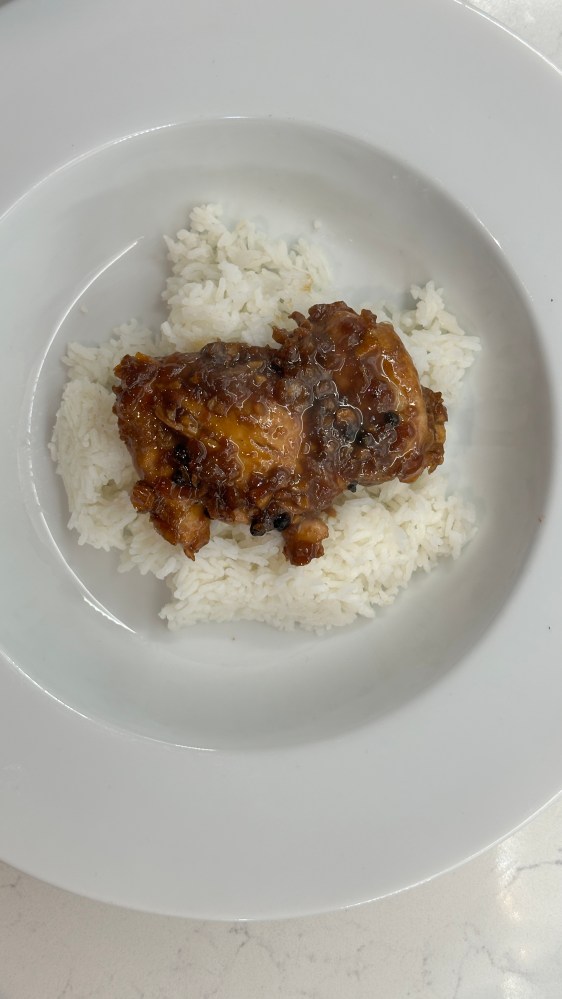
If there’s one dish that embodies the heart and soul of Filipino cuisine, it’s Chicken Adobo. This iconic dish is a perfect balance of salty, tangy, garlicky, and slightly sweet flavors, slow-braised to perfection in soy sauce, vinegar, garlic, bay leaves, and black peppercorns.

Adobo is not just food—it’s a cultural symbol. Every Filipino household has their own version, passed down through generations, making it one of the most beloved and widely eaten dishes in the Philippines. Whether served in a humble home kitchen or at a fiesta, Chicken Adobo is comforting, flavorful, and deeply tied to Filipino identity.


The History: Pre-Colonial Roots and Spanish Influence

The word “adobo” comes from the Spanish verb “adobar,” meaning “to marinate”. However, the dish itself predates Spanish colonization.

Before refrigeration, Filipinos preserved meat by cooking it in vinegar and salt, a technique dating back to pre-colonial times. When the Spanish arrived in the 16th century, they noticed this method and gave it the name “adobo”, due to its similarity to Spanish marinades.

Over time, Chinese traders introduced soy sauce, replacing salt in many recipes, creating the modern Chicken Adobo we know today. Despite its foreign name, Adobo remains distinctly Filipino, evolving with regional variations across the country.


What is Chicken Adobo?

At its core, Chicken Adobo is a braised chicken dish, where meat is slow-cooked in a bold, tangy sauce until tender and deeply flavorful.

Essential Ingredients of Chicken Adobo:

  • Chicken (Manok): Bone-in, skin-on chicken pieces (legs, thighs, or drumsticks) for maximum flavor.
  • Vinegar: The key ingredient that gives Adobo its signature tang and helps preserve the meat. Traditional choices include cane vinegar or coconut vinegar.
  • Soy Sauce: Adds deep umami and saltiness, balancing the acidity of the vinegar.
  • Garlic: Typically crushed and sautéed for a rich, aromatic depth.
  • Black Peppercorns: Whole or crushed, for a subtle heat and spice.
  • Bay Leaves: Infuse the dish with an earthy, herbal aroma.
  • Sugar (Optional): Some regions add a touch of brown sugar for balance.
  • Coconut Milk (Optional): Used in the southern regions, especially in Mindanao, for a richer, creamier version.

Some versions also include potatoes, hard-boiled eggs, or even pineapple for additional layers of flavor.


Tasting Notes: A Perfect Harmony of Flavors

Chicken Adobo delivers a deep, complex taste, where each ingredient plays a crucial role:

  • The chicken is fall-off-the-bone tender, absorbing the tangy, savory sauce.
  • The vinegar provides a bright acidity, cutting through the richness.
  • The soy sauce brings deep umami, creating a robust, savory backbone.
  • The garlic and bay leaves add aromatic warmth, enhancing the overall depth.
  • The black peppercorns provide a subtle heat, rounding out the dish.

Each bite is a perfect balance of tangy, salty, slightly sweet, and deeply savory flavors, making Adobo one of the most comforting and addictive Filipino dishes.


How Chicken Adobo is Served

Chicken Adobo is always served with steamed white rice, as the mild rice soaks up the flavorful sauce beautifully.

Common Ways to Enjoy Chicken Adobo:

  1. With Plain White Rice – The classic way, allowing the bold flavors to shine.
  2. With Garlic Fried Rice (Sinangag) – A delicious breakfast option, often served with fried eggs.
  3. With a Hard-Boiled Egg – Some versions include eggs cooked in the Adobo sauce for extra richness.
  4. With Fried Plantains (Saba Banana) – A sweet contrast to the salty-sour sauce.
  5. Shredded and Used as a Filling – Some Filipinos use leftover Adobo in pandesal (Filipino bread rolls), tacos, or even spring rolls.

Beyond Chicken: Other Types of Adobo

While Chicken Adobo is the most famous, Filipinos also make Adobo with other proteins:

  • Pork Adobo (Adobong Baboy) – Made with pork belly or pork shoulder for a richer, fattier dish.
  • Adobo sa Gata – A creamy coconut milk-based version from the Bicol region.
  • Adobo Flakes – Shredded, crispy-fried Adobo, often served for breakfast.
  • Seafood Adobo – Some coastal regions prepare Adobo with shrimp, squid, or fish.
  • Vegetable Adobo – A plant-based variation using eggplant, string beans, or tofu.

Each region in the Philippines has its own unique twist on Adobo, showcasing the versatility and adaptability of the dish.


Why Chicken Adobo is the Ultimate Filipino Comfort Food

Deeply Flavorful – A perfect balance of tangy, salty, and umami-rich flavors.
Easy to Make – Requires minimal ingredients and a simple braising technique.
Versatile – Can be made with different proteins, vegetables, and spices.
Gets Better Over Time – The longer it sits, the more the flavors deepen (Adobo tastes even better the next day!).
Deeply Rooted in Filipino Identity – A dish passed down through generations, representing home and family.

Chicken Adobo is the kind of dish that brings people together, whether at a simple family dinner or a grand celebration. Its bold yet comforting flavors make it a favorite not just in the Philippines, but among Filipino communities worldwide.

Goal Met – Watch top 50 Movies of All Time

I really enjoyed this one as I love movies and this was an easy one to achieve. I again used ChatGPT to search all the top 50 movie lists out there then curate a list of consensus top 100 sorted by year released. I went through and removed movies that I have watched already (Star Wars, Lord of the Rings, etc.) and back filled those with the movies that didn’t make the original cut. Then I broke them down by decade until I had 5 for each decade.

Watching them in sequential order was a fascinating look into the technical and artistic progression of cinema. Starting with black and white silent films with actors who used their bodies to tell the story to the moment when Chaplin started singing and you realized that ‘talkies’ were now a thing,

The transition from black and white to color was also pretty fascinating from a technical perspective as you could see the film grain now and after some time I found I could almost identify which decade the movie was from purely based on the look of the film. The quality of the image got better and better with each watching ending up with a few HDR 4K visual spectacles.

I never once thought ‘why is this on the list?’ each movie was amazing and I found myself immersed in the storytelling and artistic achievement. Watching buster Keaton’s pratfalls and stunts was a visual delight and some of the over the top dialogue from the 40’s and 50’s wasn’t tacky it was straight entertaining. Some of the more poignant movies were heart wrenching such as the pianist which was a brutal watch but I couldn’t look away from the suffering. Stories like that need to be told so people don’t forget.

Film is an art – a way of telling a story in the tradition of storytellers of old. You have your improbable heroes like Lawrence of Arabia, you have your moral lessons like the great dictator or treasure of the Sierra Madre. These stories are important and I’m glad they are all being digitized to protect them as their loss would be a loss to society at large.

The one thing I didn’t get to do during this challenge was keep up on new movie releases – I was just too busy with all the various tasks I was juggling.  I did however, jot down the ones I wanted to watch in a notebook (along with TV series I want to watch) so when the challenge is over I’m going to relax and try to clear out my list!

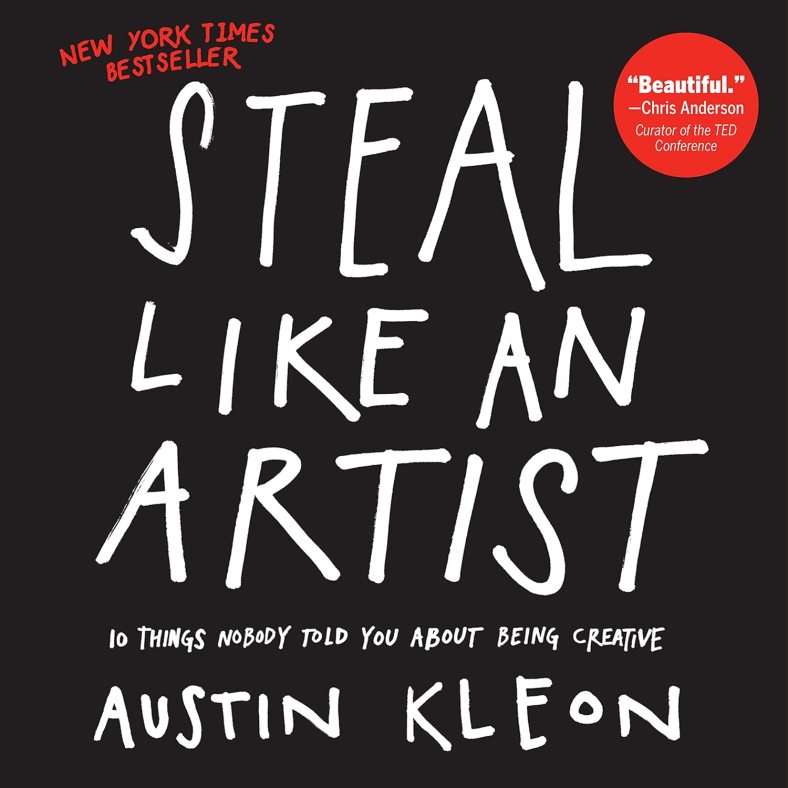
Steal Like an Artist

Creativity has a mythology around it, a belief that great ideas strike like lightning, gifted only to a lucky few. Steal Like an Artist by Austin Kleon tears that myth apart, replacing it with a much more practical—and liberating—truth: creativity isn’t about originality, it’s about remixing, borrowing, and transforming what already exists. Kleon makes the case that no artist, writer, musician, or creator of any kind operates in a vacuum. Every idea is influenced by something that came before, and instead of fearing that, we should embrace it.

The title itself is a bit of a provocation. Kleon isn’t advocating for plagiarism but for the idea that “stealing” in a creative sense means absorbing the work of others, studying it deeply, and using it as a foundation to create something new. Every great artist, from Picasso to The Beatles, has borrowed from those who came before them. The trick isn’t to copy blindly but to steal with purpose—to take inspiration and make it your own. He encourages creatives to build their own “artistic family tree,” tracing the lineage of their influences and using that knowledge to refine their own unique voice. If you love a certain writer, filmmaker, or musician, don’t just admire their work—study who they were influenced by, follow that trail, and let it shape your own development.

One of the book’s biggest takeaways is that waiting for inspiration is a waste of time. Kleon argues that creativity isn’t about sitting around waiting for a genius idea to arrive—it’s about showing up every day and doing the work. He pushes against the notion that artists need to be tortured or struck by divine inspiration, instead advocating for a more blue-collar approach: work with what you have, start before you’re ready, and trust that creativity happens through action, not contemplation.

Kleon also dismantles the fear of not being original enough. Too many people hold themselves back because they believe their ideas aren’t groundbreaking or new. But the truth, he points out, is that nothing is truly original. Every book is built on the books that came before it, every song has echoes of previous music, and every painting is part of a conversation stretching back centuries. The goal isn’t to be completely original—it’s to take existing ideas and filter them through your own perspective, creating something fresh in the process.

Another key idea in the book is the power of constraints. Instead of seeing limitations—whether they’re financial, time-related, or skill-based—as obstacles, Kleon suggests embracing them as creative fuel. Some of the most innovative work comes not from unlimited resources, but from necessity. A lack of money, time, or tools forces creativity in unexpected ways, and instead of waiting for the perfect conditions, Kleon urges creators to start with what they have and make the most of it.

The book is also a reminder that creativity isn’t limited to traditional art forms. Whether you’re a writer, designer, entrepreneur, or just someone trying to think differently about your work, the principles of creativity apply everywhere. The way you approach problems, the way you combine ideas, and the way you express yourself are all forms of creative work. The key is to stay curious, keep learning, and most importantly, keep making things—no matter how imperfect they might feel at first.

What makes Steal Like an Artist so refreshing is that it strips creativity of its mystique and gives it back to the people. You don’t need permission to create, and you don’t need to be a genius to make something worthwhile. The book encourages readers to build on what inspires them, embrace their influences without shame, and most importantly, start making things now rather than waiting for the perfect moment. Creativity, as Kleon reminds us, isn’t about having a completely original idea—it’s about taking the ideas around you, reshaping them through your own lens, and putting something new into the world.

Worldwide Food Tour – Sweden

A Classic of Swedish Comfort Food

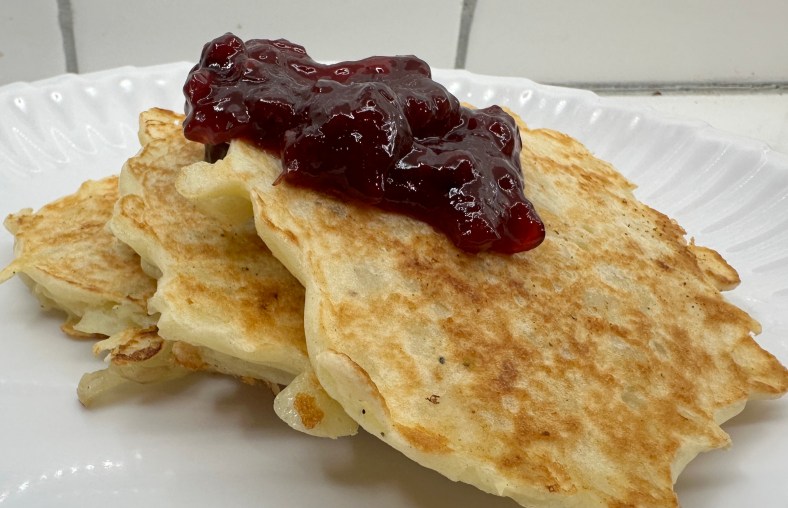
Raggmunk is Sweden’s beloved potato pancake, a dish that combines the crispy goodness of fried potatoes with the heartiness of a traditional Swedish meal. Served with fried pork (fläsk) and lingonberry jam, this dish represents the perfect balance of savory, crispy, and sweet flavors.

Often enjoyed during the colder months, Raggmunk is a staple of Swedish home cooking and a favorite in traditional restaurants across Sweden. While it shares similarities with potato pancakes from other cultures, the unique Swedish combination of pork and lingonberries makes Raggmunk a distinct and unforgettable dish.


The History: A Dish Born from Simplicity

Potatoes became a staple ingredient in Sweden in the 18th century, and creative ways to prepare them quickly spread throughout the country. Raggmunk was first recorded in the early 1900s, originating in southern and central Sweden, where potatoes were plentiful.

The name “Raggmunk” roughly translates to “hairy pancake,” a reference to the crispy, grated potato strands that give the dish its signature texture. Unlike hash browns or Rösti, Raggmunk is made with a thin pancake batter, allowing it to be light, crispy on the edges, and slightly chewy in the center.

Traditionally, Raggmunk is served with fried pork (often thick bacon or salted pork belly) and lingonberry jam, reflecting Sweden’s love for combining savory meats with tart, sweet berries.


What is Raggmunk?

Raggmunk is a thin potato pancake, made by combining grated potatoes with a light batter of flour, milk, egg, and salt. The mixture is fried in butter until golden and crispy, then served with pan-fried pork and lingonberry jam.

Essential Ingredients of Raggmunk:

  • Potatoes (fast & starchy varieties work best) – The main ingredient, grated finely.
  • Flour – Just a small amount, to create a light pancake batter.
  • Milk – Adds smoothness to the batter.
  • Egg – Helps bind the pancake together.
  • Salt & Butter – For seasoning and frying.
  • Fried Pork (Fläsk) – Thick bacon or pork belly, fried until crispy.
  • Lingonberry Jam – A sweet-tart element that balances the dish’s richness.

Unlike hash browns or latkes, which rely on eggs and flour to bind grated potatoes together, Raggmunk uses a thinner pancake batter, resulting in a crispier and lighter texture.


Tasting Notes: A Perfect Blend of Crunchy, Salty, and Sweet

Raggmunk delivers a satisfying contrast of textures and flavors:

  • The pancake edges are crispy and golden, while the inside remains soft and slightly chewy.
  • The fried pork adds a deep, salty umami flavor, complementing the mild potato base.
  • The lingonberry jam brings a bright, tart sweetness, cutting through the richness of the pork and butter-fried pancake.

Every bite is a combination of crunchy, juicy, salty, and sweet flavors, making Raggmunk a true Swedish comfort food.


How Raggmunk is Served

Raggmunk is best enjoyed hot and fresh from the pan, typically in a simple, traditional Swedish meal setting.

Traditional Serving Style:

  1. A plate with two or three crispy Raggmunk pancakes.
  2. A generous serving of fried pork (fläsk), either bacon strips or thick-cut salted pork belly.
  3. A spoonful of lingonberry jam, served on the side.

Unlike some other potato pancakes that are topped with sour cream or applesauce, the Swedish version sticks to the classic combination of pork and lingonberries, highlighting Sweden’s culinary preference for salty-sweet contrasts.


Variations of Raggmunk

While the traditional Raggmunk is beloved across Sweden, there are a few regional variations:

  • Potatisplättar – A thinner, more delicate potato pancake, often served without pork.
  • Råraka – A simpler version made only with grated potatoes, fried crisp without any batter.
  • Modern Takes – Some chefs experiment by adding cheese, herbs, or smoked fish for a contemporary twist.

Despite these variations, the classic Raggmunk with pork and lingonberries remains the ultimate Swedish comfort meal.


Why Raggmunk is a Swedish Classic

Crispy, Golden, and Delicious – A perfect potato dish with irresistible texture.
A Harmony of Flavors – The salty pork, sweet lingonberries, and crispy pancake create a balanced, deeply satisfying meal.
Easy to Make – Requires only a few basic ingredients, making it a home-cooked staple.
A Taste of Swedish Culture – A dish that has been loved for over a century, found in homes and traditional restaurants.

Raggmunk is Swedish food at its bestsimple, hearty, and absolutely delicious. Whether you’re trying it for the first time or grew up eating it, this dish is a must-try for lovers of comfort food.

Worldwide Food Tour – Norway

Kjøttkaker, Norway’s beloved homemade meatballs, are a hearty, rustic dish that embodies Norwegian home cooking and family traditions. Unlike the smaller, delicate Swedish meatballs (köttbullar), Norwegian kjøttkaker are larger, coarser, and more rustic, served in a rich brown gravy (brun saus) with potatoes, lingonberry jam, and mushy peas.

This dish is a symbol of Norwegian heritage, often passed down through generations and enjoyed at both everyday family dinners and festive gatherings. Whether served in a cozy kitchen in Oslo or at a countryside farm, kjøttkaker remains one of Norway’s most cherished comfort foods.


The History: A Dish Rooted in Norwegian Traditions

The word “kjøttkaker” literally means “meat cakes”, reflecting the dish’s simple yet hearty nature. Meatballs have existed in various forms throughout Scandinavia and Europe for centuries, but Norway’s version has remained uniquely rustic, emphasizing bold flavors and a thick, satisfying texture.

Historically, Norwegian farmers relied on locally available meats, such as beef, pork, or a mix of both, making kjøttkaker an essential protein-rich meal during the cold winters. The dish became widespread in the 19th century, as Norwegian families cooked large batches, stretching their meat supply by adding flour or breadcrumbs to the mixture.

Today, kjøttkaker is still a staple of Norwegian cuisine, featured in both home kitchens and traditional restaurants, and often enjoyed on Sundays as part of a classic family meal.


What is Kjøttkaker?

Kjøttkaker are Norwegian-style meatballs, made with ground beef (sometimes mixed with pork or lamb), onions, and a blend of warm spices, pan-fried to a golden brown and then simmered in a rich, savory brown gravy (brun saus).

Essential Ingredients of Kjøttkaker:

  • Ground Beef or Pork (or a mix) – The base of the meatballs, providing hearty flavor.
  • Onion – Adds depth and natural sweetness.
  • Milk & Breadcrumbs (or Flour) – Helps keep the meatballs tender while binding them together.
  • Egg – Adds structure and moisture.
  • Salt & Pepper – Essential seasoning for balanced flavor.
  • Spices:
    • Ground nutmeg and ginger (common in traditional recipes).
    • Allspice (optional) – Adds a mild warmth, similar to Swedish meatballs.

The Brown Gravy (Brun Saus):

  • Made with butter, flour, beef stock, and sometimes a splash of cream, the gravy is thick, rich, and comforting—perfect for coating the meatballs.

Tasting Notes: Hearty, Savory, and Deeply Satisfying

Kjøttkaker delivers a robust and comforting flavor, with a texture that is coarse yet tender.

  • The meatballs are juicy, slightly firm, and well-seasoned, absorbing the flavors of the gravy.
  • The gravy is thick and deeply savory, with a buttery richness that enhances every bite.
  • The side dishes (potatoes, lingonberry jam, and peas) add balance, offering a mix of earthy, sweet, and fresh flavors.

This dish is the ultimate Norwegian comfort food, perfect for cold winter nights or a nostalgic family meal.


How Kjøttkaker is Served

Kjøttkaker is traditionally served as part of a classic Norwegian meal, typically alongside potatoes and vegetables.

Traditional Serving Style:

  1. Kjøttkaker (Norwegian Meatballs) – Pan-fried and simmered in brun saus (brown gravy).
  2. Boiled or Mashed Potatoes – A staple side dish, soaking up the rich sauce.
  3. Lingonberry Jam (Tyttebærsyltetøy) – A sweet, tart contrast to the savory meatballs.
  4. Stewed Peas or Root Vegetables – Common sides include mashed peas, carrots, or cabbage.
  5. Flatbrød (Norwegian Crispbread) (Optional) – A crunchy side often served in rural areas.

Many Norwegians also enjoy kjøttkaker as leftovers, reheated the next day for an even richer, more flavorful experience.


Beyond Norway: Kjøttkaker’s Scandinavian Cousins

While uniquely Norwegian, kjøttkaker shares similarities with other Scandinavian meatball dishes:

  • Swedish Meatballs (Köttbullar): Smaller, smoother in texture, and served with creamier gravy.
  • Danish Frikadeller: Flattened, pan-fried meat patties with a crispier texture.
  • Finnish Lihapullat: Similar to Swedish köttbullar but often seasoned with allspice.

Despite these similarities, Norwegian kjøttkaker remains distinct for its larger size, rustic texture, and deep brown gravy.


Why Kjøttkaker is a Norwegian Classic

Rich, Hearty, and Comforting – Perfect for cold weather and family meals.
Traditional Yet Easy to Make – A staple of home cooking with simple ingredients.
A Balance of Flavors – The savory meatballs, rich gravy, and sweet lingonberries create a perfect harmony.
Deeply Rooted in Norwegian Culture – A dish enjoyed for centuries across generations.

Whether enjoyed in a traditional Norwegian home or at a cozy countryside inn, kjøttkaker is a dish that warms both the body and soul.

Worldwide Food Tour – Finland

Karjalanpiirakka (Karelian pasty) is one of Finland’s most iconic and cherished baked goods, originating from the Karelia region, which historically straddled eastern Finland and parts of Russia. These thin, crispy rye crust pastries filled with creamy rice porridge are a staple of Finnish cuisine, often enjoyed warm with butter, egg butter (munavoi), or alongside coffee.

Simple yet deeply comforting, Karjalanpiirakka represents the heart of Finnish home cooking, with recipes passed down through generations. Whether found in bakeries, homes, or festive gatherings, this pastry is a symbol of Finnish heritage and resilience.


The History: A Pastry with Deep Karelian Roots

Karjalanpiirakka traces its origins back hundreds of years to Karelia, a region that has been at the crossroads of Finnish and Russian culture. This humble pastry was a practical food for travelers and farmers, as it was easy to carry and made from simple, locally available ingredients.

Originally, the filling varied by season—barley, potatoes, and mashed turnips were common before rice became widely available. By the 19th and 20th centuries, rice porridge became the standard filling, especially after trade expanded.

Due to wars and shifting borders, many Karelians migrated to other parts of Finland in the 1940s, bringing their traditional recipes with them. Over time, Karjalanpiirakka became a nationwide Finnish favorite, officially recognized as a Protected Traditional Specialty (TSG) by the EU in 2003.


What is Karjalanpiirakka?

Karjalanpiirakka is a thin-crusted, oval-shaped pasty, made with a crispy rye dough and traditionally filled with creamy rice porridge.

Essential Ingredients:

Crust:

  • Rye flour – Gives the pastry its signature rustic texture.
  • All-purpose flour (optional) – Sometimes added for a slightly softer dough.
  • Salt & Water – Keeps the dough simple and pliable.

Filling:

  • Rice porridge – Made with short-grain rice, milk, and salt, cooked to a smooth, creamy consistency.
  • (Variations) – Some versions use mashed potatoes or carrot filling.

Topping:

  • Egg butter (Munavoi) – A classic Finnish spread made with hard-boiled eggs mashed with butter and a pinch of salt, served warm on top of the pasty.

Tasting Notes: Rustic, Comforting, and Savory

Karjalanpiirakka has a unique contrast of textures:

  • The crust is thin, slightly crisp, and earthy due to the rye flour.
  • The filling is creamy and rich, providing a subtle buttery and slightly salty taste.
  • When topped with warm egg butter, it adds an extra layer of richness and smoothness, melting into the pastry.

Despite its modest ingredients, Karjalanpiirakka delivers deeply satisfying comfort, making it perfect for breakfast, snacks, or alongside a cup of coffee.


How Karjalanpiirakka is Served

Karjalanpiirakka is best enjoyed fresh and warm, often topped with egg butter or other traditional accompaniments.

Common Ways to Enjoy Karjalanpiirakka:

  1. With Egg Butter (Munavoi) – The classic Finnish way, where buttery, salty eggs enhance the creamy rice filling.
  2. With Butter and Cheese – A simple yet delicious variation.
  3. With Smoked Salmon and Dill – A modern Finnish take, adding a delicate, savory contrast.
  4. With Finnish-style Gravlax or Cold Cuts – A common way to serve it at buffets or gatherings.
  5. As a Side for Soup – Often paired with a hot bowl of Finnish salmon soup (Lohikeitto).

Many Finns also freeze Karjalanpiirakka, reheating them in the oven for a fresh-baked taste anytime.


Beyond Finland: A Pastry Loved Worldwide

Thanks to Finnish emigration, Karjalanpiirakka is now enjoyed in Finnish communities across Sweden, Canada, and the United States. Finnish bakeries worldwide continue to keep the tradition alive, ensuring this humble pasty remains a beloved comfort food.


Why Karjalanpiirakka is a Finnish National Treasure

Simple Yet Flavorful – A crispy, hearty crust meets a creamy, comforting filling.
Deeply Rooted in Finnish Culture – A pastry passed down for generations.
Versatile & Customizable – Can be topped with egg butter, cheese, or smoked fish.
Nutrient-Rich & Filling – A healthy, energy-packed snack that’s great for any time of day.
Perfect for Celebrations & Everyday Eating – Found at both holiday tables and casual breakfast spreads.

Whether you try it in a Finnish bakery or make it at home, Karjalanpiirakka offers a taste of Finland’s culinary history in every bite.

The Lost City of Z

James Gray’s The Lost City of Z is the kind of movie that Hollywood doesn’t really make anymore—a slow-burn, introspective adventure film that’s more about obsession and existential yearning than it is about gunfights and treasure maps. If you’re expecting a swashbuckling, vine-swinging, snake-punching Indiana Jones type of adventure, I have some unfortunate news: this is not that. There are no ancient booby traps, no secret passageways, and not a single fedora in sight. What we do get is a beautifully shot, hypnotically slow descent into madness, where one man gets so consumed by the unknown that he willingly throws his entire life into the jungle, never to return.

Charlie Hunnam, shedding all remnants of his Sons of Anarchy biker aesthetic, plays Percy Fawcett, a British explorer who makes the baffling mistake of thinking, Yes, I will absolutely go deep into the Amazon rainforest in the early 1900s when absolutely everything is trying to kill me. To be fair, Percy isn’t some glory-seeking adventurer—he’s a man desperate to prove himself to a world that looks down on him. He stumbles upon the idea of a lost civilization buried in the jungle and suddenly, his life is no longer about being a husband or father—it’s about finding Zed (because the British refuse to say Zee like normal people). The deeper he goes, the more obsessed he becomes, to the point where the jungle stops being a place and becomes a state of mind.

Gray directs the film with the kind of patience that dares you to let it sink into your bones. He’s not interested in cheap thrills or exaggerated spectacle. Instead, he lets the atmosphere take over, letting the sweat, the mud, and the endless sea of trees weigh down on you like they do on Fawcett. It’s hypnotic, almost dreamlike—especially when compared to the rigid, oppressive society Fawcett returns to back home in England. Every time he steps out of the jungle, the world seems grayer, smaller, and more suffocating, as if civilization itself is the real prison.

And let’s talk about Robert Pattinson, because somehow, amid all of this, he sneaks in one of his best I’m-going-to-make-you-forget-I-was-ever-in-Twilight performances. As Fawcett’s scruffy, loyal companion Henry Costin, Pattinson disappears into the role, reminding us once again that he thrives in weird, offbeat characters with impressive facial hair. His quiet, almost resigned presence serves as a perfect counterbalance to Hunnam’s increasingly manic ambition, a reminder that for every explorer chasing glory, there’s a guy just trying not to die from malaria.

Sienna Miller also delivers a strong performance as Fawcett’s wife, Nina, a woman stuck in the impossible position of loving a man who loves something else more. She challenges him, supports him, and resents him all at once, embodying the emotional toll that Fawcett’s obsession leaves on the people around him. Because while he’s off chasing mythical cities, his real-life responsibilities—his family, his children, his entire actual existence—are left behind, gathering dust.

By the time the movie reaches its haunting final moments, it doesn’t really matter whether Fawcett found Z or not. The point isn’t about what’s real—it’s about the chase, the longing, the need to believe in something greater than yourself. The Lost City of Z isn’t about discovery; it’s about obsession. It’s about the people who are willing to walk off the edge of the map, knowing full well they might never come back.

So if you’re looking for a classic adventure movie with action-packed set pieces, this might not be your thing. But if you want a slow, meditative, and quietly devastating story about a man who willingly loses himself in the unknown—then The Lost City of Z is a journey worth taking. Just, you know, bring some bug spray.