Worldwide Food Tour – America

A Crispy, Melty, and Iconic Classic

Few dishes are as universally loved and comforting as the American grilled cheese sandwich. This simple yet irresistible combination of crispy, buttery bread and gooey, melted cheese is a staple in homes, diners, and lunch counters across the United States.

Whether served plain, with tomato soup, or loaded with extras like bacon and caramelized onions, grilled cheese is the ultimate American comfort food—easy to make, endlessly customizable, and deeply satisfying.


The History: A Sandwich with Humble Beginnings

The origins of grilled cheese date back to the 1920s, when sliced bread and processed cheese became widely available in the U.S. During the Great Depression, the sandwich became popular because it was affordable, filling, and easy to prepare.

By World War II, U.S. Navy cooks were serving open-faced cheese sandwiches to soldiers, which evolved into the closed, pan-fried version we know today. Over the decades, grilled cheese became a nostalgic American favorite, appearing in cafeterias, diners, and homes nationwide.


What Makes an American Grilled Cheese Special?

An authentic American grilled cheese is all about the perfect balance of crispy bread and gooey melted cheese.

Essential Ingredients of a Classic Grilled Cheese:

  • Bread: Classic choices include white bread, sourdough, or Texas toast.
  • Cheese: The most iconic choice is American cheese, but cheddar, Swiss, provolone, or Monterey Jack are also popular.
  • Butter or Mayo: Butter is traditional, but mayonnaise is sometimes used for an extra crispy exterior.

Optional Additions:

  • Bacon, Ham, or Turkey – For a heartier sandwich.
  • Tomatoes or Avocado – Adds freshness.
  • Caramelized Onions or Jalapeños – For extra flavor.
  • Mustard or Hot Sauce – A tangy kick.

Tasting Notes: Crispy, Buttery, and Ultra-Melty

A perfectly made grilled cheese sandwich is crispy on the outside and gooey on the inside:

  • The bread is golden brown and crunchy, with a satisfying crisp when bitten into.
  • The cheese is perfectly melted, smooth, and stretchy, creating a rich, indulgent texture.
  • The butter (or mayo) adds a subtle richness, complementing the sharp or mild cheese.

Grilled cheese is a nostalgic bite of childhood for many Americans, bringing warmth and comfort with every bite.


How Grilled Cheese is Served

Classic Serving Styles:

  1. With Tomato Soup – The ultimate pairing, perfect for dipping.
  2. With Pickles or Chips – A crunchy contrast to the sandwich’s richness.
  3. With a Side Salad – A fresh counterbalance to the cheesy goodness.
  4. As a Gourmet Version – Using artisan bread, gourmet cheeses, and fancy add-ins.

Why Grilled Cheese is an American Favorite

Crispy, Melty, and ButteryThe perfect balance of textures and flavors.
Easy to MakeJust three ingredients for a classic version.
Customizable – Can be simple or gourmet, depending on preferences.
Rooted in American History – A Great Depression-era staple that remains beloved today.
Perfect for Any Occasion – Great for quick meals, late-night cravings, or cozy weekends.

From home kitchens to high-end restaurants, grilled cheese remains an American icon—a simple, timeless sandwich that brings joy with every bite.

Worldwide Food Tour – Zambia

A Crispy, Golden Treat from Zambian Cuisine

Sweet Potato Fritters are a beloved snack and street food in Zambia, made from grated or mashed sweet potatoes, lightly spiced, and deep-fried until golden brown. These fritters are crispy on the outside, soft on the inside, and naturally sweet, making them perfect for breakfast, a midday snack, or a dessert.

In Zambia, sweet potatoes are a widely available and nutritious staple, and these fritters are a delicious way to enjoy them, often served with tea, honey, or a sprinkle of sugar.


The History: A Dish Rooted in Zambian Traditions

Sweet potatoes have been grown in Zambia for centuries, providing an affordable and nutritious source of energy. Traditionally, they are boiled, roasted, or fried, but sweet potato fritters have become a popular way to enjoy them, especially in rural communities and local markets.

These fritters are similar to vitumbuwa (Zambian fried dough balls) but with a natural sweetness from the potatoes. They are commonly sold by street vendors and made at home for family gatherings, celebrations, or as an after-school snack for children.


What are Zambian Sweet Potato Fritters?

These fritters are deep-fried, crispy sweet potato bites, made by combining mashed or grated sweet potatoes with flour and eggs, then frying them until golden brown.

Essential Ingredients:

  • Sweet Potatoes: The star ingredient, giving the fritters a naturally sweet flavor.
  • Flour: Helps bind the mixture together.
  • Eggs: Adds richness and structure.
  • Sugar (Optional): Enhances the natural sweetness.
  • Cinnamon or Nutmeg (Optional): Adds a warm, spiced flavor.
  • Baking Powder: Makes the fritters light and fluffy.
  • Oil: For deep-frying, creating a crispy exterior.

Some variations include grated coconut, vanilla extract, or mashed bananas for extra flavor.


Tasting Notes: Sweet, Crispy, and Comforting

Zambian sweet potato fritters are light, fluffy, and slightly crispy, with a naturally sweet and mildly spiced flavor.

  • The outside is golden brown and crunchy, giving way to a soft, tender interior.
  • The sweet potatoes provide a rich, natural sweetness, complemented by the warmth of cinnamon or nutmeg.
  • They can be eaten plain or drizzled with honey, sugar, or served with a side of tea.

These fritters are comforting, nostalgic, and perfect for satisfying a sweet craving.


How Sweet Potato Fritters are Served in Zambia

Traditional Serving Styles:

  1. Plain, with a Dusting of Sugar – The classic way to enjoy them.
  2. With Honey or Syrup – A sweeter version, perfect for breakfast.
  3. With Tea or Coffee – A common pairing in Zambian homes.
  4. With Fresh Fruits or Yogurt – A modern take for a healthier option.
  5. As a Street Food Snack – Sold in markets and roadside stalls.

Why Sweet Potato Fritters are a Zambian Favorite

Simple, Affordable, and Delicious – Uses basic, local ingredients.
Naturally Sweet and Nutritious – Packed with vitamins, fiber, and energy.
Crispy and Fluffy – The perfect contrast of textures.
Versatile & Customizable – Can be plain, spiced, or even savory.
A Traditional & Nostalgic Treat – A snack loved by families across generations.

From family kitchens to bustling markets, Zambian sweet potato fritters remain a beloved dish, bringing warmth and joy with every bite.

Worldwide Food Tour – Turkiye

In Turkish cuisine, where vegetables are often the star of the meal, Kabak Yemeği (pronounced kah-BAHK yeh-MEH-ee) holds a special place as a light, healthy, and flavorful zucchini dish. Found in home kitchens across Turkey, this dish is a staple of Aegean and Mediterranean cuisine, where fresh, seasonal vegetables are celebrated.

Kabak Yemeği is a simple yet deeply satisfying dish, often cooked with olive oil (zeytinyağlı) for a light, vegetarian-friendly version, or with ground beef or lamb for a heartier meal. The slow-cooked zucchini absorbs the rich flavors of tomatoes, onions, garlic, and a touch of spices, creating a dish that is both delicate and deeply comforting.

This humble yet elegant dish is a perfect example of the Turkish philosophy of letting fresh ingredients shine, making it a staple in both summer kitchens and year-round home cooking.


The History: Aegean and Ottoman Roots

Zucchini (kabak) has been a part of Turkish cuisine for centuries, brought to Anatolia through trade routes from the Middle East and Central Asia. As a key vegetable in Ottoman palace cuisine and village kitchens alike, zucchini was embraced for its mild, slightly sweet flavor and versatility.

Kabak Yemeği is an example of zeytinyağlı (olive oil) dishes, a category of Turkish cuisine that includes vegetable-based, slow-cooked meals prepared with high-quality olive oil and enjoyed at room temperature. These dishes, influenced by Aegean and Mediterranean cooking traditions, became especially popular in Izmir, Bodrum, and coastal regions where olive trees thrive.

However, variations of Kabak Yemeği also exist in central and eastern Anatolia, where meat and yogurt-based versions are more common. This reflects Turkey’s diverse culinary regions, each adapting the dish to local tastes and ingredients.


What is Kabak Yemeği?

At its core, Kabak Yemeği is a gentle, slow-cooked zucchini dish, lightly stewed in a tomato-based sauce with aromatics and olive oil. It can be served warm or at room temperature, making it a versatile addition to Turkish meals.

Essential Ingredients:

  • Zucchini (Kabak): The star of the dish, typically sliced into rounds or cubes.
  • Onion: Provides a subtle sweetness and depth.
  • Garlic: Adds aromatic richness.
  • Tomatoes: Fresh or canned, creating a light yet flavorful sauce.
  • Olive Oil: Essential for zeytinyağlı versions, adding silkiness and a mild fruitiness.
  • Spices: Typically salt, black pepper, and sometimes red pepper flakes (pul biber) for mild heat.
  • Water or Stock: Helps create a gentle, stew-like consistency.
  • Optional Ingredients: Some versions include carrots, rice, or bulgur for additional texture.

For meat-based versions, ground beef or lamb is lightly browned with onions before adding the zucchini. For a lighter, summer-style dish, the olive oil version is more common.


Tasting Notes: Light, Delicate, and Satisfying

Kabak Yemeği is subtle yet deeply flavorful, offering a balance of sweet zucchini, tangy tomatoes, and savory aromatics.

  • The zucchini becomes tender but not mushy, absorbing the surrounding flavors.
  • The tomato sauce adds a gentle acidity, complementing the mildness of the zucchini.
  • Olive oil creates a silky, almost buttery texture, especially when the dish is served at room temperature.
  • If meat is added, it lends a deeper umami richness, making it a more robust meal.

This dish is both light and comforting, making it an excellent choice for a hot summer evening or as part of a mezze-style meal.


How Kabak Yemeği is Served

Kabak Yemeği is traditionally enjoyed in two main ways:

1. As a Light Main or Side Dish (Zeytinyağlı Style)

  • Served at room temperature or slightly chilled, as part of a mezze spread or a light summer meal.
  • Drizzled with extra olive oil and lemon juice for brightness.
  • Often accompanied by yogurt (sarımsaklı yoğurt – garlic yogurt) and fresh bread.

2. As a Hearty Main Dish (Etli Kabak Yemeği – With Meat)

  • Served warm, often with rice (pilav) or bulgur pilaf.
  • A spoonful of thick Turkish yogurt on the side adds creaminess and tang.
  • Some versions include a touch of red pepper paste (biber salçası) for an extra kick.

No matter how it’s served, Kabak Yemeği is a staple of home-cooked Turkish meals, offering comfort and nourishment in every bite.


Beyond Turkey: A Dish Loved Across the Mediterranean

While Kabak Yemeği is distinctly Turkish, similar zucchini-based stews exist throughout the Mediterranean and Middle East.

  • In Greek cuisine, a dish called Briam features zucchini and tomatoes baked with olive oil.
  • In Lebanon and Syria, Kousa Mfarakeh is a similar slow-cooked zucchini dish with garlic and tomatoes.
  • In Italy, Zucchine alla Scapece is a lightly fried and marinated version of the dish.

Despite regional differences, the concept of slow-cooked zucchini in olive oil remains universal, celebrated for its simple yet irresistible flavors.


Why Kabak Yemeği is a Timeless Turkish Classic

Healthy & Light – A naturally nutritious dish packed with fiber and vitamins.
Versatile – Can be made vegan or with meat, depending on preference.
Simple Yet Flavorful – Uses just a few ingredients but delivers deep, satisfying taste.
Perfect for Any Season – Served warm in winter, cool in summer.
Deeply Rooted in Turkish Culinary Culture – A dish passed down through generations, always present in family meals.

If you love Mediterranean flavors and wholesome, home-cooked meals, Kabak Yemeği is a dish worth trying.

St. Louis Style Pizza

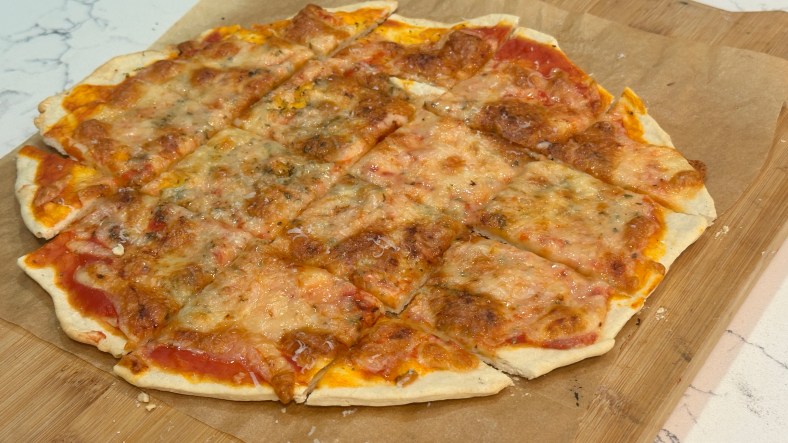
If you’ve never had St. Louis-style pizza, get ready for something totally unexpected. This Missouri-born creation defies every traditional pizza rule in the best way possible—starting with the fact that it’s cut into squares, not slices. That’s right, in St. Louis, pizza isn’t served in the familiar triangle shape but instead in a grid of bite-sized squares, thanks to what’s known as the “party cut” or “tavern cut.” But the unique slicing method is just the beginning of what sets this style apart.

First and foremost, the crust is unlike any other. Instead of a chewy, airy dough, St. Louis-style pizza has an ultra-thin, cracker-like crust that snaps rather than bends. There’s no yeast involved, which means the dough stays flat and crispy, giving each bite a satisfying crunch. This makes it one of the few pizzas that you definitely cannot fold—and honestly, you wouldn’t want to. The crisp texture is the backbone of the entire experience.

Then there’s the cheese—and this is where things get really St. Louis. Unlike most pizzas that use mozzarella, St. Louis-style pizza is topped with Provel cheese, a hyper-local blend of cheddar, Swiss, and provolone. Provel is an acquired taste—it’s ultra-melty, creamy, and has a slight smoky, buttery flavor. While some people love its gooey texture, others find it almost too processed. But for St. Louisans, Provel is non-negotiable. You’ll even find it in toasted ravioli, another local specialty. If you order a St. Louis-style pizza outside of Missouri, chances are they’ll swap in mozzarella, but if you want the real deal, it’s gotta be Provel.

As for the sauce, St. Louis keeps things sweet and tangy. Unlike the bright, acidic sauces of Neapolitan or New York-style pizza, St. Louis pizza sauce often has a touch of sugar, creating a slight sweetness that balances the saltiness of the Provel cheese. It’s usually spread in a thin layer, so the sauce never overwhelms the crispy crust.

And finally, we have the toppings. Since the crust is thin and crispy, St. Louis-style pizza can handle a lot of toppings without getting soggy. Popular choices include Italian sausage, pepperoni, mushrooms, onions, and green peppers, though some places get more creative. One classic St. Louis topping combo is bacon and onion, a salty-sweet mix that plays well with the Provel.

While the “who invented St. Louis pizza?” debate continues, one name always comes up: Imo’s Pizza. Founded in 1964 by Ed and Margie Imo, this family-owned business turned the local style into a full-blown institution. Today, Imo’s is to St. Louis what Domino’s is to the rest of America—a citywide staple with dozens of locations serving up thin, crispy, Provel-smothered pies.

Outside of Missouri, St. Louis-style pizza remains a bit of a cult favorite. Some people can’t get enough of the crispy crust and melty Provel, while others struggle to embrace its unconventional approach. But love it or hate it, St. Louis-style pizza is one of the most distinct and proudly regional pizzas in the U.S. It’s not trying to be New York, Neapolitan, or Chicago deep-dish—it’s doing its own thing, unapologetically.

So, if you ever find yourself in St. Louis, forget the debate over whether Provel is real cheese, embrace the party cut, and dive into a crispy, cheesy, square-shaped bite of Missouri’s finest. Just don’t ask for a slice.

Goal Met: Create Family Cookbook

I love cooking. Most of my skills in this area were honed when I worked as a line cook in various restaurants but they started watching people in my family cook.  My grandmother was your typical Italian Nonna, always at the stove making something delicious. My mom wasn’t what you’d call a great cook (she liked to overcook everything “just to be safe”) but she had a handful of go-to recipes that we all loved. There were other people who had signature dishes that they always brought out during the holidays.

Over time I started developing my own recipes and I was pretty haphazard about where I kept all my notes. Most of the ones I really liked made it into a small notebook that saw a lot of use (it’s currently held together at the binding my duct tape) but there were papers stuffed into folders, notes written into cookbooks with alternate ingredients / timings and in text files on my computer.

I decided to collect them all into one definitive source a ‘family cookbook’ that my kids could one day reference when they want to make the nostalgic meals that they remember from their childhood or have a recipe be passed down to another generation.

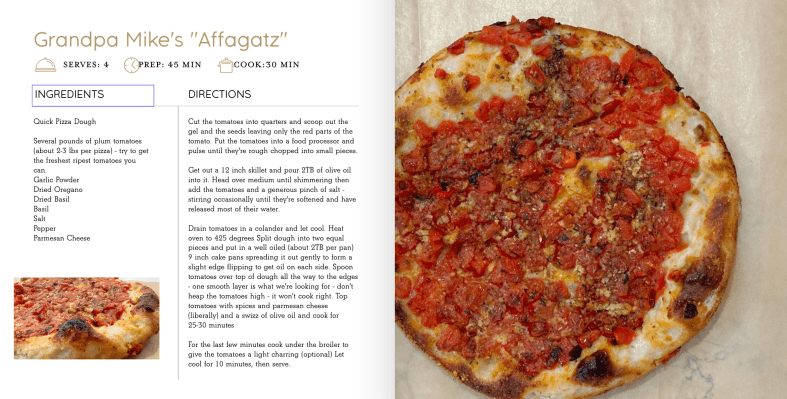
My recipes were easy – bit by bit I imported  them into OneNote and formatted them into a logical cookbook format (ingredients, methodology, cook time, etc.). My family’s  recipes were a bit harder as most of them were never written down. I narrowed them down to a few that I felt were important enough to include then dredged my memory to try to recall the ingredients and methods that were used. I had to get creative and try different approaches but I think I came as close as I possibly could.  I did have a copy of my grandmother’s recipe notebook which contained all her baking recipes. The only issue there was it was written completely in Italian. Luckily I was learning Italian this year as well so it was a win-win translating the ingredients and instruction into English!

As I was developing these I took lots of pictures but there were some recipes where I either didn’t have a photo or the ones I did have weren’t very good. I absolutely was shameless in finding a stock photos that looked exactly like what I made only with better lighting. I wasn’t trying to publish this book so I didn’t concern myself with the ethics of that decision, I just know some of these stock photos were really good and representative of what I was putting out.

I tinkered with InDesign to see if I could make a standard cookbook but instead opted for a web service as their drag and drop methodology was much easier to work with and I could see in real time what the results would be.

All in all I was happy with how it turned out – going to wait until a sale comes around on the book publishing site before I get a physical copy – sometimes those coupons they send can be a real value!

Worldwide Food Tour – Senegal

Maafe has its origins in the Manding (Mande) people, who historically inhabited present-day Senegal, Mali, and Guinea. It is believed to have been created centuries ago, when groundnuts (peanuts) were introduced to Africa through Portuguese traders in the 16th century.

Over time, peanuts became a staple crop in West Africa, leading to the development of rich, peanut-based stews like Maafe. The dish spread across the Sahel region, becoming a fundamental part of the cuisines of Mali, Gambia, Guinea, Nigeria, and Ivory Coast.

While Maafe is most closely associated with Senegal, it is widely popular across Francophone West Africa, with slight variations in ingredients and cooking techniques depending on the region.


What is Maafe?

At its core, Maafe is a peanut-based stew, thickened with tomatoes, spices, and vegetables, and often served with rice, couscous, or fufu. The dish’s rich, nutty flavor is balanced by the acidity of tomatoes, the savoriness of slow-cooked meat, and the earthy warmth of West African spices.

Essential Ingredients of Maafe:

  • Meat (or Protein): Typically chicken, beef, lamb, or even fish. Some vegetarian versions use tofu or chickpeas.
  • Peanut Butter (Groundnut Paste): The defining ingredient, giving the dish its signature creamy texture and nutty richness.
  • Tomatoes & Tomato Paste: Adds depth, acidity, and umami.
  • Onions & Garlic: Provide a strong aromatic base.
  • Vegetables: Often includes carrots, sweet potatoes, cabbage, okra, or potatoes for added heartiness.
  • Spices:
    • Ginger & Bay Leaves – For warmth and fragrance.
    • Chili Peppers or Scotch Bonnet – For a spicy kick (Maafe can be mild or fiery!).
    • Cumin & Coriander – For subtle earthiness.
  • Stock or Water: Helps create the luscious, thick sauce.

Some regional versions add coconut milk for extra creaminess, while others incorporate mustard, tamarind, or fermented locust beans for a deeper umami flavor.


Tasting Notes: A Perfect Balance of Nutty, Savory, and Spicy

A bowl of Maafe is deeply satisfying and complex:

  • The peanut butter gives it a creamy, silky texture, coating every bite with rich, nutty flavor.
  • The tomatoes add a bright acidity, balancing the richness of the groundnuts.
  • The meat is fork-tender, infused with the slow-simmered spices and sauce.
  • The vegetables absorb the flavorful broth, adding natural sweetness and texture.
  • The spices and chili bring a gentle heat, making every bite warming and fragrant.

Maafe’s comforting richness makes it the perfect dish for both everyday meals and festive occasions.


How Maafe is Served

Maafe is traditionally enjoyed as a communal meal, served with a starchy base to soak up the flavorful sauce.

Common Accompaniments:

  1. Steamed White Rice – The most common pairing, allowing the peanut sauce to shine.
  2. Couscous – Popular in Senegal and Mali, giving a light, fluffy contrast to the thick stew.
  3. Fufu (Pounded Yam or Cassava) – A traditional West African choice, perfect for scooping up the sauce.
  4. Bread – Sometimes served with crusty baguette (a French colonial influence).

In Senegal, Maafe is often eaten family-style, with people gathered around a large communal bowl, scooping up the stew with rice or bread.


Beyond Senegal: Maafe’s Influence Across West Africa

While Maafe is most famous in Senegal, it has many variations across West Africa:

  • In Mali, it’s called Tigadegena and often includes more vegetables.
  • In Gambia and Guinea, it is spicier and sometimes made with fish instead of meat.
  • In Nigeria and Ghana, peanut stews are similar but use local spices and ingredients.

No matter the version, the rich, nutty, and deeply comforting essence of Maafe remains the same.


Why Maafe is One of Senegal’s Most Beloved Dishes

Rich & Flavorful – A perfect harmony of peanuts, tomatoes, and spices.
Comforting & Hearty – A warming, satisfying meal that fills you up.
Versatile – Can be made with chicken, beef, lamb, fish, or even vegetarian.
A Dish with History – A centuries-old recipe with deep cultural roots in West Africa.
Perfect for Sharing – A communal dish that brings people together over good food.

Whether you’re enjoying it in Dakar, Bamako, or your own kitchen, Maafe is a taste of West African tradition in every spoonful.

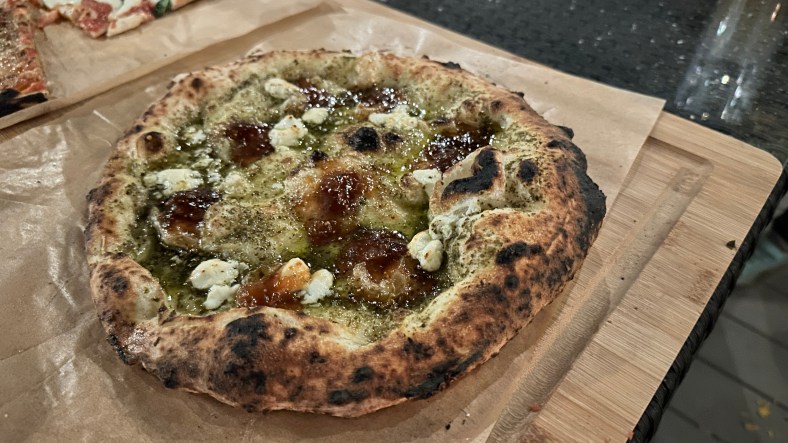
Pizza: Pesto sauce with fig jam and goat cheese

This one is a crowd favorite.

Maybe 15 years ago someone gifted me a food basket and it had some fig jam in it. I tried some on crackers and it was pretty good but it was a big jar and I was wondering what I could possibly do to use up all this fig jam.

I was having some friends over for some pizza in a few weeks and I started to brainstorm how I could integrate the jam into a pizza. I knew the jam was really sweet so I needed a savory counterpart so that was the goat cheese and I didn’t think a tomato sauce would mesh well with the jam so I made a savory pesto sauce to use as the base.

here’s the fun part – I didn’t test it out. I ran out of time and just made the pizzas and watched people for their reactions. Fortunately for me almost everyone had the same reaction ‘This in interesting let me try it and see.. ohhhh my GOD give me more!’

This is a pizza that stays in the rotation and when people come over for pizza nights they almost always request it so I keep a jar of fig jam in the fridge next to the peso on the off chance I want to make one of these pizzas on short notice!

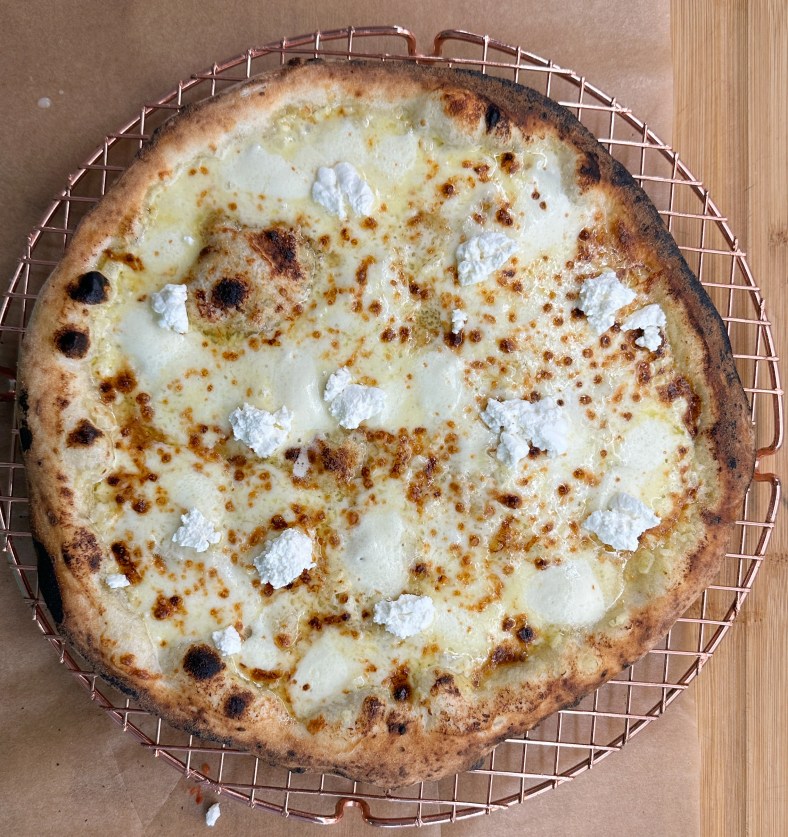
Tony’s White Pie

I came into the white pie lifestyle later in life. I was a read sauce kinda guy then one day there was a meetup with friends and someone insisted I try the white pie. It was revelatory but I thought to myself I could improve this.

How did I improve it? Garlic. a LOT of garlic. I made a quick bechamel but infused it with a ton of crushed garlic then added in a slight bit of red pepper flakes for something to cut through the richness of the sauce, the mozzarella, the ricotta, and the Parmesan cheese.

It seems like it would be too much but somehow it works and the flavors all meld together to make something special. I’s my wife’s favorite pizza and whenever I have company over for some pizzas it’s usually one of the ones I break out to impress the crowd.

Worldwide Food Tour: India

This week our worldwide food tour takes us to India! Starting with Chana Masala a moderately spicy vegetarian chickpea curry paired with fresh naan bread and finally a Mango Lasi to help curb the bite of the spicy curry.

Difficulty: 3/5
Taste: 4/5

The curry was pretty basic, just chickpeas simmered in a tomato based curry and finished with a healthy dose of garam masala. I left the seeds in from the peppers to give it a bit of a kick and the flavor was very curry forward with the heat on the back end. The naan was a bit more complicated – a basic enriched dough (made with yogurt) and proofed overnight. I cooked it on a piping hot cast iron skillet which did a pretty decent job of imitating a tandoor and it was pleasantly chewy and paired well with the curry. The lasi was pretty good but I felt the mango flavor was muted.