
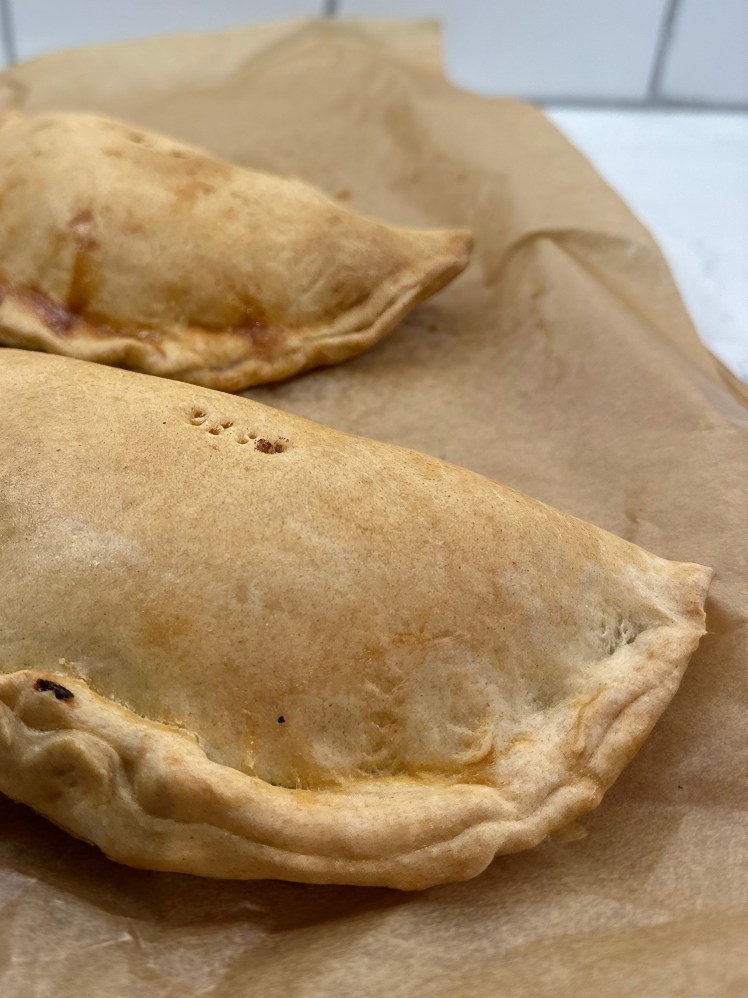
Worldwide Food Tour – England

A Culinary Symbol of Cornwall

Few dishes are as intrinsically linked to a place as the Cornish pasty is to Cornwall, England. This golden, crescent-shaped pastry has been a staple of Cornish life for centuries, woven into the cultural fabric of the region as both a practical meal and a symbol of local identity. While pasties exist in various forms around the world, the Cornish pasty is protected by Protected Geographical Indication (PGI) status, ensuring that only pasties made in Cornwall using traditional methods can bear the official name.

From the tin mines of the 18th and 19th centuries to modern-day bakeries and family kitchens, the Cornish pasty remains a beloved, hearty dish that represents the resourcefulness and culinary heritage of England’s rugged southwest.


The History: A Miner’s Best Friend

The Cornish pasty’s origins can be traced back to the 13th century, when similar pastry-wrapped dishes were eaten in England. However, it was during the 18th and 19th centuries that the pasty became synonymous with Cornwall, particularly among tin miners. These men worked long hours underground in dark, dangerous conditions, and they needed a meal that was both portable and sustaining.

The pasty was the perfect solution. Its thick, crimped edge served as a built-in handle, allowing miners to hold and eat the pasty without touching their food with dirty, arsenic-laden hands. Some pasties even had a savory filling on one side and a sweet filling on the other, providing both a main course and dessert in a single package.

Over time, the pasty became deeply embedded in Cornish culture, with generations passing down family recipes. Today, it remains an essential part of local food traditions, often celebrated at events like the World Pasty Championships held annually in Cornwall.


What is a Cornish Pasty?

A traditional Cornish pasty consists of a shortcrust or rough puff pastry encasing a filling of beef, potato, onion, and swede (rutabaga), all seasoned simply with salt and pepper. Unlike other meat pies, the filling is uncooked before baking, allowing the ingredients to steam inside the pastry, creating a distinctively rich and succulent flavor.

Key characteristics of an authentic Cornish pasty:

  • Shape: Always D-shaped with a crimped edge along one side
  • Filling: Beef, potato, onion, and swede—never pre-cooked
  • Seasoning: Only salt and pepper; no additional herbs or gravy
  • Pastry: A sturdy yet flaky crust designed to hold its shape

Once assembled, the pasty is baked until golden brown, developing a crispy, slightly blistered crust that locks in the filling’s juices.


Tasting Notes: A Hearty, Comforting Bite

A warm Cornish pasty delivers an immediate sense of comfort. The crust is crisp and slightly crumbly, giving way to a tender, buttery texture that contrasts beautifully with the steaming filling inside.

The beef is juicy and rich, enhanced by the natural sweetness of swede and onion. The potatoes add a soft, starchy element that binds the flavors together. Seasoned with just salt and pepper, the pasty allows the natural savoriness of the ingredients to shine without overpowering the dish.

A well-made Cornish pasty is deeply satisfying, offering a perfect balance of textures and flavors in every bite. It’s substantial but not heavy, making it an ideal meal on the go or a nostalgic taste of Cornwall’s working-class history.


Beyond Cornwall: A Global Favorite

Though firmly rooted in Cornwall, the pasty has traveled far beyond England’s borders. In the 19th century, Cornish miners emigrated to places like Michigan (USA), Australia, and Mexico, taking their beloved pasty with them. Today, pasties remain a staple in Michigan’s Upper Peninsula, where they are often served with gravy or ketchup—a regional twist.

Despite these adaptations, the Cornish pasty remains one of England’s most iconic dishes, a timeless comfort food that continues to tell the story of Cornwall’s history, resilience, and culinary tradition.

Worldwide Food Tour – England

A Dish Born from Frugality and Tradition

Few dishes in British cuisine are as cherished and steeped in tradition as Yorkshire pudding. Though humble in its ingredients, this golden, airy delight is an essential component of a traditional Sunday roast dinner in England. Originally devised as a way to make the most of a meager pantry, Yorkshire pudding has become a symbol of British culinary ingenuity, transforming simple batter into a crispy-yet-pillowy accompaniment.

Hailing from Yorkshire in northern England, this dish has been enjoyed for centuries, evolving from a frugal side dish to a nationally beloved comfort food. Whether served with roast beef and gravy, as part of a full meal, or even as a dessert with jam, Yorkshire pudding is a testament to the versatility of British cooking.


The History: A Clever Way to Stretch a Meal

Yorkshire pudding has its roots in the 18th century, when it was first recorded as “dripping pudding.” Before ovens had regulated temperatures, large joints of meat were roasted on spits over an open fire, with fat and juices dripping down into a pan placed below. Cooks in Yorkshire realized that if they poured a simple batter of flour, eggs, and milk into that pan, it would puff up and become a satisfying, crispy, and slightly chewy dish—perfect for filling up hungry diners before the costly meat was served.

The earliest known recipe appeared in Hannah Glasse’s 1747 cookbook, “The Art of Cookery Made Plain and Easy,” where it was officially named Yorkshire Pudding. Over time, the dish became a staple across England, particularly as a companion to roast beef in a traditional Sunday roast.

The importance of Yorkshire pudding in British culture is so profound that in 2008, the Royal Society of Chemistry even declared that a proper Yorkshire pudding must rise at least four inches to be considered authentic!


What is Yorkshire Pudding?

Despite its name, Yorkshire pudding is not a dessert like an American pudding but rather a savory baked dish made from a thin, pancake-like batter. It is light and airy on the inside while crispy and golden on the outside.

A classic Yorkshire pudding is made from four key ingredients:

  • Flour – Provides structure and crispness
  • Eggs – Help create a light, fluffy texture
  • Milk – Adds richness and forms a smooth batter
  • Beef Drippings or Oil – Essential for achieving a crisp, golden exterior

The secret to a successful Yorkshire pudding lies in extremely hot fat and a very hot oven. The batter is poured into preheated, smoking-hot muffin tins or a roasting pan with beef drippings, causing an instant sizzle that helps create the classic dramatic rise and hollow center.

It can be made in individual portions (muffin-sized) or as a large, pan-baked pudding that is sliced and served.


Tasting Notes: A Delicate Balance of Crisp and Airy

A well-made Yorkshire pudding delivers a satisfying contrast in textures:

  • The exterior is crisp and golden-brown, with a delicate crunch that shatters slightly as you bite in.
  • The interior is soft, eggy, and airy, almost like a popover or a soufflé, but with a bit more chew.
  • The flavor is rich and slightly savory, enhanced by the depth of the beef drippings if used. However, it remains neutral enough to soak up gravy, meat juices, or even sweet toppings like jam when served in different contexts.

Yorkshire pudding is best enjoyed fresh from the oven, when its textures are at their peak.


How Yorkshire Pudding is Served

1. The Classic: With Roast Beef and Gravy

The most traditional way to enjoy Yorkshire pudding is alongside roast beef, gravy, and vegetables in a Sunday roast dinner. The pudding is perfect for sopping up the rich, meaty juices, adding both texture and flavor to the meal.

2. As a Starter (Old Tradition)

Historically, Yorkshire pudding was served before the main meal, drizzled with gravy. This was a way to fill diners up cheaply before the more expensive meat was served.

3. Toad in the Hole

Another British classic, Toad in the Hole, takes the Yorkshire pudding batter and bakes sausages inside it, creating a heartier, more substantial dish.

4. As a Dessert

In some parts of England, Yorkshire pudding is even served as a sweet dish, topped with golden syrup, jam, or even cream—a testament to its versatility.


Beyond Yorkshire: A Dish Loved Around the World

While Yorkshire pudding is most famous in England, similar dishes exist in various forms across the world. The American popover is nearly identical, and the Dutch baby pancake shares many similarities but leans more toward the sweet side.

Today, Yorkshire pudding is a staple in British households and pub menus, and its reputation continues to spread globally. Whether paired with a roast, sausages, or even something sweet, Yorkshire pudding remains a timeless, comforting delight that embodies the heart and soul of English cuisine.

Worldwide Food Tour – Senegal

Maafe has its origins in the Manding (Mande) people, who historically inhabited present-day Senegal, Mali, and Guinea. It is believed to have been created centuries ago, when groundnuts (peanuts) were introduced to Africa through Portuguese traders in the 16th century.

Over time, peanuts became a staple crop in West Africa, leading to the development of rich, peanut-based stews like Maafe. The dish spread across the Sahel region, becoming a fundamental part of the cuisines of Mali, Gambia, Guinea, Nigeria, and Ivory Coast.

While Maafe is most closely associated with Senegal, it is widely popular across Francophone West Africa, with slight variations in ingredients and cooking techniques depending on the region.


What is Maafe?

At its core, Maafe is a peanut-based stew, thickened with tomatoes, spices, and vegetables, and often served with rice, couscous, or fufu. The dish’s rich, nutty flavor is balanced by the acidity of tomatoes, the savoriness of slow-cooked meat, and the earthy warmth of West African spices.

Essential Ingredients of Maafe:

  • Meat (or Protein): Typically chicken, beef, lamb, or even fish. Some vegetarian versions use tofu or chickpeas.
  • Peanut Butter (Groundnut Paste): The defining ingredient, giving the dish its signature creamy texture and nutty richness.
  • Tomatoes & Tomato Paste: Adds depth, acidity, and umami.
  • Onions & Garlic: Provide a strong aromatic base.
  • Vegetables: Often includes carrots, sweet potatoes, cabbage, okra, or potatoes for added heartiness.
  • Spices:
    • Ginger & Bay Leaves – For warmth and fragrance.
    • Chili Peppers or Scotch Bonnet – For a spicy kick (Maafe can be mild or fiery!).
    • Cumin & Coriander – For subtle earthiness.
  • Stock or Water: Helps create the luscious, thick sauce.

Some regional versions add coconut milk for extra creaminess, while others incorporate mustard, tamarind, or fermented locust beans for a deeper umami flavor.


Tasting Notes: A Perfect Balance of Nutty, Savory, and Spicy

A bowl of Maafe is deeply satisfying and complex:

  • The peanut butter gives it a creamy, silky texture, coating every bite with rich, nutty flavor.
  • The tomatoes add a bright acidity, balancing the richness of the groundnuts.
  • The meat is fork-tender, infused with the slow-simmered spices and sauce.
  • The vegetables absorb the flavorful broth, adding natural sweetness and texture.
  • The spices and chili bring a gentle heat, making every bite warming and fragrant.

Maafe’s comforting richness makes it the perfect dish for both everyday meals and festive occasions.


How Maafe is Served

Maafe is traditionally enjoyed as a communal meal, served with a starchy base to soak up the flavorful sauce.

Common Accompaniments:

  1. Steamed White Rice – The most common pairing, allowing the peanut sauce to shine.
  2. Couscous – Popular in Senegal and Mali, giving a light, fluffy contrast to the thick stew.
  3. Fufu (Pounded Yam or Cassava) – A traditional West African choice, perfect for scooping up the sauce.
  4. Bread – Sometimes served with crusty baguette (a French colonial influence).

In Senegal, Maafe is often eaten family-style, with people gathered around a large communal bowl, scooping up the stew with rice or bread.


Beyond Senegal: Maafe’s Influence Across West Africa

While Maafe is most famous in Senegal, it has many variations across West Africa:

  • In Mali, it’s called Tigadegena and often includes more vegetables.
  • In Gambia and Guinea, it is spicier and sometimes made with fish instead of meat.
  • In Nigeria and Ghana, peanut stews are similar but use local spices and ingredients.

No matter the version, the rich, nutty, and deeply comforting essence of Maafe remains the same.


Why Maafe is One of Senegal’s Most Beloved Dishes

Rich & Flavorful – A perfect harmony of peanuts, tomatoes, and spices.
Comforting & Hearty – A warming, satisfying meal that fills you up.
Versatile – Can be made with chicken, beef, lamb, fish, or even vegetarian.
A Dish with History – A centuries-old recipe with deep cultural roots in West Africa.
Perfect for Sharing – A communal dish that brings people together over good food.

Whether you’re enjoying it in Dakar, Bamako, or your own kitchen, Maafe is a taste of West African tradition in every spoonful.