DOUGHS DOUGHS DOUGHS

Throughout this challenge I came across alternate ways of making pizza dough using interesting raitos, methodologies or ingredients. Since I usually just made a cheese pizza with each of them (a nice baseline that lets me judge solely on the crust) I don’t think they need their own post, but I’m going to touch on them here and provide some notes

Rye/Wheat Pizza dough (Nancy Silverton)
This pizza dough was getting a lot of hype online and I was curious what the addition of rye flour would do for a pizza dough. So I tracked down her recipe and gave it a shot. The methodology was simple – it used a sponge (or biga) to preferment and the folding technique. The rest of the steps were easy enough to follow. The resulting pizza was tasty and definitely had an earthier flavor than I was used to which was kinda of nice. I think the issue I has was the recipe I was using was adapted for home ovens, and I cooked them at 900 in my outdoor pizza oven so they dried out a bit. I think I’d like to give this a go again but use the high heat formulas

No knead cast iron pizza
No kneading? No complex formulas to create a delicious pan pizza? Sign me up -I’ve got a cast iron pan and some time so lets go! There’s a bunch of versions of this out there but the most referenced one is here . It really couldn’t be simpler: Mix the ingredients then cover and wait. That’s it. Once the dough has risen put it in the pans, then rise again until they’re puffy. Sauce, cheese and fire on a baking stone or steel. The resulting crust was open and airy and crispy from the oil used and the cheese at the edges got crispy. Overall this was a really good pizza, and super easy.

“72+” Pizza (extreme fermentation)

I’m usually a 24-48 hour pizza fermenting guy – 36 hours is usually the sweet spot where the yeast has put in the work and the flavor and rise is where it needs to be for an amazing pizza. I found a pizza formula for 72 hours and decided to make three dough balls and make them at 72, 96, and 120 hours. It obviously used very little yeast and relied on time to make it happen. The dough at 72 was super easy to open and felt a bit delicate so I was careful to top and bake quickly. The dough definitely had a nice flavor and cooked up crisp. The 96 was a bit more delicate and I had to use a a bit more bench flour to ensure I didn’t rip the dough when opening it and it cooked up a bit flat – I suspect the yeast was starting to give out. The 120 was a problem as it felt like it would tear if I looked at it funny – so I setup the pie on parchment paper and shaped it gently into a square shape as opening it didn’t seem possible. What came out of the oven wasn’t that great it didn’t have a great bite and was almost a flatbread. I suspect if I wanted to ferment that long I’d need to change the yeast ratios to account for it as the original formula was only for 72.

Thin Crust (Bar Pie)
Who doesn’t love a cracker thin crust? Crispy yet tender this bar pie style pizza is super easy to shape as you roll it out with a rolling pin (so much easier with an industrial roller, but all I have is the pin, so..) parbake it to ensure the sauce doesn’t make it soggy then top and throw back in the oven. Charred edges, crispy crust lots of ‘ronis and you’ve got a good Friday night. This goes really good with an ice cold beer which makes sense!

Sourdough Pizza
What to do with all this sourdough discard I was creating in making a sourdough starter? The very first thing that came to mind was making sourdough pizza of course. I did some research and found a few common methodologies and the one that made sense was to use the discard with some fresh yeast to refresh the rising ability a bit. It was also useful in that I could make it in the morning and have pizza at night since the starter delivered most of the flavor elements a long rise in the fridge would give it. The first attempt wasn’t that great, I think the starter was a bit weak so I fed that bad boy a bit more frequently and the next time the dough rose much better and the pizza had a great sourdough flavor note. I suspect I’ll be using this a lot as I go through my sourdough phase.

Tortilla Pizza / Naan Pizza
Is this cheating? Probably but I wanted pizza and didn’t have dough available. What I did have was a bunch of flour tortillas in the pantry. So I looked online and I found a viral video of tortilla pizzas and decided that sure this could work. Dear readers – it did not. If you aren’t a pizza person and just want a hit of sauce and cheese then sure, this could work for you. I suspect that one of the issues can be that I had ‘extra soft and fluffy’ tortillas because that’s what my kids like. If I used standard thin tortillas maybe it would have been a different experience?

Building on this, I also has some garlic naan leftover and said – well what if I throw sauce and cheese on this? The first try was a disaster as naan is designed to absorb liquid and that’s what it did turning into a soggy mess. Try #2 was me putting down a solid layer of cheese first then saucing it and that one was actually pretty good.

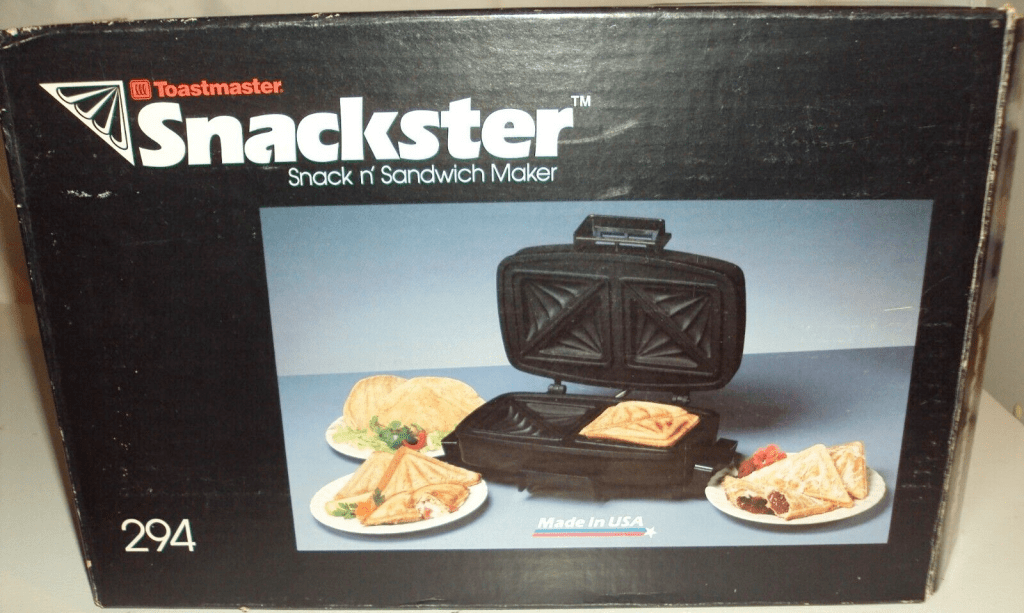
Bear with me here – I know these are pizza hacks. They are no substitute for a real dough that is made with love but if my research showed me anything its that a lot of people are doing this and who am I to judge their pizza happiness? One of my favorite memories as a kid is making hot pockets (back before they actually existed) by buttering two slices of bread and filling it with sauce and cheese and using that old school sandwich press. If doing these hacks makes people want to learn how to make their own pizza, isn’t that a good thing?
That’s what it all comes down to. Pizza is happiness – you make whatever pizza makes you happy. Except pineapple pizza. Stop it.

Goal Update: Visit 10+ Famous Pizza Places

I was at a work conference in Manhattan for a week and decided to seize this opportunity to squeeze in a few more famous pizza places into my year.

Joe’s Pizza on Broadway.
All the pizza people have a consensus that this is an exemplary NY slice and I was curious to give it a shot. The first thing you notice is the line – this was a random Tuesday in February and it stretched down the block. A quick peek inside showed that there were only a handful of tables and most people were sitting on the benches outside eating their pizza in the cold. I did some quick mental math and saw the line was going to be at least 45 minutes at the pace it was moving at so I did the logical thing and called in an order. I used the time to wander around and poke into some stores that were open and when I came back I walked in an grabbed my pie. However all the benches were taken and there were no seats available inside so I did the needful and ate with the box perched on the trash can outside on the sidewalk. The pizza was good – a perfect balance of sauce and cheese with a crispy crust with zero flop. I wasn’t blown away like some people were (perhaps because I’ve eaten a lot of NY style pizza over the years) but it was a really good slice that is a true representation of NY Style

Score 9.7

Lombardi’s – Little Italy
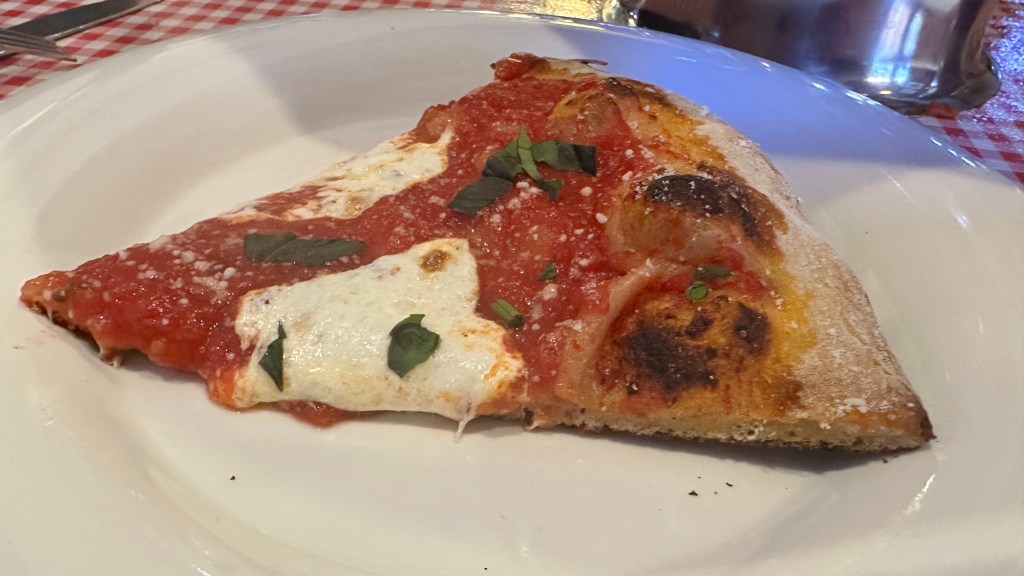
There are mixed reviews of this place – some state that they used to be great but when the owners changed it all went downhill. I decided that since it’s been there forever and is a landmark it still needed a visit. It’s a quaint place in the heart of little Italy and had the requisite red and white checkered tablecloths and pictures of celebrities who came to eat there. I ordered the margherita style pizza and a root beer (classic pairing) and he brought me a 8 ounce fountain root beer (no free refill signs are all over the place, mind you) so that’s not a great start. If you’re going to charge 4 bucks for a fountain soda make it at least 20 ounces. Then the pizza came out and it was tiny – I re-read the menu and the size of the pizza is mentioned there but 28 bucks for a 12 inch pizza? It also was dry and the sauce was too salty and the cheese was barely there. It’s obvious whoever owns it now is trading on the reputation of the original and is cost cutting wherever possible. If it was 10 bucks I’d have been more charitable – I’ve had NY dollar slices that had more flavor. The fact I was the only one there during prime lunch hour should have been my first clue.

Score 4.7

Rubirosa – Little Italy

This one snuck up on me – I had no idea this place was here but every reddit thread and pizza forum that talked about NYC pizza said this was the go to thin crust spot. It’s a small corner spot in little Italy and when I went they were pretty crowded – I got a spot at the bar and was waffling between the tie dye pizza and classic cheese when the bartender offered up that I could get half and half. I decided to give it a try so i could try both options. The pizza came out and it was huge and the crust was super thin and shattered when you bit into it. The cheese pizza was tasty but I felt like the sauce was a bit one note and the pesto glaze on the tye dye was good but it felt like there was something else in the pesto that gave it an off flavor. I still enjoyed the pizza for what it was – a good example of thin crust pizza. While I was there I noticed a lot of people were actually getting the pasta. If I wasn’t pressed for time and have eaten have a giant pizza I’d have tried some because it looked amazing. Next time I’m in the area I might need to stop in for some.

Toppings Topping Toppings!

In the beginning, and some weeks through this year I didn’t feel up for the research and effort new styles of pizza required so I went to my standard New York style pizza dough and just played with different toppings. [Shout out to Tony Gemignani’s method for a great dough] This was usually informed by whatever was fresh at the grocer, leftover cheese in the fridge or sometimes even what I had in the pantry. Instead of making a bunch of different posts – I decided to collate them all into one post since they all share the same base.

Three Cheese Pizza
This is a pretty standard pizza found in the NJ/NY area but I mixed it up by starting with a heavy layer of Parmesan, then dry mozzarella, then finishing with chunks of fresh mozzarella. I liked the clean milky taste of the fresh mozzarella as a counterpoint to the salty parmesan. A healthy dusting of Sicilian oregano and we have a winner!

Brooklyn Pie
What to do when it’s tomato season and you have an amazing fresh tomato at peak ripeness? Make a Brooklyn pie of course. The sauce base is just pureed pure plum tomatoes, large slices of fresh mozzarella (having an Italian Deli in town sure is helpful),s ome thin slices of said tomato and basil leaves from the garden

Prosciutto Pizza
I had some delicious prosciutto left over from something and decided to use it on a pizza. I knew one thing up front, you shouldn’t fire the pizza with the prosciutto on it so I went with a simple sauce of just pureed tomatoes and I wanted a light cheese so fresh mozzarella was the pick here. I fired it in the ooni and as soon as it came out I layered on the paper thin prosciutto and watched the fat start to melt into the pizza and knew this was going to be amazing. The trick it the meat has to be thin – none of this grocery store prepackaged stuff – go to an Italian deli and get it sliced super thin for best results.

Roasted Red Pepper Pizza
I had a bunch of jarred red peppers left over from a recipe and decided they needed to end up on a pizza. I knew that they had a flavor punch and were oily so some dry mozzarella was the go to here and I knew I wanted to ramp up the flavor a bit so I made a more robust sauce and added some red pepper flakes to it to counter the sweetness of the red peppers with a bit of heat. The only notes I had was to cut the red peppers into smaller slices, the texture of an entire red pepper was a bit much

Tex-Mex Pizza
Jersey Corn is some good corn – sweet and plentiful in the early fall and what else utilizes a lot of corn? Tex Mex cooking, that’s what. I tinkered with this a few times as the first try was pretty bland and I learned that the high heat of the pizza oven just isn’t enough to cook the corn so charring it on a grill before it goes on the pizza was the key there. I used pepper jack as the cheese and thin sliced red onions to provide a sweet element. Adding a bit of salsa at the end was universally panned as a bad option so if I make this again that salsa will remain in the pantry!

Meat Lovers Pizza
I don’t know why I waited to long to bust this bad boy out – I love pizza and I love meat so this marriage seemed to be destiny. I didn’t want to have a greasy mess to I limited it to sweet Italian sausage, meatballs, pepperoni, and crumbled bacon. Hmmm.. healthy. I cooked the bacon in the oven until crisp and added it at the end because otherwise it would have been a greasy mess. This was amazing – every bit was a meat enhanced flavor experience and if my cholesterol would allow it, I’d eat this all the time!

BBQ Chicken Pizza
Have a bunch of leftover BBQ chicken? Throw it on a pizza (I mean, that’s my first thought for most leftovers really). I knew I wanted to have that summer BBQ vibe for this pizza so I started thinking what can I grill to add some smoky flavor to this and settled on some corn and red onions. Grilling them up until they were slightly charred and adding them right at the end of the firing turned out to work great. The general feedback was the flavors were good but it was missing something – I’ll keep working on this until I figure it out. I suggested BBQ sauce and we tried a little bit on a slice and that’s.. not the answer.

Pineapple Pizza
Pineapple on pizza is nothing short of an insult to the very soul of Italian cuisine, a culinary abomination that defies centuries of tradition and the fundamental principles of balance, flavor, and respect for ingredients. Italian cooking is rooted in the idea that simplicity, seasonality, and harmony between flavors create perfection, and yet this tropical atrocity throws all of that out the window by introducing an aggressively sweet, watery, and acidic fruit onto a dish that was never meant to accommodate such an outlandish ingredient. The sheer audacity of pairing pineapple’s syrupy sugariness with the rich, savory depth of tomato sauce and mozzarella is an assault on the palate, a chaotic clash that drowns out the natural umami of the cheese and ruins the delicate interplay of flavors that make pizza an art form. Italians have spent centuries perfecting pizza, from the humble Neapolitan Margherita to the crisp Roman al taglio, all with an emphasis on balance and authenticity—yet somehow, this foreign corruption has spread like a virus, defiling menus worldwide. It is an offense not only to taste but to history, a mockery of the craftsmanship and passion that goes into every true Italian pizza. If there were any culinary justice in the world, pineapple on pizza would be banned outright, confined to the realm of misguided food experiments never to be spoken of again in the presence of serious pizza lovers.

But my wife loves it, so here we are. Happy wife and all that.

Sun dried tomato and artichoke with hot honey and basil oil

While brainstorming on what pizza to make that week I decided to raid the pantry and see what we’ve got. I found a bottle of sundried tomatoes, some artichoke hearts, some hot honey and a mostly empty bottle of basil oil. I looked at my pantry haul and shrugged ‘yeah. these should all go on a pizza together’ I opted for a simple tomato sauce as the oil from the sun dried tomatoes packs a ton of flavor and would overpower any delicate flavors I had on there. Some mozzarella mixed with provolone provided a nice salty background note the artichoke hearts got slightly charred in the oven which was a nice flavor. I added the. honey and oil at the end to preserve their delicate fresh flavors. The pizza was.. OK there was just too much going on. Too many flavors and textures competing. Sometimes that works but in this case it detracted from the finished product. It wasn’t bad though, so I did eat it but next time I’d go simpler.

SIX Cheese Pizza
We did three cheeses – lets go bigger! Four cheese? NO! FIVE CHEESE? HAHA Try SIX CHEESE! Is this because you had a bunch of leftover cheese in your fridge you wanted to use up? Yes. That’s exactly how this came about. I had some provolone, fontina, mozzarella, fresh mozzarella, ricotta and parmesan. I used a standard tomato base and ensured an even mix of the fontina, provolone, and mozzarella to ensure a good coverage. I started with a heavy dusting of parmesan, added the mixed cheeses then fired that bad boy in the oven. When I pulled it out I dropped dollops of ricotta across the pizza and dusted with oregano and basil. This lactose bomb was delicious and I ate almost the entire thing somehow all the cheeses worked in synergy and created a singularity of cheese. 6/5 Stars

Tre Sugo
I stole this idea from a pizza place near me – they made a standard pizza cheese first then striped three different sauces over the pizza – Tomato sauce, Pesto, and vodka sauce. I really liked that idea. They did it with a spiral pattern with one of those spinning sauce dispenser things but that seemed like too much work so I just striped the entire pizza in strips of different sauces so every bite you got a bit of each. It was really good – the only drawback was that the pesto was really strong and tended to overpower the other two sauces. I think if I make this again, I’ll make it a pesto cream sauce which I think would complement the other sauces better.

sfincione

If you think pizza means a thin, round, crisp-bottomed crust with neatly arranged toppings, sfincione (pronounced sfeen-cho-nay) is here to shake up your expectations. This is not your typical pizza—it’s thick, spongy, loaded with flavor, and dripping with history. The name itself comes from the Latin spongia, meaning sponge, which is fitting given its airy, focaccia-like texture. But while it shares some DNA with focaccia, sfincione is an entity all its own, thanks to its signature sauce and toppings that make it uniquely Sicilian.

Sfincione traces its roots back centuries, long before the modern pizza we know today took over the streets of Naples. Sicily, with its complex history of Greek, Arab, Norman, and Spanish influences, has always been a place of culinary fusion, and sfincione is no exception. Legend has it that this hearty, sauce-laden creation originated in Palermo, specifically in the kitchens of monasteries, where nuns baked it for religious feasts. It was a special treat, richer and more flavorful than everyday bread, but still simple and affordable enough for the common people. Unlike Neapolitan pizza, which became an icon of street food, sfincione was traditionally made at home, particularly around Christmastime, when families would gather to bake enormous trays of it to share.

What sets sfincione apart is its unapologetically bold sauce—a slow-cooked blend of tomatoes, onions, olive oil, and sometimes anchovies, creating a deeply savory and slightly sweet flavor. Unlike the fresh tomato-and-basil simplicity of Neapolitan pizza, sfincione’s sauce is more like a jammy, concentrated stew, meant to seep into the soft, porous dough. Speaking of the dough, it’s thicker and softer than most other pizza styles, but never heavy. It bakes up light and airy on the inside, with a crispy, olive oil-kissed crust on the bottom.

The toppings are just as distinctive. Instead of the classic mozzarella that dominates most pizzas, sfincione is typically topped with caciocavallo, a cheese that brings a sharp, tangy bite. If you’ve never had caciocavallo, imagine a firmer, more pungent cousin of provolone. Some versions also include grated pecorino for extra saltiness. Another key ingredient is the breadcrumb topping—yes, breadcrumbs on pizza! Sicilians have a knack for using breadcrumbs as a way to add texture and stretch ingredients further, and here they serve the dual purpose of soaking up all that rich sauce while adding a satisfying crunch.

Sfincione’s appearance might surprise those used to picture-perfect, symmetrical pizzas. It’s often baked in large, rectangular trays and cut into square slices, its surface an uneven, glorious mess of sauce, cheese, and crispy bits. Some versions are even more rustic, with no cheese at all, relying solely on the onions, anchovies, and breadcrumbs for flavor. This is especially true in Bagheria, a small town near Palermo, where locals fiercely defend their cheese-less, extra oniony version of sfincione as the “real” one.

Though sfincione remains a Sicilian specialty, it has made its way beyond the island. Sicilian immigrants carried their pizza traditions with them to the United States, where sfincione became the blueprint for what we now call Sicilian-style pizza—a thicker, rectangular pie that’s popular in pizzerias from New York to Detroit. But there’s a key difference: American Sicilian pizza usually has mozzarella and a more standard tomato sauce, whereas authentic sfincione stays true to its roots with its onion-laden, breadcrumb-topped goodness.

In Sicily, you don’t have to look far to find sfincione. Bakeries, street vendors, and old-school panifici (bread shops) sell it fresh from the oven, its scent wafting through the air, luring hungry passersby. It’s often sold in squares, wrapped in brown paper, and eaten on the go. In Palermo, you’ll even find sfincionari, street vendors who peddle their wares from three-wheeled carts, calling out “Scarsu di carni, ma chinu di sustanza!” which roughly translates to, “Low on meat, but full of substance!”—a proud nod to the pizza’s humble, meat-free but flavor-packed nature.

Sfincione is more than just a regional variation of pizza—it’s a slice of Sicilian history, a reflection of the island’s resourcefulness, and a testament to how a few simple ingredients can create something utterly delicious. Whether you’re lucky enough to try it in a bustling Sicilian market or decide to bake it at home, one thing is certain: sfincione is a pizza that tells a story, one crunchy, saucy, cheesy bite at a time.

Worldwide Food Tour – Sweden

A Classic of Swedish Comfort Food

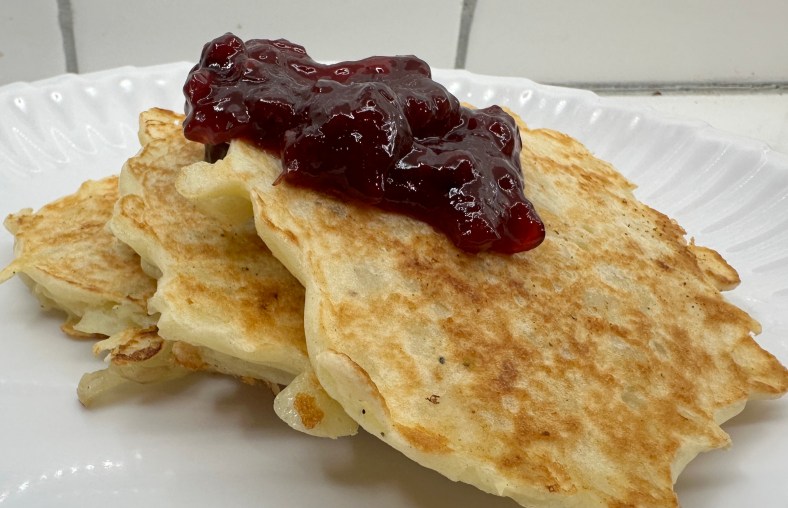
Raggmunk is Sweden’s beloved potato pancake, a dish that combines the crispy goodness of fried potatoes with the heartiness of a traditional Swedish meal. Served with fried pork (fläsk) and lingonberry jam, this dish represents the perfect balance of savory, crispy, and sweet flavors.

Often enjoyed during the colder months, Raggmunk is a staple of Swedish home cooking and a favorite in traditional restaurants across Sweden. While it shares similarities with potato pancakes from other cultures, the unique Swedish combination of pork and lingonberries makes Raggmunk a distinct and unforgettable dish.


The History: A Dish Born from Simplicity

Potatoes became a staple ingredient in Sweden in the 18th century, and creative ways to prepare them quickly spread throughout the country. Raggmunk was first recorded in the early 1900s, originating in southern and central Sweden, where potatoes were plentiful.

The name “Raggmunk” roughly translates to “hairy pancake,” a reference to the crispy, grated potato strands that give the dish its signature texture. Unlike hash browns or Rösti, Raggmunk is made with a thin pancake batter, allowing it to be light, crispy on the edges, and slightly chewy in the center.

Traditionally, Raggmunk is served with fried pork (often thick bacon or salted pork belly) and lingonberry jam, reflecting Sweden’s love for combining savory meats with tart, sweet berries.


What is Raggmunk?

Raggmunk is a thin potato pancake, made by combining grated potatoes with a light batter of flour, milk, egg, and salt. The mixture is fried in butter until golden and crispy, then served with pan-fried pork and lingonberry jam.

Essential Ingredients of Raggmunk:

  • Potatoes (fast & starchy varieties work best) – The main ingredient, grated finely.
  • Flour – Just a small amount, to create a light pancake batter.
  • Milk – Adds smoothness to the batter.
  • Egg – Helps bind the pancake together.
  • Salt & Butter – For seasoning and frying.
  • Fried Pork (Fläsk) – Thick bacon or pork belly, fried until crispy.
  • Lingonberry Jam – A sweet-tart element that balances the dish’s richness.

Unlike hash browns or latkes, which rely on eggs and flour to bind grated potatoes together, Raggmunk uses a thinner pancake batter, resulting in a crispier and lighter texture.


Tasting Notes: A Perfect Blend of Crunchy, Salty, and Sweet

Raggmunk delivers a satisfying contrast of textures and flavors:

  • The pancake edges are crispy and golden, while the inside remains soft and slightly chewy.
  • The fried pork adds a deep, salty umami flavor, complementing the mild potato base.
  • The lingonberry jam brings a bright, tart sweetness, cutting through the richness of the pork and butter-fried pancake.

Every bite is a combination of crunchy, juicy, salty, and sweet flavors, making Raggmunk a true Swedish comfort food.


How Raggmunk is Served

Raggmunk is best enjoyed hot and fresh from the pan, typically in a simple, traditional Swedish meal setting.

Traditional Serving Style:

  1. A plate with two or three crispy Raggmunk pancakes.
  2. A generous serving of fried pork (fläsk), either bacon strips or thick-cut salted pork belly.
  3. A spoonful of lingonberry jam, served on the side.

Unlike some other potato pancakes that are topped with sour cream or applesauce, the Swedish version sticks to the classic combination of pork and lingonberries, highlighting Sweden’s culinary preference for salty-sweet contrasts.


Variations of Raggmunk

While the traditional Raggmunk is beloved across Sweden, there are a few regional variations:

  • Potatisplättar – A thinner, more delicate potato pancake, often served without pork.
  • Råraka – A simpler version made only with grated potatoes, fried crisp without any batter.
  • Modern Takes – Some chefs experiment by adding cheese, herbs, or smoked fish for a contemporary twist.

Despite these variations, the classic Raggmunk with pork and lingonberries remains the ultimate Swedish comfort meal.


Why Raggmunk is a Swedish Classic

Crispy, Golden, and Delicious – A perfect potato dish with irresistible texture.
A Harmony of Flavors – The salty pork, sweet lingonberries, and crispy pancake create a balanced, deeply satisfying meal.
Easy to Make – Requires only a few basic ingredients, making it a home-cooked staple.
A Taste of Swedish Culture – A dish that has been loved for over a century, found in homes and traditional restaurants.

Raggmunk is Swedish food at its bestsimple, hearty, and absolutely delicious. Whether you’re trying it for the first time or grew up eating it, this dish is a must-try for lovers of comfort food.

Worldwide Food Tour – Norway

Kjøttkaker, Norway’s beloved homemade meatballs, are a hearty, rustic dish that embodies Norwegian home cooking and family traditions. Unlike the smaller, delicate Swedish meatballs (köttbullar), Norwegian kjøttkaker are larger, coarser, and more rustic, served in a rich brown gravy (brun saus) with potatoes, lingonberry jam, and mushy peas.

This dish is a symbol of Norwegian heritage, often passed down through generations and enjoyed at both everyday family dinners and festive gatherings. Whether served in a cozy kitchen in Oslo or at a countryside farm, kjøttkaker remains one of Norway’s most cherished comfort foods.


The History: A Dish Rooted in Norwegian Traditions

The word “kjøttkaker” literally means “meat cakes”, reflecting the dish’s simple yet hearty nature. Meatballs have existed in various forms throughout Scandinavia and Europe for centuries, but Norway’s version has remained uniquely rustic, emphasizing bold flavors and a thick, satisfying texture.

Historically, Norwegian farmers relied on locally available meats, such as beef, pork, or a mix of both, making kjøttkaker an essential protein-rich meal during the cold winters. The dish became widespread in the 19th century, as Norwegian families cooked large batches, stretching their meat supply by adding flour or breadcrumbs to the mixture.

Today, kjøttkaker is still a staple of Norwegian cuisine, featured in both home kitchens and traditional restaurants, and often enjoyed on Sundays as part of a classic family meal.


What is Kjøttkaker?

Kjøttkaker are Norwegian-style meatballs, made with ground beef (sometimes mixed with pork or lamb), onions, and a blend of warm spices, pan-fried to a golden brown and then simmered in a rich, savory brown gravy (brun saus).

Essential Ingredients of Kjøttkaker:

  • Ground Beef or Pork (or a mix) – The base of the meatballs, providing hearty flavor.
  • Onion – Adds depth and natural sweetness.
  • Milk & Breadcrumbs (or Flour) – Helps keep the meatballs tender while binding them together.
  • Egg – Adds structure and moisture.
  • Salt & Pepper – Essential seasoning for balanced flavor.
  • Spices:
    • Ground nutmeg and ginger (common in traditional recipes).
    • Allspice (optional) – Adds a mild warmth, similar to Swedish meatballs.

The Brown Gravy (Brun Saus):

  • Made with butter, flour, beef stock, and sometimes a splash of cream, the gravy is thick, rich, and comforting—perfect for coating the meatballs.

Tasting Notes: Hearty, Savory, and Deeply Satisfying

Kjøttkaker delivers a robust and comforting flavor, with a texture that is coarse yet tender.

  • The meatballs are juicy, slightly firm, and well-seasoned, absorbing the flavors of the gravy.
  • The gravy is thick and deeply savory, with a buttery richness that enhances every bite.
  • The side dishes (potatoes, lingonberry jam, and peas) add balance, offering a mix of earthy, sweet, and fresh flavors.

This dish is the ultimate Norwegian comfort food, perfect for cold winter nights or a nostalgic family meal.


How Kjøttkaker is Served

Kjøttkaker is traditionally served as part of a classic Norwegian meal, typically alongside potatoes and vegetables.

Traditional Serving Style:

  1. Kjøttkaker (Norwegian Meatballs) – Pan-fried and simmered in brun saus (brown gravy).
  2. Boiled or Mashed Potatoes – A staple side dish, soaking up the rich sauce.
  3. Lingonberry Jam (Tyttebærsyltetøy) – A sweet, tart contrast to the savory meatballs.
  4. Stewed Peas or Root Vegetables – Common sides include mashed peas, carrots, or cabbage.
  5. Flatbrød (Norwegian Crispbread) (Optional) – A crunchy side often served in rural areas.

Many Norwegians also enjoy kjøttkaker as leftovers, reheated the next day for an even richer, more flavorful experience.


Beyond Norway: Kjøttkaker’s Scandinavian Cousins

While uniquely Norwegian, kjøttkaker shares similarities with other Scandinavian meatball dishes:

  • Swedish Meatballs (Köttbullar): Smaller, smoother in texture, and served with creamier gravy.
  • Danish Frikadeller: Flattened, pan-fried meat patties with a crispier texture.
  • Finnish Lihapullat: Similar to Swedish köttbullar but often seasoned with allspice.

Despite these similarities, Norwegian kjøttkaker remains distinct for its larger size, rustic texture, and deep brown gravy.


Why Kjøttkaker is a Norwegian Classic

Rich, Hearty, and Comforting – Perfect for cold weather and family meals.
Traditional Yet Easy to Make – A staple of home cooking with simple ingredients.
A Balance of Flavors – The savory meatballs, rich gravy, and sweet lingonberries create a perfect harmony.
Deeply Rooted in Norwegian Culture – A dish enjoyed for centuries across generations.

Whether enjoyed in a traditional Norwegian home or at a cozy countryside inn, kjøttkaker is a dish that warms both the body and soul.

Worldwide Food Tour – Switzerland

Swiss cheese fondue is a smooth, melted cheese dish, typically made with a blend of two or more cheeses, white wine, garlic, and seasonings, served in a fondue pot over a low flame.

Essential Ingredients:

  • Swiss Cheeses: The most traditional choices are:
    • Gruyère – Aged, nutty, and slightly sweet.
    • Emmental – Mild, slightly fruity, and smooth.
    • Vacherin Fribourgeois – A creamy cheese, used in moitié-moitié fondue (half Gruyère, half Vacherin).
  • White Wine: Helps melt the cheese smoothly and adds acidity to balance richness.
  • Garlic: Rubbed inside the pot for flavor.
  • Kirsch (Cherry Brandy): Adds a subtle kick (optional).
  • Cornstarch or Flour: Helps prevent the cheese from separating.
  • Nutmeg & Black Pepper: Traditional spices for warmth and depth.

Some regional variations use different cheese blends or add herbs, mushrooms, or even tomatoes for unique flavors.


Tasting Notes: A Rich, Creamy, and Savory Indulgence

A well-made cheese fondue delivers a perfect balance of creamy, nutty, and slightly tangy flavors:

  • The texture is silky and smooth, coating each bite perfectly.
  • The flavor is deeply savory, with the cheeses’ richness enhanced by the wine’s acidity.
  • Hints of garlic and nutmeg add complexity, making each bite warm and aromatic.
  • The crispy, toasted bread contrasts beautifully with the melted cheese.

Each dip into the pot is a comforting, decadent delight, making fondue a dish that satisfies both the palate and the soul.


How Cheese Fondue is Served

Fondue is traditionally enjoyed as a communal meal, with a pot of melted cheese in the center and various dipping ingredients around the table.

Traditional Dippers:

  1. Crusty Bread – The classic choice, cut into bite-sized cubes.
  2. Boiled Potatoes – Adds a hearty, starchy balance to the cheese.
  3. Steamed Vegetables – Broccoli, cauliflower, or asparagus work well.
  4. Pickles & Cornichons – Their acidity cuts through the richness.
  5. Dried or Cured Meats – Adds extra protein and texture (optional).

Serving Tip: Each person uses a long fondue fork to dip their food into the cheese, swirling gently to coat it evenly.


Fondue Etiquette: The Swiss Way

In Switzerland, cheese fondue is more than a meal—it’s a tradition with its own set of rules:

Stir the cheese in a figure-eight motion – Helps keep it smooth.
Never double-dip! – Each dip should be fresh.
If you drop your bread in the pot, there’s a penalty! – Often, the “punishment” is buying the next round of drinks.
Pair with dry white wine or tea – Avoid water, as it’s said to make the cheese sit heavy in the stomach.

These customs add fun and playfulness to the fondue experience, making it a true social event.


Beyond Switzerland: Cheese Fondue Variations

While traditional Swiss fondue remains the most famous, different regions and countries have created their own variations:

  • Fondue Savoyarde (France): Uses French cheeses like Comté and Beaufort.
  • Italian Fonduta (Italy): Made with Fontina cheese and egg yolks for a silkier texture.
  • Beer Fondue (Germany/Austria): Replaces white wine with beer for a maltier flavor.
  • Truffle Fondue: Some Swiss restaurants add black truffles for an elegant twist.

Despite these variations, classic Swiss cheese fondue remains the gold standard of this beloved dish.


Why Cheese Fondue is Switzerland’s Ultimate Comfort Food

Rich & Satisfying – A warm, melty cheese dish that is pure indulgence.
Perfect for Sharing – A social meal that brings people together.
Deeply Traditional – A dish with centuries of history and cultural significance.
Versatile & Customizable – Works with different cheeses, dippers, and flavors.
A Winter Essential – The ultimate cozy, cold-weather meal.

From Alpine chalets to urban fondue restaurants, Swiss cheese fondue remains a symbol of warmth, togetherness, and the simple joy of sharing good food.

Worldwide Food Tour – Hungary

Hungarian Ghoulash is one of Hungary’s most iconic and beloved dishes, a hearty, paprika-infused beef stew that has been enjoyed for centuries. Unlike thick, heavy stews, Hungarian goulash is a rich yet light dish, made with tender slow-cooked beef, sweet paprika, onions, and potatoes, resulting in a deeply flavorful, slightly spicy, and aromatic meal.

This dish is more than just food—it is a symbol of Hungarian culinary tradition, deeply rooted in the culture of Hungarian herdsmen, from whom it takes its name.


The History: A Dish of the Hungarian Great Plains

Goulash dates back to the 9th century, when Hungarian Magyar shepherds cooked slow-simmered meat stews over open fires, drying the meat to carry it on long journeys. When needed, they would rehydrate the dried meat with water, creating a simple but nourishing dish.

By the 18th century, paprika—introduced to Hungary from the Americas—became a staple ingredient, giving goulash its signature red color and rich depth of flavor.

Unlike the thicker, flour-thickened stews of Central Europe, authentic Hungarian goulash is brothy, aromatic, and rich with paprika, staying true to its humble pastoral origins.


What is Hungarian Goulash?

Hungarian goulash is a slow-cooked beef stew, flavored with sweet Hungarian paprika, onions, and other spices, often including potatoes, carrots, and sometimes csipetke (small Hungarian dumplings).

Essential Ingredients:

  • Beef: Traditionally shank, chuck, or shin, slow-cooked until fork-tender.
  • Onions: Provides a natural sweetness and thickens the broth.
  • Hungarian Sweet Paprika: The key ingredient, giving goulash its rich red color and smoky-sweet depth.
  • Carrots & Potatoes: Adds heartiness and texture.
  • Garlic & Caraway Seeds: Enhances the flavor.
  • Tomatoes (optional): Some modern versions include tomatoes, though traditional goulash relies on paprika for depth.
  • Csipetke (Hungarian Dumplings) (optional): Small pinched egg dumplings, added for extra texture.

Tasting Notes: A Perfect Blend of Savory, Smoky, and Sweet

Authentic Hungarian goulash is bold yet balanced:

  • The broth is rich and aromatic, infused with the warmth of sweet paprika.
  • The beef is fall-apart tender, soaking up the deep flavors.
  • The onions add a subtle sweetness, complementing the slight smokiness of the paprika.
  • The potatoes and carrots absorb the broth, making every bite satisfying.
  • The caraway seeds add an earthy, slightly citrusy note, elevating the dish.

Unlike thicker stews, Hungarian goulash has a light, broth-like consistency, making it both comforting and easy to eat.


How Hungarian Goulash is Served

Goulash is traditionally served as a main course, often accompanied by simple sides to absorb the flavorful broth.

Traditional Serving Styles:

  1. With Fresh Bread – A crusty Hungarian bread (kenyér) is perfect for soaking up the rich broth.
  2. With Csipetke Dumplings – Small, pinched flour dumplings added to the stew.
  3. With Pickled Vegetables – Tangy pickles contrast beautifully with the richness of the goulash.
  4. With Sour Cream (Optional) – Some regions add a dollop of sour cream for creaminess.

Though similar dishes exist across Austria, Germany, and Central Europe, Hungarian goulash remains distinct for its heavy use of paprika and lighter, brothier consistency.


Why Hungarian Goulash is a National Treasure

Rich Yet Light – A flavorful broth-based stew, not overly heavy.
Slow-Cooked Comfort – The long cooking process brings out deep, complex flavors.
Versatile & Customizable – Can be made with beef, pork, or even game meat.
Rooted in History – A dish that has been a staple of Hungarian life for centuries.
Perfect for Any Occasion – Served at family dinners, festivals, and even Hungarian restaurants worldwide.

Whether enjoyed in a traditional Budapest eatery or cooked at home, Hungarian goulash is a timeless dish that celebrates Hungary’s love for bold, heartwarming flavors.

Worldwide Food Tour – Ukraine

A Dish That Defines Ukrainian Heritage

Borscht (борщ) is Ukraine’s national dish, a rich, deeply flavorful beet soup that has been enjoyed for centuries. Known for its brilliant red color, complex sweet-sour taste, and nourishing ingredients, borscht is more than just food—it is a symbol of Ukrainian identity, hospitality, and resilience.

Though variations of borscht exist across Eastern Europe and Russia, Ukraine is widely recognized as its true birthplace. Each Ukrainian household has its own unique version, passed down through generations, making borscht both deeply personal and culturally significant.


The History: A Dish with Centuries of Tradition

Borscht has been a staple of Ukrainian cuisine since at least the 14th century, originating in Kyivska Rus’ (modern-day Ukraine and surrounding regions). Originally, borscht was made with hogweed (борщівник, borshchivnyk), a wild plant that gave the soup its name. Over time, beets replaced hogweed, creating the signature red color and slightly sweet flavor that defines modern borscht.

During the Soviet era, borscht was promoted as a pan-Slavic dish, but Ukrainians have always fiercely defended it as their national culinary treasure. In 2022, UNESCO officially recognized Ukrainian borscht as part of Ukraine’s cultural heritage, affirming its deep historical roots and cultural significance.


What is Borscht?

Borscht is a beet-based soup, often made with a rich meat broth, root vegetables, cabbage, and sour flavors like vinegar or fermented beet kvass.

Essential Ingredients of Ukrainian Borscht:

  • Beets (Red Beetroots): The star ingredient, giving borscht its deep ruby-red color and slightly sweet, earthy taste.
  • Cabbage: Adds heartiness and texture.
  • Potatoes & Carrots: Provide additional body and natural sweetness.
  • Onions & Garlic: Essential aromatics for depth of flavor.
  • Tomatoes or Tomato Paste: Adds richness and acidity.
  • Meat (Optional): Beef, pork, or chicken for a hearty version, though vegetarian borscht is also common.
  • Sour Component: Vinegar, lemon juice, or fermented beet kvass for the signature tangy-sweet balance.
  • Dill & Bay Leaves: Traditional herbs for fragrance.
  • Smetana (Sour Cream): A must-have topping for creamy contrast.

Some versions also include beans, mushrooms, or smoked meat, depending on regional traditions and personal preference.


Tasting Notes: Sweet, Savory, and Slightly Tangy

Borscht is richly complex, deeply satisfying, and uniquely balanced:

  • The beets provide a natural sweetness, creating a distinct earthy undertone.
  • The cabbage and root vegetables absorb the flavorful broth, making every bite hearty.
  • The sour component adds a mild tang, preventing the soup from being overly sweet.
  • Fresh dill gives a bright, herbal contrast, enhancing the dish’s depth.
  • A dollop of sour cream melts into the soup, creating a luxurious creaminess.

The flavors intensify overnight, making borscht even better the next day.


How Borscht is Served

Borscht is enjoyed year-round, served either hot in winter or chilled in summer (Kholodnyk borscht).

Traditional Serving Styles:

  1. With a Dollop of Sour Cream (Smetana): The most classic way to enjoy borscht.
  2. With Pampushky (Garlic Bread Rolls): Soft, fluffy rolls brushed with garlic oil, perfect for dipping.
  3. With Fresh Dill & Black Pepper: Enhancing the flavors with herbal notes.
  4. With a Side of Salo (Cured Pork Fat) & Rye Bread: A traditional Ukrainian pairing.
  5. Vegetarian Borscht (Pісний Борщ): A meatless version, often eaten during Orthodox fasting periods.

Borscht is best enjoyed slowly, savoring its deep, layered flavors, often accompanied by a warm conversation among family or friends.


Beyond Ukraine: Borscht’s Global Influence

Though borscht is deeply Ukrainian, variations exist in neighboring countries:

  • Poland: Barszcz, a thinner beet soup often served with dumplings.
  • Russia & Belarus: Sometimes made with fermented beets for a stronger sour flavor.
  • Lithuania: Cold beet soup (Šaltibarščiai) with kefir and eggs.

Despite its regional variations, Ukrainian borscht remains the gold standard, with its perfect balance of richness, acidity, and sweetness.


Why Borscht is Ukraine’s Most Beloved Dish

Deep, Complex Flavor – A perfect harmony of sweet, sour, and savory.
Nutritious & Hearty – Packed with vitamins, fiber, and protein.
A Cultural Symbol – Represents Ukrainian resilience and national pride.
Versatile & Customizable – Can be made meaty, vegetarian, hot, or cold.
Perfect for Sharing – A warm, communal dish enjoyed by generations.

Borscht is not just a soup—it’s a story, a tradition, and a taste of Ukraine’s soul. 🇺🇦

Worldwide Food Tour – Ireland

A Dish Steeped in Irish History and Comfort

Dublin Coddle is a rich, slow-cooked stew made with sausages, bacon, potatoes, and onions, originating from Dublin, Ireland. Known as a working-class meal, this dish has been enjoyed for centuries, especially on cold evenings or after a night at the pub.

Unlike the more famous Irish stew (which uses lamb or beef), Dublin Coddle is a celebration of pork, using ingredients that were commonly available in Irish households. The slow simmering process allows the flavors to meld beautifully, creating a dish that is simple, hearty, and deeply comforting.


The History: A Traditional Dublin Dish

The origins of Dublin Coddle date back to at least the 18th century, when it became a staple of working-class families in Dublin. The name “Coddle” comes from the cooking method—slowly simmering ingredients in a pot (coddling), allowing them to become tender and flavorful.

Historically, this dish was a practical way to use up leftovers, particularly sausages and rashers (bacon). Since it could be left to simmer for hours, it became a popular meal for Irish families on Thursday nights, when Catholic households avoided eating meat the following day (Friday).

Dublin Coddle is also famously associated with Irish writers like Jonathan Swift and James Joyce, who referenced it in their works, reinforcing its status as a true Dublin classic.


What is Dublin Coddle?

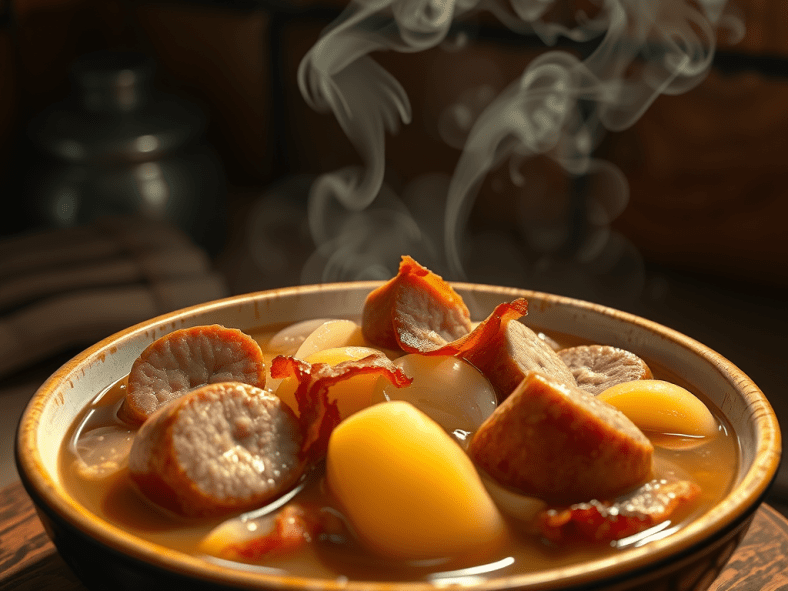
Dublin Coddle is a simple but flavorful dish, made by slow-cooking pork sausages, thick-cut bacon, potatoes, and onions in a broth until everything is soft and infused with savory goodness.

Essential Ingredients of Dublin Coddle:

  • Pork Sausages: Traditionally, Irish pork sausages are used, slightly browned before simmering.
  • Bacon Rashers: Thick-cut Irish bacon (back bacon) or streaky bacon, cut into chunks.
  • Potatoes: The heart of the dish, absorbing all the rich flavors.
  • Onions: Sliced thick, adding sweetness and depth.
  • Stock or Water: Often flavored with beer, herbs, or a bouillon cube.
  • Salt & Black Pepper: For seasoning.
  • Parsley (Optional): For garnish and freshness.

Some modern versions include carrots, garlic, or even Guinness for extra depth of flavor, but the classic Dublin Coddle remains simple and rustic.


Tasting Notes: Rich, Savory, and Comforting

Dublin Coddle is a dish of deep, slow-cooked flavors:

  • The sausages are tender and juicy, having absorbed the flavors of the broth.
  • The bacon adds a smoky, salty richness, balancing the mild potatoes.
  • The onions become soft and slightly sweet, enhancing the overall depth.
  • The potatoes soak up all the savory juices, making them rich and flavorful.

Unlike stews that rely on herbs and spices, Dublin Coddle’s flavors come from the quality of its ingredients, making it a truly satisfying and comforting dish.


How Dublin Coddle is Served

Dublin Coddle is typically served straight from the pot, with its flavorful broth soaking into the ingredients.

Traditional Serving Styles:

  1. With Irish Soda Bread – Perfect for soaking up the rich broth.
  2. With a Pint of Guinness – A classic pub pairing.
  3. With Fresh Parsley Garnish – Adds color and brightness.
  4. With Mustard or Brown Sauce (Optional) – Some enjoy adding a touch of tanginess.

Dublin Coddle is best enjoyed on a chilly evening, at a family gathering, or after a night out, making it one of Ireland’s most comforting and traditional dishes.


Why Dublin Coddle is a True Irish Classic

Simple, Rustic, and Hearty – Uses basic ingredients to create deeply satisfying flavors.
Rich in Irish History – A dish that has been loved in Dublin for centuries.
Perfect for Cold WeatherWarm, filling, and ideal for chilly evenings.
One-Pot WonderEasy to make, requiring minimal effort.
Authentic Irish Pub Fare – Found in Dublin pubs and home kitchens alike.

Whether you’re enjoying it in a cozy Dublin pub or cooking it at home, Dublin Coddle is a true taste of Ireland. 🇮🇪