
Worldwide Food Tour – France

A Classic of French Country Cooking

Poulet au Vinaigre (Chicken with Vinegar) is a rustic yet refined French dish, where chicken is braised in a tangy vinegar sauce that is balanced with shallots, garlic, tomatoes, and butter. Originally from the Lyonnais region, this dish exemplifies French country cooking, using simple, high-quality ingredients to create a dish that is both bold in flavor and elegantly balanced.

This dish is not as well-known as coq au vin or boeuf bourguignon, but it is a hidden gem in traditional French cuisine, perfect for those who love savory dishes with a touch of acidity and depth.


The History: A Classic of Lyonnais Cuisine

Poulet au Vinaigre is most closely associated with the Lyon region, often called the gastronomic heart of France. Traditionally, vinegar was used as a preservative and flavor enhancer, allowing chicken to be cooked slowly in a sauce that became deeply rich and complex over time.

This dish gained wider recognition thanks to Paul Bocuse, the legendary Lyonnais chef who championed traditional French bistro dishes while refining their techniques. Today, Poulet au Vinaigre remains a classic dish in many French homes and bistros, loved for its silky, glossy sauce and balanced flavors.


What is Poulet au Vinaigre?

At its core, Poulet au Vinaigre is a braised chicken dish, where chicken pieces are sautéed until golden brown, then simmered in a sauce of vinegar, shallots, and sometimes tomatoes or cream.

Essential Ingredients of Poulet au Vinaigre:

  • Chicken (Poulet): Traditionally, a whole chicken cut into pieces, but thighs or drumsticks work well.
  • Red or White Wine Vinegar: The key to the dish’s tangy, slightly sharp flavor.
  • Shallots & Garlic: Adds depth and sweetness.
  • Tomatoes (Optional): Some versions use chopped tomatoes for extra richness.
  • Butter: Softens the vinegar’s acidity and gives the sauce a silky texture.
  • Chicken Stock or White Wine: Helps deglaze the pan and build layers of flavor.
  • Cream (Optional): Some modern recipes add cream for extra richness.
  • Fresh Herbs (Tarragon or Thyme): For an aromatic finish.

The key to this dish is balancing the acidity of the vinegar with the richness of butter and chicken, creating a sauce that is velvety and full of character.


Tasting Notes: Tangy, Savory, and Buttery Smooth

A well-made Poulet au Vinaigre delivers a perfect contrast of flavors:

  • The chicken is tender and juicy, infused with the vinegar’s subtle tang.
  • The sauce is glossy and rich, with a deep savory backbone from shallots and stock.
  • The vinegar provides a mild acidity, enhancing rather than overpowering the dish.
  • Butter and wine round out the flavors, creating a luxurious finish.

This dish is comforting yet sophisticated, embodying the elegance of French bistro cooking.


How Poulet au Vinaigre is Served

Poulet au Vinaigre is traditionally served with simple, classic French sides that absorb the sauce beautifully.

Traditional Accompaniments:

  1. Crusty Baguette – Perfect for soaking up the flavorful sauce.
  2. Mashed Potatoes or Pommes Purée – Creamy potatoes balance the acidity of the dish.
  3. Rice or Buttered Noodles – Helps absorb the rich, velvety sauce.
  4. Steamed Haricots Verts (Green Beans) – A fresh, crisp contrast to the dish’s richness.

Some modern versions also serve it with roasted vegetables or simple sautéed mushrooms, adding depth to the meal.


Why Poulet au Vinaigre is a French Classic

Bold, Balanced FlavorsTangy vinegar, rich butter, and tender chicken create a beautifully complex dish.
Simple Yet Elegant – A perfect example of French bistro cooking, using few ingredients to create deep flavors.
Easy to Make at HomeOne-pan cooking, perfect for both weeknights and special occasions.
A Dish with HistoryLoved in Lyon and beyond, championed by French culinary legends.
Versatile & Customizable – Can be made with or without tomatoes and cream, allowing for different interpretations.

Whether enjoyed in a cozy French bistro or prepared in your own kitchen, Poulet au Vinaigre is a true expression of French culinary tradition—bold yet refined, simple yet extraordinary.
Worldwide Food Tour – Morocco

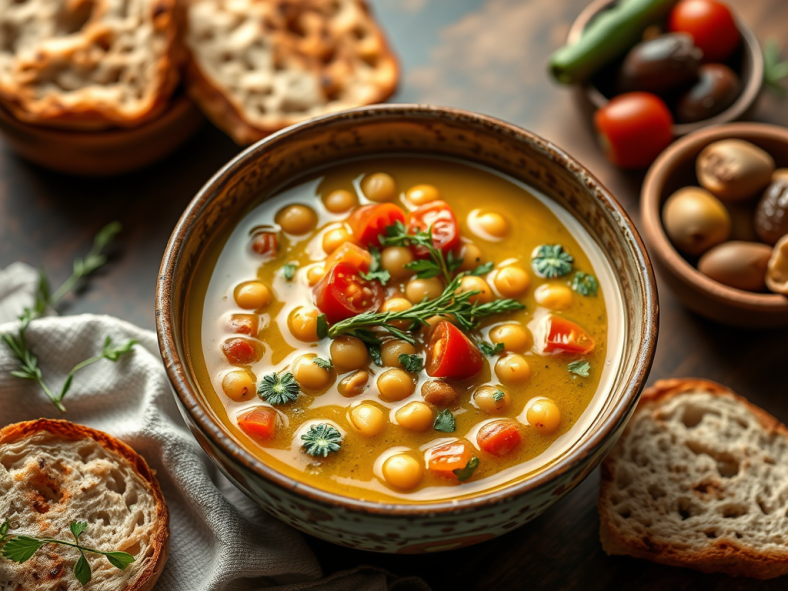
his soup is a fragrant blend of zucchini, chickpeas, tomatoes, and Moroccan spices, creating a dish that is both earthy and refreshing.

Essential Ingredients:

  • Zucchini: The star ingredient, giving the soup a soft texture and mild sweetness.
  • Chickpeas (Garbanzo Beans): Adds protein, creaminess, and a nutty depth.
  • Tomatoes: Provides acidity and richness to the broth.
  • Garlic & Onions: Classic Moroccan aromatics for flavorful depth.
  • Olive Oil: Enhances the richness of the soup.
  • Warm Moroccan Spices:
    • Cumin & Coriander: Earthy and warm.
    • Paprika: A touch of smokiness.
    • Turmeric: Adds color and a subtle bitterness.
    • Cinnamon (optional): A hint of Moroccan spice warmth.
  • Vegetable or Chicken Broth: For a light but flavorful base.
  • Fresh Herbs (Cilantro & Parsley): Brightens the dish with freshness.
  • Lemon Juice: Adds a final zing and balance to the flavors.

Tasting Notes: A Harmonious Blend of Earthy, Spiced, and Fresh Flavors

  • The zucchini softens beautifully, giving the soup a smooth, velvety texture.
  • The chickpeas add a hearty bite, making it filling without being heavy.
  • The warm Moroccan spices create a deep earthy and aromatic base.
  • The lemon juice and fresh herbs provide a bright contrast, balancing the warmth of the soup.

This soup is both soothing and invigorating, making it ideal as a light meal or an appetizer before a Moroccan feast.


How Moroccan Zucchini Chickpea Soup is Served

Traditional Serving Styles:

  1. With Warm Crusty Bread (Khobz) – A traditional Moroccan bread to scoop up the soup.
  2. With a Side of Olives & Dates – A common Moroccan pairing to balance flavors.
  3. With a Drizzle of Olive Oil & Extra Herbs – For added richness and freshness.
  4. With Harissa on the Side – If you like it spicy, a spoonful of harissa chili paste elevates the dish.

This soup is commonly enjoyed during Ramadan, as it is light yet nourishing—providing energy without being overly heavy.


Why Moroccan Zucchini Chickpea Soup is a Must-Try Dish

Healthy & Nourishing – Packed with fiber, protein, and vitamins from zucchini and chickpeas.
Rich in Moroccan Flavors – Uses signature Moroccan spices and herbs for deep flavor.
Light Yet Satisfying – A perfect balance of warmth and freshness.
Simple & Customizable – Can be made vegetarian or with chicken broth for extra richness.
Perfect for All Seasons – Enjoy it warm in winter or slightly chilled in summer.

From Moroccan home kitchens to North African cafés, this soup embodies the heart of Moroccan cookingwarm, inviting, and deeply satisfying.

Worldwide Food Tour – Saudia Arabia

Dish of Tradition and Celebration

Chicken Mashkool (مشكول الدجاج) is a beloved Saudi Arabian rice dish, featuring spiced, tender chicken served over fragrant, golden rice. It is similar to Kabsa or Mandi, with its distinctive blend of warm spices, slow-cooked meat, and aromatic rice, making it a staple dish for family gatherings and festive occasions.

While Mashkool is sometimes used interchangeably with Kabsa or Mandi, its defining characteristic is the way the chicken and rice absorb the spices separately yet harmonize beautifully when served together.


The History: A Staple of Arabian Peninsula Cuisine

Saudi Arabian cuisine is deeply influenced by Bedouin traditions, where dishes were designed to be nourishing, flavorful, and easy to cook in large quantities. Mashkool, like Kabsa and Mandi, evolved from these traditions, incorporating locally available spices, grains, and meats.

It is commonly enjoyed in homes, restaurants, and celebrations, served family-style on large platters, emphasizing the hospitality and generosity that is central to Saudi Arabian culture.


What is Chicken Mashkool?

Chicken Mashkool is a one-pot rice and chicken dish, where the chicken is cooked separately with spices, then served over flavored, golden rice. The dish gets its distinctive warm, aromatic essence from Middle Eastern spices like cardamom, cloves, cinnamon, and black lime (loomi).

Essential Ingredients of Chicken Mashkool:

For the Chicken:

  • Whole Chicken (or Chicken Pieces) – Bone-in for extra flavor.
  • Onions & Garlic – For depth and fragrance.
  • Tomatoes (Optional) – Some versions include tomatoes for richness.
  • Bay Leaves, Cardamom, Cloves, Cinnamon Stick – Key Arabian spices.
  • Black Lime (Loomi) – Adds a distinct citrusy depth.
  • Salt & Black Pepper – Basic seasoning.

For the Rice:

  • Basmati Rice – Long-grain rice, preferred for its fluffy texture and ability to absorb flavors.
  • Ghee or Butter – Adds richness to the rice.
  • Turmeric & Cumin – Give the rice its signature golden color and earthy taste.
  • Raisins & Almonds (Optional) – Often used for garnish.

Tasting Notes: Warm, Spiced, and Aromatic

  • The chicken is juicy, tender, and infused with deep spices.
  • The rice is golden, lightly spiced, and rich in flavor.
  • The black lime (loomi) provides a subtle citrusy tang, balancing the warm spices.
  • The dish is perfectly balanced—fragrant but not overpowering, hearty but not too heavy.

This dish is aromatic and flavorful yet comforting, making it a favorite across Saudi Arabia and the Gulf region.


How Chicken Mashkool is Served

Traditional Serving Styles:

  1. Family-Style on a Large Platter – Served in one big dish for communal eating.
  2. With Yogurt or Salata Hara – A refreshing yogurt-based dip or spicy tomato salsa balances the dish.
  3. With Nuts & Raisins Garnish – Toasted almonds, pine nuts, or golden raisins add extra texture.
  4. With Flatbread (Khubz) – Sometimes enjoyed with flatbread to scoop up the rice.

Chicken Mashkool is often paired with dates or sweetened tea, a common practice in Saudi hospitality.


Why Chicken Mashkool is a Saudi Favorite

Deep, Warm Flavors – A beautiful blend of spices and slow-cooked chicken.
Easy to Prepare & Serve – A one-pot meal, perfect for large gatherings.
Rooted in Tradition – A dish that reflects Saudi Arabian heritage and hospitality.
Versatile – Can be made with lamb, beef, or even seafood.
Balanced & SatisfyingNot too heavy, but rich enough for a fulfilling meal.

Whether enjoyed at a family dinner in Riyadh or a traditional feast in Jeddah, Chicken Mashkool is a true taste of Saudi Arabia.

World Food Tour – Romania

A Traditional and Hearty Romanian Comfort Dish

Mămăligă cu Brânză în Pături is a layered Romanian dish made with creamy mămăligă (polenta), brânză (cheese), and smântână (sour cream). This dish is a comforting and filling staple in Romanian cuisine, often enjoyed as a main course or a rich side dish. The name “în pături” translates to “in blankets”, referring to the layers of cheese wrapped between soft polenta.

Mămăligă is one of Romania’s most traditional foods, deeply rooted in peasant cuisine, and this version elevates it into a decadent, cheesy delight that is both rustic and satisfying.


The History: A Dish of Rural Romanian Origins

Mămăligă has been a staple in Romanian and Moldovan kitchens for centuries, dating back to the 16th century, when corn (maize) was introduced from the Americas. Originally, mămăligă was a humble peasant dish, replacing wheat-based bread for many rural families.

Over time, mămăligă evolved into a versatile dish, often combined with local cheeses and dairy products to create richer, more satisfying meals. Mămăligă cu Brânză în Pături is a beloved variation that layers cheese between soft polenta, creating a dish that is both hearty and indulgent.

This dish is commonly served in Romanian households, restaurants, and even at traditional countryside feasts, often enjoyed with a glass of fresh milk or sour cream on the side.


What is Mămăligă cu Brânză în Pături?

This dish consists of layers of creamy, golden mămăligă (polenta), crumbled cheese, and thick sour cream, baked or assembled into a warm, cheesy casserole.

Essential Ingredients:

  • Cornmeal (Mălai): The base ingredient, cooked into a smooth, creamy polenta.
  • Brânză de Burduf or Feta Cheese: A salty, crumbly cheese used between the layers.
  • Smântână (Romanian Sour Cream): Adds richness and creaminess to the dish.
  • Eggs (Optional): Sometimes whisked into the mămăligă for a softer texture.
  • Butter: For extra richness and a silky mouthfeel.

Some variations include layers of ham, bacon (slănină), or even fried eggs on top for extra indulgence.


Tasting Notes: Creamy, Cheesy, and Comforting

Mămăligă cu Brânză în Pături is rich and satisfying, with a perfect balance of textures and flavors:

  • The mămăligă is smooth, buttery, and slightly sweet, providing a soft base.
  • The cheese is tangy and salty, cutting through the richness of the polenta.
  • The smântână adds a creamy, slightly sour contrast, enhancing every bite.
  • If bacon or eggs are added, they bring an extra layer of depth and texture.

This dish is both rustic and elegant, making it a favorite in traditional Romanian cuisine.


How Mămăligă cu Brânză în Pături is Served

This dish is traditionally served hot and fresh, often in a large baking dish or individual portions.

Traditional Serving Styles:

  1. Plain, with a dollop of sour cream – The classic way to enjoy it.
  2. With Fried Eggs & Bacon (Ciolan Afumat or Slănină) – A heartier, richer version.
  3. With Pickles or Fresh Tomatoes – For a refreshing contrast.
  4. With Garlic Sauce or Butter – To enhance the flavors even further.

Mămăligă cu Brânză în Pături is often paired with a glass of fresh milk, buttermilk, or even a dry white wine.


Why Mămăligă cu Brânză în Pături is a Romanian Favorite

Simple Yet Satisfying – Made with just a few ingredients, yet deeply flavorful.
Rich in Tradition – A dish with centuries of history in Romanian households.
Versatile & Customizable – Can be enjoyed as a side dish or a main course.
Warm & Comforting – The perfect meal for cold winter nights.
A Symbol of Romanian Hospitality – Often served at family gatherings and celebrations.

From cozy countryside kitchens to modern Romanian restaurants, Mămăligă cu Brânză în Pături remains a beloved comfort dish, bringing warmth and nostalgia with every bite.

Worldwide Food Tour – America

A Crispy, Melty, and Iconic Classic

Few dishes are as universally loved and comforting as the American grilled cheese sandwich. This simple yet irresistible combination of crispy, buttery bread and gooey, melted cheese is a staple in homes, diners, and lunch counters across the United States.

Whether served plain, with tomato soup, or loaded with extras like bacon and caramelized onions, grilled cheese is the ultimate American comfort food—easy to make, endlessly customizable, and deeply satisfying.


The History: A Sandwich with Humble Beginnings

The origins of grilled cheese date back to the 1920s, when sliced bread and processed cheese became widely available in the U.S. During the Great Depression, the sandwich became popular because it was affordable, filling, and easy to prepare.

By World War II, U.S. Navy cooks were serving open-faced cheese sandwiches to soldiers, which evolved into the closed, pan-fried version we know today. Over the decades, grilled cheese became a nostalgic American favorite, appearing in cafeterias, diners, and homes nationwide.


What Makes an American Grilled Cheese Special?

An authentic American grilled cheese is all about the perfect balance of crispy bread and gooey melted cheese.

Essential Ingredients of a Classic Grilled Cheese:

  • Bread: Classic choices include white bread, sourdough, or Texas toast.
  • Cheese: The most iconic choice is American cheese, but cheddar, Swiss, provolone, or Monterey Jack are also popular.
  • Butter or Mayo: Butter is traditional, but mayonnaise is sometimes used for an extra crispy exterior.

Optional Additions:

  • Bacon, Ham, or Turkey – For a heartier sandwich.
  • Tomatoes or Avocado – Adds freshness.
  • Caramelized Onions or Jalapeños – For extra flavor.
  • Mustard or Hot Sauce – A tangy kick.

Tasting Notes: Crispy, Buttery, and Ultra-Melty

A perfectly made grilled cheese sandwich is crispy on the outside and gooey on the inside:

  • The bread is golden brown and crunchy, with a satisfying crisp when bitten into.
  • The cheese is perfectly melted, smooth, and stretchy, creating a rich, indulgent texture.
  • The butter (or mayo) adds a subtle richness, complementing the sharp or mild cheese.

Grilled cheese is a nostalgic bite of childhood for many Americans, bringing warmth and comfort with every bite.


How Grilled Cheese is Served

Classic Serving Styles:

  1. With Tomato Soup – The ultimate pairing, perfect for dipping.
  2. With Pickles or Chips – A crunchy contrast to the sandwich’s richness.
  3. With a Side Salad – A fresh counterbalance to the cheesy goodness.
  4. As a Gourmet Version – Using artisan bread, gourmet cheeses, and fancy add-ins.

Why Grilled Cheese is an American Favorite

Crispy, Melty, and ButteryThe perfect balance of textures and flavors.
Easy to MakeJust three ingredients for a classic version.
Customizable – Can be simple or gourmet, depending on preferences.
Rooted in American History – A Great Depression-era staple that remains beloved today.
Perfect for Any Occasion – Great for quick meals, late-night cravings, or cozy weekends.

From home kitchens to high-end restaurants, grilled cheese remains an American icon—a simple, timeless sandwich that brings joy with every bite.

Goal Met: Make 50 Different Pizzas

This will be a cakewalk, I said to myself, I make pizza all the time how hard can it be to make 50 different pizzas? Let me tell you dear readers – it was very hard. The first few were easy as I busted out crowd favorites like Neapolitan, Pepperoni, and even a meat lovers. It was about 10 pizzas in when I started to wonder if just coming up with new toppings was a good way to accomplish this.

I did some research into topping combos and came up with a few that looked interesting but as part of my research I started seeing more regional pizzas pop up and it got me interested in how pizza can change as it travels across the world or even across the state. So I did a deep dive and became a pizzaologist. Tracking pizza as it went through all its different iterative changes.

These regional pizzas were still dough, sauce, and cheese but the way they went about it changed and I used my handy research assistant (ChatGPT) to do a deep dive into how Pizza was introduced to these regions and what the history of the style was (you can find these in the individual pizza posts) and it was some fascinating stuff.

Now there are some that argue for one style of pizza as being ‘real pizza’ and I get it. For me it’s a two way tie between a classic NY/NJ slice and true Neapolitan pizza. I get the appeal of Chicago deep dish and the buttery crust of a real good pan pizza and to be honest, I love them all. I’m not an elitist in that way (No, don’t take my NY Pizza card!) but I always come back to the classics when I’m in the mood for a good pizza that scratches that itch.

It was an educational journey and introduced a few new pies into my rotation (such as Apizza or pizza fritte) and there were a few that were just not great such as the steamed pizza. It’s like.. A bao bun with sauce and cheese. The texture was just not what I want from a pizza. The flavor was alright, but man I like steam buns and pizza but not this unholy fusion.

I’m glad I did this and I feel like I can talk about regional / international pizzas with a much more informed opinion having made and tried a lot of them.  The only drawback was I always felt like I needed to be making a new pizza even if I wanted a classic pie. Now that it’s over I expect classic margheritas are on tap for a few weeks to make things simple!

Margherita Sbagliata

Margherita Sbagliata is a pizza that turns tradition on its head while still honoring the essence of what makes a classic Margherita so beloved. In Italian, “sbagliata” means “mistaken” or “wrong,” a word that suggests a happy accident or an intentional twist on the original. Much like the Negroni Sbagliato, where prosecco replaces gin for a lighter, sparkling take on the cocktail, Margherita Sbagliata takes the familiar ingredients of a traditional Pizza Margherita and rearranges them in a way that challenges expectations while delivering a completely satisfying experience.

At first glance, it might not even look like a Margherita pizza. The typical structure—red tomato sauce, white mozzarella, and green basil, meant to mirror the Italian flag—is flipped, reimagined, or even deconstructed depending on the pizzeria or chef making it. In some versions, the tomato is no longer the base but instead appears in chunks, roasted or semi-dried, scattered atop a white pizza, where a layer of fior di latte or burrata takes center stage. The result is a pizza that still tastes unmistakably like a Margherita but with a different balance of textures and flavors. Instead of a thin layer of tomato sauce seeping into the dough, the concentrated bursts of roasted or blistered cherry tomatoes add a more intense, almost jammy sweetness that contrasts beautifully with the creaminess of the cheese.

Another version of the Margherita Sbagliata plays with the cooking process, adding the tomato only after the pizza has baked, rather than spreading it onto the dough before it goes into the oven. This method, sometimes referred to as a reverse Margherita, allows the crust to develop a deeper char and crispness without absorbing moisture from the sauce, resulting in a more defined chew and crunch. When the pizza comes out of the oven, crushed or puréed tomatoes—sometimes raw, sometimes lightly cooked—are spooned over the bubbling cheese, creating a fresh and slightly unexpected contrast between the warm crust and the bright acidity of the tomato.

Some interpretations go even further, introducing ingredients like stracciatella, ricotta, or even smoked mozzarella to enhance the richness of the cheese element. Instead of the traditional basil leaf, some versions finish with a basil-infused oil or delicate microgreens, offering the herbal note in a more subtle, modern way. The flexibility of Margherita Sbagliata makes it an exciting canvas for chefs to experiment with while still keeping it firmly rooted in Italian tradition.

Despite the changes in presentation and technique, the fundamental appeal of this pizza remains the same as the original Margherita: a perfect harmony of dough, tomato, cheese, and basil. The “mistaken” part of its name is, in reality, anything but a mistake—it’s a rethinking of a classic that brings out different elements of its flavor profile, sometimes highlighting the brightness of the tomatoes, sometimes leaning into the creaminess of the cheese, sometimes emphasizing the crispness of the crust. It’s a variation that celebrates tradition while embracing the creativity that has always been a part of Italian cooking.

In Naples, where pizza is treated with near-religious devotion, you’re more likely to find the traditional Margherita reigning supreme, but in cities like Rome, Milan, and even international pizza hubs in New York or London, Margherita Sbagliata has carved out a niche as a modern, inventive alternative. Whether ordered in a trendy pizzeria or recreated at home with high-quality ingredients, it offers a fresh perspective on something familiar, proving that even a classic like the Margherita still has room for reinvention.