

Goal Met – Start a Gratitude Journal

Now this one was a bit of a stretch. As I was looking for goals to round the total out to 50 this one kept popping up on a lot of the lists of goals people were setting. It seemed like a bit of pop psych or new age silliness but once I started doing some research (noted below) I saw that there are scientific papers backing up the practice and showing it has clear benefits.

I simply didn’t have the bandwidth to commit to a daily entry – but twice a week? I mean that’s doable. I was always able to come up with something I was grateful for that week or some kindness that came my way (or opportunity for me to show kindness – also very important) It really wasn’t too difficult and sometimes a bit of time would go by before I sat down and did it but the intent was there and I think that’s the point.

I’m not sure if there were any huge benefits I noticed but it did feel nice to remind myself of some of the awesome things I have in my life so I enjoyed doing this.

[Research]

Embarking on the practice of maintaining a gratitude journal can profoundly enhance your overall well-being. This simple yet powerful habit involves regularly recording aspects of your life for which you are thankful. Scientific research has consistently demonstrated that such a practice offers numerous psychological and physical benefits, making it a worthwhile endeavor for anyone seeking to improve their quality of life.

Psychological Benefits

One of the most significant advantages of keeping a gratitude journal is its positive impact on mental health. Regularly focusing on the positive aspects of life can lead to increased feelings of happiness and reduced symptoms of depression and anxiety. A systematic review and meta-analysis of 64 randomized clinical trials found that participants who engaged in gratitude interventions experienced greater feelings of gratitude, improved mental health, and fewer symptoms of anxiety and depression. Moreover, they reported a more positive mood and emotions. 

The act of writing down things you are grateful for shifts your attention away from negative thoughts and fosters a more optimistic outlook on life. This practice encourages mindfulness and helps break the cycle of rumination, which is often associated with depression and anxiety. By consciously acknowledging the positive elements in your life, you train your brain to focus on what brings joy and satisfaction, thereby enhancing overall mental health.

Physical Health Benefits

The benefits of gratitude journaling extend beyond mental health to encompass physical well-being. Research indicates that individuals who regularly practice gratitude experience better sleep quality, reduced blood pressure, and improved heart health. A study by UCLA Health highlighted that practicing gratitude can help with depression, anxiety, and stress, and also noted that the benefits of being thankful include improved sleep and heart health. 

Engaging in gratitude practices has been associated with a reduction in stress-related symptoms, which can have a direct impact on cardiovascular health. By promoting relaxation and reducing stress, gratitude journaling may contribute to lower blood pressure and a decreased risk of heart disease. Additionally, the positive emotions elicited by gratitude can lead to the release of endorphins, which act as natural painkillers and mood elevators.

Enhanced Relationships

Expressing gratitude can also strengthen your interpersonal relationships. When you regularly acknowledge and appreciate the kindness and support of others, it fosters a sense of connection and encourages reciprocal positive behavior. This can lead to deeper, more meaningful relationships and a robust social support network.

A study published in the Journal of Personality and Social Psychology found that gratitude is linked to prosocial behavior and can enhance social bonds. Participants who expressed gratitude were more likely to engage in helpful behaviors and report stronger relationships. By recognizing and appreciating the contributions of others, you not only enhance your own well-being but also create a positive feedback loop that benefits your social circle.

Neuroscientific Evidence

From a neuroscientific perspective, practicing gratitude can lead to lasting changes in brain function. Research has shown that gratitude activates regions in the brain associated with reward, morality, and positive social interactions. A study highlighted by Mindful.org noted that the science of gratitude shows it can support greater health, happiness, and wisdom in ourselves and our communities. 

Regular engagement in gratitude exercises can enhance the brain’s sensitivity to future experiences of gratitude, making it easier to access positive emotions even during challenging times. This neuroplasticity suggests that the more you practice gratitude, the more attuned your brain becomes to recognizing the good in your life, leading to sustained improvements in mental health and well-being.

Implementing a Gratitude Journal

Starting a gratitude journal is a straightforward process. Set aside a few minutes each day or week to reflect and write down things you are grateful for. These can range from significant events to simple pleasures. Consistency is key; regular practice maximizes the benefits. Some studies suggest that writing in a gratitude journal once or twice a week can be more effective than daily entries, as it prevents the activity from becoming routine and losing its impact.

Incorporating prompts can also enhance the depth of your reflections. Consider questions like, “What unexpected kindness did I experience today?” or “What aspect of my health am I most grateful for?” By diversifying your entries, you can gain a more comprehensive appreciation of the positive facets of your life.

Conclusion

Incorporating a gratitude journal into your routine can lead to substantial improvements in both mental and physical health. By consciously focusing on the positive aspects of your life, you can foster a more optimistic outlook, enhance your relationships, and even rewire your brain for increased happiness. Given the extensive scientific evidence supporting its benefits, starting a gratitude journal is a simple yet effective step toward a healthier, more fulfilling life.

Goal Met – 5 a.m. Wake Up Call

I’m not going to lie – this sucked pretty bad. I’m partially to blame, as I waited to long to do this and had to do it in the middle of winter when it was pitch black at 5am and the house was freezing.  This whole idea stemmed from the five am club book that was making its rounds on social media. The book had a whole structure on how to utilize the time breaking it down into discrete segments which might have worked if I had done this in the summer.

I did do some planning however – I made a pitcher of iced tea from some high caffeine tea and had it ready to go so as soon as I woke up I drank a glass of that and a glass of water to help wake my body up.  I stumbled down into my office, the only place I could make some noise without waking up the kids. I did some light stretching to try to get some blood flowing then started working on my curated to do list.

That’s where I started to see some issue – my brain just wasn’t ready for structured work and it took the tea about 40 minutes to really kick in before I felt awake enough to trust what I was doing would be accurate. So I switched to more creative tasks where accuracy wasn’t that necessary.  Notably the short story I was working on – in fact during this week I wrote about 10,000 words which was almost double what I had so far (writers block can be a real pain sometimes) – I settled into a habit where I’d sketch out the next few plot points that I needed to hit then just wrote for an hour or more letting the words just come out. I’d spend the last 30 minutes reviewing what I wrote and making some light edits to strengthen the structure (mostly due to changes made later in the story)

I actually felt really productive in those two hours but getting up at five was a real struggle as I’m not a morning person but oddly enough I never felt the spark to write late at night so I really did have better results with that five am wake up call. I just couldn’t see myself continuing it for any length of time as I really like staying up late – those few hours after the kids go to bed are the prime hours for me to be creative or get tasks done or even relax with a baseball game or even some video game time.  It’s hard to do all that at five am in the morning (possible, but not easy)

I’m glad I gave this a shot  – in fact my body adapted pretty quickly and by the third day I was waking up on my own before the alarms would go off. I tried hard to get to bed by 10 each night but sometimes I got distracted with something and looked up and realized it was 11:30 which means I wasn’t falling asleep until at least midnight – those few times were particularly brutal.

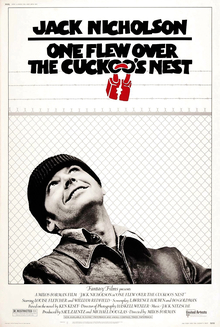
One Flew Over The Cuckoos Nest

When Your Prison Escape Plan Needs a Second Draft

Ever had one of those days where you try to dodge work by checking yourself into a mental hospital? No? Well, meet Randle Patrick McMurphy, a guy whose attempt to escape manual labor makes “quit your job and start a pottery business” look like a solid life choice.

McMurphy (played by Jack Nicholson, in a role that probably had method actors everywhere wondering if they should also get themselves committed) isn’t crazy – he’s just crazy like a fox who really didn’t think his plan through. After faking mental illness to dodge prison work duty, he finds himself in a psychiatric ward run by Nurse Ratched, a woman whose bedside manner makes Darth Vader look like a customer service trainer.

The ward is divided into two groups: the Acutes (potentially curable patients) and the Chronics (permanent residents who make the furniture look dynamic). Among the Acutes, we’ve got Billy Bibbit, whose stutter would give The King’s Speech’s Geoffrey Rush job security; Dale Harding, a man so deeply closeted he probably has winter coats in there; and Charlie Cheswick, whose emotional regulation makes a toddler at Toys “R” Us look zen. The Chronics include Chief Bromden, a Native American giant who’s perfected the art of playing deaf and mute – basically the world’s tallest mime.

McMurphy bursts into this environment like a food fight at a wine tasting. He immediately starts questioning everything: Why can’t they watch the World Series? Why does the ward’s music sound like elevator muzak composed by depressed snails? Why do their group therapy sessions feel like Twitter arguments in slow motion?

His battle with Nurse Ratched escalates from minor skirmishes over card games and TV privileges to full-scale warfare. It’s like watching a chess match where one player insists on using the pieces to act out scenes from WWE. McMurphy’s shocking discovery that many patients are there voluntarily leads to the greatest “wait, what?” moment since someone first explained cryptocurrency.

The plot thickens faster than institutional oatmeal when McMurphy organizes a ward party that makes your average college dorm shindig look like afternoon tea with the Queen. He smuggles in women and alcohol, and even gets Chief Bromden to break his silence – turns out the big guy was basically playing the world’s longest game of charades.

But because we can’t have nice things in this ward, everything goes sideways faster than a cafeteria jello cup. Billy Bibbit’s post-party encounter with Nurse Ratched proves that some people shouldn’t be allowed to weaponize guilt – it’s like watching your mom, your therapist, and your high school principal team up for an intervention, with tragic results.

The Verdict

What I Love:

  • Jack Nicholson’s performance, which makes other movie rebels look like hall monitors
  • Louise Fletcher turning passive-aggressive behavior into an Olympic sport
  • A supporting cast that could make group therapy actually worth attending
  • Direction so good it probably got Miloš Forman banned from hospital administration meetings
  • The most compelling argument against institutional healthcare since the invention of leeches

What Could’ve Been Better:

  • Might make you suspicious of every nurse offering medication
  • Will ruin your plans to fake mental illness to escape prison
  • Likely to make your next doctor’s visit more anxiety-inducing than it already was

This film swept the Academy Awards like Nurse Ratched sweeps away contraband cigarettes, winning all five major categories. It’s a masterpiece that will make you laugh, cry, and seriously reconsider any plans to avoid manual labor through institutional commitment.

Rating: 5 out of 5 suspiciously calm orderlies

P.S. – If you ever hear someone sweetly say “medication time,” run. Just run.