Worldwide Food Tour – Germany

A Crispy, Chewy, and Golden-Brown Classic

The Bavarian Pretzel (Brezn) is one of Germany’s most famous baked goods, known for its deep brown, crispy crust, soft and chewy interior, and distinctive twisted shape. Often sprinkled with coarse salt and served with butter, mustard, or cheese dips, this iconic snack is a staple of Bavarian beer gardens, Oktoberfest celebrations, and bakeries across Germany.

More than just a snack, the Bavarian Pretzel is a symbol of Bavarian culture and hospitality, enjoyed alongside a stein of beer, traditional sausages, or as a quick breakfast treat.


The History: A Bavarian Tradition with Medieval Roots

The pretzel has a history dating back over 1,000 years, with origins linked to monasteries in Southern Germany and Austria. Legend has it that the distinctive pretzel shape represents arms crossed in prayer, making it a common symbol of good fortune and blessings.

In Bavaria, pretzels became a staple by the 12th century, when bakers perfected the lye-dipping technique that gives Bavarian pretzels their deep golden-brown crust and unique flavor. By the 19th century, Bavarian beer gardens popularized the pairing of freshly baked pretzels with beer, a combination that remains synonymous with Bavarian hospitality today.


What Makes a Bavarian Pretzel Unique?

Unlike soft American-style pretzels, Bavarian pretzels have a distinct texture and flavor:

  • Crispy, deep brown crust – Achieved by dipping the dough in lye (alkaline solution) before baking.
  • Soft, chewy interior – Slightly dense, with a hint of maltiness.
  • Mildly salty taste – Balanced with the sweet undertones of the dough.
  • Traditional pretzel shape – Thick arms, a thin twisted middle, and a wide rounded top.

Essential Ingredients of a Bavarian Pretzel:

  • Flour – Traditionally wheat flour for the perfect chew.
  • Water & Yeast – To create a light, airy dough.
  • Salt & Sugar – For flavor and balance.
  • Butter or Lard (Optional) – Some traditional recipes use a small amount of butter or lard for richness.
  • Lye Solution (Natronlauge) – The key to Bavarian pretzels’ signature crust and color.

Tasting Notes: Savory, Malty, and Irresistible

  • The crust is deeply golden-brown, crisp, and slightly glossy.
  • The inside is soft, chewy, and slightly malty, with just the right amount of saltiness.
  • The contrast between the crunchy exterior and soft center makes every bite satisfying.

The slight bitterness from the lye wash balances the natural sweetness of the dough, making Bavarian pretzels incredibly addictive.


How Bavarian Pretzels are Served

Bavarian pretzels are incredibly versatile and can be enjoyed on their own or with classic pairings.

Traditional Serving Styles:

  1. With Butter (Butterbrezn) – A classic Bavarian breakfast, where the pretzel is sliced and spread with soft butter.
  2. With Weißwurst & Sweet Mustard – The traditional pairing of Bavarian white sausages and mild sweet mustard.
  3. With Obatzda (Cheese Dip) – A rich, creamy cheese spread made with Camembert, butter, paprika, and onions.
  4. With Beer (at a Biergarten or Oktoberfest) – The ultimate Bavarian beer snack.
  5. With Radishes & Pickles – Often served as part of a Bavarian Brotzeit (snack platter).

Why Bavarian Pretzels are a German Classic

Iconic Bavarian SnackA must-try in every beer garden and bakery in Germany.
Perfect Balance of Texture & FlavorCrispy, chewy, salty, and slightly malty.
Versatile & Customizable – Can be enjoyed plain, buttered, or with traditional dips.
Deeply Rooted in Tradition – A symbol of Bavarian hospitality for centuries.
Pairs Perfectly with BeerThe best companion to a cold German lager.

From Munich’s Oktoberfest to home kitchens across the world, Bavarian pretzels remain one of Germany’s most beloved baked goods.

World Food Tour – Romania

A Traditional and Hearty Romanian Comfort Dish

Mămăligă cu Brânză în Pături is a layered Romanian dish made with creamy mămăligă (polenta), brânză (cheese), and smântână (sour cream). This dish is a comforting and filling staple in Romanian cuisine, often enjoyed as a main course or a rich side dish. The name “în pături” translates to “in blankets”, referring to the layers of cheese wrapped between soft polenta.

Mămăligă is one of Romania’s most traditional foods, deeply rooted in peasant cuisine, and this version elevates it into a decadent, cheesy delight that is both rustic and satisfying.


The History: A Dish of Rural Romanian Origins

Mămăligă has been a staple in Romanian and Moldovan kitchens for centuries, dating back to the 16th century, when corn (maize) was introduced from the Americas. Originally, mămăligă was a humble peasant dish, replacing wheat-based bread for many rural families.

Over time, mămăligă evolved into a versatile dish, often combined with local cheeses and dairy products to create richer, more satisfying meals. Mămăligă cu Brânză în Pături is a beloved variation that layers cheese between soft polenta, creating a dish that is both hearty and indulgent.

This dish is commonly served in Romanian households, restaurants, and even at traditional countryside feasts, often enjoyed with a glass of fresh milk or sour cream on the side.


What is Mămăligă cu Brânză în Pături?

This dish consists of layers of creamy, golden mămăligă (polenta), crumbled cheese, and thick sour cream, baked or assembled into a warm, cheesy casserole.

Essential Ingredients:

  • Cornmeal (Mălai): The base ingredient, cooked into a smooth, creamy polenta.
  • Brânză de Burduf or Feta Cheese: A salty, crumbly cheese used between the layers.
  • Smântână (Romanian Sour Cream): Adds richness and creaminess to the dish.
  • Eggs (Optional): Sometimes whisked into the mămăligă for a softer texture.
  • Butter: For extra richness and a silky mouthfeel.

Some variations include layers of ham, bacon (slănină), or even fried eggs on top for extra indulgence.


Tasting Notes: Creamy, Cheesy, and Comforting

Mămăligă cu Brânză în Pături is rich and satisfying, with a perfect balance of textures and flavors:

  • The mămăligă is smooth, buttery, and slightly sweet, providing a soft base.
  • The cheese is tangy and salty, cutting through the richness of the polenta.
  • The smântână adds a creamy, slightly sour contrast, enhancing every bite.
  • If bacon or eggs are added, they bring an extra layer of depth and texture.

This dish is both rustic and elegant, making it a favorite in traditional Romanian cuisine.


How Mămăligă cu Brânză în Pături is Served

This dish is traditionally served hot and fresh, often in a large baking dish or individual portions.

Traditional Serving Styles:

  1. Plain, with a dollop of sour cream – The classic way to enjoy it.
  2. With Fried Eggs & Bacon (Ciolan Afumat or Slănină) – A heartier, richer version.
  3. With Pickles or Fresh Tomatoes – For a refreshing contrast.
  4. With Garlic Sauce or Butter – To enhance the flavors even further.

Mămăligă cu Brânză în Pături is often paired with a glass of fresh milk, buttermilk, or even a dry white wine.


Why Mămăligă cu Brânză în Pături is a Romanian Favorite

Simple Yet Satisfying – Made with just a few ingredients, yet deeply flavorful.
Rich in Tradition – A dish with centuries of history in Romanian households.
Versatile & Customizable – Can be enjoyed as a side dish or a main course.
Warm & Comforting – The perfect meal for cold winter nights.
A Symbol of Romanian Hospitality – Often served at family gatherings and celebrations.

From cozy countryside kitchens to modern Romanian restaurants, Mămăligă cu Brânză în Pături remains a beloved comfort dish, bringing warmth and nostalgia with every bite.

Worldwide Food Tour – America

A Crispy, Melty, and Iconic Classic

Few dishes are as universally loved and comforting as the American grilled cheese sandwich. This simple yet irresistible combination of crispy, buttery bread and gooey, melted cheese is a staple in homes, diners, and lunch counters across the United States.

Whether served plain, with tomato soup, or loaded with extras like bacon and caramelized onions, grilled cheese is the ultimate American comfort food—easy to make, endlessly customizable, and deeply satisfying.


The History: A Sandwich with Humble Beginnings

The origins of grilled cheese date back to the 1920s, when sliced bread and processed cheese became widely available in the U.S. During the Great Depression, the sandwich became popular because it was affordable, filling, and easy to prepare.

By World War II, U.S. Navy cooks were serving open-faced cheese sandwiches to soldiers, which evolved into the closed, pan-fried version we know today. Over the decades, grilled cheese became a nostalgic American favorite, appearing in cafeterias, diners, and homes nationwide.


What Makes an American Grilled Cheese Special?

An authentic American grilled cheese is all about the perfect balance of crispy bread and gooey melted cheese.

Essential Ingredients of a Classic Grilled Cheese:

  • Bread: Classic choices include white bread, sourdough, or Texas toast.
  • Cheese: The most iconic choice is American cheese, but cheddar, Swiss, provolone, or Monterey Jack are also popular.
  • Butter or Mayo: Butter is traditional, but mayonnaise is sometimes used for an extra crispy exterior.

Optional Additions:

  • Bacon, Ham, or Turkey – For a heartier sandwich.
  • Tomatoes or Avocado – Adds freshness.
  • Caramelized Onions or Jalapeños – For extra flavor.
  • Mustard or Hot Sauce – A tangy kick.

Tasting Notes: Crispy, Buttery, and Ultra-Melty

A perfectly made grilled cheese sandwich is crispy on the outside and gooey on the inside:

  • The bread is golden brown and crunchy, with a satisfying crisp when bitten into.
  • The cheese is perfectly melted, smooth, and stretchy, creating a rich, indulgent texture.
  • The butter (or mayo) adds a subtle richness, complementing the sharp or mild cheese.

Grilled cheese is a nostalgic bite of childhood for many Americans, bringing warmth and comfort with every bite.


How Grilled Cheese is Served

Classic Serving Styles:

  1. With Tomato Soup – The ultimate pairing, perfect for dipping.
  2. With Pickles or Chips – A crunchy contrast to the sandwich’s richness.
  3. With a Side Salad – A fresh counterbalance to the cheesy goodness.
  4. As a Gourmet Version – Using artisan bread, gourmet cheeses, and fancy add-ins.

Why Grilled Cheese is an American Favorite

Crispy, Melty, and ButteryThe perfect balance of textures and flavors.
Easy to MakeJust three ingredients for a classic version.
Customizable – Can be simple or gourmet, depending on preferences.
Rooted in American History – A Great Depression-era staple that remains beloved today.
Perfect for Any Occasion – Great for quick meals, late-night cravings, or cozy weekends.

From home kitchens to high-end restaurants, grilled cheese remains an American icon—a simple, timeless sandwich that brings joy with every bite.

Worldwide Food Tour – Zambia

A Crispy, Golden Treat from Zambian Cuisine

Sweet Potato Fritters are a beloved snack and street food in Zambia, made from grated or mashed sweet potatoes, lightly spiced, and deep-fried until golden brown. These fritters are crispy on the outside, soft on the inside, and naturally sweet, making them perfect for breakfast, a midday snack, or a dessert.

In Zambia, sweet potatoes are a widely available and nutritious staple, and these fritters are a delicious way to enjoy them, often served with tea, honey, or a sprinkle of sugar.


The History: A Dish Rooted in Zambian Traditions

Sweet potatoes have been grown in Zambia for centuries, providing an affordable and nutritious source of energy. Traditionally, they are boiled, roasted, or fried, but sweet potato fritters have become a popular way to enjoy them, especially in rural communities and local markets.

These fritters are similar to vitumbuwa (Zambian fried dough balls) but with a natural sweetness from the potatoes. They are commonly sold by street vendors and made at home for family gatherings, celebrations, or as an after-school snack for children.


What are Zambian Sweet Potato Fritters?

These fritters are deep-fried, crispy sweet potato bites, made by combining mashed or grated sweet potatoes with flour and eggs, then frying them until golden brown.

Essential Ingredients:

  • Sweet Potatoes: The star ingredient, giving the fritters a naturally sweet flavor.
  • Flour: Helps bind the mixture together.
  • Eggs: Adds richness and structure.
  • Sugar (Optional): Enhances the natural sweetness.
  • Cinnamon or Nutmeg (Optional): Adds a warm, spiced flavor.
  • Baking Powder: Makes the fritters light and fluffy.
  • Oil: For deep-frying, creating a crispy exterior.

Some variations include grated coconut, vanilla extract, or mashed bananas for extra flavor.


Tasting Notes: Sweet, Crispy, and Comforting

Zambian sweet potato fritters are light, fluffy, and slightly crispy, with a naturally sweet and mildly spiced flavor.

  • The outside is golden brown and crunchy, giving way to a soft, tender interior.
  • The sweet potatoes provide a rich, natural sweetness, complemented by the warmth of cinnamon or nutmeg.
  • They can be eaten plain or drizzled with honey, sugar, or served with a side of tea.

These fritters are comforting, nostalgic, and perfect for satisfying a sweet craving.


How Sweet Potato Fritters are Served in Zambia

Traditional Serving Styles:

  1. Plain, with a Dusting of Sugar – The classic way to enjoy them.
  2. With Honey or Syrup – A sweeter version, perfect for breakfast.
  3. With Tea or Coffee – A common pairing in Zambian homes.
  4. With Fresh Fruits or Yogurt – A modern take for a healthier option.
  5. As a Street Food Snack – Sold in markets and roadside stalls.

Why Sweet Potato Fritters are a Zambian Favorite

Simple, Affordable, and Delicious – Uses basic, local ingredients.
Naturally Sweet and Nutritious – Packed with vitamins, fiber, and energy.
Crispy and Fluffy – The perfect contrast of textures.
Versatile & Customizable – Can be plain, spiced, or even savory.
A Traditional & Nostalgic Treat – A snack loved by families across generations.

From family kitchens to bustling markets, Zambian sweet potato fritters remain a beloved dish, bringing warmth and joy with every bite.

Goal Met: Make 50 Different Pizzas

This will be a cakewalk, I said to myself, I make pizza all the time how hard can it be to make 50 different pizzas? Let me tell you dear readers – it was very hard. The first few were easy as I busted out crowd favorites like Neapolitan, Pepperoni, and even a meat lovers. It was about 10 pizzas in when I started to wonder if just coming up with new toppings was a good way to accomplish this.

I did some research into topping combos and came up with a few that looked interesting but as part of my research I started seeing more regional pizzas pop up and it got me interested in how pizza can change as it travels across the world or even across the state. So I did a deep dive and became a pizzaologist. Tracking pizza as it went through all its different iterative changes.

These regional pizzas were still dough, sauce, and cheese but the way they went about it changed and I used my handy research assistant (ChatGPT) to do a deep dive into how Pizza was introduced to these regions and what the history of the style was (you can find these in the individual pizza posts) and it was some fascinating stuff.

Now there are some that argue for one style of pizza as being ‘real pizza’ and I get it. For me it’s a two way tie between a classic NY/NJ slice and true Neapolitan pizza. I get the appeal of Chicago deep dish and the buttery crust of a real good pan pizza and to be honest, I love them all. I’m not an elitist in that way (No, don’t take my NY Pizza card!) but I always come back to the classics when I’m in the mood for a good pizza that scratches that itch.

It was an educational journey and introduced a few new pies into my rotation (such as Apizza or pizza fritte) and there were a few that were just not great such as the steamed pizza. It’s like.. A bao bun with sauce and cheese. The texture was just not what I want from a pizza. The flavor was alright, but man I like steam buns and pizza but not this unholy fusion.

I’m glad I did this and I feel like I can talk about regional / international pizzas with a much more informed opinion having made and tried a lot of them.  The only drawback was I always felt like I needed to be making a new pizza even if I wanted a classic pie. Now that it’s over I expect classic margheritas are on tap for a few weeks to make things simple!

Worldwide Food Tour – England

A Dish Born from Frugality and Tradition

Few dishes in British cuisine are as cherished and steeped in tradition as Yorkshire pudding. Though humble in its ingredients, this golden, airy delight is an essential component of a traditional Sunday roast dinner in England. Originally devised as a way to make the most of a meager pantry, Yorkshire pudding has become a symbol of British culinary ingenuity, transforming simple batter into a crispy-yet-pillowy accompaniment.

Hailing from Yorkshire in northern England, this dish has been enjoyed for centuries, evolving from a frugal side dish to a nationally beloved comfort food. Whether served with roast beef and gravy, as part of a full meal, or even as a dessert with jam, Yorkshire pudding is a testament to the versatility of British cooking.


The History: A Clever Way to Stretch a Meal

Yorkshire pudding has its roots in the 18th century, when it was first recorded as “dripping pudding.” Before ovens had regulated temperatures, large joints of meat were roasted on spits over an open fire, with fat and juices dripping down into a pan placed below. Cooks in Yorkshire realized that if they poured a simple batter of flour, eggs, and milk into that pan, it would puff up and become a satisfying, crispy, and slightly chewy dish—perfect for filling up hungry diners before the costly meat was served.

The earliest known recipe appeared in Hannah Glasse’s 1747 cookbook, “The Art of Cookery Made Plain and Easy,” where it was officially named Yorkshire Pudding. Over time, the dish became a staple across England, particularly as a companion to roast beef in a traditional Sunday roast.

The importance of Yorkshire pudding in British culture is so profound that in 2008, the Royal Society of Chemistry even declared that a proper Yorkshire pudding must rise at least four inches to be considered authentic!


What is Yorkshire Pudding?

Despite its name, Yorkshire pudding is not a dessert like an American pudding but rather a savory baked dish made from a thin, pancake-like batter. It is light and airy on the inside while crispy and golden on the outside.

A classic Yorkshire pudding is made from four key ingredients:

  • Flour – Provides structure and crispness
  • Eggs – Help create a light, fluffy texture
  • Milk – Adds richness and forms a smooth batter
  • Beef Drippings or Oil – Essential for achieving a crisp, golden exterior

The secret to a successful Yorkshire pudding lies in extremely hot fat and a very hot oven. The batter is poured into preheated, smoking-hot muffin tins or a roasting pan with beef drippings, causing an instant sizzle that helps create the classic dramatic rise and hollow center.

It can be made in individual portions (muffin-sized) or as a large, pan-baked pudding that is sliced and served.


Tasting Notes: A Delicate Balance of Crisp and Airy

A well-made Yorkshire pudding delivers a satisfying contrast in textures:

  • The exterior is crisp and golden-brown, with a delicate crunch that shatters slightly as you bite in.
  • The interior is soft, eggy, and airy, almost like a popover or a soufflé, but with a bit more chew.
  • The flavor is rich and slightly savory, enhanced by the depth of the beef drippings if used. However, it remains neutral enough to soak up gravy, meat juices, or even sweet toppings like jam when served in different contexts.

Yorkshire pudding is best enjoyed fresh from the oven, when its textures are at their peak.


How Yorkshire Pudding is Served

1. The Classic: With Roast Beef and Gravy

The most traditional way to enjoy Yorkshire pudding is alongside roast beef, gravy, and vegetables in a Sunday roast dinner. The pudding is perfect for sopping up the rich, meaty juices, adding both texture and flavor to the meal.

2. As a Starter (Old Tradition)

Historically, Yorkshire pudding was served before the main meal, drizzled with gravy. This was a way to fill diners up cheaply before the more expensive meat was served.

3. Toad in the Hole

Another British classic, Toad in the Hole, takes the Yorkshire pudding batter and bakes sausages inside it, creating a heartier, more substantial dish.

4. As a Dessert

In some parts of England, Yorkshire pudding is even served as a sweet dish, topped with golden syrup, jam, or even cream—a testament to its versatility.


Beyond Yorkshire: A Dish Loved Around the World

While Yorkshire pudding is most famous in England, similar dishes exist in various forms across the world. The American popover is nearly identical, and the Dutch baby pancake shares many similarities but leans more toward the sweet side.

Today, Yorkshire pudding is a staple in British households and pub menus, and its reputation continues to spread globally. Whether paired with a roast, sausages, or even something sweet, Yorkshire pudding remains a timeless, comforting delight that embodies the heart and soul of English cuisine.

St. Louis Style Pizza

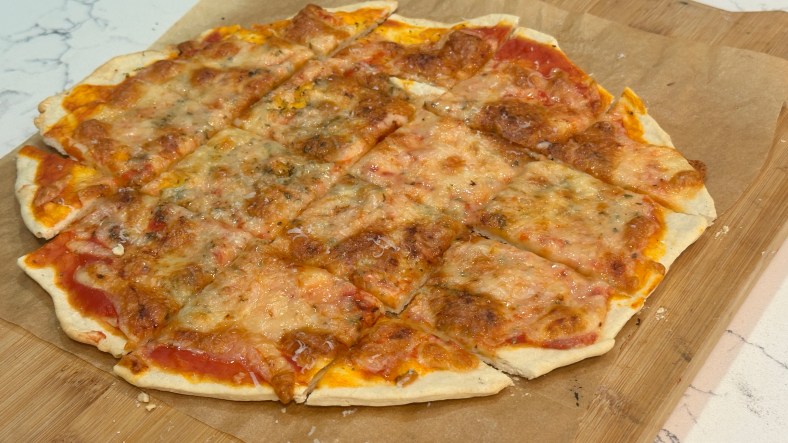
If you’ve never had St. Louis-style pizza, get ready for something totally unexpected. This Missouri-born creation defies every traditional pizza rule in the best way possible—starting with the fact that it’s cut into squares, not slices. That’s right, in St. Louis, pizza isn’t served in the familiar triangle shape but instead in a grid of bite-sized squares, thanks to what’s known as the “party cut” or “tavern cut.” But the unique slicing method is just the beginning of what sets this style apart.

First and foremost, the crust is unlike any other. Instead of a chewy, airy dough, St. Louis-style pizza has an ultra-thin, cracker-like crust that snaps rather than bends. There’s no yeast involved, which means the dough stays flat and crispy, giving each bite a satisfying crunch. This makes it one of the few pizzas that you definitely cannot fold—and honestly, you wouldn’t want to. The crisp texture is the backbone of the entire experience.

Then there’s the cheese—and this is where things get really St. Louis. Unlike most pizzas that use mozzarella, St. Louis-style pizza is topped with Provel cheese, a hyper-local blend of cheddar, Swiss, and provolone. Provel is an acquired taste—it’s ultra-melty, creamy, and has a slight smoky, buttery flavor. While some people love its gooey texture, others find it almost too processed. But for St. Louisans, Provel is non-negotiable. You’ll even find it in toasted ravioli, another local specialty. If you order a St. Louis-style pizza outside of Missouri, chances are they’ll swap in mozzarella, but if you want the real deal, it’s gotta be Provel.

As for the sauce, St. Louis keeps things sweet and tangy. Unlike the bright, acidic sauces of Neapolitan or New York-style pizza, St. Louis pizza sauce often has a touch of sugar, creating a slight sweetness that balances the saltiness of the Provel cheese. It’s usually spread in a thin layer, so the sauce never overwhelms the crispy crust.

And finally, we have the toppings. Since the crust is thin and crispy, St. Louis-style pizza can handle a lot of toppings without getting soggy. Popular choices include Italian sausage, pepperoni, mushrooms, onions, and green peppers, though some places get more creative. One classic St. Louis topping combo is bacon and onion, a salty-sweet mix that plays well with the Provel.

While the “who invented St. Louis pizza?” debate continues, one name always comes up: Imo’s Pizza. Founded in 1964 by Ed and Margie Imo, this family-owned business turned the local style into a full-blown institution. Today, Imo’s is to St. Louis what Domino’s is to the rest of America—a citywide staple with dozens of locations serving up thin, crispy, Provel-smothered pies.

Outside of Missouri, St. Louis-style pizza remains a bit of a cult favorite. Some people can’t get enough of the crispy crust and melty Provel, while others struggle to embrace its unconventional approach. But love it or hate it, St. Louis-style pizza is one of the most distinct and proudly regional pizzas in the U.S. It’s not trying to be New York, Neapolitan, or Chicago deep-dish—it’s doing its own thing, unapologetically.

So, if you ever find yourself in St. Louis, forget the debate over whether Provel is real cheese, embrace the party cut, and dive into a crispy, cheesy, square-shaped bite of Missouri’s finest. Just don’t ask for a slice.

Worldwide Food Tour – Senegal

Maafe has its origins in the Manding (Mande) people, who historically inhabited present-day Senegal, Mali, and Guinea. It is believed to have been created centuries ago, when groundnuts (peanuts) were introduced to Africa through Portuguese traders in the 16th century.

Over time, peanuts became a staple crop in West Africa, leading to the development of rich, peanut-based stews like Maafe. The dish spread across the Sahel region, becoming a fundamental part of the cuisines of Mali, Gambia, Guinea, Nigeria, and Ivory Coast.

While Maafe is most closely associated with Senegal, it is widely popular across Francophone West Africa, with slight variations in ingredients and cooking techniques depending on the region.


What is Maafe?

At its core, Maafe is a peanut-based stew, thickened with tomatoes, spices, and vegetables, and often served with rice, couscous, or fufu. The dish’s rich, nutty flavor is balanced by the acidity of tomatoes, the savoriness of slow-cooked meat, and the earthy warmth of West African spices.

Essential Ingredients of Maafe:

  • Meat (or Protein): Typically chicken, beef, lamb, or even fish. Some vegetarian versions use tofu or chickpeas.
  • Peanut Butter (Groundnut Paste): The defining ingredient, giving the dish its signature creamy texture and nutty richness.
  • Tomatoes & Tomato Paste: Adds depth, acidity, and umami.
  • Onions & Garlic: Provide a strong aromatic base.
  • Vegetables: Often includes carrots, sweet potatoes, cabbage, okra, or potatoes for added heartiness.
  • Spices:
    • Ginger & Bay Leaves – For warmth and fragrance.
    • Chili Peppers or Scotch Bonnet – For a spicy kick (Maafe can be mild or fiery!).
    • Cumin & Coriander – For subtle earthiness.
  • Stock or Water: Helps create the luscious, thick sauce.

Some regional versions add coconut milk for extra creaminess, while others incorporate mustard, tamarind, or fermented locust beans for a deeper umami flavor.


Tasting Notes: A Perfect Balance of Nutty, Savory, and Spicy

A bowl of Maafe is deeply satisfying and complex:

  • The peanut butter gives it a creamy, silky texture, coating every bite with rich, nutty flavor.
  • The tomatoes add a bright acidity, balancing the richness of the groundnuts.
  • The meat is fork-tender, infused with the slow-simmered spices and sauce.
  • The vegetables absorb the flavorful broth, adding natural sweetness and texture.
  • The spices and chili bring a gentle heat, making every bite warming and fragrant.

Maafe’s comforting richness makes it the perfect dish for both everyday meals and festive occasions.


How Maafe is Served

Maafe is traditionally enjoyed as a communal meal, served with a starchy base to soak up the flavorful sauce.

Common Accompaniments:

  1. Steamed White Rice – The most common pairing, allowing the peanut sauce to shine.
  2. Couscous – Popular in Senegal and Mali, giving a light, fluffy contrast to the thick stew.
  3. Fufu (Pounded Yam or Cassava) – A traditional West African choice, perfect for scooping up the sauce.
  4. Bread – Sometimes served with crusty baguette (a French colonial influence).

In Senegal, Maafe is often eaten family-style, with people gathered around a large communal bowl, scooping up the stew with rice or bread.


Beyond Senegal: Maafe’s Influence Across West Africa

While Maafe is most famous in Senegal, it has many variations across West Africa:

  • In Mali, it’s called Tigadegena and often includes more vegetables.
  • In Gambia and Guinea, it is spicier and sometimes made with fish instead of meat.
  • In Nigeria and Ghana, peanut stews are similar but use local spices and ingredients.

No matter the version, the rich, nutty, and deeply comforting essence of Maafe remains the same.


Why Maafe is One of Senegal’s Most Beloved Dishes

Rich & Flavorful – A perfect harmony of peanuts, tomatoes, and spices.
Comforting & Hearty – A warming, satisfying meal that fills you up.
Versatile – Can be made with chicken, beef, lamb, fish, or even vegetarian.
A Dish with History – A centuries-old recipe with deep cultural roots in West Africa.
Perfect for Sharing – A communal dish that brings people together over good food.

Whether you’re enjoying it in Dakar, Bamako, or your own kitchen, Maafe is a taste of West African tradition in every spoonful.

Margherita Sbagliata

Margherita Sbagliata is a pizza that turns tradition on its head while still honoring the essence of what makes a classic Margherita so beloved. In Italian, “sbagliata” means “mistaken” or “wrong,” a word that suggests a happy accident or an intentional twist on the original. Much like the Negroni Sbagliato, where prosecco replaces gin for a lighter, sparkling take on the cocktail, Margherita Sbagliata takes the familiar ingredients of a traditional Pizza Margherita and rearranges them in a way that challenges expectations while delivering a completely satisfying experience.

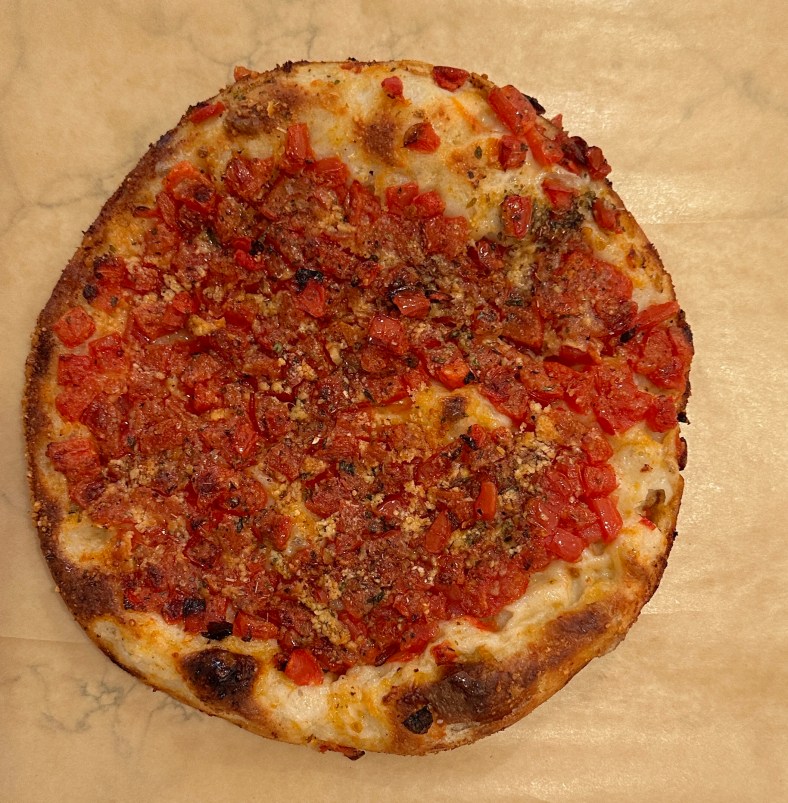
At first glance, it might not even look like a Margherita pizza. The typical structure—red tomato sauce, white mozzarella, and green basil, meant to mirror the Italian flag—is flipped, reimagined, or even deconstructed depending on the pizzeria or chef making it. In some versions, the tomato is no longer the base but instead appears in chunks, roasted or semi-dried, scattered atop a white pizza, where a layer of fior di latte or burrata takes center stage. The result is a pizza that still tastes unmistakably like a Margherita but with a different balance of textures and flavors. Instead of a thin layer of tomato sauce seeping into the dough, the concentrated bursts of roasted or blistered cherry tomatoes add a more intense, almost jammy sweetness that contrasts beautifully with the creaminess of the cheese.

Another version of the Margherita Sbagliata plays with the cooking process, adding the tomato only after the pizza has baked, rather than spreading it onto the dough before it goes into the oven. This method, sometimes referred to as a reverse Margherita, allows the crust to develop a deeper char and crispness without absorbing moisture from the sauce, resulting in a more defined chew and crunch. When the pizza comes out of the oven, crushed or puréed tomatoes—sometimes raw, sometimes lightly cooked—are spooned over the bubbling cheese, creating a fresh and slightly unexpected contrast between the warm crust and the bright acidity of the tomato.

Some interpretations go even further, introducing ingredients like stracciatella, ricotta, or even smoked mozzarella to enhance the richness of the cheese element. Instead of the traditional basil leaf, some versions finish with a basil-infused oil or delicate microgreens, offering the herbal note in a more subtle, modern way. The flexibility of Margherita Sbagliata makes it an exciting canvas for chefs to experiment with while still keeping it firmly rooted in Italian tradition.

Despite the changes in presentation and technique, the fundamental appeal of this pizza remains the same as the original Margherita: a perfect harmony of dough, tomato, cheese, and basil. The “mistaken” part of its name is, in reality, anything but a mistake—it’s a rethinking of a classic that brings out different elements of its flavor profile, sometimes highlighting the brightness of the tomatoes, sometimes leaning into the creaminess of the cheese, sometimes emphasizing the crispness of the crust. It’s a variation that celebrates tradition while embracing the creativity that has always been a part of Italian cooking.

In Naples, where pizza is treated with near-religious devotion, you’re more likely to find the traditional Margherita reigning supreme, but in cities like Rome, Milan, and even international pizza hubs in New York or London, Margherita Sbagliata has carved out a niche as a modern, inventive alternative. Whether ordered in a trendy pizzeria or recreated at home with high-quality ingredients, it offers a fresh perspective on something familiar, proving that even a classic like the Margherita still has room for reinvention.

Pizza: Grandpa Mike’s ‘Affogatz’

This is an odd one. My grandfather Mike was a NY Italian and I’m pretty sure this is his NY accent butchering ‘a foccacia’ – but that’s what he called it and it was a central part of every holiday held in their house. He would grow his own tomatoes and then make a bunch of these pizzas then freeze them for the holidays. They held up in the freezer surprisingly well and it was one of the things I most looked forward to when visiting them for the holidays. I would also steal big slices of it and smuggle it out wrapped tinfoil so I could eat it like a cave troll later in the privacy of my room and not have to share it

Now – we all loved this pizza and when I was in my early teens he showed me how to make it (since I was the only one that showed any interest in cooking he felt I was worthy). I remember him patiently walking me through the steps and me paying close attention but NOT TAKING NOTES. So when he passed a few years later my grandmother asked me if I could make some ‘affogatz’ for her and I panicked because I barely remembered what he taught me at all.

That began the trip down the rabbit hole of trying to recreate a taste from memory. I knew he often bought pizza dough from the store so I started there but it didn’t really match the texture of the pizza so I turned to making a quick 2 hour rise dough that fit the flavor profile (it wasn’t a long proofed dough – it has a more bready consistency). I knew plum tomatoes were the answer because other tomatoes were too wet. I remember him walking me through crushing the tomatoes after they are cut and that helps ensure it cooked a bit more evenly but the texture was off.

The spice profile was pretty easy to nail – salt, lots of pepper, and a proprietary blend of seasonings were easy to isolate as I knew he had a very limited spice cabinet so it wasn’t hard to deduce what he used.

So I had the pizza, I had the flavors but the texture just wasn’t what I remembered. It took me a few years but I was making some other dish when it clicked in my mind that he cooked the tomatoes and drained them before he put them on the pizza.

The last piece of the puzzle was solved and now I can reliably recreate this unique dish for my family and hopefully inspire one of my future grand-kids to take up the torch and keep the tradition alive (the recipe is in the family cookbook now so it’s safe and preserved for the future)