Worldwide Food Tour – Finland

Karjalanpiirakka (Karelian pasty) is one of Finland’s most iconic and cherished baked goods, originating from the Karelia region, which historically straddled eastern Finland and parts of Russia. These thin, crispy rye crust pastries filled with creamy rice porridge are a staple of Finnish cuisine, often enjoyed warm with butter, egg butter (munavoi), or alongside coffee.

Simple yet deeply comforting, Karjalanpiirakka represents the heart of Finnish home cooking, with recipes passed down through generations. Whether found in bakeries, homes, or festive gatherings, this pastry is a symbol of Finnish heritage and resilience.


The History: A Pastry with Deep Karelian Roots

Karjalanpiirakka traces its origins back hundreds of years to Karelia, a region that has been at the crossroads of Finnish and Russian culture. This humble pastry was a practical food for travelers and farmers, as it was easy to carry and made from simple, locally available ingredients.

Originally, the filling varied by season—barley, potatoes, and mashed turnips were common before rice became widely available. By the 19th and 20th centuries, rice porridge became the standard filling, especially after trade expanded.

Due to wars and shifting borders, many Karelians migrated to other parts of Finland in the 1940s, bringing their traditional recipes with them. Over time, Karjalanpiirakka became a nationwide Finnish favorite, officially recognized as a Protected Traditional Specialty (TSG) by the EU in 2003.


What is Karjalanpiirakka?

Karjalanpiirakka is a thin-crusted, oval-shaped pasty, made with a crispy rye dough and traditionally filled with creamy rice porridge.

Essential Ingredients:

Crust:

  • Rye flour – Gives the pastry its signature rustic texture.
  • All-purpose flour (optional) – Sometimes added for a slightly softer dough.
  • Salt & Water – Keeps the dough simple and pliable.

Filling:

  • Rice porridge – Made with short-grain rice, milk, and salt, cooked to a smooth, creamy consistency.
  • (Variations) – Some versions use mashed potatoes or carrot filling.

Topping:

  • Egg butter (Munavoi) – A classic Finnish spread made with hard-boiled eggs mashed with butter and a pinch of salt, served warm on top of the pasty.

Tasting Notes: Rustic, Comforting, and Savory

Karjalanpiirakka has a unique contrast of textures:

  • The crust is thin, slightly crisp, and earthy due to the rye flour.
  • The filling is creamy and rich, providing a subtle buttery and slightly salty taste.
  • When topped with warm egg butter, it adds an extra layer of richness and smoothness, melting into the pastry.

Despite its modest ingredients, Karjalanpiirakka delivers deeply satisfying comfort, making it perfect for breakfast, snacks, or alongside a cup of coffee.


How Karjalanpiirakka is Served

Karjalanpiirakka is best enjoyed fresh and warm, often topped with egg butter or other traditional accompaniments.

Common Ways to Enjoy Karjalanpiirakka:

  1. With Egg Butter (Munavoi) – The classic Finnish way, where buttery, salty eggs enhance the creamy rice filling.
  2. With Butter and Cheese – A simple yet delicious variation.
  3. With Smoked Salmon and Dill – A modern Finnish take, adding a delicate, savory contrast.
  4. With Finnish-style Gravlax or Cold Cuts – A common way to serve it at buffets or gatherings.
  5. As a Side for Soup – Often paired with a hot bowl of Finnish salmon soup (Lohikeitto).

Many Finns also freeze Karjalanpiirakka, reheating them in the oven for a fresh-baked taste anytime.


Beyond Finland: A Pastry Loved Worldwide

Thanks to Finnish emigration, Karjalanpiirakka is now enjoyed in Finnish communities across Sweden, Canada, and the United States. Finnish bakeries worldwide continue to keep the tradition alive, ensuring this humble pasty remains a beloved comfort food.


Why Karjalanpiirakka is a Finnish National Treasure

Simple Yet Flavorful – A crispy, hearty crust meets a creamy, comforting filling.
Deeply Rooted in Finnish Culture – A pastry passed down for generations.
Versatile & Customizable – Can be topped with egg butter, cheese, or smoked fish.
Nutrient-Rich & Filling – A healthy, energy-packed snack that’s great for any time of day.
Perfect for Celebrations & Everyday Eating – Found at both holiday tables and casual breakfast spreads.

Whether you try it in a Finnish bakery or make it at home, Karjalanpiirakka offers a taste of Finland’s culinary history in every bite.
Worldwide Food Tour – Japan

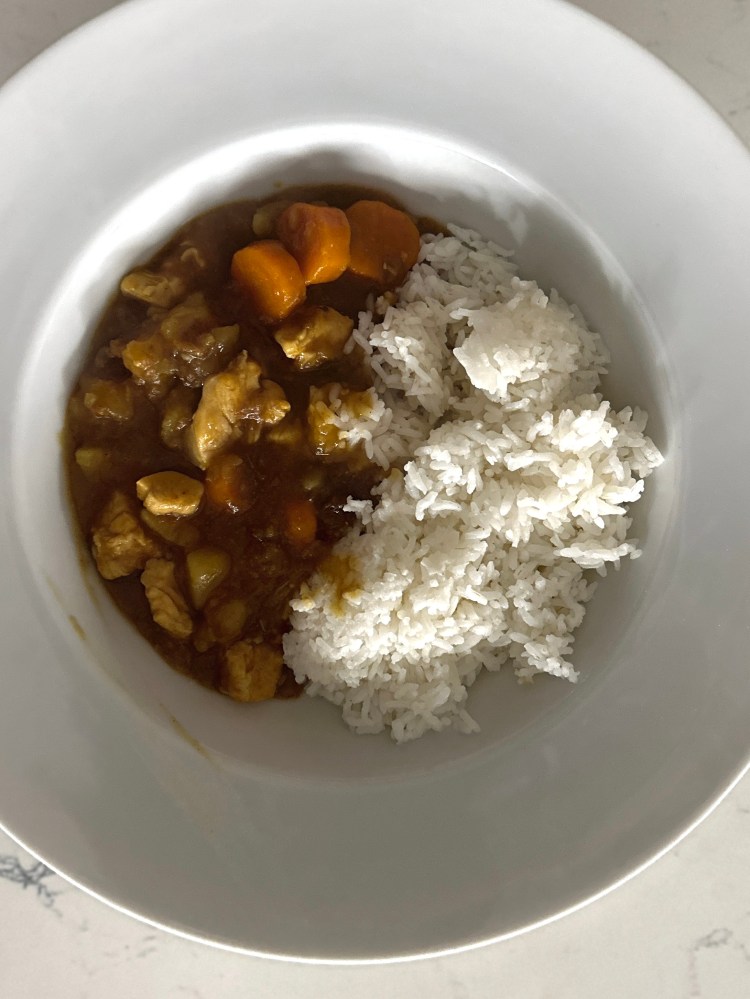
Kare Raisu (カレーライス), or Japanese curry rice, is one of Japan’s most beloved comfort foods. Unlike the spicier, more complex curries of India or the fragrant coconut-based curries of Thailand, Japanese curry is mild, thick, slightly sweet, and deeply savory, served with steamed rice and often accompanied by crispy fried cutlets.

Kare Raisu is a staple of home cooking, found everywhere from family kitchens and school cafeterias to train stations and military mess halls. Its rich, velvety sauce and satisfying depth of flavor make it a go-to meal for all ages in Japan.


The History: A British-Indian Influence Turned Japanese Staple

Though curry is often associated with India, Japanese curry has its roots in British naval cuisine. During the late 19th century (Meiji Era), the British Royal Navy introduced a thickened, stew-like curry to Japan via the Imperial Japanese Navy, which adopted it as a nutritious, easy-to-make dish for their sailors.

Unlike Indian curries, which use a blend of dry spices, British-style curry was made with a roux (flour and fat mixture) to thicken the sauce, making it closer to a stew than a traditional curry. Over time, Japan adapted this into Kare Raisu, using pre-made curry roux blocks for convenience, which are now found in every Japanese grocery store.

By the 20th century, Japanese curry had spread beyond naval kitchens and into homes, restaurants, and school lunches, becoming one of Japan’s most popular and enduring dishes.


What is Kare Raisu?

Kare Raisu consists of three main components:

  1. The Curry Sauce: A thick, mildly spiced, slightly sweet curry gravy made from curry roux, onions, carrots, potatoes, and meat (often beef, chicken, or pork).
  2. Steamed White Rice: Traditionally short-grain Japanese rice, which holds its shape well and pairs perfectly with the rich sauce.
  3. Toppings and Garnishes: Often served with pickled vegetables (fukujinzuke or rakkyo) and sometimes paired with crispy fried cutlets (Katsu Kare).

Essential Ingredients of Japanese Curry:

  • Curry Roux (カレールー): The key to the dish’s signature taste, available in mild, medium, or spicy varieties.
  • Meat: Usually chicken, beef, or pork, though seafood or vegetable versions exist.
  • Onions, Carrots, and Potatoes: The classic trio, giving the dish sweetness and heartiness.
  • Apple, Honey, or Chocolate (Optional): Some recipes add grated apple, honey, or dark chocolate for a subtle sweetness and depth.
  • Soy Sauce and Worcestershire Sauce: Enhance the umami richness of the curry.

Tasting Notes: A Mild, Sweet, and Comforting Curry

Japanese Kare Raisu is thicker, milder, and sweeter than Indian or Thai curries.

  • The curry sauce is rich and velvety, with a consistency similar to gravy or stew.
  • The flavors are slightly sweet, umami-rich, and gently spiced, making it accessible even for those who dislike heat.
  • The vegetables absorb the curry’s depth, adding layers of texture and natural sweetness.
  • The rice provides a neutral base, soaking up the sauce beautifully.

A well-made Kare Raisu is deeply comforting and nostalgic, bringing back childhood memories for many Japanese people.


How Kare Raisu is Served

Japanese curry is a versatile dish enjoyed in various forms:

1. Classic Kare Raisu (カレーライス) – The Standard Plate

  • Served with steamed white rice, sometimes with pickled vegetables (fukujinzuke).
  • The curry is ladled over the rice, forming a half-and-half plate.

2. Katsu Kare (カツカレー) – Curry with Crispy Fried Cutlet

  • A popular variation where a breaded and deep-fried pork or chicken cutlet (tonkatsu or chicken katsu) is placed on top of the curry.
  • The crispy cutlet adds a crunchy contrast to the rich sauce.

3. Kare Udon (カレーうどん) – Curry-Flavored Udon Noodles

  • The curry sauce is thinned into a soup-like consistency and served over chewy udon noodles.

4. Kare Pan (カレーパン) – Curry-Stuffed Bread

  • A deep-fried Japanese curry-filled bread roll, often found in bakeries.

Kare Raisu is often eaten with a spoon rather than chopsticks, as the thick sauce coats the rice perfectly.


Why Japanese Curry is a National Favorite

Mild, Rich, and Comforting – Perfect for those who prefer a gentle, non-spicy curry.
Easy to Make – With pre-made curry roux blocks, it’s a simple one-pot meal.
Highly Customizable – Can be made with chicken, beef, pork, seafood, or even vegetarian options.
Deeply Nostalgic – A dish that Japanese people associate with home, childhood, and family meals.
Perfect for All Ages – Loved by both kids and adults, making it a staple in schools and homes.

From busy weeknight dinners to comforting rainy-day meals, Kare Raisu is Japan’s ultimate home-cooked dish.

Worldwide Food Tour – Canada

A Dish of Crispy, Cheesy, and Savory Goodness

Few dishes represent Canadian cuisine as distinctly as Poutine—a delicious, decadent mix of crispy fries, squeaky cheese curds, and rich brown gravy. Originally from Quebec, this dish has become a national favorite, enjoyed everywhere from fast-food joints to high-end restaurants.

Poutine is more than just a dish—it’s a Canadian cultural icon, embodying comfort, indulgence, and late-night cravings. Whether served in its classic form or reinvented with gourmet twists, poutine remains a beloved staple of Canadian food culture.


The History: A Humble Quebecois Invention

Poutine was born in rural Quebec in the 1950s, though its exact origin is hotly debated. According to legend, a customer at a restaurant in Warwick, Quebec, asked for cheese curds on top of his fries, prompting the owner to declare, “Ça va faire une maudite poutine!” (“That’s going to make a damn mess!”).

Later, gravy was added to help keep the fries warm, completing what is now known as the classic poutine. By the 1970s and 1980s, poutine spread beyond Quebec and became a Canadian fast-food staple, appearing in major chains like McDonald’s, KFC, and Burger King.

Today, poutine is enjoyed across Canada and internationally, with variations found in New York, France, and even Japan.


What is Poutine?

Poutine consists of three essential components:

  1. French FriesCrispy on the outside, fluffy on the inside, traditionally thicker-cut fries.
  2. Cheese CurdsSoft, fresh, squeaky white cheddar curds, which partially melt under the hot gravy.
  3. Brown Gravy – A rich, savory beef or chicken gravy, thick enough to coat the fries but thin enough to seep between them.

Optional Additions & Variations:

  • Meat Poutines: Topped with smoked meat (Montreal-style), pulled pork, or bacon.
  • Lobster Poutine: A luxurious East Coast variation with fresh lobster.
  • Breakfast Poutine: Topped with eggs, sausage, or hollandaise sauce.
  • Vegetarian Poutine: Made with mushroom-based or vegetarian gravy.
  • Foie Gras Poutine: A gourmet twist found in high-end Canadian restaurants.

Tasting Notes: A Perfect Balance of Crunchy, Gooey, and Savory

Poutine is rich, indulgent, and deeply satisfying:

  • The fries stay crispy yet absorb the rich, salty gravy.
  • The cheese curds are warm and slightly melted but still hold their shape and squeak when bitten into.
  • The brown gravy is smooth, umami-packed, and brings everything together in a deliciously messy harmony.

Each bite delivers a contrast of textures and bold flavors, making poutine one of the most comforting and crave-worthy dishes in Canada.


How Poutine is Served

Poutine is enjoyed as:

  1. A Classic Fast-Food Dish – Found in diners, food trucks, and fast-food chains.
  2. A Late-Night Snack – A staple of Canadian nightlife, perfect after a night out.
  3. A Gourmet Experience – Reinvented by chefs with premium ingredients.
  4. A Festival Staple – Celebrated at Poutine Festivals across Canada.

No matter how it’s served, poutine is best eaten hot and fresh, ensuring the perfect balance of crispy fries, melted cheese, and gravy.


Why Poutine is Canada’s Most Famous Dish

Crispy, Gooey, and Savory – A perfect mix of textures and flavors.
A Cultural Icon – Deeply rooted in Quebecois and Canadian identity.
Versatile & Customizable – Can be enjoyed classic or with endless toppings.
Comfort Food at Its BestRich, indulgent, and perfect for any craving.
Recognized Worldwide – A dish that has gained international fame.

From small-town Quebec to the streets of Toronto and Vancouver, poutine is a dish that unites Canada, bringing warm, cheesy, and gravy-filled joy to every bite.

Goal Met – Brew my Own Beer

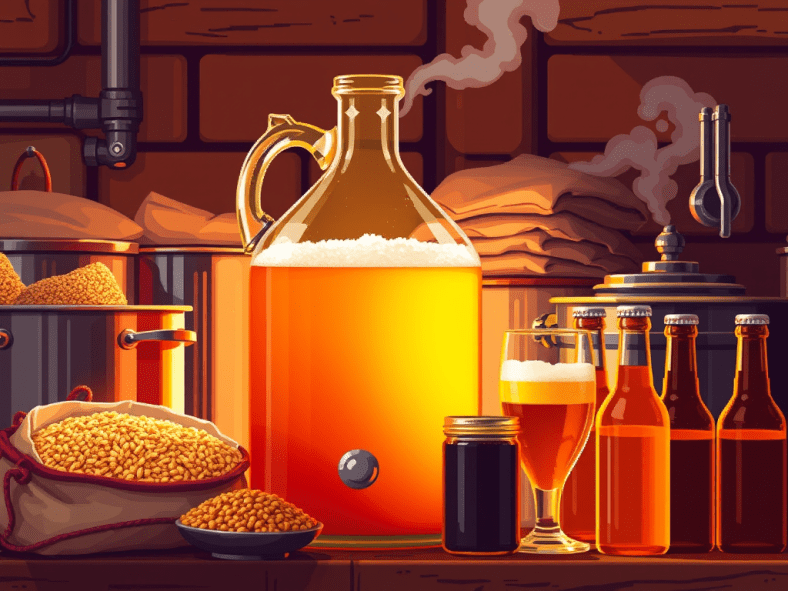
OK – I cheated a little with this and bought a kit that had all the ingredients and equipment I’d need. I figured the whole point was to learn the process and being stepped through it and handed all the ingredients measured out still accomplished that! Besides – it was less expensive to just buy the kit than purchase everything else I needed.

I originally wanted the chocolate stout but they didn’t have that in stock – so I opted for the orange golden which sounded pretty tasty. The kit came with all the brewing stuff I’d need (bottles sold separately) and some pretty straightforward instructions.

I did do a bunch of research on YouTube to get some hints and things to watch out for and they all seemed to agree with the instructions provided so I set to work making some beer.

The first step was steeping the grains, then adding the malt and bitters and boiling for 60 minutes (creating the wort) adding the aromatics and orange peels right at the end. Then I had to rapidly cool the pot to cool off the wort – easily done with a big steel pot full of ice and water. Once cooled, I filled the brewing carboy and setup the off-gassing system (a tube going from the stopper on the carboy to a glass half filled with water).

Then came the waiting part – somewhere around three days the bubbling in the water will stop and you can switch to the interlock cap and then let the beer hang out in a dark place for about two weeks. There’s a complex siphoning kit that lets you fill the bottles with beer while avoiding the sediment on the bottom of the carboy – mix it with the priming sugar and you’ve got a yeast feast!

Once the bottles are filled they hang out for another two weeks while the carbonation starts happening – after two weeks they need to go to the fridge to slow down the carbonation or you’re going to have bottle bombs.

Overall not too complicated a process and I learned a lot about what it takes to make beer – why each step of the process is important and that the process is easy, you just need a couple of hours of actual work then let time and nature do its thing!

Goal Met – Cook 50 dishes from different countries

Embarking on a culinary journey to explore global cuisines is akin to unlocking a treasure trove of flavors, traditions, and stories from around the world—all within the confines of your own kitchen. It’s an adventure that transcends mere cooking; it’s about immersing oneself in diverse cultures, understanding their histories, and appreciating the unique ingredients that define their culinary identities.

Diving into unfamiliar recipes can be both exhilarating and humbling. There’s a certain thrill in sourcing exotic spices you’ve never encountered before or mastering a cooking technique that’s entirely new to you. Each dish becomes a lesson, not just in culinary arts, but in geography, history, and anthropology. It’s a hands-on way to experience the world, one plate at a time.

I first thought lets make it 50 countries I’ve never cooked a dish from before but when I checked my notes I saw that would make this pretty much impossible as I’ve been picking various dishes to cook from other countries for years and if I limited it that way I’d be hamstringing myself. I did set a rule that where I could, I would make something new from that country instead of repeating a dish (I broke this rule with Italy since I’ve been cooking Italian food my whole life and I’d need to dig deep to find something)

The first 10-15 countries were easy as I zeroed in on the most popular cuisines globally and did some light research to find dishes that were representative of that country. It was fun learning about why each food was relevant and cross referencing different recipes to see if there’s a common consensus (ChatGPT is great for this task) once I got past those low hanging fruits I actually found a few websites that would let you randomly pick a country and I rolled the proverbial dice each week and tried to cook a dish from whatever country it landed on (hence some of the more esoteric choices)

Most of the time I was able to identify a dish that was representative and source the ingredients locally but sometimes I had to special order ingredients for more exotic dishes which was fun as then I’d have to try to find a use for those ingredients after I made the dish (Soups, it was all soups)

I kept track of the countries via a map API in my google sheet and it was fun watching the countries fill in as I made each dish.

In essence, learning to cook new foods and experimenting with diverse ingredients is a celebration of cultural diversity and a testament to the unifying power of food. It’s an invitation to step out of your culinary comfort zone, to taste the world, and to bring a piece of it into your home. So, don your apron, gather those exotic spices, and embark on a gastronomic adventure that promises to enrich both your palate and your understanding of the world.

Worldwide Food Tour – Ukraine

A Dish That Defines Ukrainian Heritage

Borscht (борщ) is Ukraine’s national dish, a rich, deeply flavorful beet soup that has been enjoyed for centuries. Known for its brilliant red color, complex sweet-sour taste, and nourishing ingredients, borscht is more than just food—it is a symbol of Ukrainian identity, hospitality, and resilience.

Though variations of borscht exist across Eastern Europe and Russia, Ukraine is widely recognized as its true birthplace. Each Ukrainian household has its own unique version, passed down through generations, making borscht both deeply personal and culturally significant.


The History: A Dish with Centuries of Tradition

Borscht has been a staple of Ukrainian cuisine since at least the 14th century, originating in Kyivska Rus’ (modern-day Ukraine and surrounding regions). Originally, borscht was made with hogweed (борщівник, borshchivnyk), a wild plant that gave the soup its name. Over time, beets replaced hogweed, creating the signature red color and slightly sweet flavor that defines modern borscht.

During the Soviet era, borscht was promoted as a pan-Slavic dish, but Ukrainians have always fiercely defended it as their national culinary treasure. In 2022, UNESCO officially recognized Ukrainian borscht as part of Ukraine’s cultural heritage, affirming its deep historical roots and cultural significance.


What is Borscht?

Borscht is a beet-based soup, often made with a rich meat broth, root vegetables, cabbage, and sour flavors like vinegar or fermented beet kvass.

Essential Ingredients of Ukrainian Borscht:

  • Beets (Red Beetroots): The star ingredient, giving borscht its deep ruby-red color and slightly sweet, earthy taste.
  • Cabbage: Adds heartiness and texture.
  • Potatoes & Carrots: Provide additional body and natural sweetness.
  • Onions & Garlic: Essential aromatics for depth of flavor.
  • Tomatoes or Tomato Paste: Adds richness and acidity.
  • Meat (Optional): Beef, pork, or chicken for a hearty version, though vegetarian borscht is also common.
  • Sour Component: Vinegar, lemon juice, or fermented beet kvass for the signature tangy-sweet balance.
  • Dill & Bay Leaves: Traditional herbs for fragrance.
  • Smetana (Sour Cream): A must-have topping for creamy contrast.

Some versions also include beans, mushrooms, or smoked meat, depending on regional traditions and personal preference.


Tasting Notes: Sweet, Savory, and Slightly Tangy

Borscht is richly complex, deeply satisfying, and uniquely balanced:

  • The beets provide a natural sweetness, creating a distinct earthy undertone.
  • The cabbage and root vegetables absorb the flavorful broth, making every bite hearty.
  • The sour component adds a mild tang, preventing the soup from being overly sweet.
  • Fresh dill gives a bright, herbal contrast, enhancing the dish’s depth.
  • A dollop of sour cream melts into the soup, creating a luxurious creaminess.

The flavors intensify overnight, making borscht even better the next day.


How Borscht is Served

Borscht is enjoyed year-round, served either hot in winter or chilled in summer (Kholodnyk borscht).

Traditional Serving Styles:

  1. With a Dollop of Sour Cream (Smetana): The most classic way to enjoy borscht.
  2. With Pampushky (Garlic Bread Rolls): Soft, fluffy rolls brushed with garlic oil, perfect for dipping.
  3. With Fresh Dill & Black Pepper: Enhancing the flavors with herbal notes.
  4. With a Side of Salo (Cured Pork Fat) & Rye Bread: A traditional Ukrainian pairing.
  5. Vegetarian Borscht (Pісний Борщ): A meatless version, often eaten during Orthodox fasting periods.

Borscht is best enjoyed slowly, savoring its deep, layered flavors, often accompanied by a warm conversation among family or friends.


Beyond Ukraine: Borscht’s Global Influence

Though borscht is deeply Ukrainian, variations exist in neighboring countries:

  • Poland: Barszcz, a thinner beet soup often served with dumplings.
  • Russia & Belarus: Sometimes made with fermented beets for a stronger sour flavor.
  • Lithuania: Cold beet soup (Šaltibarščiai) with kefir and eggs.

Despite its regional variations, Ukrainian borscht remains the gold standard, with its perfect balance of richness, acidity, and sweetness.


Why Borscht is Ukraine’s Most Beloved Dish

Deep, Complex Flavor – A perfect harmony of sweet, sour, and savory.
Nutritious & Hearty – Packed with vitamins, fiber, and protein.
A Cultural Symbol – Represents Ukrainian resilience and national pride.
Versatile & Customizable – Can be made meaty, vegetarian, hot, or cold.
Perfect for Sharing – A warm, communal dish enjoyed by generations.

Borscht is not just a soup—it’s a story, a tradition, and a taste of Ukraine’s soul. 🇺🇦

Worldwide Food Tour – Germany

A Crispy, Chewy, and Golden-Brown Classic

The Bavarian Pretzel (Brezn) is one of Germany’s most famous baked goods, known for its deep brown, crispy crust, soft and chewy interior, and distinctive twisted shape. Often sprinkled with coarse salt and served with butter, mustard, or cheese dips, this iconic snack is a staple of Bavarian beer gardens, Oktoberfest celebrations, and bakeries across Germany.

More than just a snack, the Bavarian Pretzel is a symbol of Bavarian culture and hospitality, enjoyed alongside a stein of beer, traditional sausages, or as a quick breakfast treat.


The History: A Bavarian Tradition with Medieval Roots

The pretzel has a history dating back over 1,000 years, with origins linked to monasteries in Southern Germany and Austria. Legend has it that the distinctive pretzel shape represents arms crossed in prayer, making it a common symbol of good fortune and blessings.

In Bavaria, pretzels became a staple by the 12th century, when bakers perfected the lye-dipping technique that gives Bavarian pretzels their deep golden-brown crust and unique flavor. By the 19th century, Bavarian beer gardens popularized the pairing of freshly baked pretzels with beer, a combination that remains synonymous with Bavarian hospitality today.


What Makes a Bavarian Pretzel Unique?

Unlike soft American-style pretzels, Bavarian pretzels have a distinct texture and flavor:

  • Crispy, deep brown crust – Achieved by dipping the dough in lye (alkaline solution) before baking.
  • Soft, chewy interior – Slightly dense, with a hint of maltiness.
  • Mildly salty taste – Balanced with the sweet undertones of the dough.
  • Traditional pretzel shape – Thick arms, a thin twisted middle, and a wide rounded top.

Essential Ingredients of a Bavarian Pretzel:

  • Flour – Traditionally wheat flour for the perfect chew.
  • Water & Yeast – To create a light, airy dough.
  • Salt & Sugar – For flavor and balance.
  • Butter or Lard (Optional) – Some traditional recipes use a small amount of butter or lard for richness.
  • Lye Solution (Natronlauge) – The key to Bavarian pretzels’ signature crust and color.

Tasting Notes: Savory, Malty, and Irresistible

  • The crust is deeply golden-brown, crisp, and slightly glossy.
  • The inside is soft, chewy, and slightly malty, with just the right amount of saltiness.
  • The contrast between the crunchy exterior and soft center makes every bite satisfying.

The slight bitterness from the lye wash balances the natural sweetness of the dough, making Bavarian pretzels incredibly addictive.


How Bavarian Pretzels are Served

Bavarian pretzels are incredibly versatile and can be enjoyed on their own or with classic pairings.

Traditional Serving Styles:

  1. With Butter (Butterbrezn) – A classic Bavarian breakfast, where the pretzel is sliced and spread with soft butter.
  2. With Weißwurst & Sweet Mustard – The traditional pairing of Bavarian white sausages and mild sweet mustard.
  3. With Obatzda (Cheese Dip) – A rich, creamy cheese spread made with Camembert, butter, paprika, and onions.
  4. With Beer (at a Biergarten or Oktoberfest) – The ultimate Bavarian beer snack.
  5. With Radishes & Pickles – Often served as part of a Bavarian Brotzeit (snack platter).

Why Bavarian Pretzels are a German Classic

Iconic Bavarian SnackA must-try in every beer garden and bakery in Germany.
Perfect Balance of Texture & FlavorCrispy, chewy, salty, and slightly malty.
Versatile & Customizable – Can be enjoyed plain, buttered, or with traditional dips.
Deeply Rooted in Tradition – A symbol of Bavarian hospitality for centuries.
Pairs Perfectly with BeerThe best companion to a cold German lager.

From Munich’s Oktoberfest to home kitchens across the world, Bavarian pretzels remain one of Germany’s most beloved baked goods.

World Food Tour – Romania

A Traditional and Hearty Romanian Comfort Dish

Mămăligă cu Brânză în Pături is a layered Romanian dish made with creamy mămăligă (polenta), brânză (cheese), and smântână (sour cream). This dish is a comforting and filling staple in Romanian cuisine, often enjoyed as a main course or a rich side dish. The name “în pături” translates to “in blankets”, referring to the layers of cheese wrapped between soft polenta.

Mămăligă is one of Romania’s most traditional foods, deeply rooted in peasant cuisine, and this version elevates it into a decadent, cheesy delight that is both rustic and satisfying.


The History: A Dish of Rural Romanian Origins

Mămăligă has been a staple in Romanian and Moldovan kitchens for centuries, dating back to the 16th century, when corn (maize) was introduced from the Americas. Originally, mămăligă was a humble peasant dish, replacing wheat-based bread for many rural families.

Over time, mămăligă evolved into a versatile dish, often combined with local cheeses and dairy products to create richer, more satisfying meals. Mămăligă cu Brânză în Pături is a beloved variation that layers cheese between soft polenta, creating a dish that is both hearty and indulgent.

This dish is commonly served in Romanian households, restaurants, and even at traditional countryside feasts, often enjoyed with a glass of fresh milk or sour cream on the side.


What is Mămăligă cu Brânză în Pături?

This dish consists of layers of creamy, golden mămăligă (polenta), crumbled cheese, and thick sour cream, baked or assembled into a warm, cheesy casserole.

Essential Ingredients:

  • Cornmeal (Mălai): The base ingredient, cooked into a smooth, creamy polenta.
  • Brânză de Burduf or Feta Cheese: A salty, crumbly cheese used between the layers.
  • Smântână (Romanian Sour Cream): Adds richness and creaminess to the dish.
  • Eggs (Optional): Sometimes whisked into the mămăligă for a softer texture.
  • Butter: For extra richness and a silky mouthfeel.

Some variations include layers of ham, bacon (slănină), or even fried eggs on top for extra indulgence.


Tasting Notes: Creamy, Cheesy, and Comforting

Mămăligă cu Brânză în Pături is rich and satisfying, with a perfect balance of textures and flavors:

  • The mămăligă is smooth, buttery, and slightly sweet, providing a soft base.
  • The cheese is tangy and salty, cutting through the richness of the polenta.
  • The smântână adds a creamy, slightly sour contrast, enhancing every bite.
  • If bacon or eggs are added, they bring an extra layer of depth and texture.

This dish is both rustic and elegant, making it a favorite in traditional Romanian cuisine.


How Mămăligă cu Brânză în Pături is Served

This dish is traditionally served hot and fresh, often in a large baking dish or individual portions.

Traditional Serving Styles:

  1. Plain, with a dollop of sour cream – The classic way to enjoy it.
  2. With Fried Eggs & Bacon (Ciolan Afumat or Slănină) – A heartier, richer version.
  3. With Pickles or Fresh Tomatoes – For a refreshing contrast.
  4. With Garlic Sauce or Butter – To enhance the flavors even further.

Mămăligă cu Brânză în Pături is often paired with a glass of fresh milk, buttermilk, or even a dry white wine.


Why Mămăligă cu Brânză în Pături is a Romanian Favorite

Simple Yet Satisfying – Made with just a few ingredients, yet deeply flavorful.
Rich in Tradition – A dish with centuries of history in Romanian households.
Versatile & Customizable – Can be enjoyed as a side dish or a main course.
Warm & Comforting – The perfect meal for cold winter nights.
A Symbol of Romanian Hospitality – Often served at family gatherings and celebrations.

From cozy countryside kitchens to modern Romanian restaurants, Mămăligă cu Brânză în Pături remains a beloved comfort dish, bringing warmth and nostalgia with every bite.

Worldwide Food Tour – Zambia

A Crispy, Golden Treat from Zambian Cuisine

Sweet Potato Fritters are a beloved snack and street food in Zambia, made from grated or mashed sweet potatoes, lightly spiced, and deep-fried until golden brown. These fritters are crispy on the outside, soft on the inside, and naturally sweet, making them perfect for breakfast, a midday snack, or a dessert.

In Zambia, sweet potatoes are a widely available and nutritious staple, and these fritters are a delicious way to enjoy them, often served with tea, honey, or a sprinkle of sugar.


The History: A Dish Rooted in Zambian Traditions

Sweet potatoes have been grown in Zambia for centuries, providing an affordable and nutritious source of energy. Traditionally, they are boiled, roasted, or fried, but sweet potato fritters have become a popular way to enjoy them, especially in rural communities and local markets.

These fritters are similar to vitumbuwa (Zambian fried dough balls) but with a natural sweetness from the potatoes. They are commonly sold by street vendors and made at home for family gatherings, celebrations, or as an after-school snack for children.


What are Zambian Sweet Potato Fritters?

These fritters are deep-fried, crispy sweet potato bites, made by combining mashed or grated sweet potatoes with flour and eggs, then frying them until golden brown.

Essential Ingredients:

  • Sweet Potatoes: The star ingredient, giving the fritters a naturally sweet flavor.
  • Flour: Helps bind the mixture together.
  • Eggs: Adds richness and structure.
  • Sugar (Optional): Enhances the natural sweetness.
  • Cinnamon or Nutmeg (Optional): Adds a warm, spiced flavor.
  • Baking Powder: Makes the fritters light and fluffy.
  • Oil: For deep-frying, creating a crispy exterior.

Some variations include grated coconut, vanilla extract, or mashed bananas for extra flavor.


Tasting Notes: Sweet, Crispy, and Comforting

Zambian sweet potato fritters are light, fluffy, and slightly crispy, with a naturally sweet and mildly spiced flavor.

  • The outside is golden brown and crunchy, giving way to a soft, tender interior.
  • The sweet potatoes provide a rich, natural sweetness, complemented by the warmth of cinnamon or nutmeg.
  • They can be eaten plain or drizzled with honey, sugar, or served with a side of tea.

These fritters are comforting, nostalgic, and perfect for satisfying a sweet craving.


How Sweet Potato Fritters are Served in Zambia

Traditional Serving Styles:

  1. Plain, with a Dusting of Sugar – The classic way to enjoy them.
  2. With Honey or Syrup – A sweeter version, perfect for breakfast.
  3. With Tea or Coffee – A common pairing in Zambian homes.
  4. With Fresh Fruits or Yogurt – A modern take for a healthier option.
  5. As a Street Food Snack – Sold in markets and roadside stalls.

Why Sweet Potato Fritters are a Zambian Favorite

Simple, Affordable, and Delicious – Uses basic, local ingredients.
Naturally Sweet and Nutritious – Packed with vitamins, fiber, and energy.
Crispy and Fluffy – The perfect contrast of textures.
Versatile & Customizable – Can be plain, spiced, or even savory.
A Traditional & Nostalgic Treat – A snack loved by families across generations.

From family kitchens to bustling markets, Zambian sweet potato fritters remain a beloved dish, bringing warmth and joy with every bite.

Worldwide Food Tour – England

A Dish Born from Frugality and Tradition

Few dishes in British cuisine are as cherished and steeped in tradition as Yorkshire pudding. Though humble in its ingredients, this golden, airy delight is an essential component of a traditional Sunday roast dinner in England. Originally devised as a way to make the most of a meager pantry, Yorkshire pudding has become a symbol of British culinary ingenuity, transforming simple batter into a crispy-yet-pillowy accompaniment.

Hailing from Yorkshire in northern England, this dish has been enjoyed for centuries, evolving from a frugal side dish to a nationally beloved comfort food. Whether served with roast beef and gravy, as part of a full meal, or even as a dessert with jam, Yorkshire pudding is a testament to the versatility of British cooking.


The History: A Clever Way to Stretch a Meal

Yorkshire pudding has its roots in the 18th century, when it was first recorded as “dripping pudding.” Before ovens had regulated temperatures, large joints of meat were roasted on spits over an open fire, with fat and juices dripping down into a pan placed below. Cooks in Yorkshire realized that if they poured a simple batter of flour, eggs, and milk into that pan, it would puff up and become a satisfying, crispy, and slightly chewy dish—perfect for filling up hungry diners before the costly meat was served.

The earliest known recipe appeared in Hannah Glasse’s 1747 cookbook, “The Art of Cookery Made Plain and Easy,” where it was officially named Yorkshire Pudding. Over time, the dish became a staple across England, particularly as a companion to roast beef in a traditional Sunday roast.

The importance of Yorkshire pudding in British culture is so profound that in 2008, the Royal Society of Chemistry even declared that a proper Yorkshire pudding must rise at least four inches to be considered authentic!


What is Yorkshire Pudding?

Despite its name, Yorkshire pudding is not a dessert like an American pudding but rather a savory baked dish made from a thin, pancake-like batter. It is light and airy on the inside while crispy and golden on the outside.

A classic Yorkshire pudding is made from four key ingredients:

  • Flour – Provides structure and crispness
  • Eggs – Help create a light, fluffy texture
  • Milk – Adds richness and forms a smooth batter
  • Beef Drippings or Oil – Essential for achieving a crisp, golden exterior

The secret to a successful Yorkshire pudding lies in extremely hot fat and a very hot oven. The batter is poured into preheated, smoking-hot muffin tins or a roasting pan with beef drippings, causing an instant sizzle that helps create the classic dramatic rise and hollow center.

It can be made in individual portions (muffin-sized) or as a large, pan-baked pudding that is sliced and served.


Tasting Notes: A Delicate Balance of Crisp and Airy

A well-made Yorkshire pudding delivers a satisfying contrast in textures:

  • The exterior is crisp and golden-brown, with a delicate crunch that shatters slightly as you bite in.
  • The interior is soft, eggy, and airy, almost like a popover or a soufflé, but with a bit more chew.
  • The flavor is rich and slightly savory, enhanced by the depth of the beef drippings if used. However, it remains neutral enough to soak up gravy, meat juices, or even sweet toppings like jam when served in different contexts.

Yorkshire pudding is best enjoyed fresh from the oven, when its textures are at their peak.


How Yorkshire Pudding is Served

1. The Classic: With Roast Beef and Gravy

The most traditional way to enjoy Yorkshire pudding is alongside roast beef, gravy, and vegetables in a Sunday roast dinner. The pudding is perfect for sopping up the rich, meaty juices, adding both texture and flavor to the meal.

2. As a Starter (Old Tradition)

Historically, Yorkshire pudding was served before the main meal, drizzled with gravy. This was a way to fill diners up cheaply before the more expensive meat was served.

3. Toad in the Hole

Another British classic, Toad in the Hole, takes the Yorkshire pudding batter and bakes sausages inside it, creating a heartier, more substantial dish.

4. As a Dessert

In some parts of England, Yorkshire pudding is even served as a sweet dish, topped with golden syrup, jam, or even cream—a testament to its versatility.


Beyond Yorkshire: A Dish Loved Around the World

While Yorkshire pudding is most famous in England, similar dishes exist in various forms across the world. The American popover is nearly identical, and the Dutch baby pancake shares many similarities but leans more toward the sweet side.

Today, Yorkshire pudding is a staple in British households and pub menus, and its reputation continues to spread globally. Whether paired with a roast, sausages, or even something sweet, Yorkshire pudding remains a timeless, comforting delight that embodies the heart and soul of English cuisine.