
Worldwide Food Tour – Yemen

A Staple of Yemeni Cuisine

Foul (or Ful) Medames is a beloved Middle Eastern and North African dish, and in Yemen, it takes on a unique rich, spiced, and aromatic flavor. This dish, made from slow-cooked fava beans, is a staple of Yemeni breakfasts, often served with fresh bread, eggs, and a variety of condiments.

Yemeni foul is more than just a meal—it’s a deeply cultural and social dish, bringing families and communities together, whether at home or in bustling street-side eateries.


The History: A Dish with Ancient Roots

Foul has been eaten for thousands of years, with origins tracing back to Ancient Egypt, where fava beans were a cheap and filling food for laborers. As trade routes expanded, different regions developed their own variations of foul, including Lebanon, Sudan, Ethiopia, and Yemen.

In Yemen, foul is influenced by the country’s spice-rich cuisine, incorporating garlic, tomatoes, chilies, cumin, and fragrant olive oil or ghee. It is commonly enjoyed as a hearty breakfast or street food, keeping Yemenis full and energized throughout the day.


What is Yemeni Foul?

Yemeni foul is a slow-cooked, mashed fava bean dish, often flavored with garlic, tomatoes, chilies, and spices, and served with warm flatbread for scooping.

Essential Ingredients of Yemeni Foul:

  • Fava Beans (Foul/Ful): Slow-cooked until soft and mashed slightly.
  • Garlic & Onions: For depth and fragrance.
  • Tomatoes: Adds acidity and sweetness.
  • Green Chilies: A key element in Yemeni cuisine, providing heat.
  • Cumin & Coriander: Earthy spices that enhance the beans.
  • Olive Oil or Ghee: For richness and flavor.
  • Lemon Juice: Adds brightness and balances the richness.

Optional Toppings & Accompaniments:

  • Chopped parsley & onions – For freshness.
  • Crumbled cheese or yogurt – A creamy contrast.
  • Boiled or fried eggs – Commonly served alongside.
  • Flatbread (Malawah or Tawa Bread) – Used to scoop up the foul.

Tasting Notes: Earthy, Spiced, and Satisfying

Yemeni foul is rich, hearty, and deeply flavorful:

  • The fava beans are creamy and earthy, absorbing the warm spices.
  • The garlic and chilies provide a bold, smoky kick.
  • The tomatoes add a slight sweetness and acidity.
  • The olive oil or ghee creates a smooth, velvety texture.
  • The lemon juice cuts through the richness, making each bite balanced and satisfying.

This dish is both simple and complex, a perfect balance of rustic flavors and fragrant spices.


How Yemeni Foul is Served

Yemeni foul is a communal dish, often served in a clay pot (madra) and eaten with hands or bread.

Traditional Serving Style:

  1. Foul is ladled into a deep dish or clay bowl.
  2. A drizzle of olive oil or melted ghee is added for richness.
  3. Toppings like onions, parsley, and chilies are sprinkled on top.
  4. Served with warm Yemeni bread (Tawa, Malawah, or Khubz).
  5. Boiled or fried eggs on the side for extra protein.

Yemeni foul is often paired with sweet spiced tea (Shai Adeni), balancing the dish’s savory and spicy flavors.


Why Yemeni Foul is a National Favorite

Nutritious & Filling – Packed with protein, fiber, and healthy fats.
Rich & Flavorful – A bold, spiced version of a traditional dish.
Easy to Make – Requires simple ingredients, yet delivers complex flavors.
Deeply Traditional – A dish enjoyed for centuries in Yemeni homes and cafes.
Perfect for Sharing – A communal meal that brings families together.

Whether enjoyed at a street-side stall in Sana’a or homemade in a village kitchen, Yemeni foul remains one of the country’s most cherished dishes.
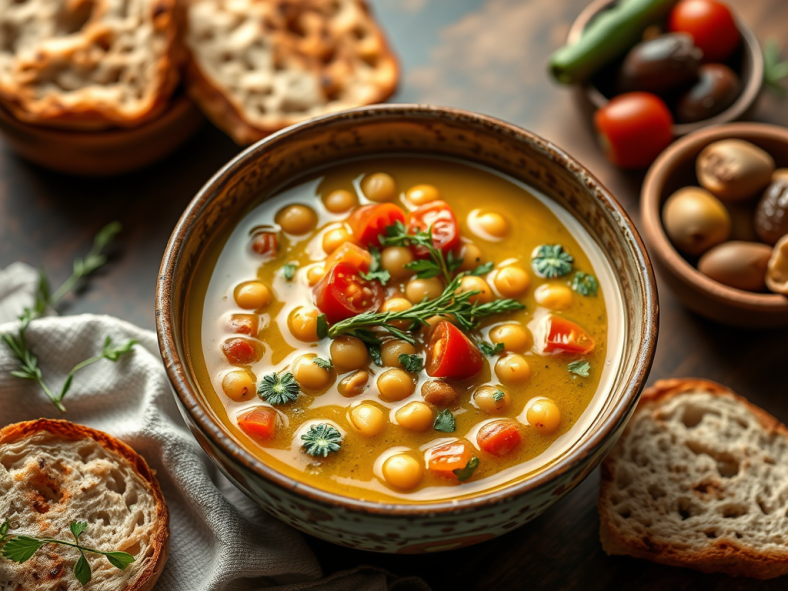
Worldwide Food Tour – Morocco

his soup is a fragrant blend of zucchini, chickpeas, tomatoes, and Moroccan spices, creating a dish that is both earthy and refreshing.

Essential Ingredients:

  • Zucchini: The star ingredient, giving the soup a soft texture and mild sweetness.
  • Chickpeas (Garbanzo Beans): Adds protein, creaminess, and a nutty depth.
  • Tomatoes: Provides acidity and richness to the broth.
  • Garlic & Onions: Classic Moroccan aromatics for flavorful depth.
  • Olive Oil: Enhances the richness of the soup.
  • Warm Moroccan Spices:
    • Cumin & Coriander: Earthy and warm.
    • Paprika: A touch of smokiness.
    • Turmeric: Adds color and a subtle bitterness.
    • Cinnamon (optional): A hint of Moroccan spice warmth.
  • Vegetable or Chicken Broth: For a light but flavorful base.
  • Fresh Herbs (Cilantro & Parsley): Brightens the dish with freshness.
  • Lemon Juice: Adds a final zing and balance to the flavors.

Tasting Notes: A Harmonious Blend of Earthy, Spiced, and Fresh Flavors

  • The zucchini softens beautifully, giving the soup a smooth, velvety texture.
  • The chickpeas add a hearty bite, making it filling without being heavy.
  • The warm Moroccan spices create a deep earthy and aromatic base.
  • The lemon juice and fresh herbs provide a bright contrast, balancing the warmth of the soup.

This soup is both soothing and invigorating, making it ideal as a light meal or an appetizer before a Moroccan feast.


How Moroccan Zucchini Chickpea Soup is Served

Traditional Serving Styles:

  1. With Warm Crusty Bread (Khobz) – A traditional Moroccan bread to scoop up the soup.
  2. With a Side of Olives & Dates – A common Moroccan pairing to balance flavors.
  3. With a Drizzle of Olive Oil & Extra Herbs – For added richness and freshness.
  4. With Harissa on the Side – If you like it spicy, a spoonful of harissa chili paste elevates the dish.

This soup is commonly enjoyed during Ramadan, as it is light yet nourishing—providing energy without being overly heavy.


Why Moroccan Zucchini Chickpea Soup is a Must-Try Dish

Healthy & Nourishing – Packed with fiber, protein, and vitamins from zucchini and chickpeas.
Rich in Moroccan Flavors – Uses signature Moroccan spices and herbs for deep flavor.
Light Yet Satisfying – A perfect balance of warmth and freshness.
Simple & Customizable – Can be made vegetarian or with chicken broth for extra richness.
Perfect for All Seasons – Enjoy it warm in winter or slightly chilled in summer.

From Moroccan home kitchens to North African cafés, this soup embodies the heart of Moroccan cookingwarm, inviting, and deeply satisfying.

Goal Met: Vegetarianism

This one wasn’t actually that difficult in concept. I’m just not a big meat eater. I do enjoy beef (in all it’s glorious varieties) and chicken and eat them often but only a few times a week, trying to balance them with vegetable heavy meals. I enjoy pork in sausage or bacon form but that’s about it and I don’t eat seafood, veal, lamb or pretty much any other animal. The one thing that I thought might be am issue is my Saturday cheeseburger. It’s a nice little treat at the end of the week that I do look forward to. I doubted I would embrace the ‘lifestyle’ but I do think reducing meat consumption overall is good for my health and the environment so wanted to give it a shot and see how it went.

The first issue is by the time I got around to scheduling this it was well into winter and the vegetable options available were pretty slim. Lots of root vegetables and your standard hydroponic greens along with stuff trucked in from who knows where. You ever have a supermarket tomato in January? It’s enough to make a grown man cry (I took down my tomato garden to make space for my kids to play in the backyard and I hope one day they appreciate that sacrifice).

However, since it was winter it was a perfect time for soups and stews which mostly used canned vegetables since they are designed to be made in the winter. I busted out some favorites like butternut squash soup and minestrone (without the pancetta of course) mixing in some new stews from around the world. Maafe was a big hit.. A sweet potato stew with chickpeas and coconut milk that I had several bowls of.

Pasta was featured prominently as well. Nothing fancy here just the usual pasta with a variety of sauces (tomato and pesto) with bread to scoop up all the sauce. I usually make pasta twice a week or so but it became my go to when I needed something quick for lunch or dinner.

I.. Tried to eat salads. I really did. They have a really nice salad bar at work and full of optimism I created a complex salad with greens, vegetables, and even come microgreens. Maybe it was just the time of year or the fact it’s a corporate cafeteria but the salad was really bland. The greens didn’t taste like much and the vegetables were all kind of listless. I have a personal thing where I just refuse to keep buying food if it isn’t any good so I had to pivot off the salad bar idea.

I knew getting greens was critical so I turned to powdered greens, mixing them into smoothies to take the rough edges off the taste. I will note that those smoothies powered me through the afternoon better than caffeine sometimes which I thought was odd so I double checked the greens and I saw that the one I got had ‘plant caffeine’ so yeah, I’m glad I wasn’t taking them at night because that would have backfired on me.

The only thing that concerned me was how much protein I was taking in. I wanted to ensure that I was getting enough to support my activity level so I used a two fold approach. I got some pea-protein to add to my smoothies (around 30g) and I went all in on the bean train.  I added them to everything. Making a soup? Beans. Nice stew you got cooking.. Beans. Hey is that pasta? OK hold up keep your damn beans off my pasta. Vegetarian Chili? That’s good man.. Load up them beans. Needless to say my poor stomach was very confused at this sudden intake of fiber and started wilding out but after a few days we stomped out our beef (get it?) and things returned to normal.

The two weeks went pretty quick and I found that it wasn’t that big of a life change. I mean, I can still eat bread, pasta, and pizza so really those are the holy trinity for me. I thought that maybe this is something I should be doing?

Then I had a bomb cheeseburger at a restaurant and said ‘Forget all that noise’